A charismatic tech star raised more than 800 million dollars so Better Place could kill the gas pump with swappable batteries, and it sold barely 1,000 cars before collapsing
Better Place was, for a few giddy years, the most hyped electric car company on Earth. Its founder promised to break the world's addiction to oil with a network of robotic battery swap stations. By 2013 the company was bankrupt, having raised over 800 million dollars and sold almost nothing.
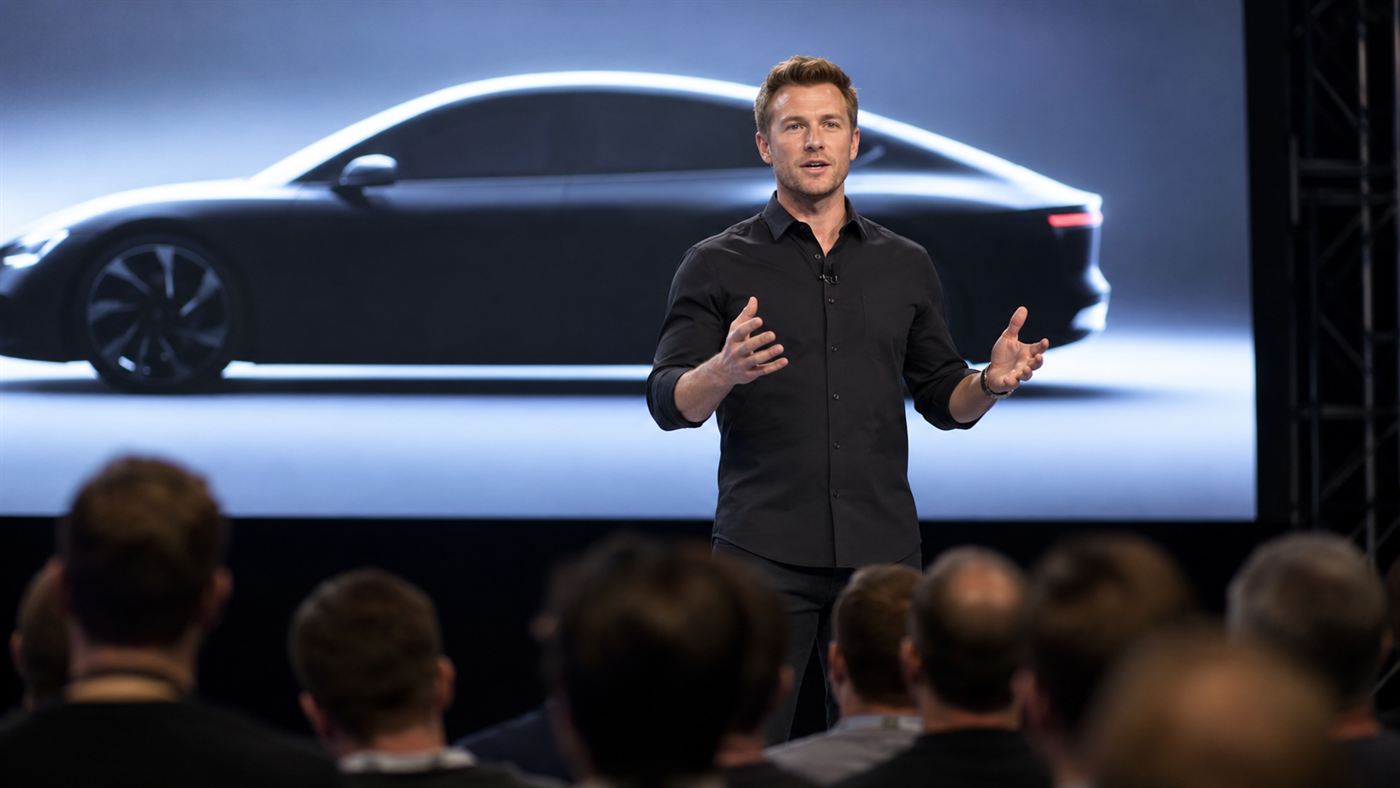
Better Place was sold on stages and at conferences long before it sold many cars. Illustration: Watts & Wild.
Better Place launched in 2007 with a promise big enough to make investors forget every reason it might fail. The pitch was an electric car you never plugged in for long and never waited on, because when the battery ran low a robot under the road would slide the drained pack out and a charged one in, in less time than it takes to fill a tank of petrol. No range anxiety, no overnight charging, no oil.
The man behind it was Shai Agassi, a charismatic Israeli software executive who had been in line to run the German giant SAP before he walked away to chase something larger: ending the world's dependence on oil. He sold that vision so well that, as MIT Technology Review later recounted in its autopsy of the company, Better Place raised more than 800 million dollars from blue-chip backers including General Electric, HSBC, and Morgan Stanley before most people had ever seen one of its cars.
What was Better Place? Better Place was an Israeli startup, founded in 2007 by Shai Agassi, that tried to make electric cars cheap and convenient by separating the car from its battery. Drivers bought the car and subscribed to the battery, swapping it at automated stations. It raised over 800 million dollars and went bankrupt in 2013.
How was Better Place supposed to work?
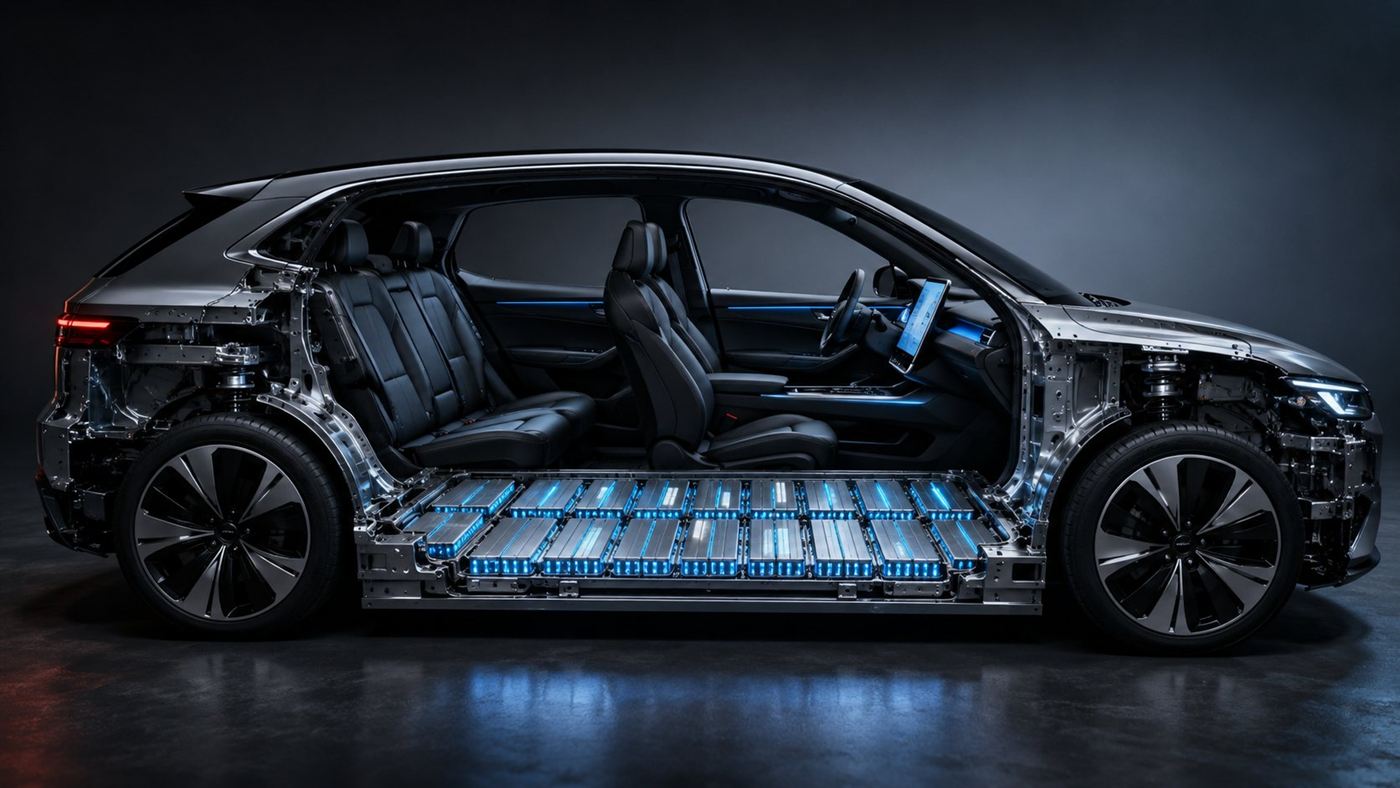
The clever part of Better Place was not the hardware but the business model. You bought the car, but you did not own the battery, the single most expensive part of any electric vehicle. The company kept the battery and charged you for the miles you drove, the way a phone carrier charges for minutes. Agassi loved the analogy: oil companies sold you the fuel forever, and he wanted to sell you the driving instead.
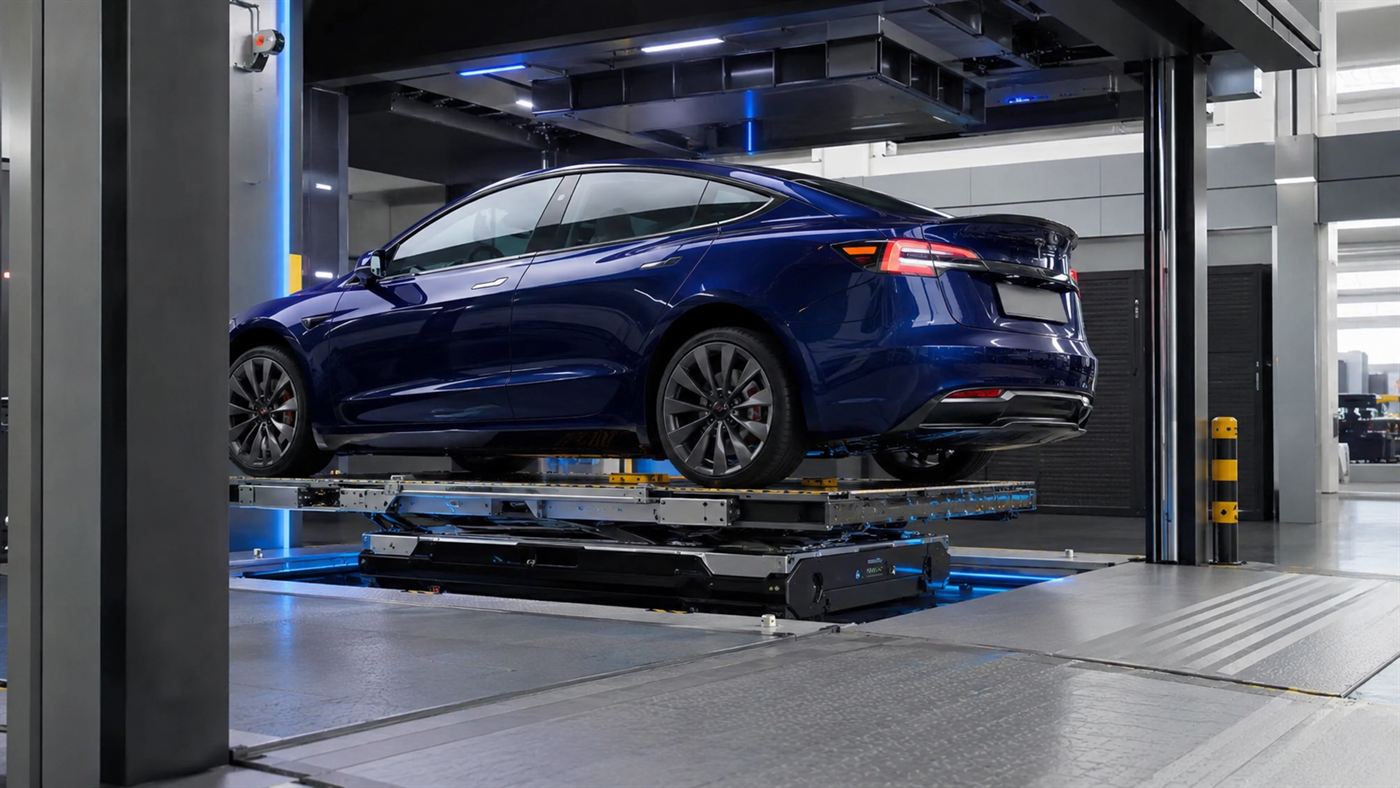
For everyday driving you charged at home or at one of the company's posts. For longer trips you pulled into a swap station, stayed in your seat, and watched a robotic platform beneath the car drop the empty battery and bolt in a full one in about five minutes. The whole system was built around a single vehicle, the Renault Fluence Z.E., a midsize sedan that Renault engineered with a removable pack specifically for Better Place.
The man who quit SAP to end oil
None of this would have raised a fraction of that money without Shai Agassi at the front of the room. He was a genuine technology star, young, fluent, and certain, who had climbed near the top of one of the world's biggest software firms and then left it all to save the planet from petroleum. He charmed presidents and prime ministers, shared stages at Davos and TED, and landed on magazine lists of the people who would shape the future.
That charisma was both the engine and the trap. Agassi spoke about Better Place as a done deal, a revolution already underway, and the confidence pulled in capital faster than the company could ever spend it wisely. Israel, his home base, threw its weight behind the project as a point of national pride, and a parallel rollout began in Denmark. The story was irresistible. The arithmetic underneath it was not.
Why battery swap made sense on paper
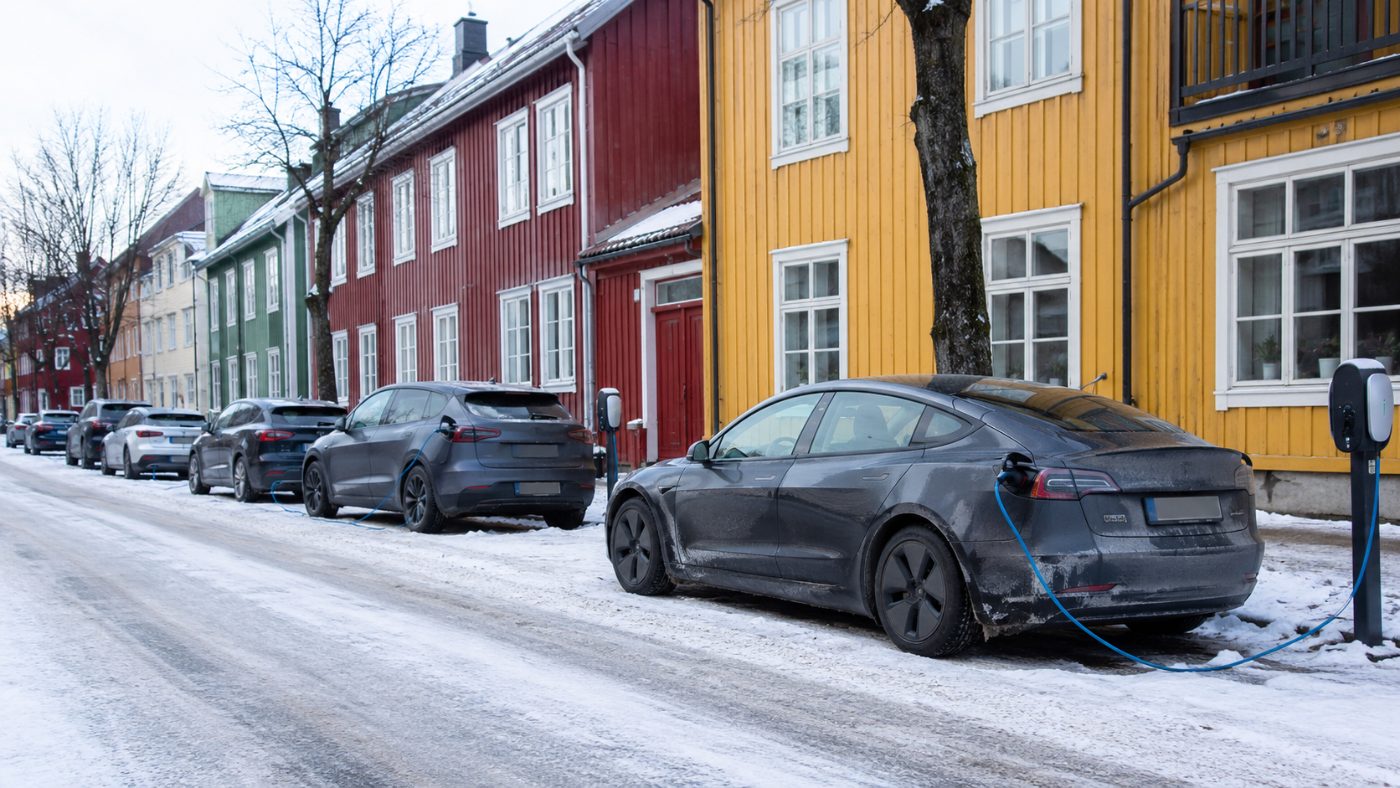
It is easy now to call the idea doomed, but battery swap answered real problems that still nag electric cars today. Swapping took minutes instead of hours, which erased the charging wait on long trips. Renting the battery slashed the sticker price of the car and made battery aging the company's problem, not yours. And because the packs were charged centrally, the network could soak up cheap, clean power overnight and spare the grid the shock of everyone fast-charging at once.
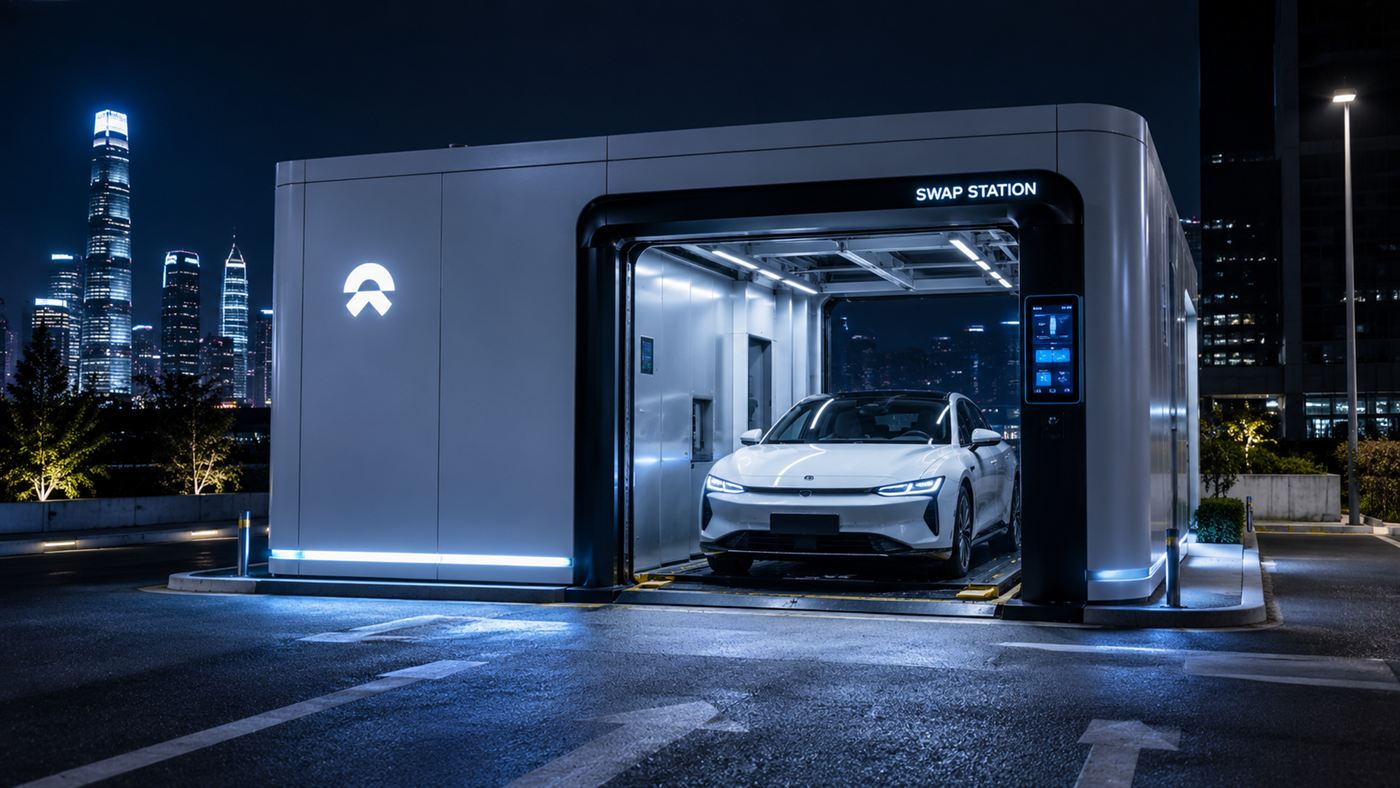
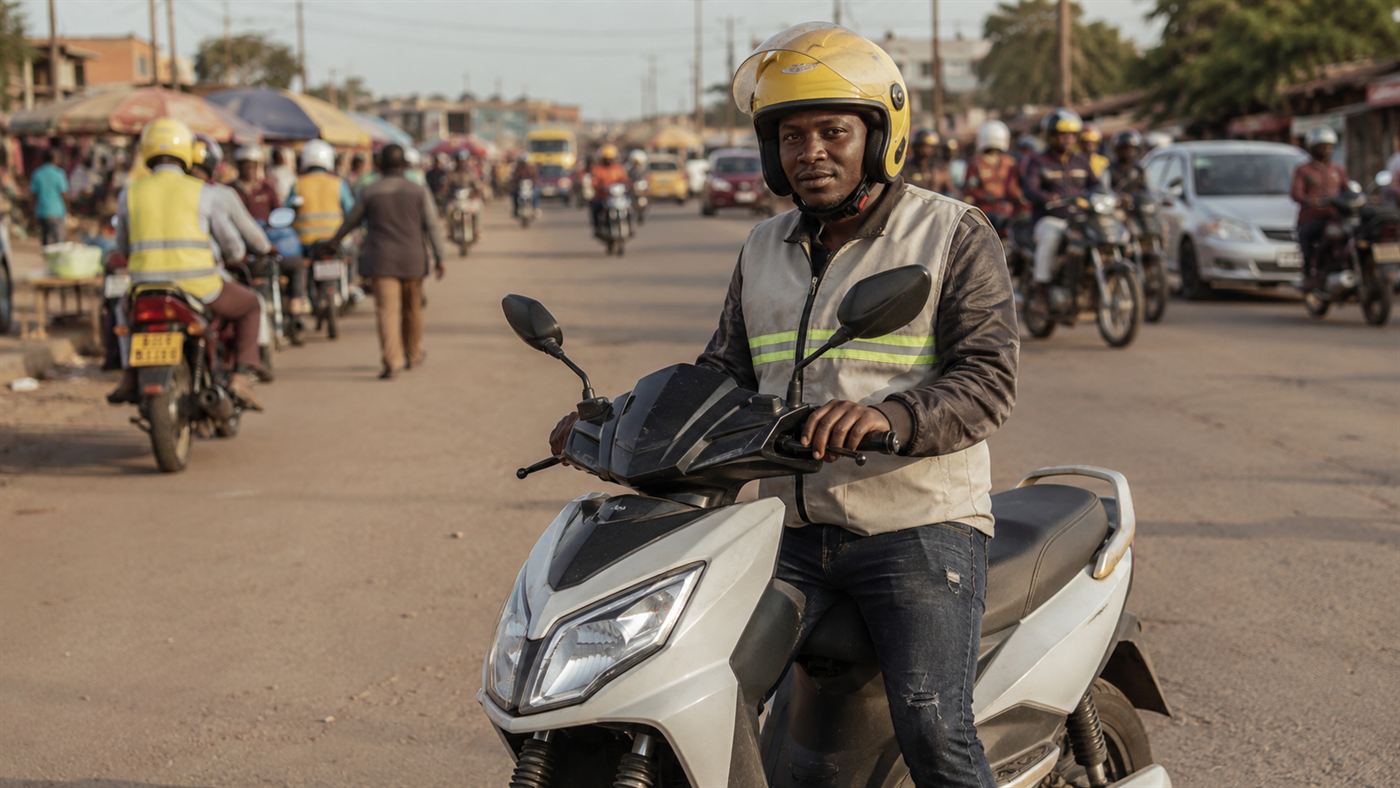
This is why serious people backed it, and why battery swap never really died. A decade later China's NIO would build thousands of swap stations and Africa's electric motorcycle riders would swap batteries at corner kiosks. The concept was sound. Better Place simply tried to prove it everywhere at once, with one car, before the demand existed.
Why did Better Place fail?
The killer was a chicken-and-egg trap dressed up as a network. Each swap station cost around 500,000 dollars to build, so the economics only worked with a flood of drivers, yet drivers would not commit to a car that depended on a network that barely existed yet. Tying everything to the single Renault Fluence made it worse: if you did not want that one sedan, Better Place had nothing to sell you, and no other carmaker built a swappable model.
Meanwhile the ground shifted. Ordinary plug-in charging got faster and cheaper, Tesla made long-range batteries aspirational rather than anxious, and the case for an expensive swap network softened. The money ran out long before the customers arrived. Agassi was pushed out as chief executive in late 2012, and in May 2013 Better Place filed for bankruptcy, a collapse the Washington Post used to ask hard questions about the whole electric car project. It had sold roughly 750 cars in Israel.
What 800 million dollars bought
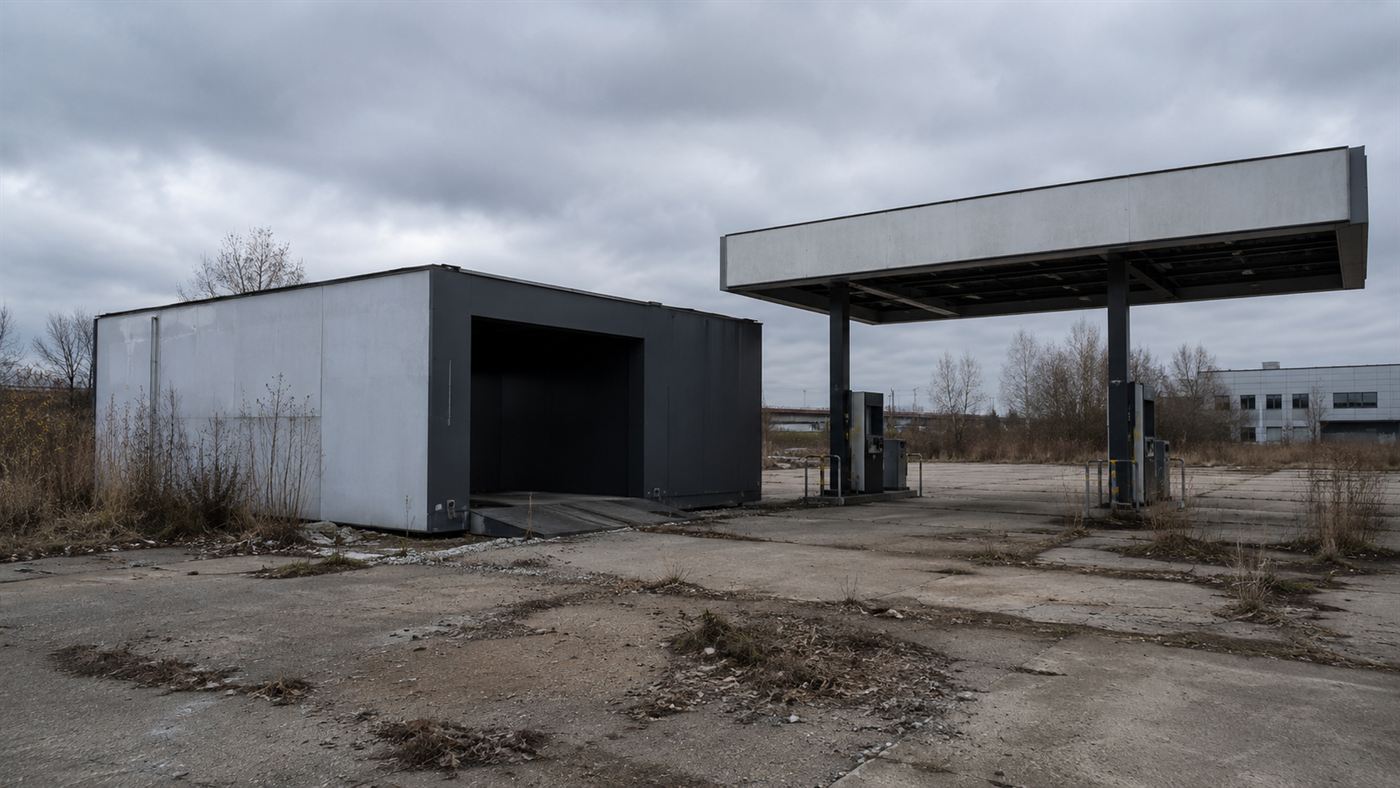
The final tally is brutal to read. More than 800 million dollars of investment produced fewer than 1,000 cars on the road, swap stations in only two countries, Israel and Denmark, and a brand that became shorthand for cleantech hubris. When the bankrupt remains were auctioned, the whole operation that had been valued in the billions sold for around 12 million dollars, pennies on every dollar that had gone in.
It remains one of the largest failures in the history of any electric car startup. And yet the people who lost their money were not fools chasing nonsense. They were betting on a real problem, an honest solution, and a salesman who made the future feel inevitable. The idea was years too early, and the company spent as if it were already late.
The honest catch
It would be easy to file Better Place under stupid money and move on, but that misses the lesson. The technology mostly worked. Swaps really did take five minutes, the cars really did drive, and the model of renting the battery is now standard for electric scooters and buses across Asia. What killed the company was not the engineering but the order of operations: it built a giant, fixed, expensive network ahead of demand, locked to one carmaker, and ran out of road.
The swap idea Agassi bet everything on is alive and growing, just in the hands of companies that started small, kept their costs low, and let demand pull the network along rather than the other way around. Better Place was right about almost everything except timing and money, which in business are often the only things that matter.
One man raised the price of a fleet of fighter jets to swap car batteries in five minutes, proved it could be done, and still went broke before the world was ready. Was Better Place a brilliant idea ruined by bad timing, or a fantasy that deserved to fail? Tell us what you think in the comments.
Related reading: How China's NIO made the battery swap idea that bankrupted Better Place actually work, thousands of stations later.