Two engineers built a three-wheeled car so efficient it can run on sunlight for the daily commute, watched their company go bankrupt, then bought it back to try again as Aptera
Aptera is a car that sounds impossible: a sleek three-wheeler covered in solar cells, so efficient that for short daily trips in the sun you may never need to plug it in. Its founders have been chasing that dream for twenty years, through bankruptcy and back.
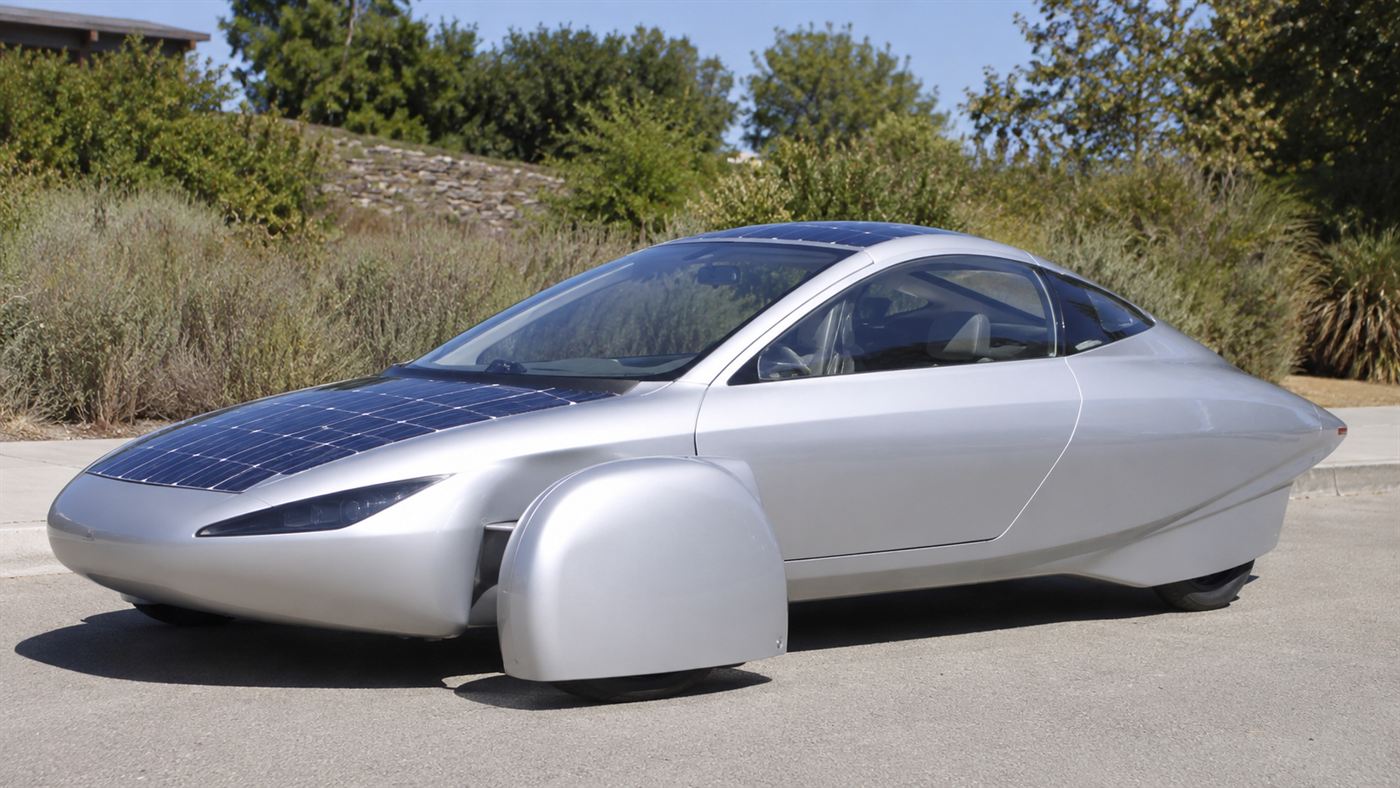
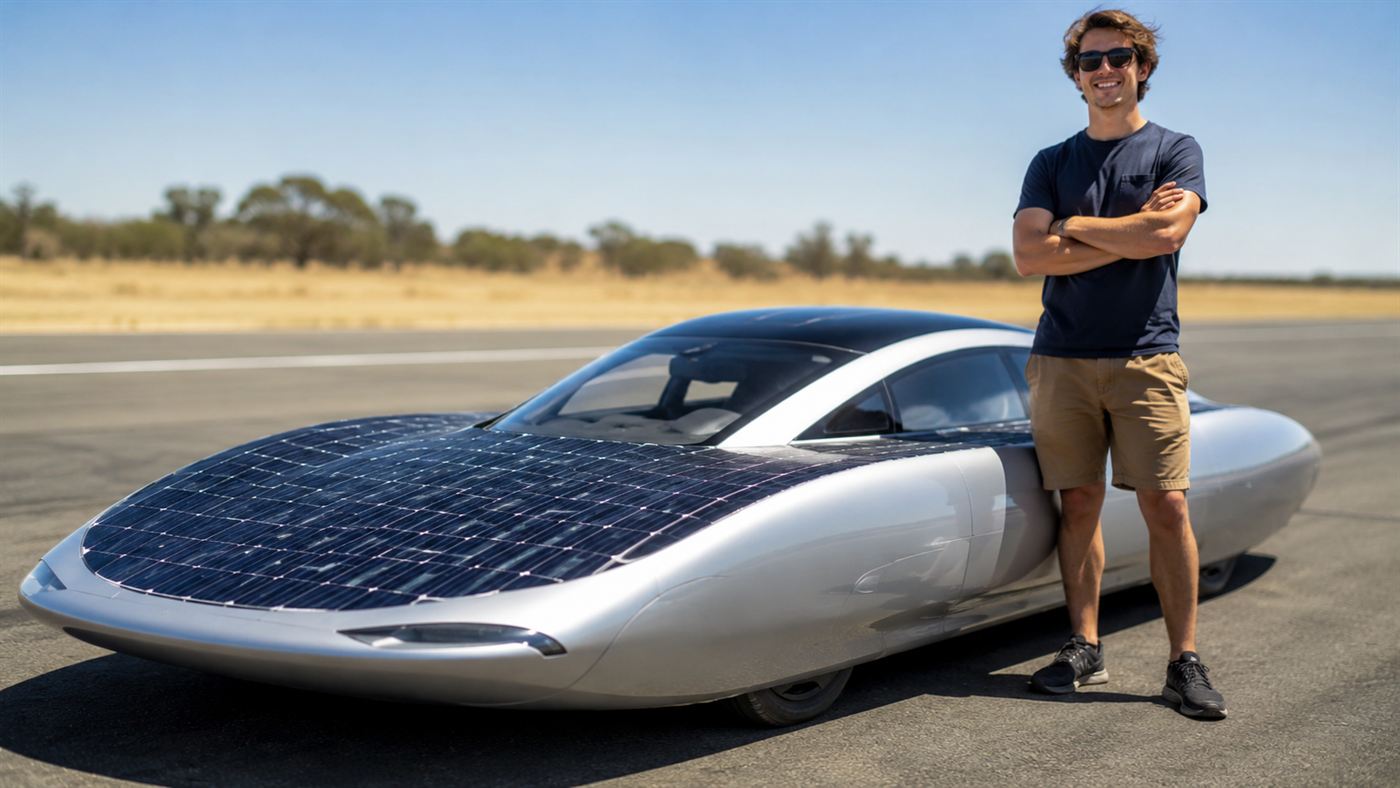
The Aptera, a teardrop three-wheeler skinned in solar cells. Illustration: Watts & Wild.
Aptera does not look like any car you have seen. It has three wheels, a smooth teardrop body that seems half aircraft, and a skin studded with solar cells. The idea behind it is radical in its simplicity: build a car so light and so slippery through the air that it sips a tiny fraction of the energy a normal electric car needs, then let the sun quietly top up the rest.
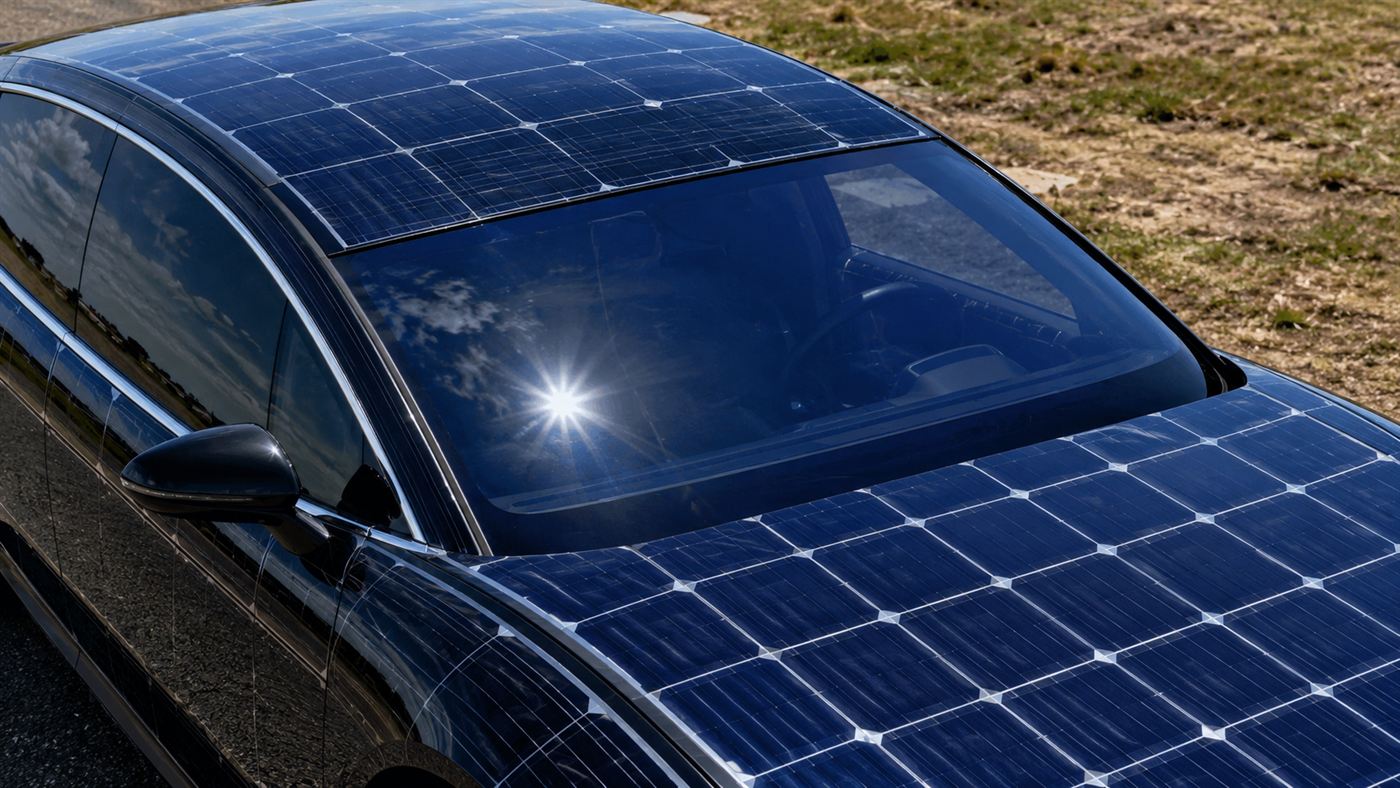
The numbers are the whole pitch. Where a big electric pickup might travel just over a mile on a kilowatt-hour, as Green Car Reports has covered, Aptera claims around ten miles on the same energy, helped by a body with a drag coefficient near 0.13, lower than almost anything on the road, and a weight under a tonne. Roughly 700 watts of solar cells on its roof, hood and dash can, the company says, add up to 40 miles of free range on a sunny day.
What is the Aptera? The Aptera is an ultra-efficient three-wheeled solar electric car designed by Steve Fambro and Chris Anthony. Covered in solar cells, it can add up to 40 miles of range a day from sunlight alone, and its extreme aerodynamics let it travel about ten miles per kilowatt-hour, far more than a normal EV.
Why the Aptera barely needs charging
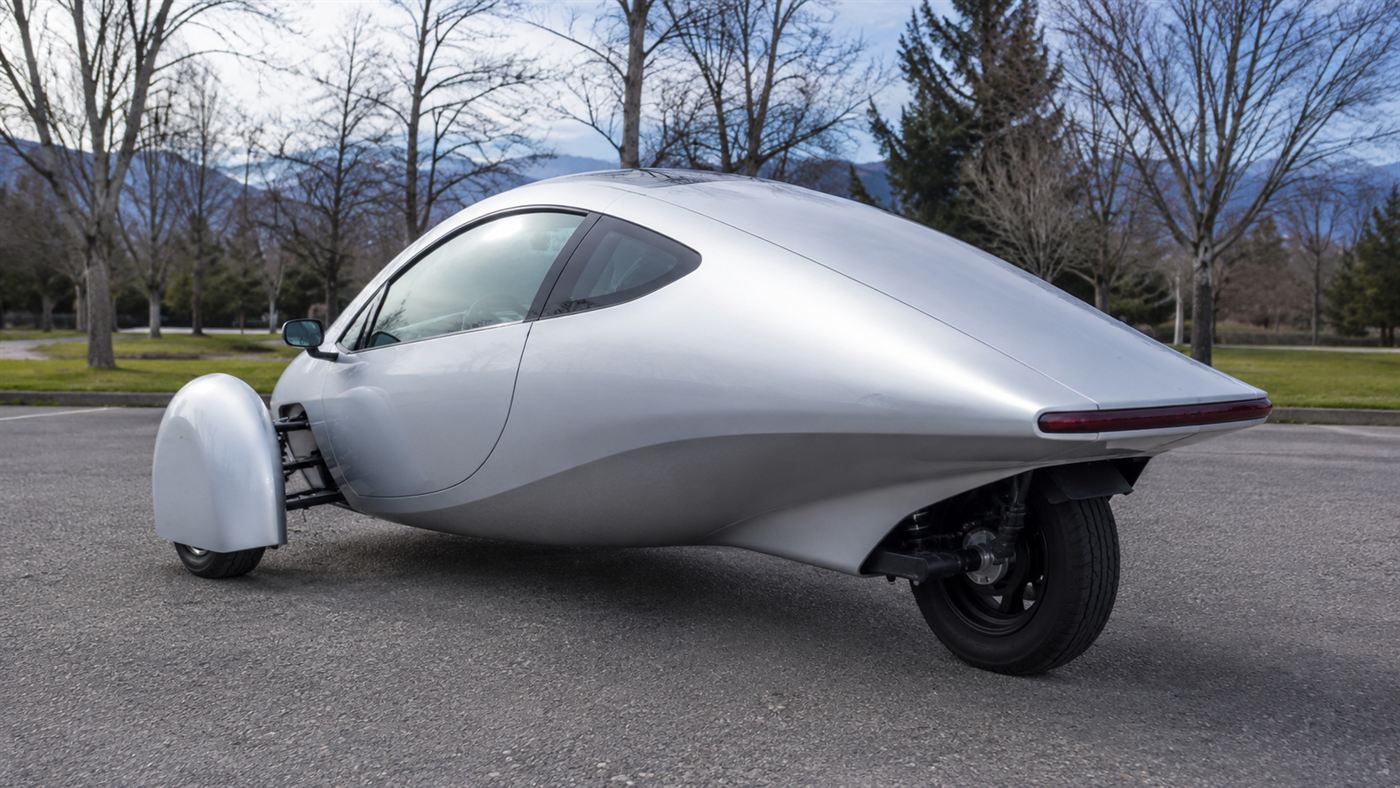
The magic is not a breakthrough battery but old-fashioned efficiency taken to an extreme. Most cars waste enormous energy shoving air out of the way and hauling their own weight around. Aptera attacks both. Its teardrop shape and faired-in wheels give it aerodynamics closer to an aircraft than a car, and its lightweight composite body keeps the whole vehicle under a tonne, so it needs far less power to move at any given speed.
That efficiency is what makes the solar trick work. A normal electric car is so hungry that a roof of solar panels barely dents its appetite, but a car that travels ten miles on a kilowatt-hour is a different animal. On the Aptera, those 700 watts of cells actually matter, enough that a driver doing short hops in a sunny place could, in principle, go weeks without ever plugging in. The whole design exists to make sunlight a serious fuel rather than a gimmick. That obsession with efficiency is the same one drilled into students at the World Solar Challenge, where cars cross Australia on sunlight alone.
The first Aptera, and the crash
This is not a new idea, and that is part of the story. Steve Fambro, an engineer, founded the original Aptera back in 2006, soon bringing in Chris Anthony to help run it, and by the late 2000s the strange three-wheeler was a star of the green-car world. It drew deposits from eager buyers, competed for a major efficiency prize, and seemed to be on the cusp of production. Then reality caught up with it.
Building cars is brutally expensive, and Aptera could not raise enough to get a real factory running. A hoped-for government loan never came, an attempt to design a more conventional four-door drained money, and in 2011 the company was liquidated. The deposits were refunded, the dream was shelved, and the radical little solar car looked like just another ambitious failure in the long graveyard of electric-vehicle startups.
Bought back from the dead
The surprise came in 2019, when the same two founders, Chris Anthony and Steve Fambro, reacquired the rights to their old design and restarted the company. This time they leaned on their fans, raising money through community crowdfunding from tens of thousands of small backers and reservation holders who wanted the car to exist badly enough to help pay for it. By the mid-2020s the revived Aptera had pulled in well over 100 million dollars and gone public on the stock market.
It is a genuinely unusual second act. Most failed car startups simply vanish, their patents sold for scrap, but Aptera came back from the dead under its original creators and a crowd of believers. The "solar phoenix," as some called it, was alive again, with sharper technology, a slicker prototype, and the same audacious promise it had made more than a decade earlier.
How efficient is the Aptera really?
The efficiency claims, at least, are not marketing fog. A heavy electric truck like the Hummer EV manages a bit over one mile per kilowatt-hour; Aptera targets around ten, an almost tenfold difference, and the reasons are visible in the shape. The drag coefficient of roughly 0.13 is exceptional, the kerb weight is tiny by modern standards, and three wheels mean one less tyre dragging on the road, while also letting it be classed as a motorcycle in the United States, which simplifies the rules it must meet.
Buyers will be able to choose battery sizes, with the headline option promising up to 1,000 miles of range on a charge, and prices ranging from the high twenties into the forties of thousands of dollars. The catch built into the concept is that all this comes in a two-seat, three-wheeled package that looks like nothing else, which is either the three-wheeler's charm or its ceiling, depending on the buyer.
Still not quite on the road
For all the momentum, the most stubborn fact about Aptera is that, two decades after Fambro first sketched it, you still cannot really buy one. The company has repeatedly pushed back its production timeline, and its own recent filings point to low-scale manufacturing beginning only once it raises tens of millions more, with first deliveries forever sliding toward "soon." Thousands of people hold reservations for a car that has not yet been built in numbers.
That gap between promise and driveway is the heart of the Aptera story. The engineering is real and the efficiency is extraordinary, but turning a brilliant prototype into a car people can actually buy is the hardest step in the business, the one that killed the company the first time. Whether the second Aptera finally clears it, or becomes another beautiful might-have-been, is still genuinely undecided.
The honest catch
It is only fair to separate the physics from the hope. The efficiency numbers are credible and genuinely impressive, and a car that can run for days on sunlight is not a con; the design really does sip energy. But "never charge" is true only for short trips in sunny places, the car carries two people on three wheels, and the company has spent twenty years almost reaching production without ever getting there at scale.
There is also something uneasy about a model that runs on its own customers' money for so long. The crowd that funds Aptera is, in effect, paying to wait, and patience is not the same as delivery. None of that means the car will fail, and if it ships it may be one of the most efficient vehicles ever sold. But until one is parked in an ordinary driveway, charging itself in the sun, the right posture is hopeful curiosity rather than belief.
A pair of engineers designed a car that can drive on sunshine, lost their company, bought it back, and have spent two decades trying to put it on the road. Would you put down a deposit on the Aptera, or wait until one is actually parked in a neighbour's driveway? Tell us what you think in the comments.
Related reading: The other solar car startup that built a sun-powered sedan and then collapsed.