Americans fought to save the heath hen with one of the first wildlife refuges ever created, and still had to stand and watch as the whole species dwindled to a single bird named Booming Ben
This is the other kind of conservation story, the one that does not end in triumph. A bird so common it once fed the colonies was nursed on a single island by some of the earliest wildlife protectors in America. They did almost everything right, and it died anyway. The last of its kind even had a name.
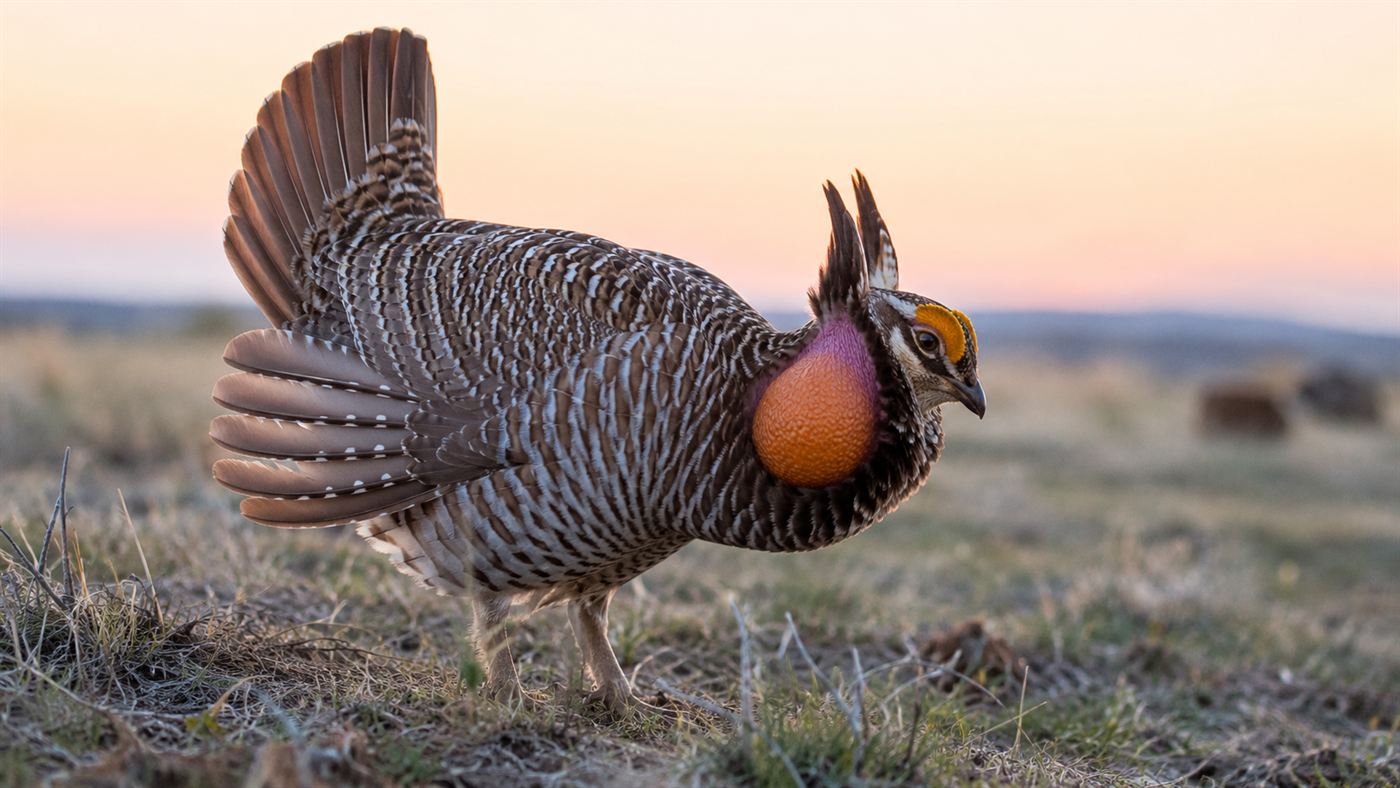
A male in its booming display, a sound the coast once knew well. Illustration: Watts & Wild.
The heath hen was an eastern cousin of the greater prairie chicken, a plump ground bird that once thronged the scrubby coastal plains from New England down to the Carolinas. In colonial America it was so abundant and so cheap that, by legend, servants grumbled about being fed it too often. It was ordinary in the way pigeons are ordinary, a bird nobody imagined could ever run out.
But it did run out. Hunted relentlessly and squeezed out of its habitat, the bird vanished from the entire mainland by around 1870, hanging on only on the island of Martha's Vineyard off Massachusetts. What happened there over the next sixty years became one of the most quietly heartbreaking episodes in the history of American conservation.
The short version: the heath hen was hunted from the mainland to a single island, where early conservationists created a reserve and banned hunting. The population briefly recovered, then a fire, a brutal winter, disease and inbreeding wiped it out. The last bird, a lone male called Booming Ben, was seen for the final time in 1932.
A bird that fed the colonies
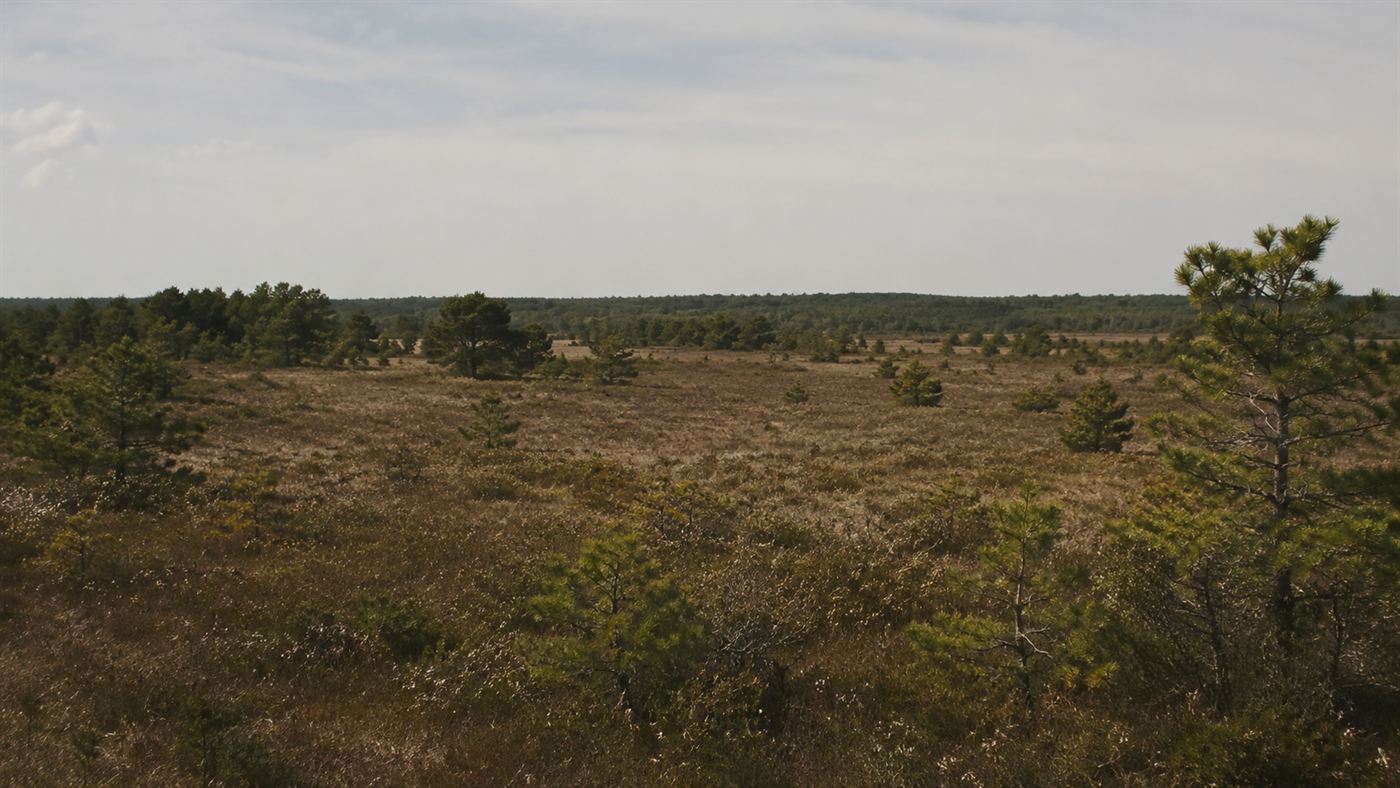
It is hard now to picture how common the bird once was. Flocks of the birds covered the coastal heathlands that gave them their name, and they were shot in huge numbers for food, so plentiful that they were considered poor people's fare. The same abundance that made them seem inexhaustible made them an easy, endless target.
That could not last. As guns improved and the coast filled with people, the heath hen was hunted hard and its brushy habitat was cleared and burned for farms and towns. Population by population, it winked out along the seaboard until, by the 1870s, the only survivors clung to Martha's Vineyard, a last refuge separated from the mainland by water.
One of America's first rescue efforts
What happened next was genuinely ahead of its time. In the early 1900s, concerned islanders and officials banned hunting of the heath hen and set aside a large reserve to protect its habitat, one of the earliest organized attempts anywhere to save a single species from extinction. For a while, it looked like a model of what conservation could do.
And it worked, at first. Freed from the gun and given room to breed, the population on the island climbed from around a hundred birds to roughly two thousand by 1916. To the people watching, it seemed the species had been pulled back from the edge. They had every reason to believe they had won.
Why did the heath hen die out anyway?
Then everything went wrong at once. In 1916 a fire swept the reserve during the breeding season, killing many birds and destroying nests, and it fell hardest on the females sitting on eggs. The survivors skewed heavily male. That same period brought a savage winter and an influx of predatory goshawks, and the small flock never recovered its footing.
After that came the quieter killers. A poultry disease spread from domestic birds, and the population was now so tiny and inbred that it had little resilience left. Reintroductions failed, attempts to breed the birds failed, and efforts to cross them with their western prairie chicken relatives failed. Each blow that a large, healthy population might have shrugged off was, for this one, another step toward extinction.
The lonely years of the last bird
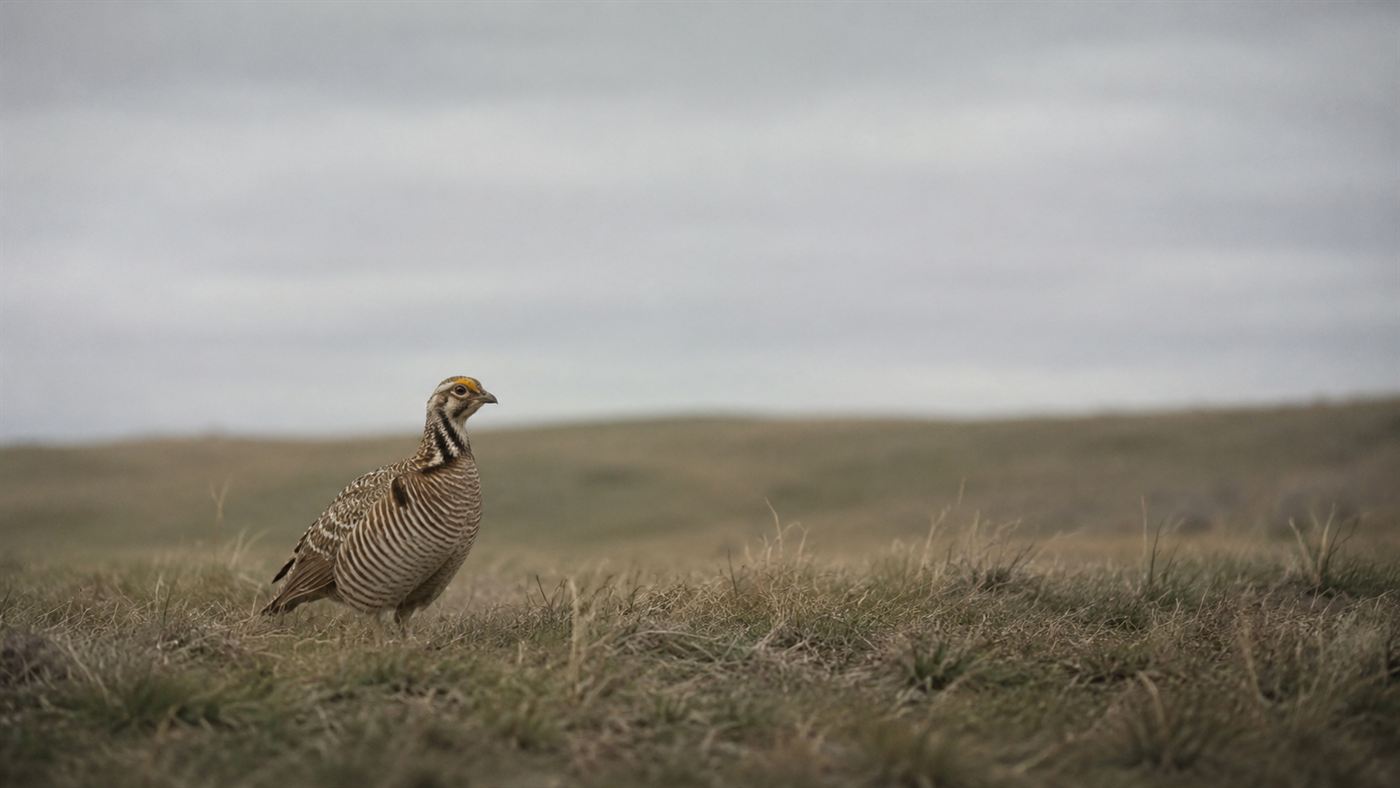
By the late 1920s the population was down to a handful of birds, then a few, then, by 1929, just one. That last survivor was a male, and the islanders named him Booming Ben, after the deep booming call that males made to attract mates who no longer existed. Every spring he returned to the traditional courting ground and called into an empty field.
People came to see him, this single bird carrying an entire lineage on his back. He was watched, counted, and quietly loved. He was last seen on March 11, 1932, and never again. With him died a bird that had lived on that coast since before the first colonists arrived.
The honest catch
It would be comforting to say the bird was doomed by ignorance, but the sadder truth is that people tried hard and still lost. What they did not yet understand is what its death helped teach: that a species saved down to a few hundred individuals is not safe at all. A small, isolated, inbred population can be erased by a single bad fire or disease, no matter how protected it is on paper.
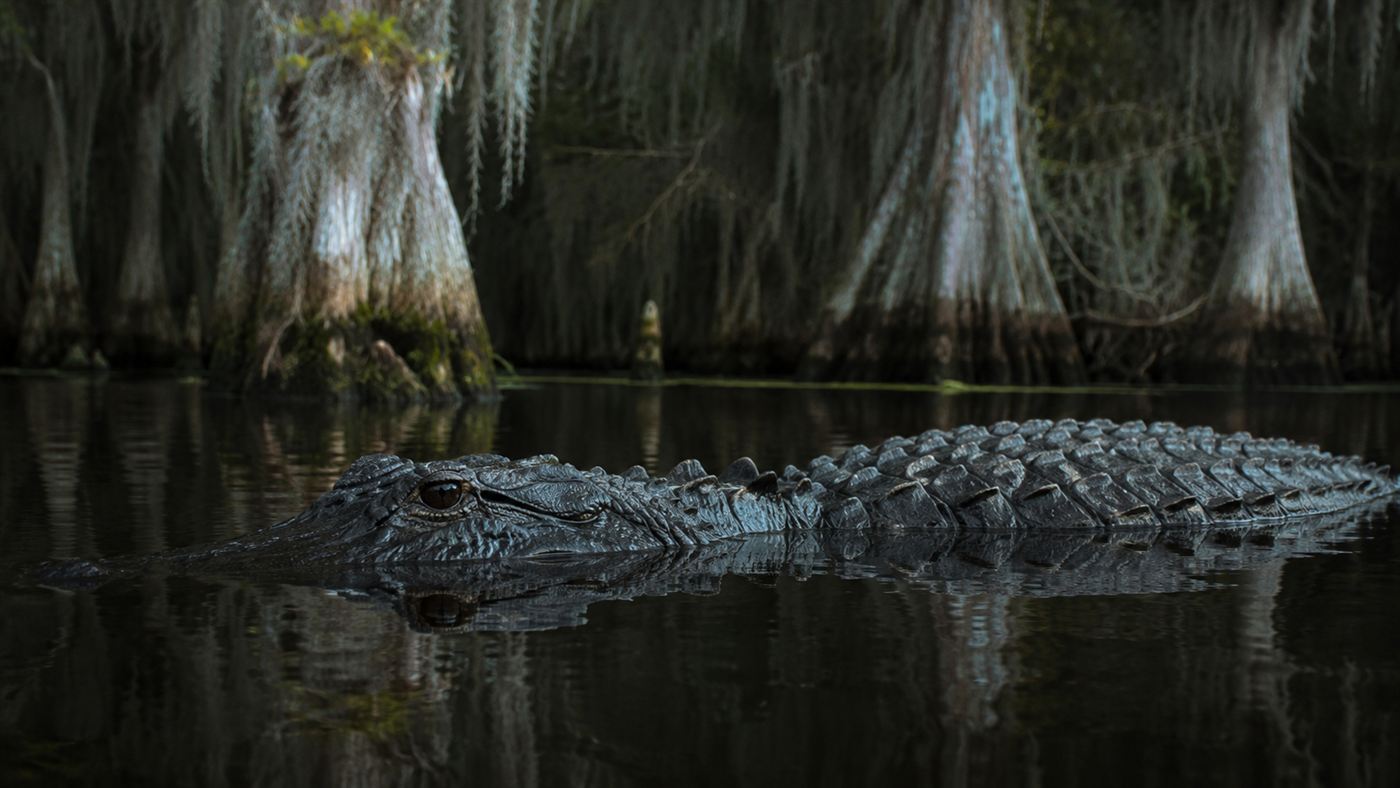
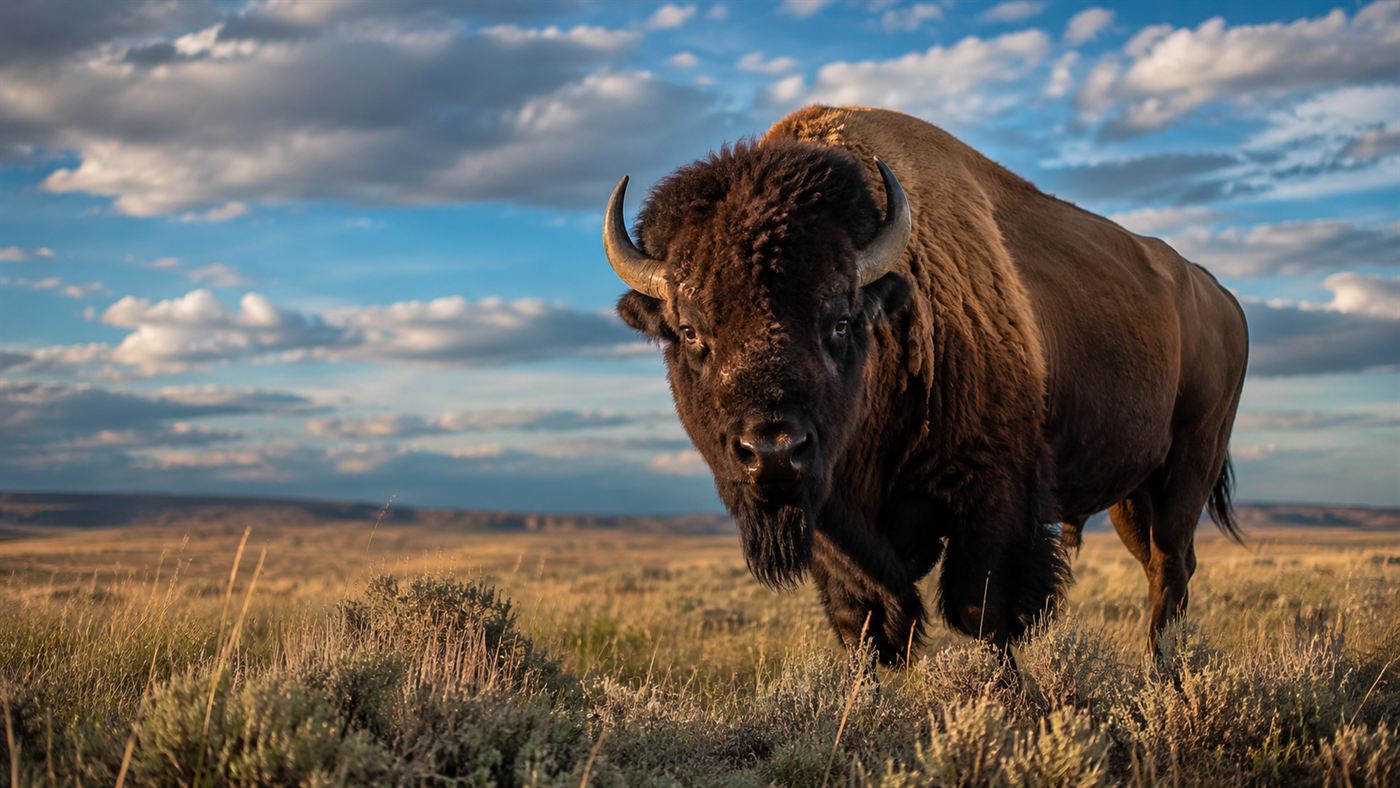
That lesson is written into modern conservation, and it is why the recoveries we celebrate, the alligators and the bison, needed not just protection but real numbers and genetic diversity to survive. That empty booming was the first time scientists watched a species vanish to extinction in real time, and the warning in it still shapes how we try to save everything else.
A bird once too common to count ended as a single male calling into an empty field, watched by the very people who had tried to save him. Does a story like Booming Ben's make you more hopeful about saving species, or more afraid of how easily we lose them? Tell us in the comments.
Related reading: the passenger pigeon, which went from billions to a single bird named Martha in one lifetime. See also the happier ending of the American alligator, pulled back from the brink to five million, and the dusky seaside sparrow, another US bird watched down to its last individual.