Hunters nearly wiped the American alligator off the map for its leather, and then the same animal came roaring back so completely that there are now around five million of them
A century ago, the reptile that had ruled southern swamps for millions of years was vanishing, skinned by the millions to make handbags, belts and boots. By the 1960s it was genuinely close to gone. Today it is so common that it turns up in backyard pools and on golf courses. The story of how is one of conservation's greatest comebacks.
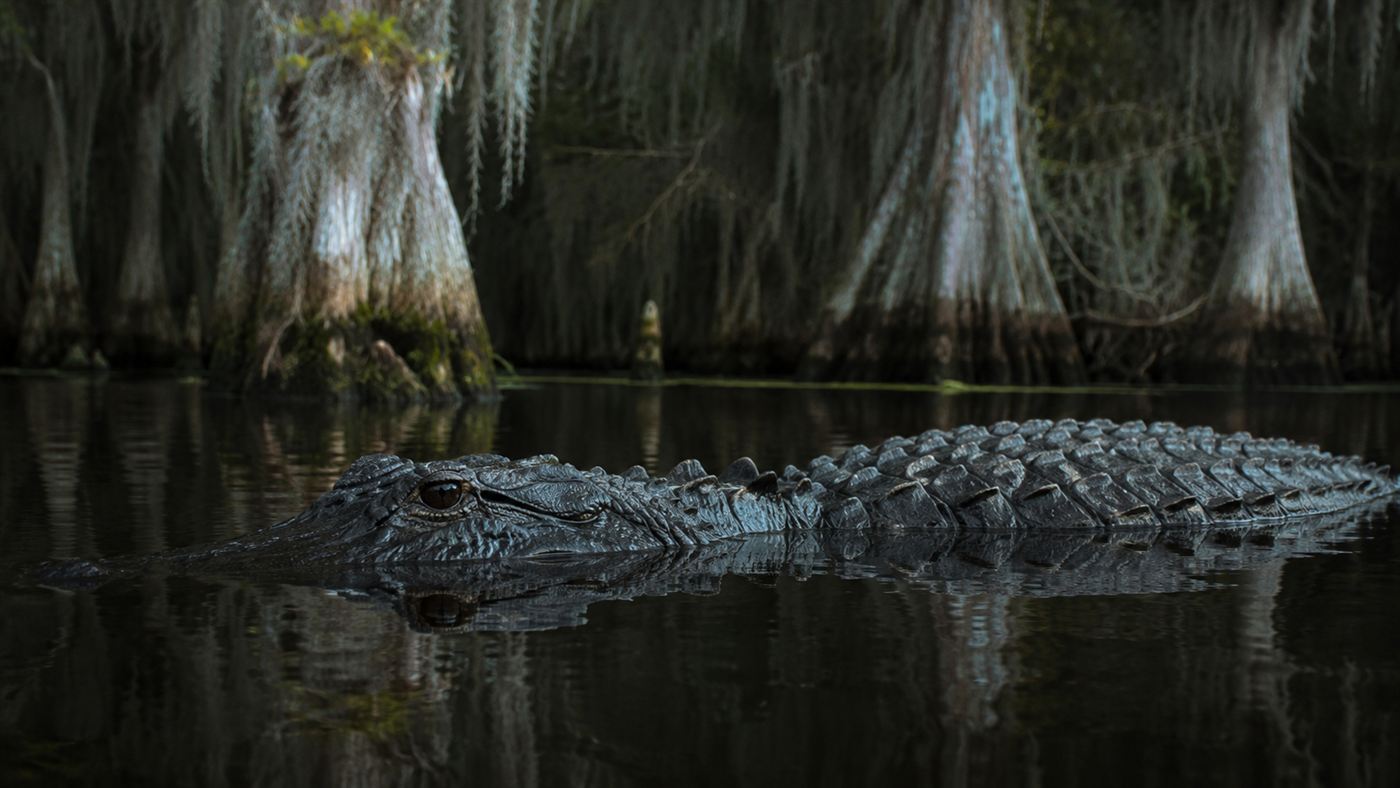
The American alligator has ruled southern wetlands for millions of years. Illustration: Watts & Wild.
The American alligator is a living fossil, a heavy-jawed survivor whose ancestors shared the world with the dinosaurs. For most of its history it thrived across the wetlands of the Southeast, from the Everglades to the Carolinas to Texas, an apex predator with nothing to fear. Then, in the space of a single century, humans nearly finished off what the last mass extinction could not.
What makes the story remarkable is not just how close the animal came to disappearing, but how completely it recovered once people finally left it alone. The alligator went from the edge of extinction to a population in the millions in a few decades, and it did so in a way that still surprises the people who study it.
The short version: commercial hunting for alligator leather pushed the American alligator to the brink by the 1960s. It was listed as endangered, the Endangered Species Act banned the hunting, and the animal rebounded so fast it was taken off the list in 1987. There are now roughly five million of them.
Skinned to the edge of extinction
The trouble began with fashion. From the 1800s onward, alligator leather became a prized luxury, tough and beautifully patterned, and hunters across the South killed the reptiles in enormous numbers to feed the trade in bags, shoes and belts. Millions of hides were shipped north and abroad, decade after decade.
The slaughter was not sustainable, and it showed. On top of the hunting for skins came poaching for meat and the steady draining of the wetlands the animals needed to breed. By the mid-twentieth century the great swamps had fallen quiet, and in many areas the once-common alligator had become a rare sight. The species was sliding toward oblivion.
How the law gave it a second chance
The turning point was legal. In 1967 the alligator was officially listed as endangered, and then the landmark Endangered Species Act of 1973 gave it real teeth, banning the hunting and the interstate trade in hides that had driven the collapse. For the first time in over a century, killing alligators for their skins was no longer a free-for-all.
The effect was almost immediate. Freed from relentless hunting and helped by growing protection of the wetlands, the alligator turned out to be a tough and prolific breeder. Populations that had nearly blinked out began to fill the swamps again, faster than almost anyone had dared to predict.
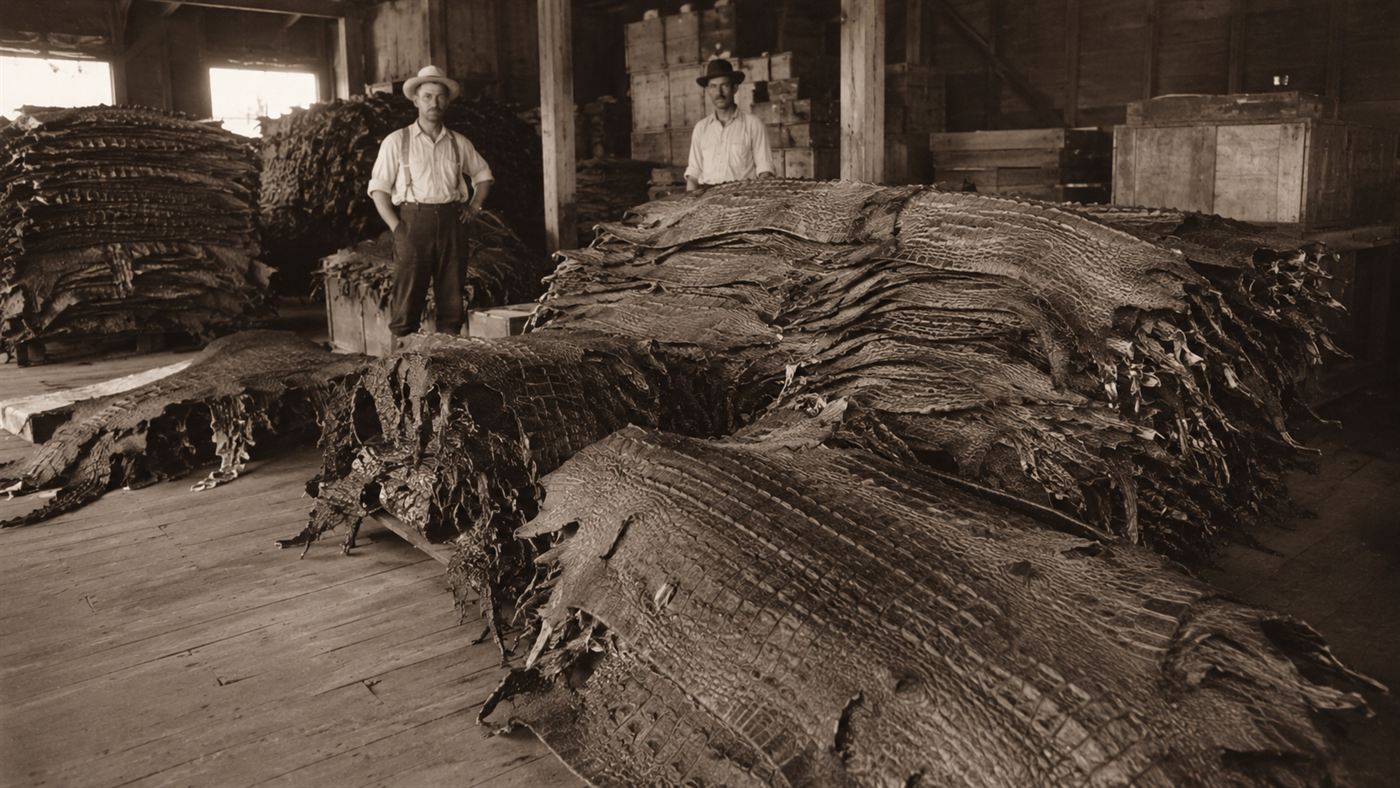
The American alligator's leap to five million
The recovery was so strong that in 1987 the American alligator was removed from the endangered species list entirely, declared fully recovered. It remains one of the clearest triumphs anyone can point to when they argue that the Endangered Species Act works.
The numbers are staggering next to where things stood in the 1960s. There are now something like five million of them across the Southeast, with well over a million in Florida alone. The animal that was almost a memory is now a routine, if unnerving, part of life in the region. They patrol canals, ponds and the occasional swimming pool.
Why did letting people sell them help save them?
Here is the twist that surprises people. The alligator was not saved by locking it away from all human use forever. Once populations were healthy, wildlife agencies allowed carefully regulated hunting and alligator farming to return, with strict quotas and tagging, so that hides and meat could be sold legally again.
That sounds backwards, but it works. Because a live, wild alligator population is now worth money to landowners and states, there is a powerful incentive to protect the wetlands where they live rather than drain them. The very commerce that once doomed the species, put on a leash, became one of the reasons people now want it around.
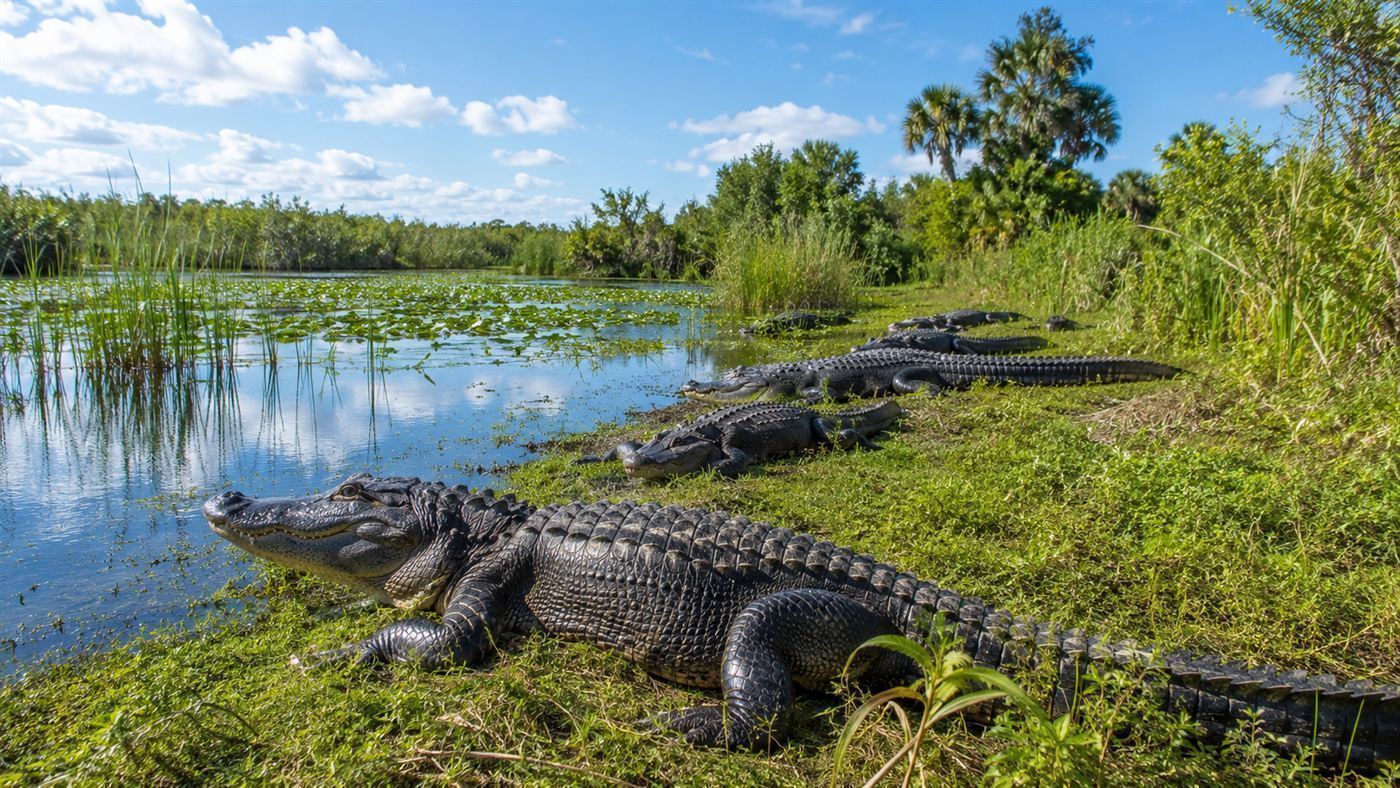
The honest catch
The comeback is real and worth celebrating, but it is not quite the tidy fairy tale of nature left in peace. The alligator recovered partly because it is unusually hardy, lays large clutches of eggs and tolerates living near people, advantages that many other endangered species simply do not share. What worked for the alligator will not automatically work for a fussier animal.
There is also a new problem baked into the success: so many alligators now live alongside so many people in states like Florida that conflict is inevitable, and nuisance animals are removed by the thousands every year. Saving the species was the hard part, and the region managed it. Learning to share the water with five million ancient predators is the challenge that never really ends.
A species skinned almost to nothing for handbags is now thriving by the millions, partly because we made it legal to sell them again. Is regulated hunting a strange betrayal of a saved species, or the smartest way to keep it worth protecting? Tell us in the comments.
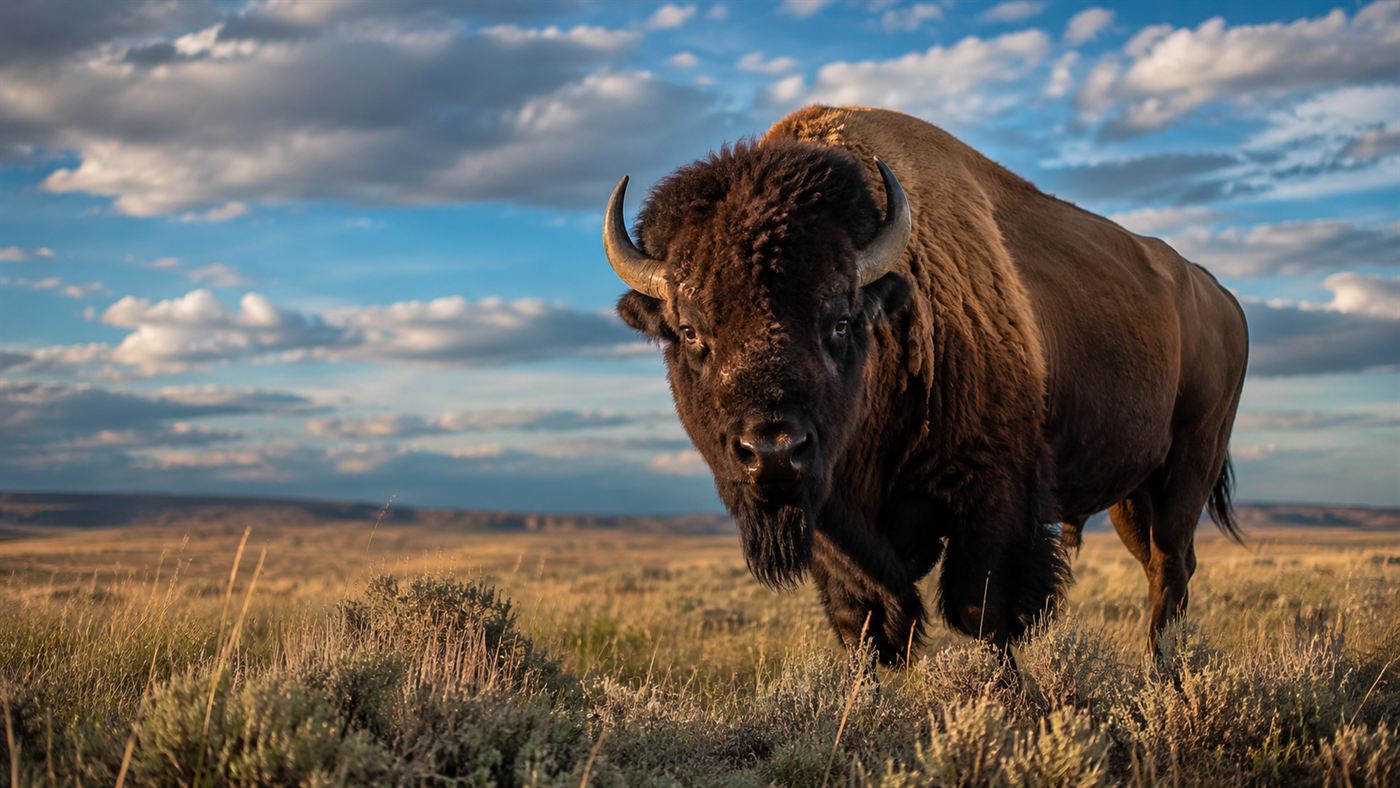
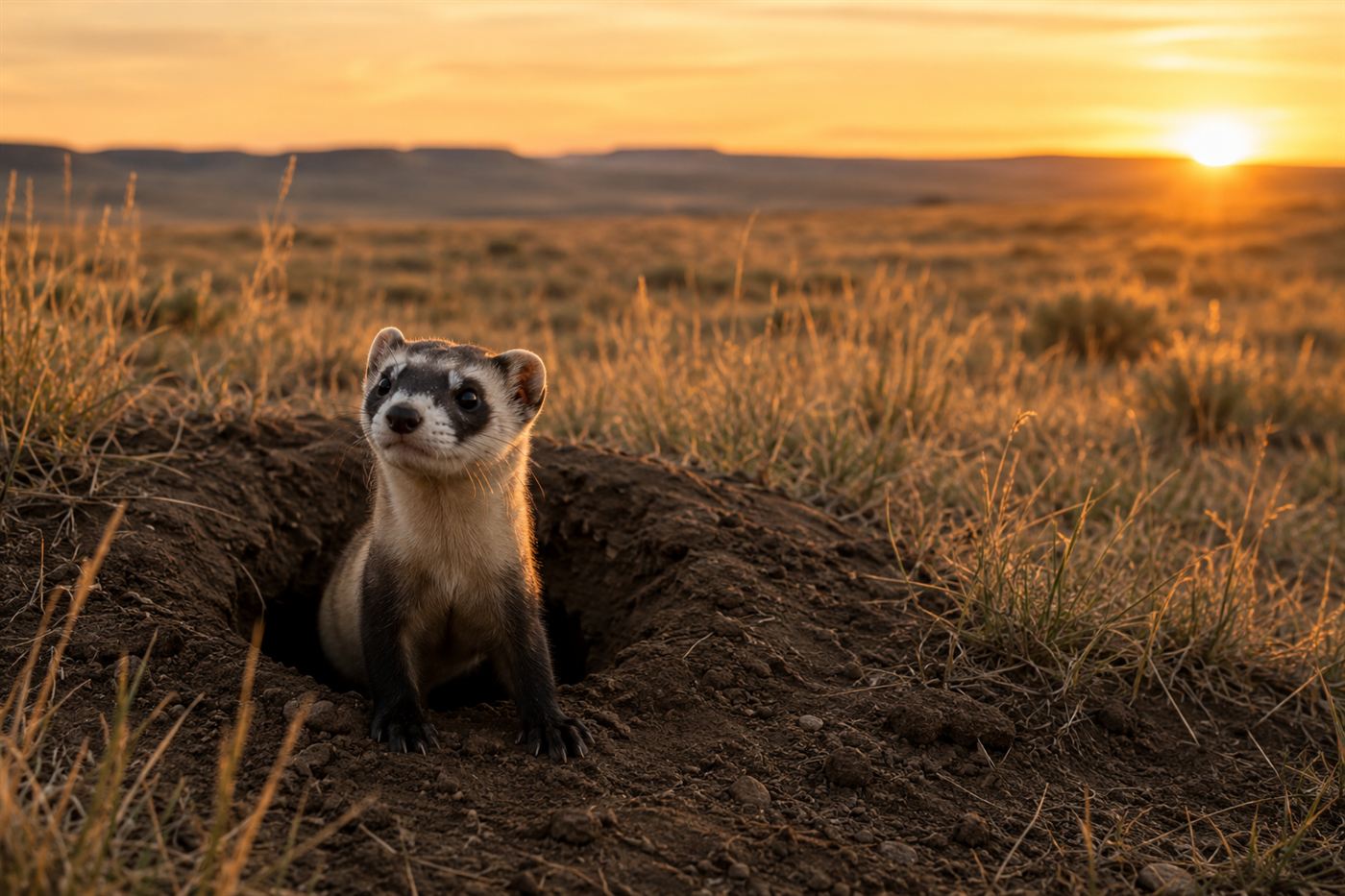
Related reading: the American bison, hunted from tens of millions to a few hundred and then pulled back from the edge. See also the black-footed ferret, declared extinct and then found again by a ranch dog.