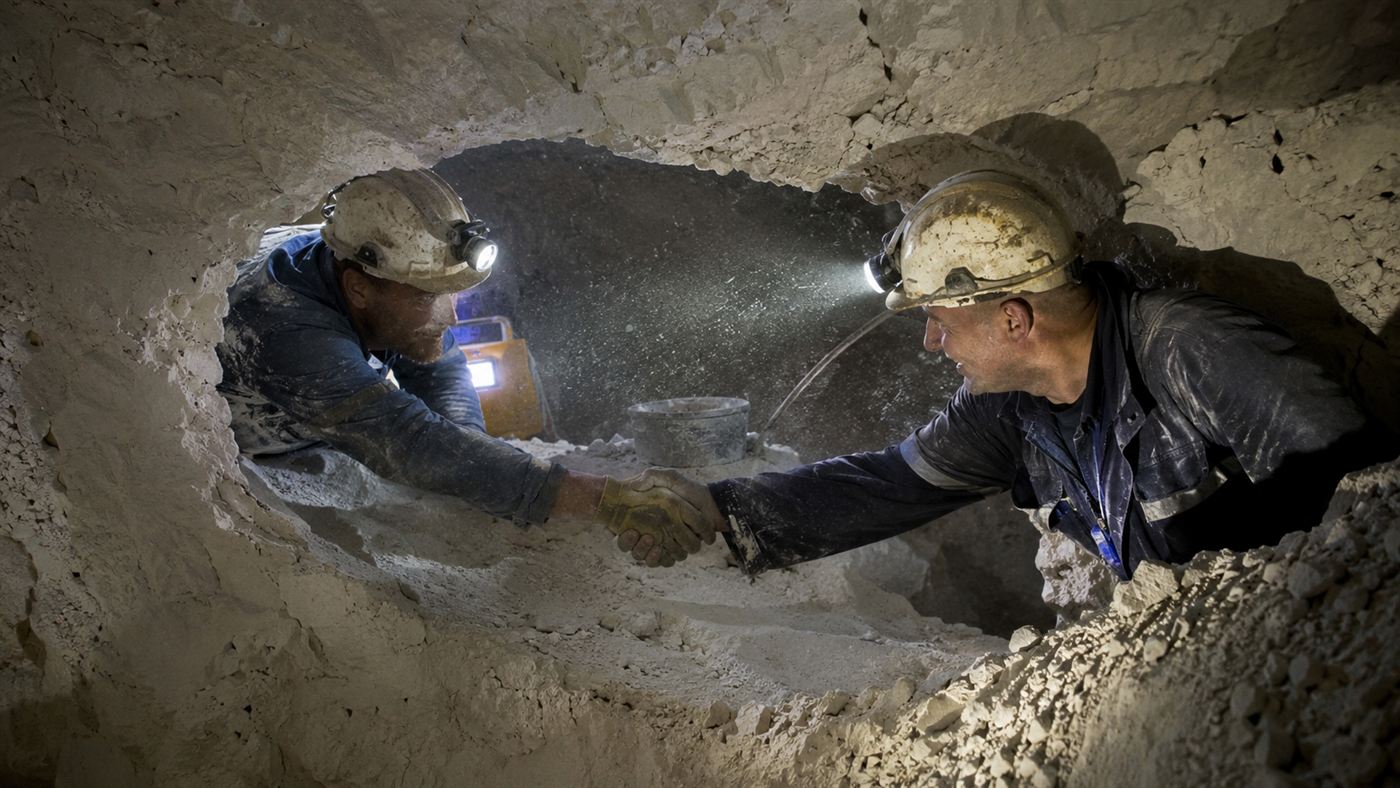
Cut off from the world by a sheer cliff, 13 villagers spent five years carving a road through solid mountain with hammers and chisels
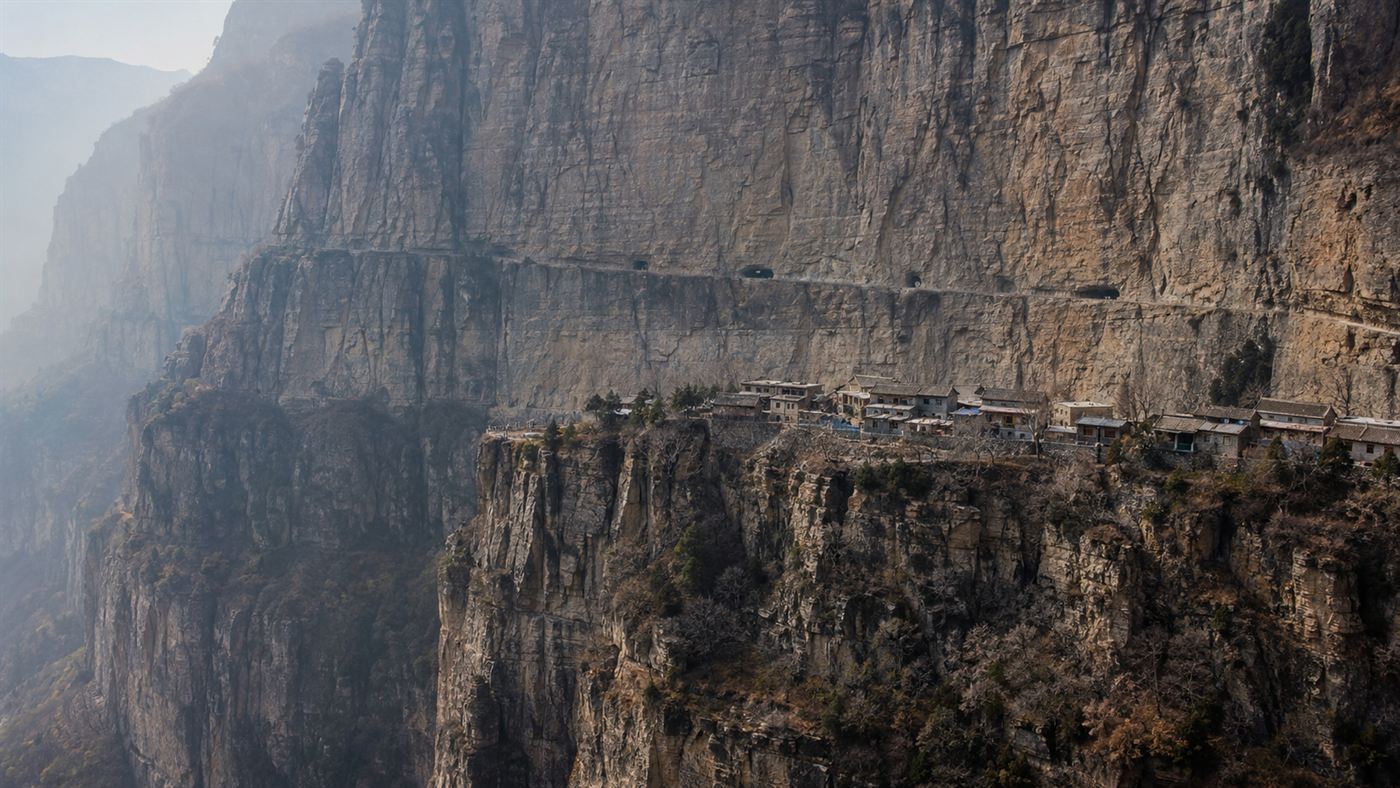
High in the Taihang Mountains of China, the village of Guoliang sat on a ledge that the modern world had forgotten. No road reached it, and the government had no plans to build one. So in 1972 the villagers picked up hammers and decided to dig their own way out, straight through the cliff. The result, the Guoliang Tunnel, is one of the most astonishing roads on Earth.
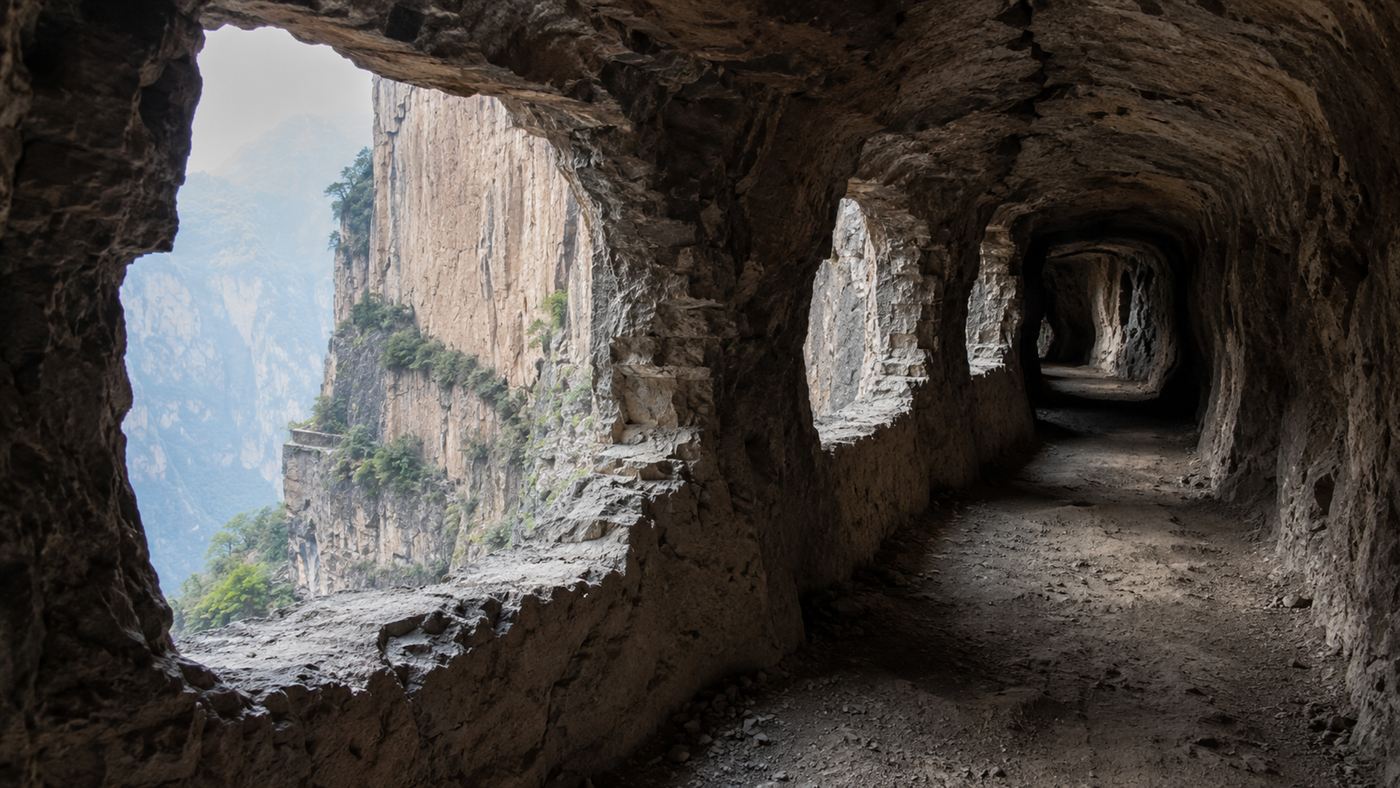
Rough openings hacked into the cliff now flood the Guoliang Tunnel with light. Illustration: Watts & Wild.
For centuries the only way in or out of Guoliang was a terrifying staircase carved into the rock face, a near-vertical scramble the locals called the Sky Ladder. Children were carried up it on backs, the sick could not leave at all, and anything heavier than a person had to be hauled by hand. When someone fell, and people did fall, the village simply absorbed the loss.
By the early 1970s the villagers had stopped waiting for help that was never coming. Led by a man named Shen Mingxin, thirteen of the strongest among them made a pact to do what no engineer had offered to: cut a road through the mountain themselves. They had no machines, no surveyors, and no money, so they sold the village's goats and other livestock to buy hammers and steel chisels.
How the Guoliang Tunnel was cut by hand
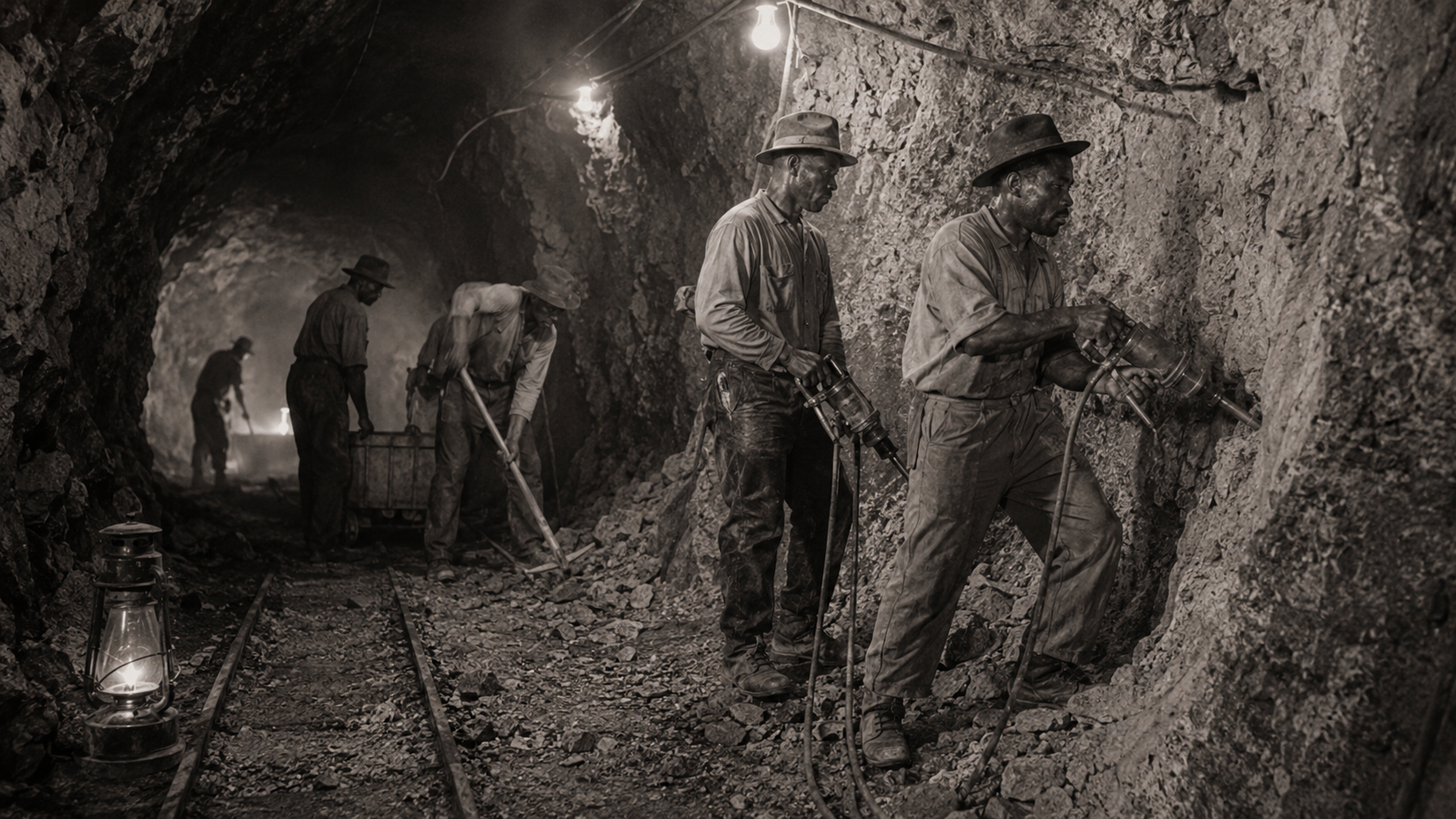
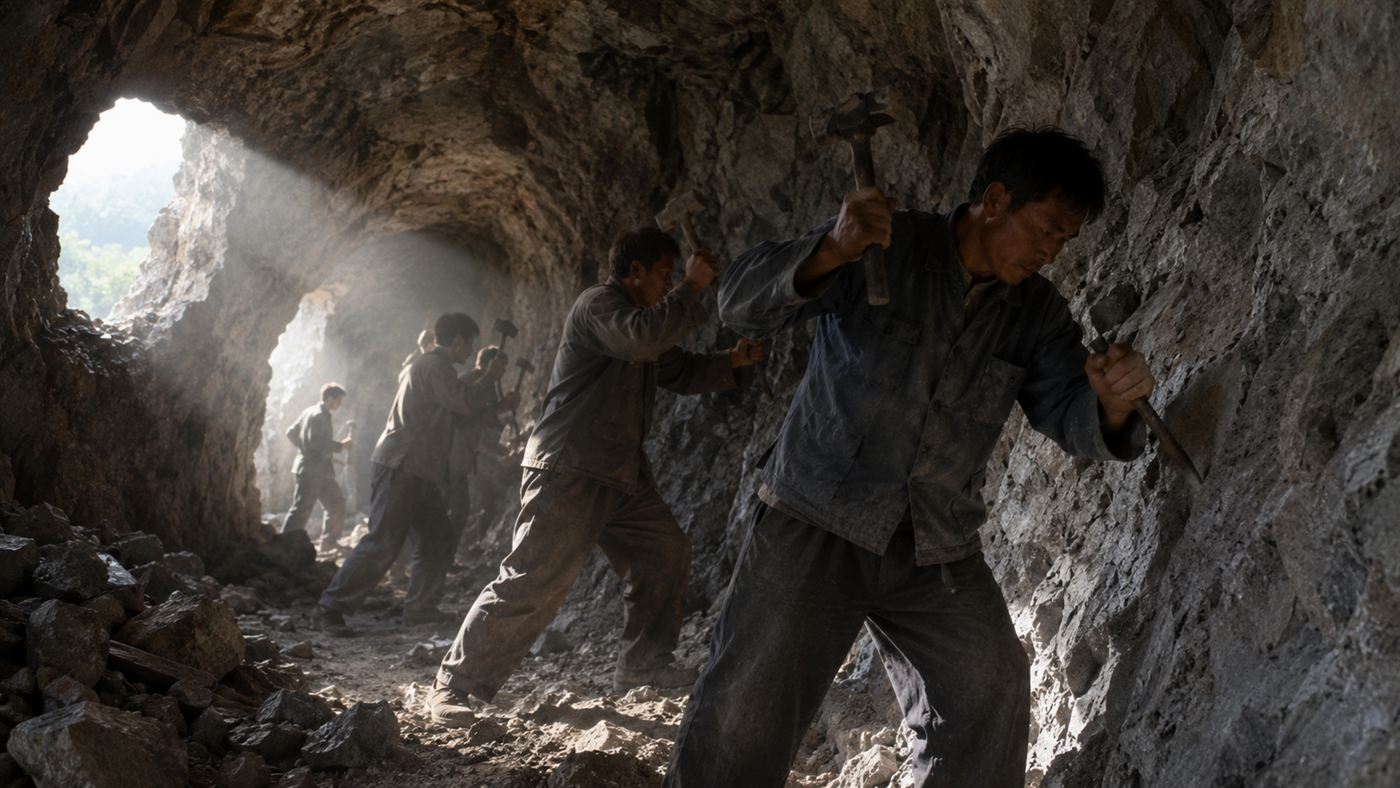
What followed was five years of brutal, patient labour. The men attacked the cliff with nothing but muscle, hammers and chisels, chipping a passage roughly five metres tall and four metres wide along and through the rock. As documented in accounts of the build, the work got through some 4,000 hammers and around 12 tonnes of steel as chisel after chisel was blunted into uselessness against the stone.
Progress was measured not in days but in centimetres. At the hardest sections, the whole team could advance the tunnel by only one metre every three days. To clear the shattered rock, they smashed more than thirty rough openings straight out through the cliff wall and shovelled the rubble into the gorge below. Those holes were never meant to be beautiful, but today they are the tunnel's signature, a row of ragged stone windows that let daylight pour in onto the road.
A road paid for in lives
The mountain did not give up its passage for free. The work was lethally dangerous, swinging at rock on the edge of a precipice with no harness and no safety net, and at least one of the diggers was killed before the job was done. When men died or were hurt, the survivors did not stop. They buried their dead, picked the tools back up, and kept chipping forward.
On May 1, 1977, the Guoliang Tunnel finally opened to traffic. After generations trapped on their ledge, the villagers could at last drive in and out of their own home. The 1.2-kilometre passage they had clawed out of the cliff was theirs, built with their hands and their losses, and it connected Guoliang to the rest of China for the first time in its history.
Why a rough little tunnel still stuns engineers
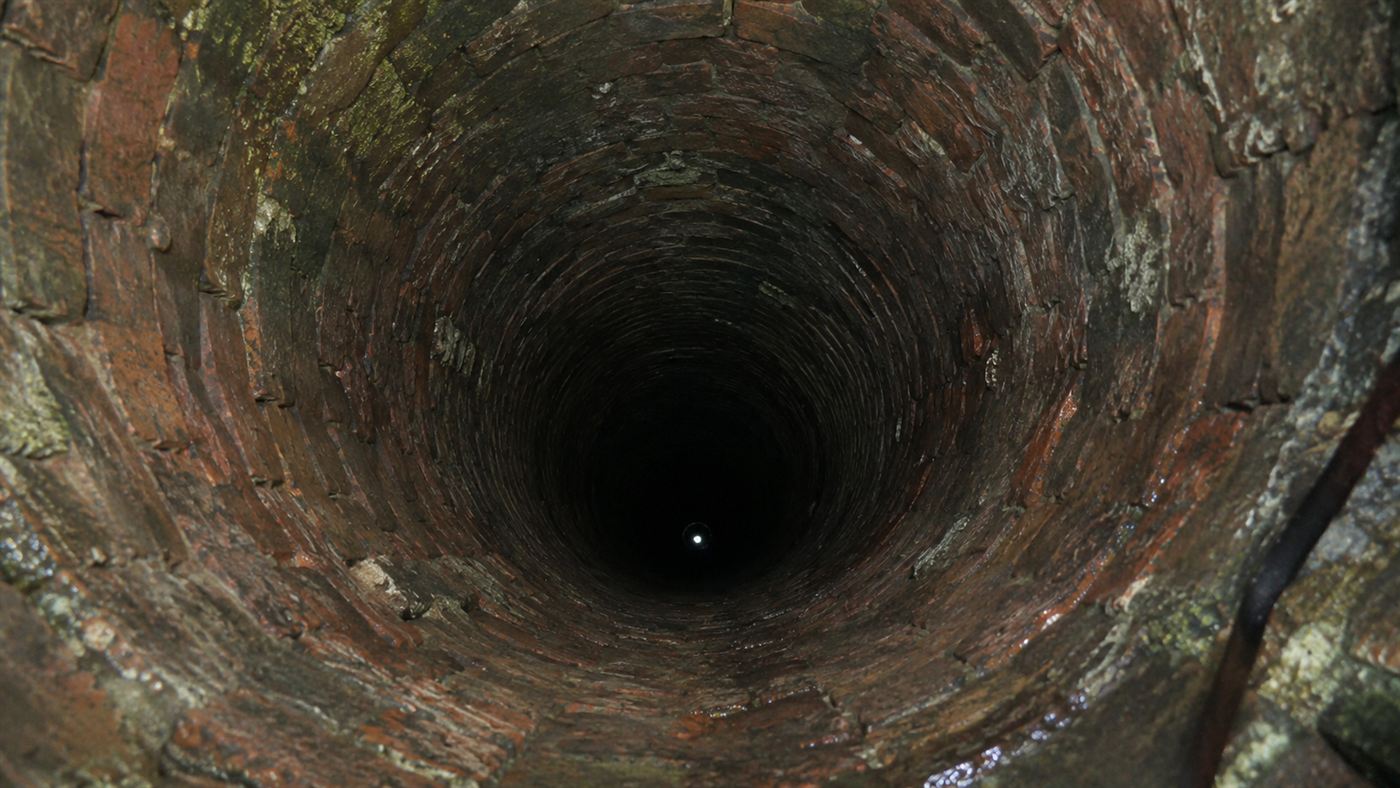
Plenty of bigger, smoother tunnels exist, bored by machines that the people of Guoliang could only have dreamed of. What makes this one extraordinary is the arithmetic of who built it. Thirteen farmers with hand tools did, in five years, what a state had decided was not worth doing at all. The road is narrow, uneven and unforgiving, and locals say it does not tolerate a single mistake at the wheel, yet it works, and it has carried traffic for nearly fifty years. It belongs on the same shelf as the Victorian paupers who hand-dug a well deeper than the Empire State Building is tall.
The honest catch
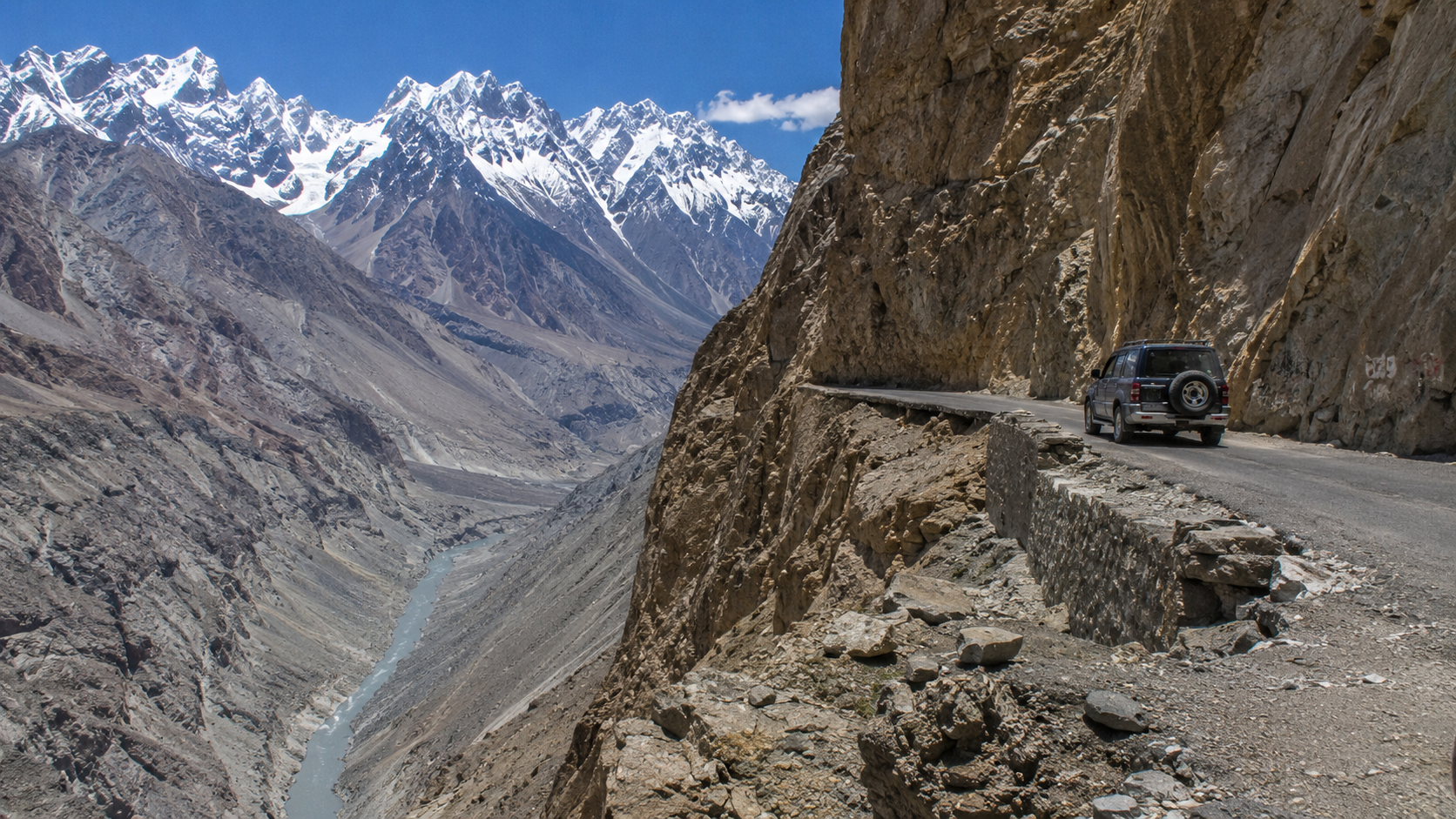
The legend has grown smooth with retelling, so a few edges are worth keeping sharp. The exact death toll is uncertain; sources agree that lives were lost but differ on how many, and the village's own memory is the main record. The tunnel that tourists drive through now has been widened and made safer than the raw 1977 cut, and the Sky Ladder still clings to the cliff alongside it. None of that shrinks the achievement. The Taihang range is the kind of place where engineering usually means giant budgets and heavy machines, much like the Karakoram Highway that cost roughly one life for every mile of mountain road. Guoliang is the rarer story: ordinary people who decided the mountain would move, and then moved it themselves.
Thirteen people with hammers refused to stay trapped, and carved a road out of a cliff that no government would build. Would you have picked up a chisel, or waited for help that was never coming? Tell us what you think in the comments.
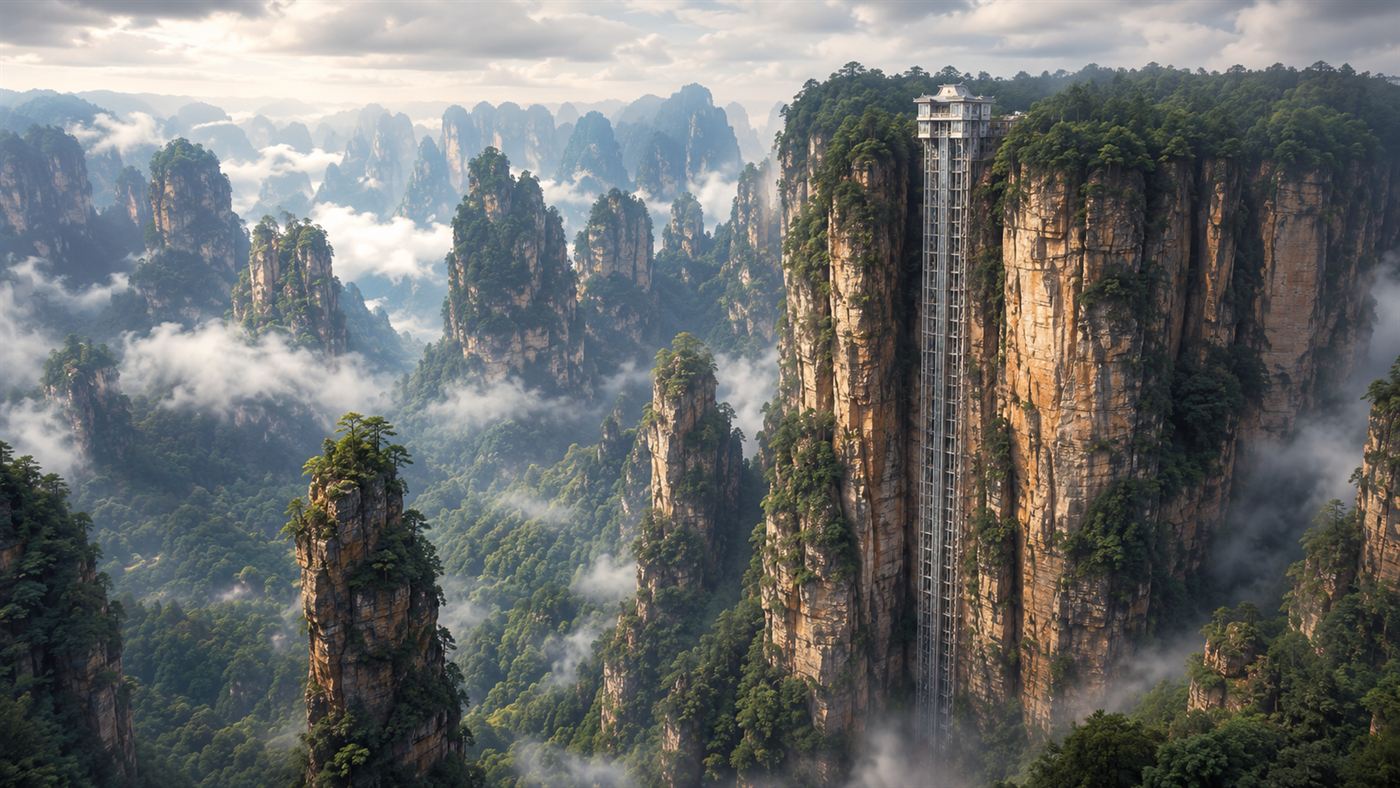
Related reading: the Bailong Elevator, a 326-metre glass lift bolted to the face of a Chinese cliff.