China built a glass elevator 300 metres up a cliff in its most beautiful park, and it split opinion
In one of China's most spectacular landscapes, a wall of glass slides up the side of a sandstone cliff. The Bailong Elevator lifts visitors more than 300 metres in under two minutes, turning an hours-long climb into a quick glass-walled ride, and it has been admired and resented in roughly equal measure since it opened in 2002.
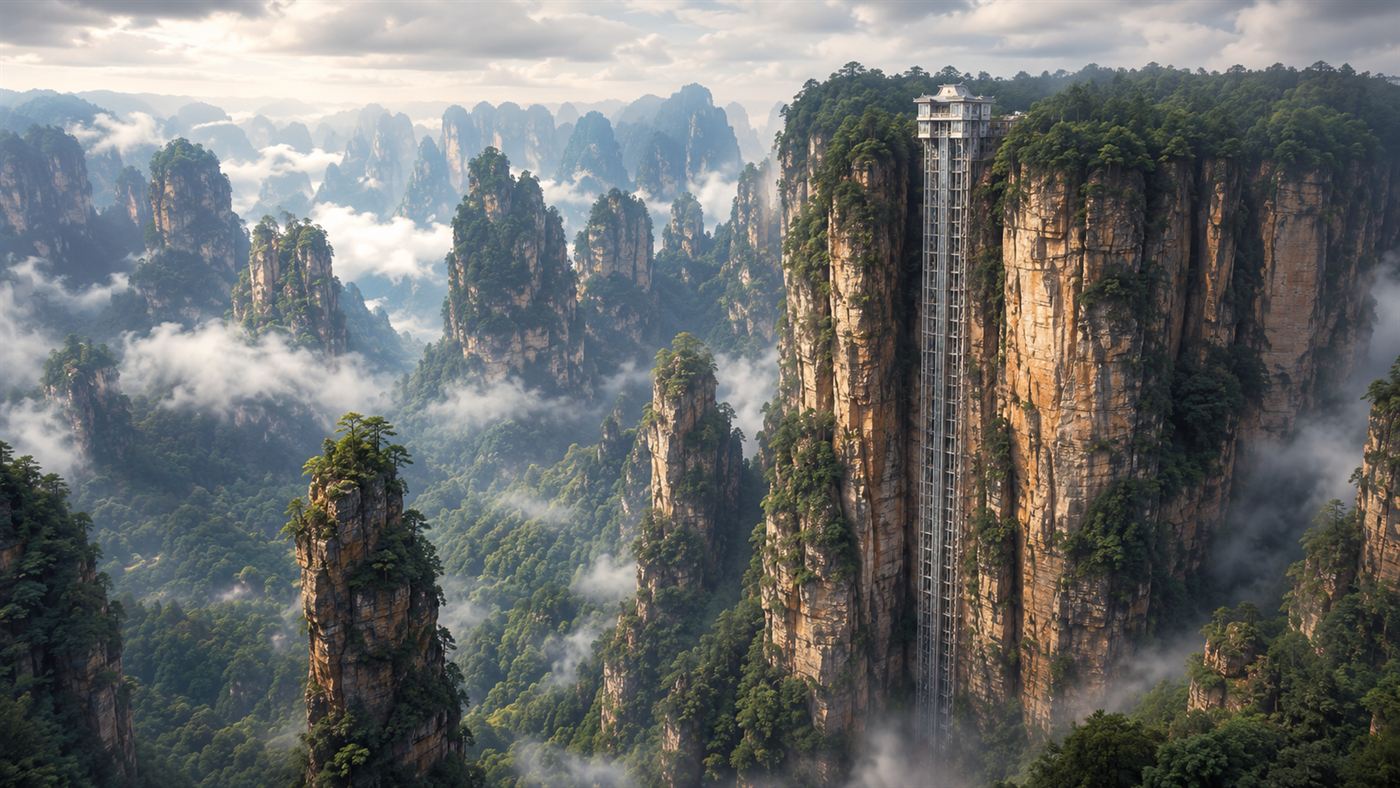
The glass lift clings to a quartzite cliff among the Zhangjiajie pillars. Illustration: Watts & Wild.
Most great views ask you to earn them with a long, sweaty climb.
At one cliff in southern China, you can instead step into a glass box and be at the top before your ears finish popping.
What is the Bailong Elevator? The Bailong Elevator is a glass-sided outdoor lift built into a sandstone cliff in Zhangjiajie, China. Opened in 2002, it carries visitors more than 300 metres up the rock face in about one to two minutes, replacing a long hike to the top of the park.
The Bailong Elevator, a glass lift up a cliff
The Bailong Elevator rises about 326 metres up a sheer cliff in the Wulingyuan area of Zhangjiajie, in Hunan province.
Its name translates as something like the Hundred Dragons Sky Lift, and it is often billed as the tallest outdoor elevator in the world.
The lower part of the shaft is bored straight into the rock, while the upper section runs up an exposed steel-and-glass tower bolted to the cliff.
Riders stand in glass-walled cars and watch the sandstone drop away beneath their feet as the valley opens up.
In under two minutes, a journey that once took a long uphill hike is simply over.
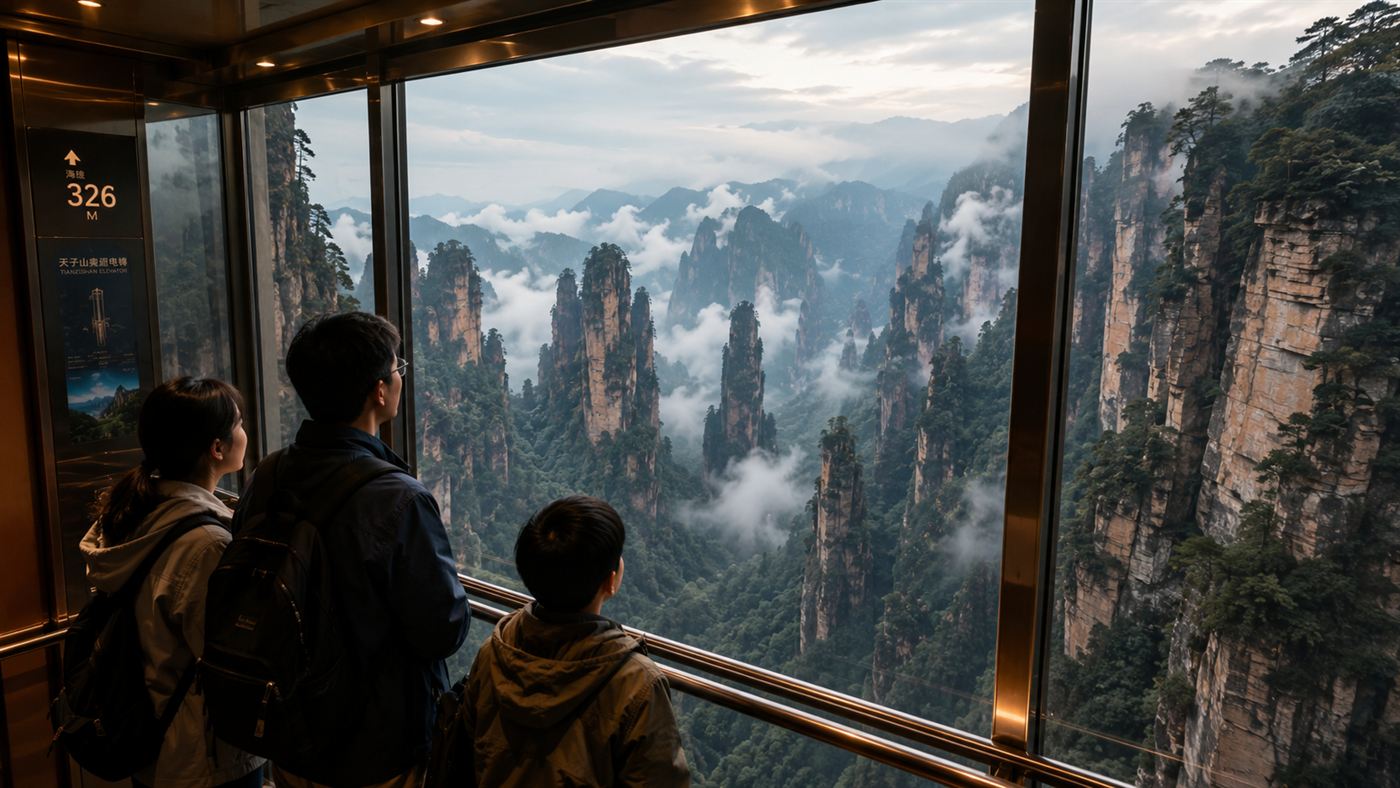
The mountains that inspired Avatar
The setting is what makes the whole thing so striking.
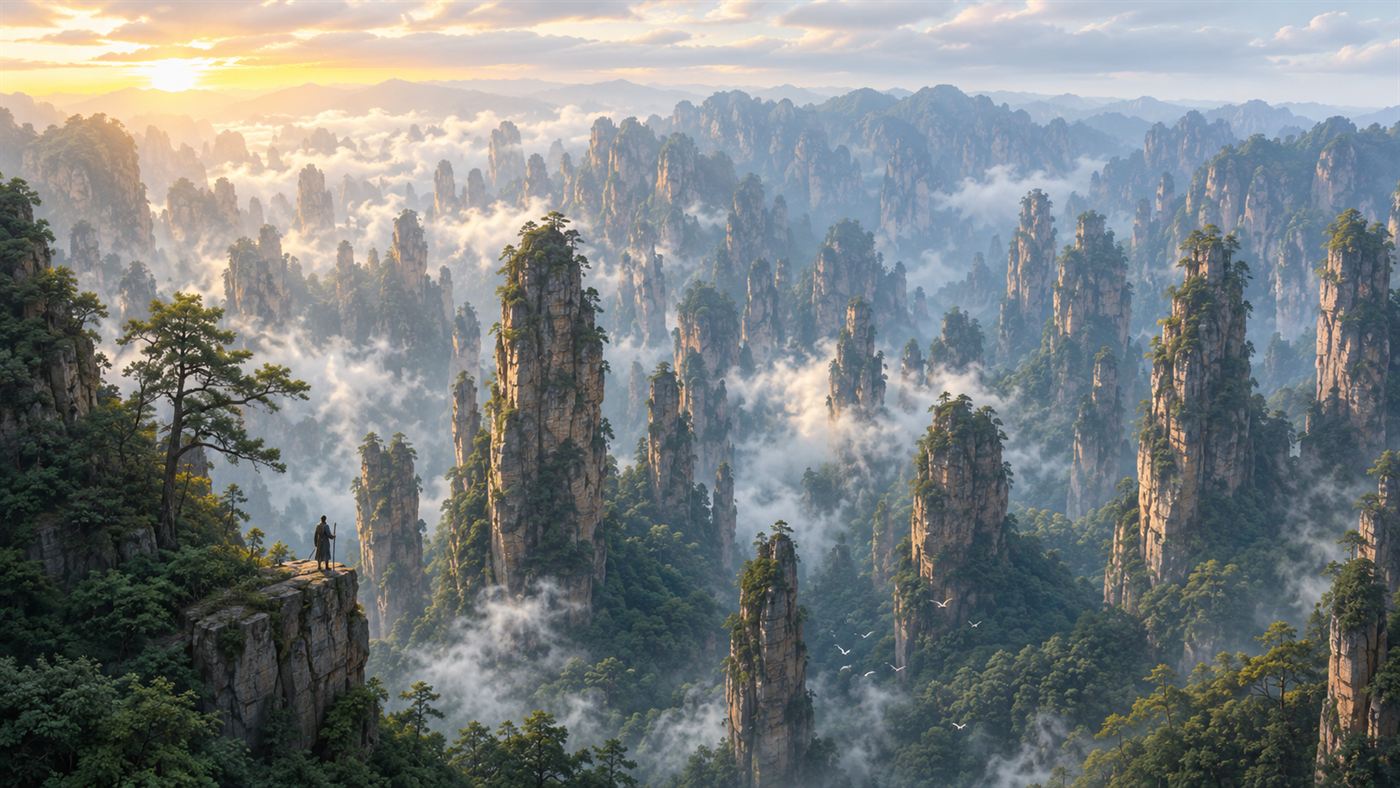
Wulingyuan is famous for thousands of towering quartzite sandstone pillars, many of them hundreds of metres tall.
The columns rise straight out of the forest, often wrapped in drifting cloud that hides their feet.
The scenery is widely cited as an inspiration for the floating Hallelujah Mountains in the film Avatar.
It is also a protected UNESCO World Heritage Site, which is exactly where the trouble begins.
How it moves the crowds
The elevator was built to solve a very real problem of human traffic.
Zhangjiajie draws enormous numbers of visitors, and getting them up to the high viewpoints on foot is slow and tiring.
The lift uses several double-deck glass cars, each able to carry dozens of people at a time.
Running in a steady cycle, it can move many thousands of sightseers up and down the cliff every hour.
For an aging visitor or a tired family, it turns a punishing climb into a gentle ride.
Records and superlatives
The Bailong Elevator has collected the kind of records that tourist boards love.
It has been described as the tallest and heaviest outdoor lift ever built, and it has appeared in record books to that effect.
It serves the wider Zhangjiajie National Forest Park, one of China's most visited natural attractions.
Those superlatives are a big part of its appeal, and plenty of people ride it as much for the bragging rights as the view.
But the records also point straight at the reason it remains so divisive.
The honest catch
It is worth being honest about the cost of all that convenience.
Conservationists and UNESCO criticised the idea of bolting a giant steel-and-glass structure onto a pristine natural cliff.
To many, the lift scars the very scenery that people travel across the world to admire.
It was reportedly shut for a period not long after opening, over questions about safety and its place inside a protected site, and several of its grand records are contested rather than settled.
The elevator eases the crush of visitors, yet it also funnels even more of them to the same fragile clifftops, which is the quiet trade-off behind the spectacle.
The Bailong Elevator captures a tension running through modern travel, the urge to make wild places easy without spoiling what made them worth the trip.
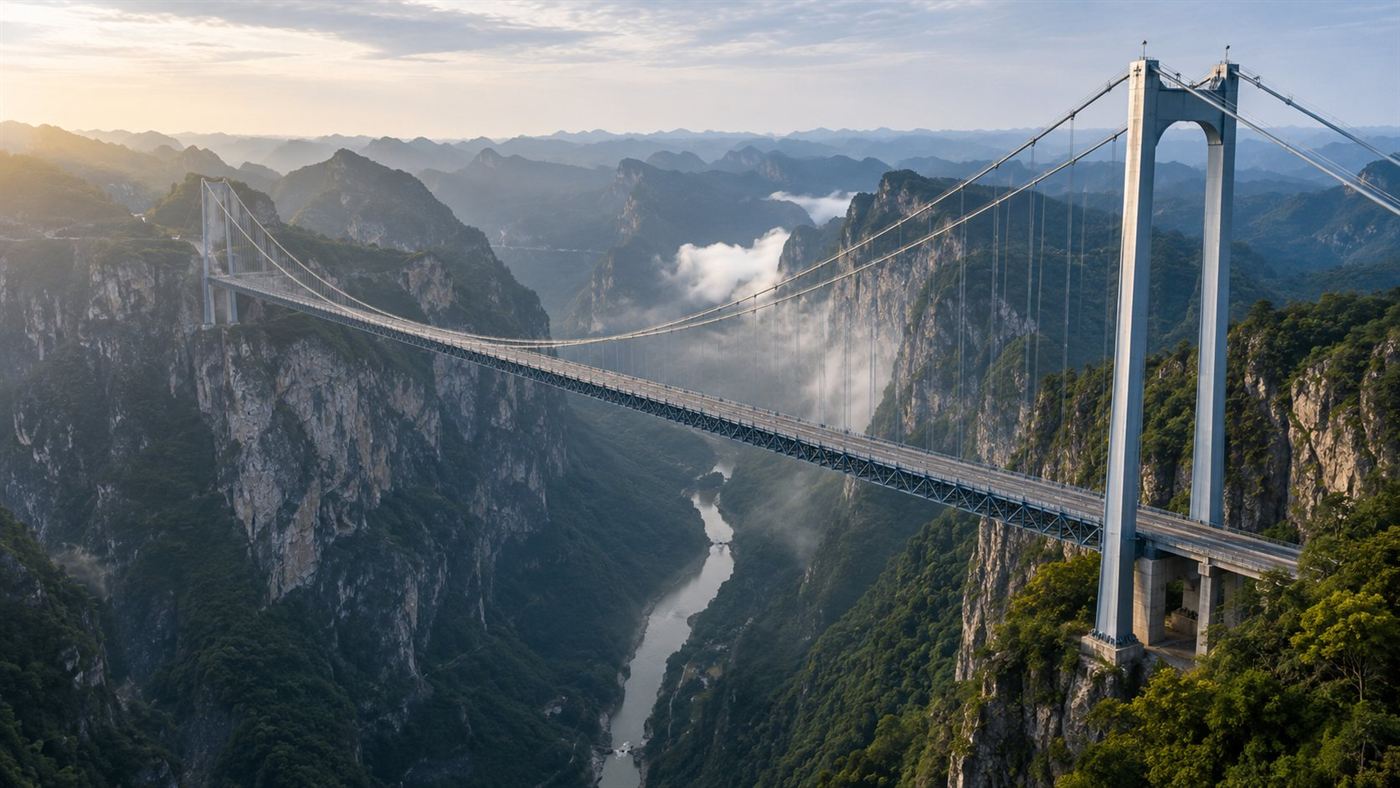
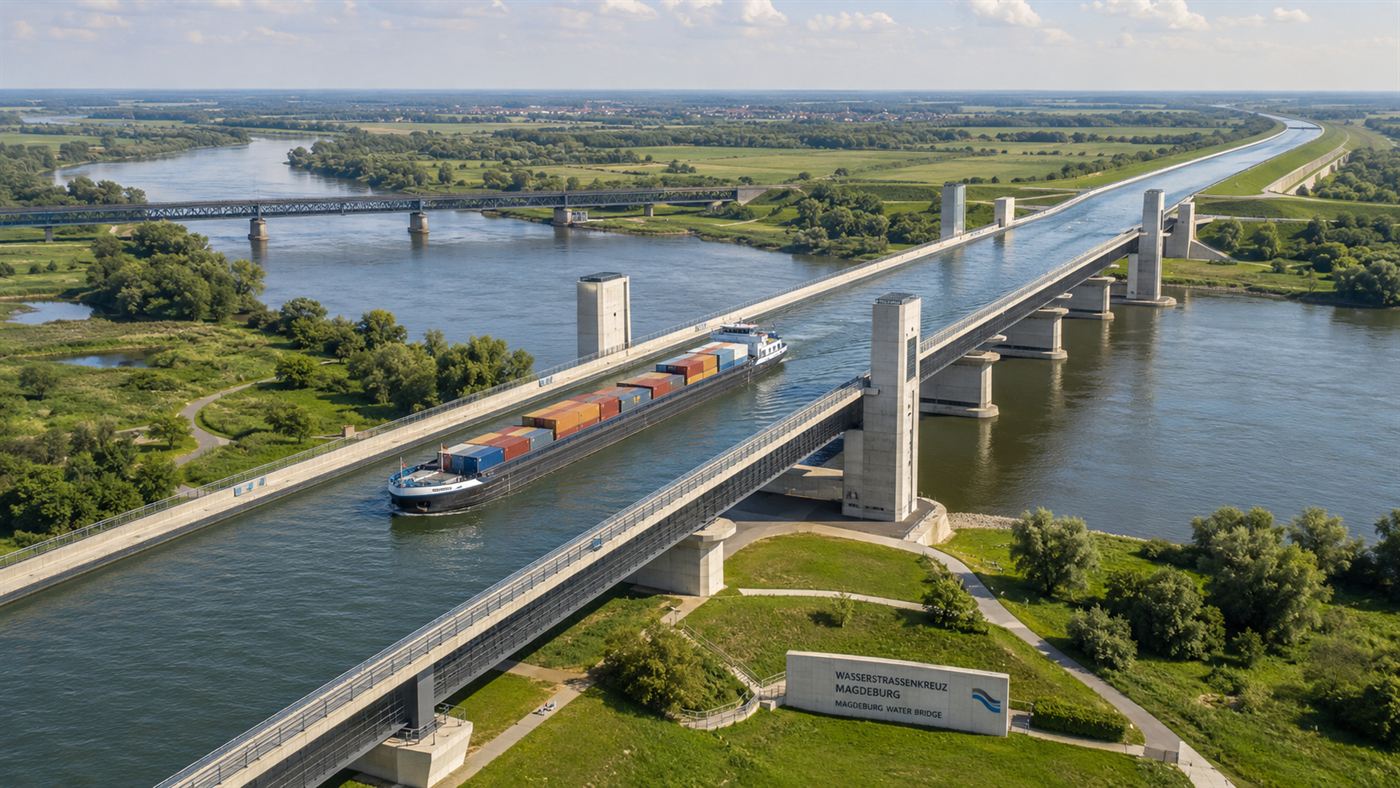
It belongs with the other bold structures that bend a dramatic landscape to human convenience, from the bridge slung across the world's deepest canyon to the aqueduct that carries a canal over a river.
If a glass lift can hand you a mountaintop view in two minutes, is that a gift that opens the wild to everyone, or a theft of the effort that gave the view its meaning, and would you ride it? Tell us in the comments.