A single stowaway snake ate almost every bird on a Pacific island, then started knocking out the power, and there is still no way to get rid of it
Somewhere around the end of the Second World War, a few Guam brown tree snake stowaways slithered off a cargo ship onto an island that had never known a snake. With no predators and endless food, they multiplied into millions, devoured the island's birds one species at a time, and then turned on the power grid.
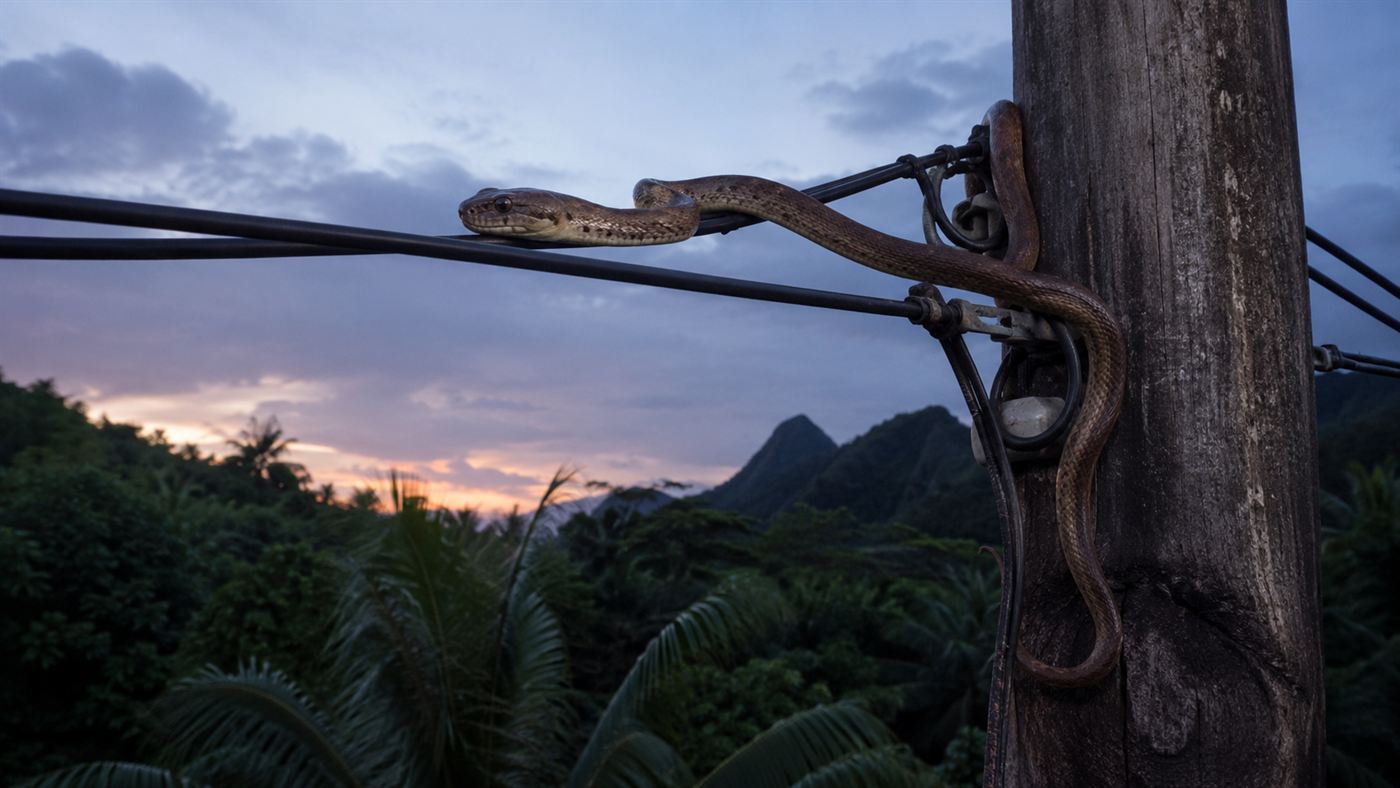
A brown tree snake on the lines: the cause of dozens of power outages a year on Guam. Illustration: Watts & Wild.
Guam, a US territory in the western Pacific, had no native land snakes at all. As the US Geological Survey documents, the brown tree snake almost certainly arrived in cargo shortly after the war, probably among military equipment shipped in from the South Pacific. For an island whose wildlife had evolved with no defence against a climbing, nocturnal predator, it was a slow-motion catastrophe.
The snake found paradise. Birds that had never needed to fear a snake nested in the open, their eggs and chicks an easy meal, and the population swelled to extraordinary numbers. At its peak, Guam carried something like one to two million snakes across an island of only 200 square miles, among the densest snake populations ever recorded anywhere on Earth.
How the brown tree snake silenced Guam
The result was an ecological massacre. Before the snake arrived, Guam had 12 species of native forest bird. As researchers have catalogued, 10 of those 12 are now extinct on the island, and the last two cling on in tiny numbers. The Guam flycatcher is simply gone from the world. The Guam rail and the brilliant Guam kingfisher vanished in the wild and survive only because a handful were rushed into captivity.
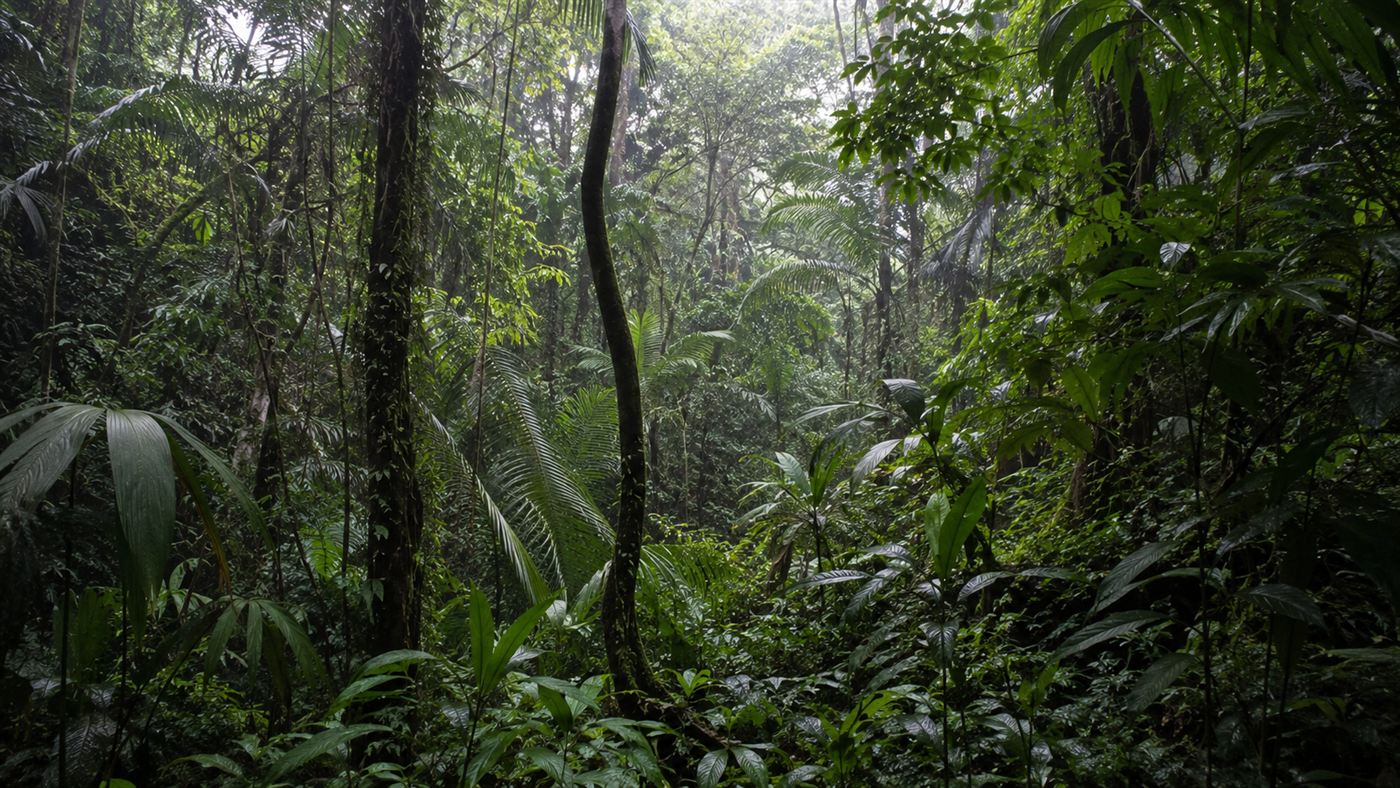
With the birds went the birdsong. Visitors describe a forest that looks lush and tropical but is eerily, unnaturally silent, a jungle with almost no birds in it. The silence has consequences far beyond sound: without birds to eat them, the island's spider population exploded, and without birds to spread seeds and pollinate, the forest itself is slowly changing.
When the snake came for the lights
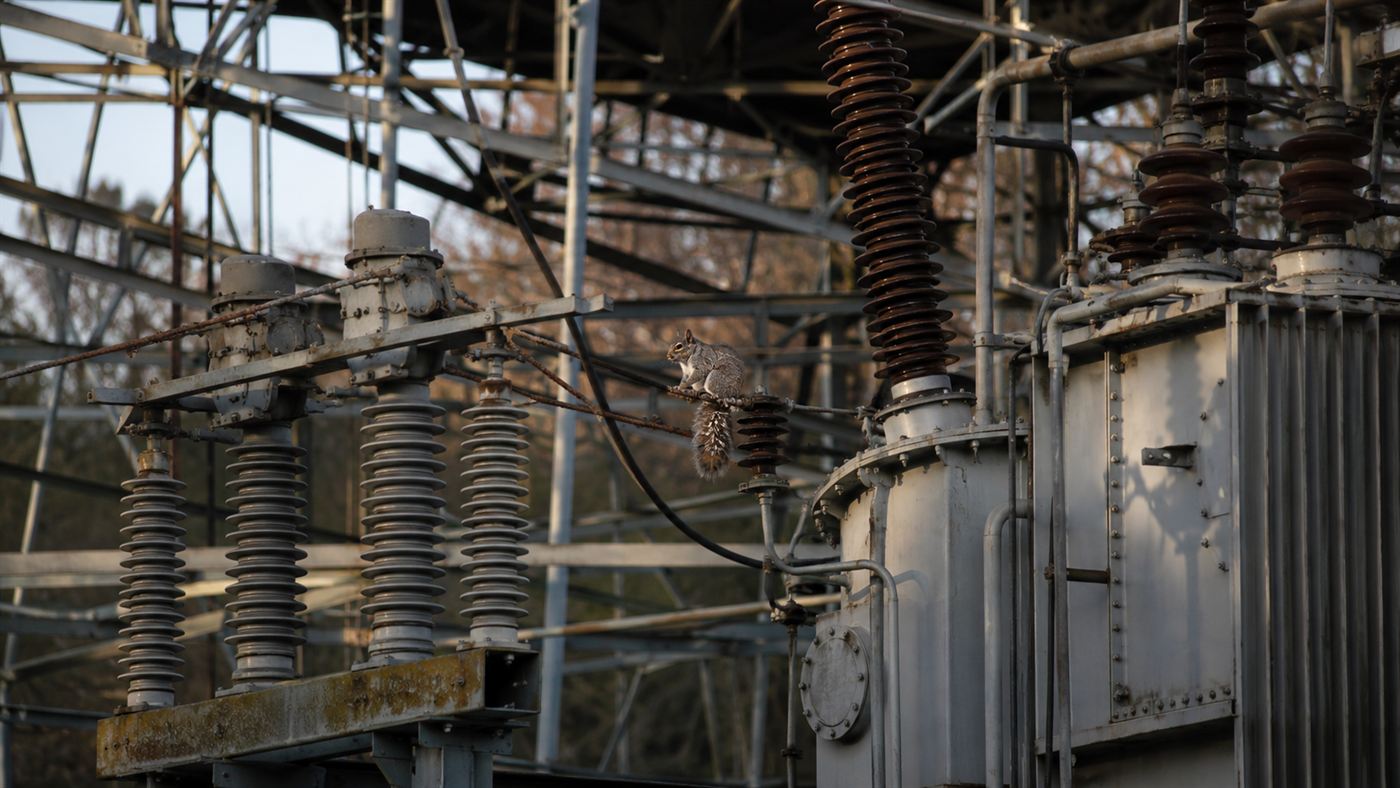
Having run out of easy birds, the snakes climb everything, including the power grid. Brown tree snakes are superb climbers, and they swarm up utility poles and into transformers, where a single snake bridging two live parts causes a short circuit. As the documented record notes, in the 1990s the snakes were causing an average of more than 130 power outages a year, and they still trip the grid dozens of times a year today. A snake nobody invited blacked out the birds and then started blacking out the electricity.
Each outage is more than an inconvenience on a small island that depends on refrigeration, hospitals and a military base. The cumulative cost runs into millions of dollars, and the snake has effectively become a permanent line item in Guam's infrastructure budget, a wild animal that behaves like a chronic fault in the system.
The honest catch
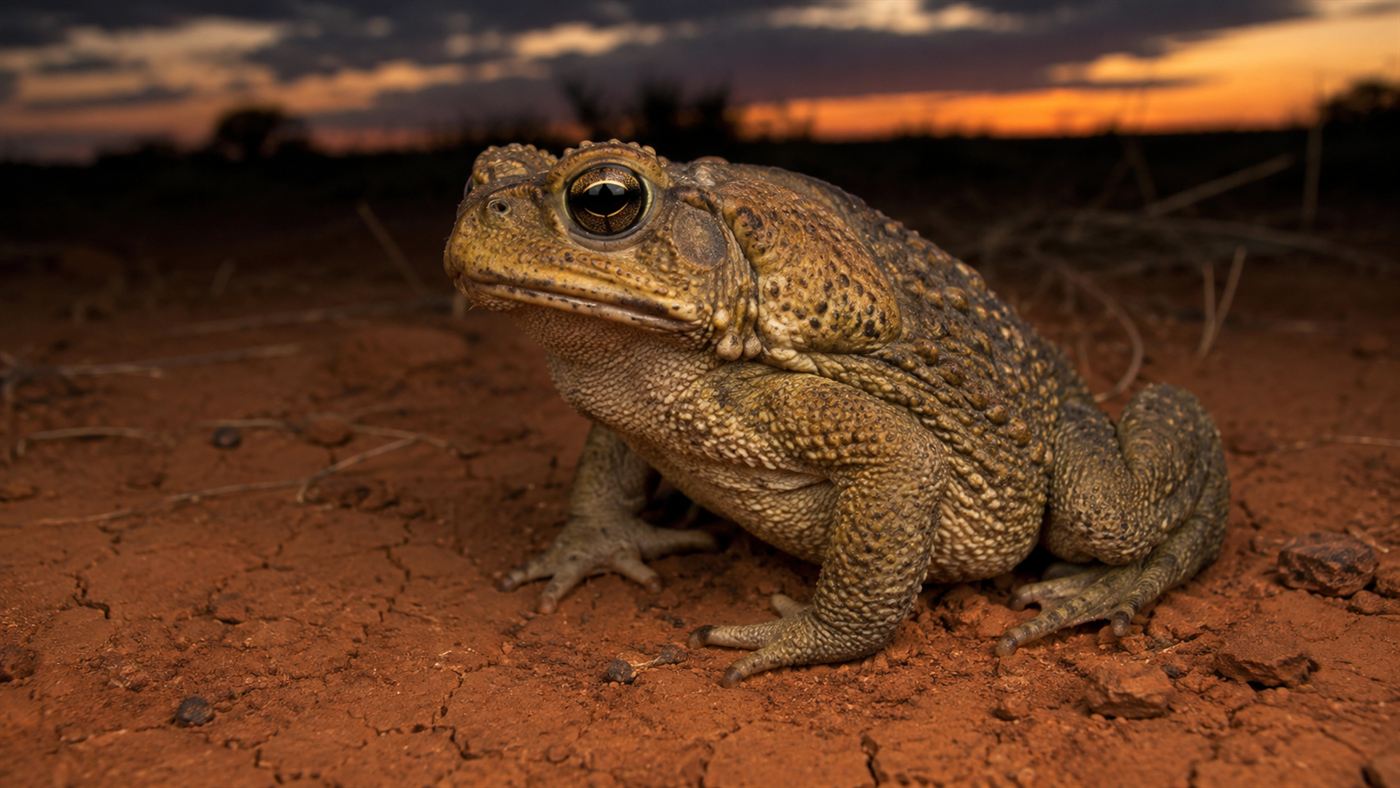
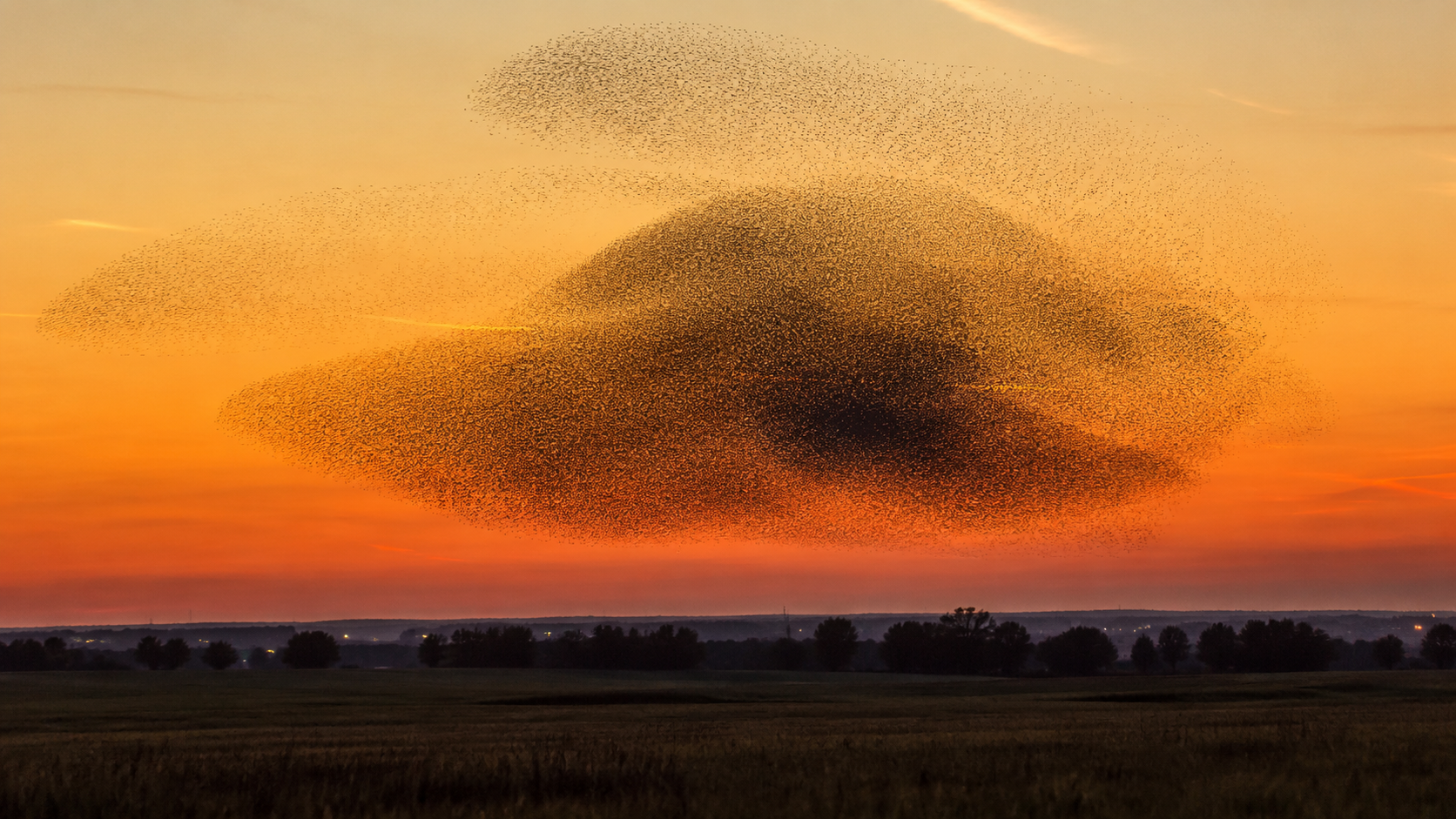
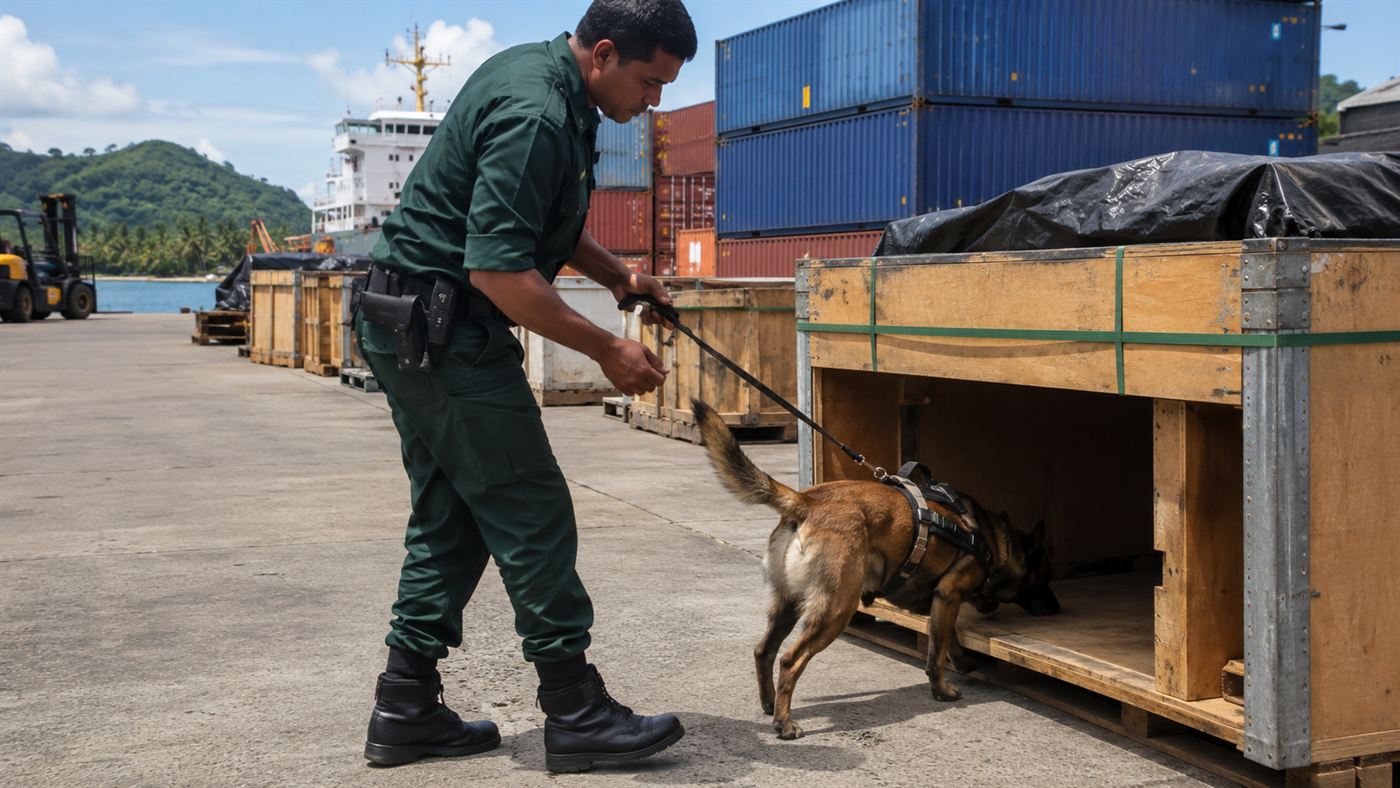
Here is the sobering part: nobody seriously expects to remove the snake from Guam. An established population this large, hidden in dense jungle, is considered all but impossible to eradicate, so the real fight is containment. Teams use detector dogs to search outbound cargo, traps around the ports, and an ingenious aerial control method, baiting the snakes with dead mice laced with a common painkiller that is lethal to them, dropped into the forest canopy. The grim priority is making sure the brown tree snake never repeats this on the next island, especially Hawaii, where it could do the same damage all over again. The outage figures bounce around from year to year, and a few captive-bred birds are slowly being returned to small snake-free islands, which is a sliver of hope. But the core lesson is brutal and simple. One careless cargo hold let a single species silence an island's birds and destabilise its power, and decades of effort and millions of dollars later, it is still there. It belongs in the same grim file as the cane toads unleashed across Australia and the starlings that spread from one man's whim to 200 million birds.
One stowaway snake emptied a forest of its birds and turned itself into a permanent fault in the power grid, and we still cannot undo it. When an invader is here to stay, is containment the best we can ever really hope for? Tell us what you think in the comments.
Related reading: why squirrels cause more documented power blackouts than hackers do.