The recluses buried alive by the mountain of junk they collected
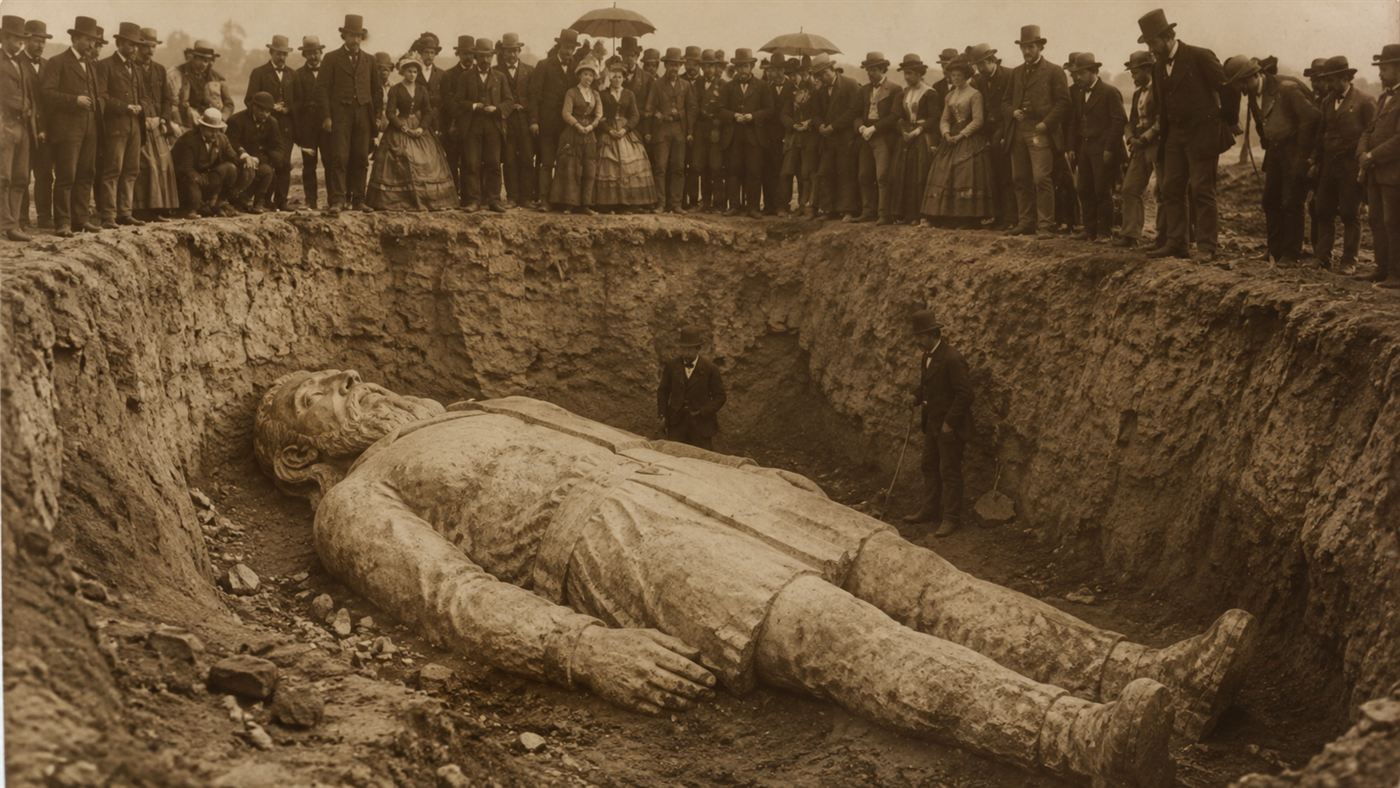
In a grand old brownstone in Harlem, two brothers spent decades shutting out the world, filling room after room with newspapers, books and broken treasures until the house became a labyrinth of teetering rubbish. To keep strangers out, one of them rigged the tunnels with traps. In 1947 the police finally forced their way in and uncovered a quietly horrifying tragedy. The Collyer brothers had been killed by their own hoard.
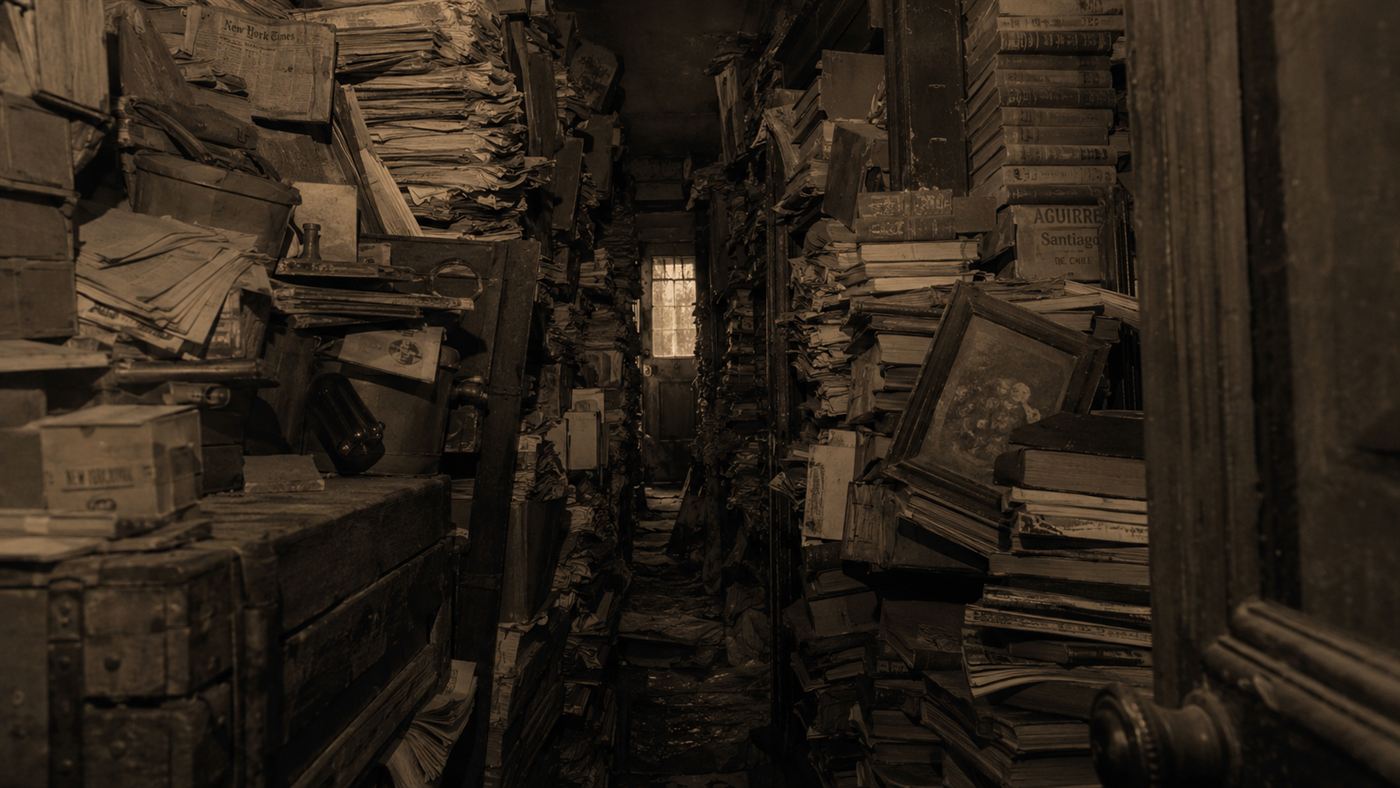
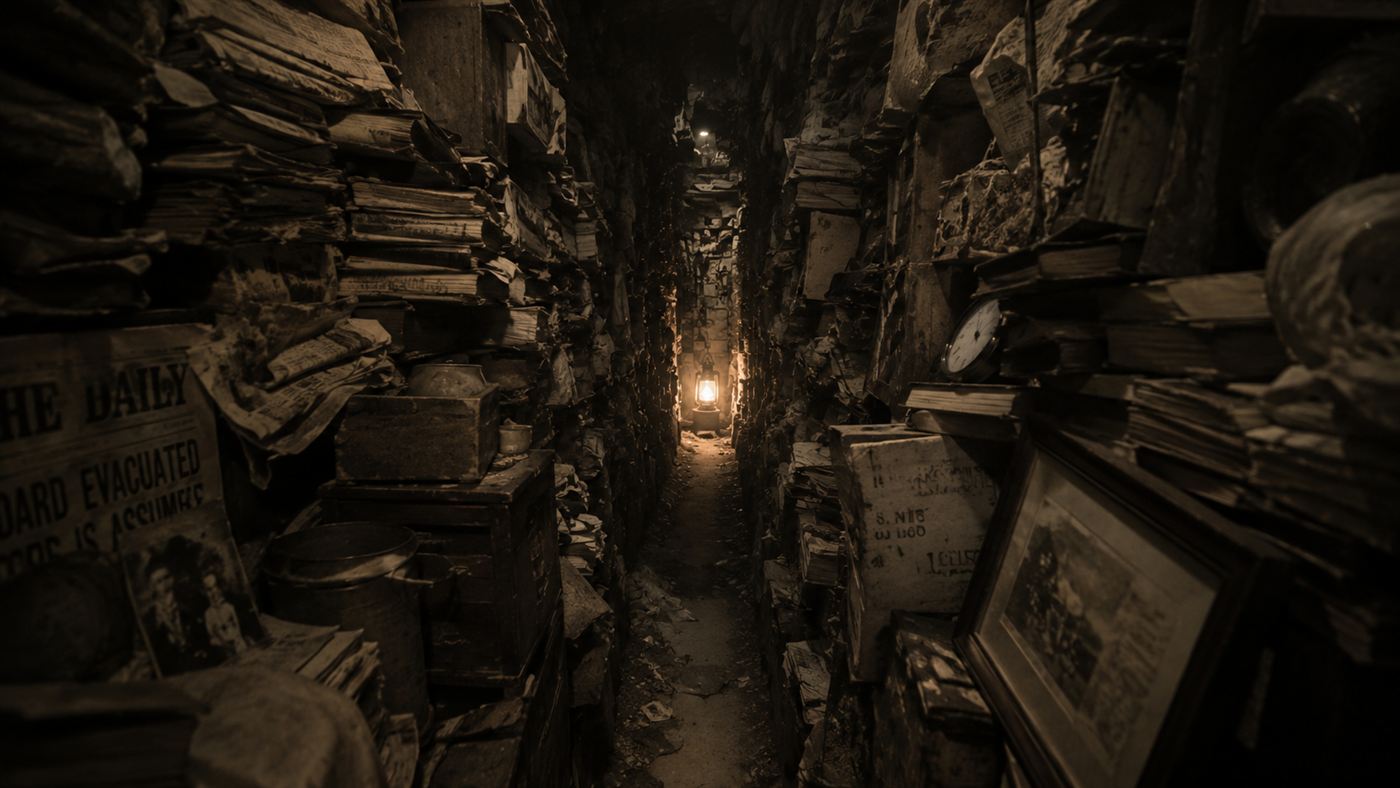
Rooms filled to the ceiling with decades of hoarded junk. Illustration: Watts & Wild.
It is a story that has haunted New York for generations, equal parts grim fairy tale and genuine human tragedy. Behind the legend of the junk-filled house is something sadder and more tender than the headlines suggest: a brother caring for a brother, until the care itself turned deadly.
To understand how it ended, you have to understand how completely the two men had withdrawn from the world.
Two brothers and a fortress of junk
Homer and Langley Collyer were not the strange tramps people imagined. They came from a wealthy New York family and were well educated, Homer trained in law and Langley a talented engineer and pianist. But over the years they retreated into their Harlem brownstone, cut off the gas, water and electricity, and began filling the house with an extraordinary hoard that eventually weighed around 140 tons.
Inside were stacks of old newspapers saved for years, thousands of books, more than a dozen pianos, the chassis of an old car, and countless other objects packed from floor to ceiling. To move through the house at all, the brothers crawled along narrow tunnels they had carved through the rubbish. And because Langley feared intruders and burglars, he wired some of those tunnels with booby traps, balanced piles of junk rigged to collapse on anyone who came through uninvited.
A brother's care turns deadly
At the heart of the hoard was an act of devotion. Homer had gone blind and become paralysed, and the younger Langley had taken on the role of his sole carer, feeding him, tending him, and refusing all outside help, even doctors.
Langley moved through the tunnels to bring food and water to his helpless brother, the one fragile thread keeping Homer alive in the dark. It was a strange, isolated existence, but it functioned, just, on Langley's constant care. Everything depended on him being able to make that crawl through the junk, day after day. The traps that were meant to protect the brothers from the outside world had quietly turned their own home into a place where a single misstep could be fatal.
What the police found
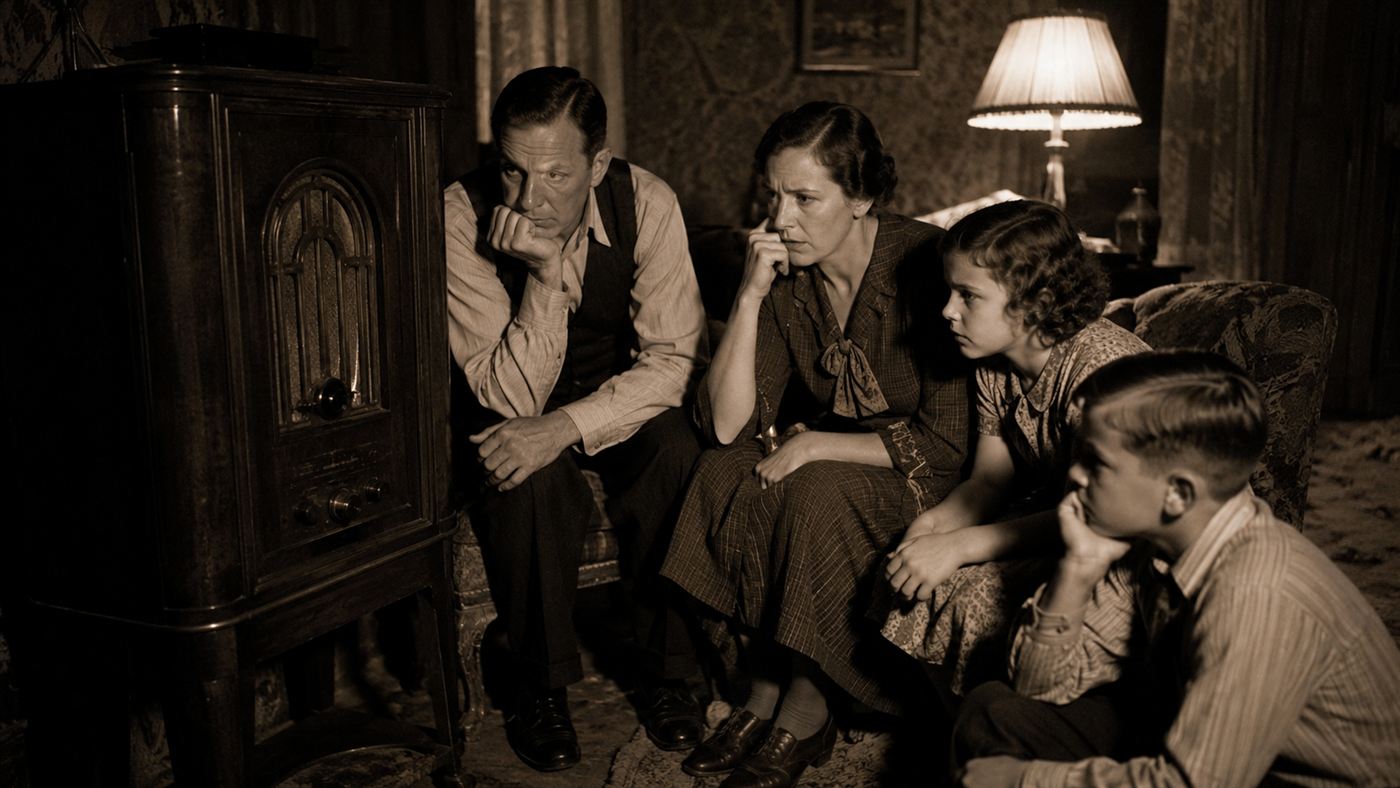
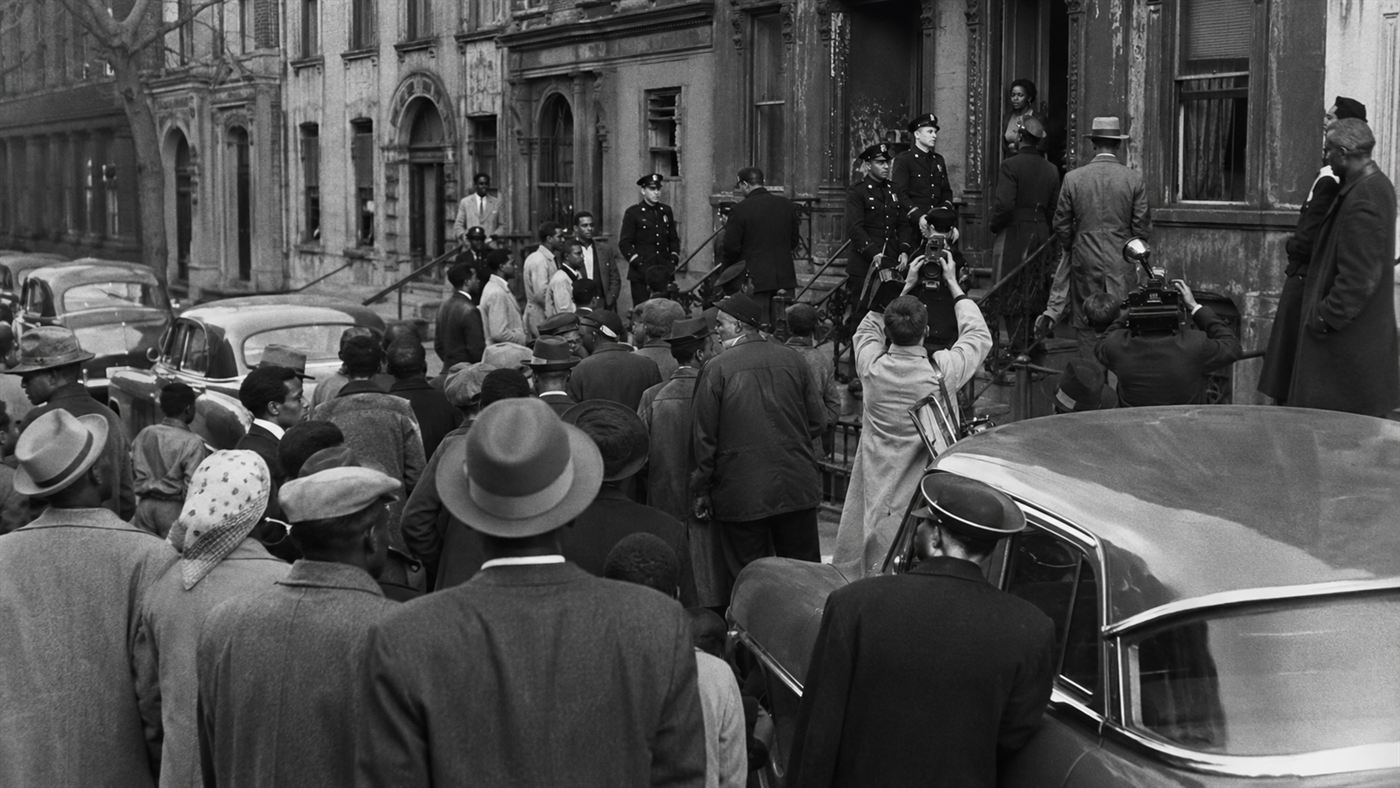
In March 1947 an anonymous tip reported a death at the house, and police arrived to find they could barely get inside, the doors and halls solidly blocked with debris. After clawing their way in, they found Homer dead of starvation, but Langley was nowhere to be seen, sparking a frantic citywide search for the missing brother.
The truth, when it came, was heartbreaking. Langley had been in the house the entire time. Crawling through a tunnel to bring Homer his food, he had triggered one of his own booby traps, and the avalanche of junk had crushed and suffocated him just feet from his brother. Homer, blind and paralysed and utterly unable to fend for himself, had then slowly starved to death in the darkness, waiting for the help that would never crawl through to him again. Langley's body was found weeks later, buried only a short distance away beneath the debris.
Who were the Collyer brothers?
Not freaks, but two frightened, isolated men. The Collyer brothers were educated sons of a well-off New York family who slowly withdrew from society into a hoarded, boarded-up Harlem house, where Langley cared for his blind, paralysed brother Homer in near-total seclusion.
It is worth being careful with their story. Over the years the lurid details have been exaggerated, and it is easy to treat them as a freak show. But underneath is something painfully human: what looks like compulsive hoarding and paranoia was almost certainly serious mental illness, untreated, in two people who had lost their grip on the outside world and clung only to each other.
How did the Collyer brothers die?
One was killed by his own trap; the other was left helpless. Langley was crushed by a booby trap he had set as he carried food to Homer, and Homer, unable to move or see, then died of starvation only feet away.
That is the detail that gives the story its terrible weight. The traps were built out of fear, to keep the dangerous world outside from reaching two vulnerable men. In the end the danger was already inside, in the towering, unstable hoard itself, and it took them both. Their house was demolished, and the spot where it stood is now a small park bearing their name, a quiet memorial to a love and a loneliness that turned a home into a tomb.
Two brothers walled themselves off from the world with the very things meant to keep them safe. When does holding on to things stop being comfort and start becoming a trap? Tell us what you think in the comments.
Related reading: the Lead Masks Case, the lonely Brazilian hilltop where two men were found dead and no one has ever explained why. See also the American spite houses people built for no reason but to torment a neighbour.