British spies fooled Hitler with a dead homeless man, a fake name, and a briefcase of lies
In the spring of 1943, a corpse washed up on a beach in Spain carrying a briefcase of top-secret Allied plans. Within weeks, German forces were rushing to defend the wrong place, and the real invasion sailed in almost unopposed. The whole thing was a fiction, and Operation Mincemeat may be the strangest, most macabre trick of the entire war.
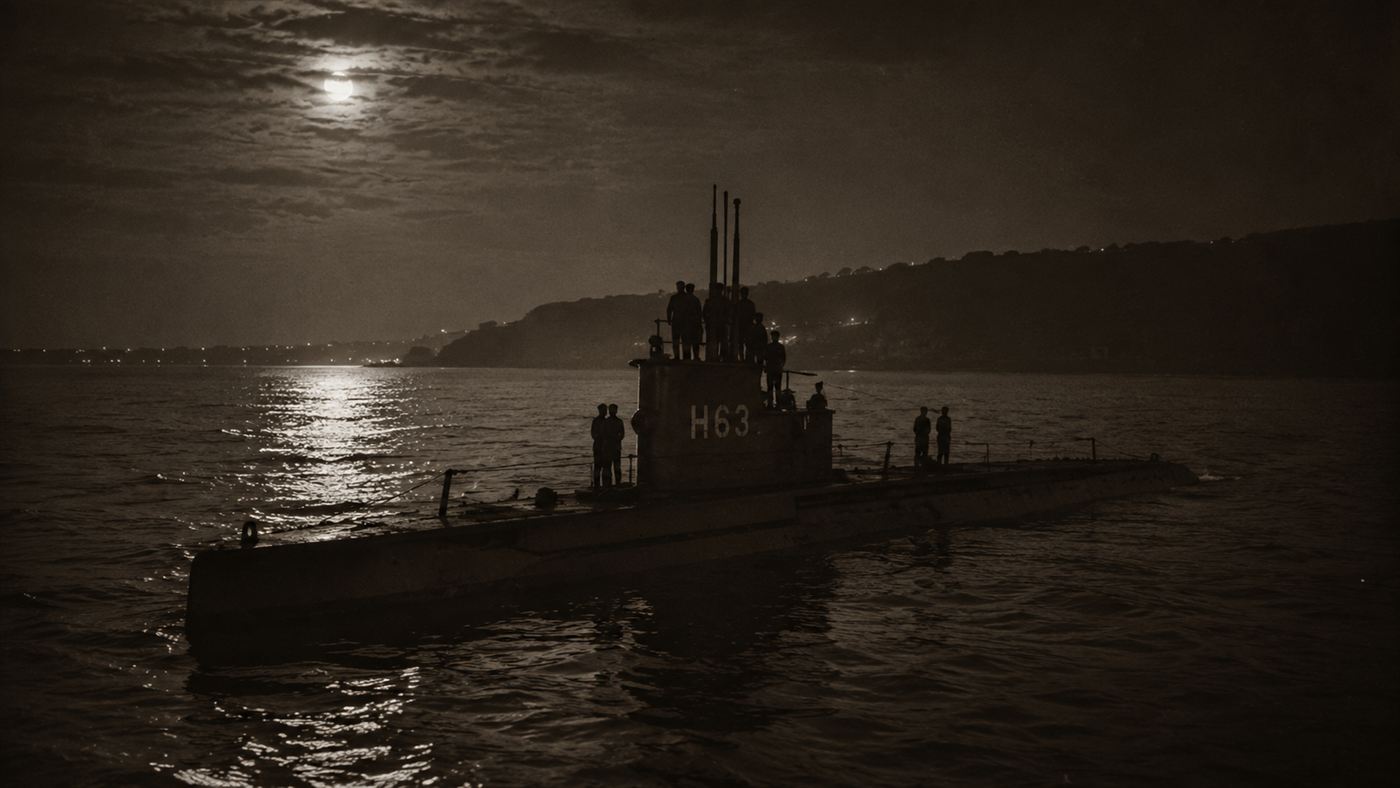
A submarine surfaced off Spain in the dark to set the trap in motion. Illustration: Watts & Wild.
Great battles are usually won with firepower. This one turned on a piece of theatre so audacious it sounds like fiction. Operation Mincemeat was a British plan to deceive the German high command not with armies, but with a single dead body and a beautifully constructed lie. It worked so well that historians still marvel at it.
It is also, beneath the cleverness, a quietly moving story about a forgotten man who did more for the war effort dead than most people ever manage alive.
A plan too strange to suspect
By 1943 the Allies were preparing to invade southern Europe, and everyone, including the Germans, knew the obvious stepping stone was Sicily. The problem was how to land there without sailing into a fully prepared defence. British intelligence decided the answer was to convince Hitler that the real target was somewhere else entirely.
The men behind the scheme, working in the secret world of wartime deception, came up with an idea so grim and so strange that the enemy would never imagine anyone had staged it on purpose. They would let the Germans capture Britain's invasion plans, by handing them a dead courier.
How Operation Mincemeat worked
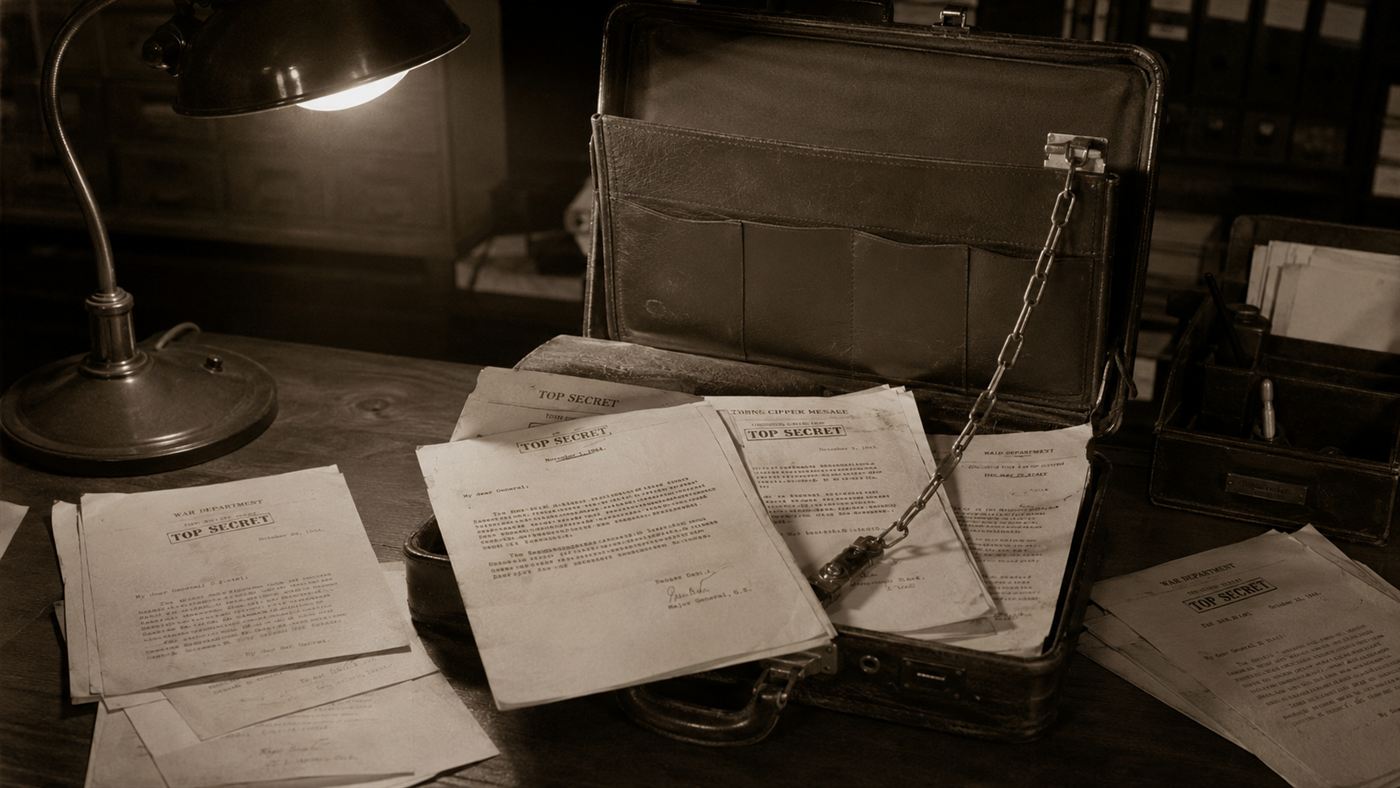
The plan required a body, and here the story turns sombre. Intelligence officers obtained the corpse of a homeless man, dressed it in the uniform of a Royal Marines officer, and gave it a complete false identity as Acting Major William Martin, then chained a briefcase to the body.
Inside the briefcase were forged letters between senior British commanders, written to suggest that the coming invasion would strike Greece and Sardinia, with Sicily mentioned only as a decoy. The body was sealed in a canister, carried by a submarine to the waters off the Spanish coast, and on a dark April morning in 1943 it was slipped into the sea near the town of Huelva, left to drift ashore as if a plane carrying the officer had crashed.
Inventing a man who never lived
What made the trick believable was the obsessive detail. The officers did not just plant fake documents; they built an entire human being around the corpse. In his pockets they tucked theatre ticket stubs, a photograph of a fictional fiancee, love letters, a bill from a London club and an irritated note from his bank, all the small, dull debris of a real life.
The idea was that an enemy examining the body would find not a suspiciously perfect plant, but a flustered, ordinary officer who had clearly existed, fallen in love, run up debts and then died on his way to deliver important papers. It was a portrait so complete that the lie at its centre, the invasion plans, would slip past unquestioned. The forgers were, in effect, novelists working in the most dangerous genre imaginable.
Fooling Hitler
Everything depended on the documents reaching German eyes, and they did. Spain was officially neutral but sympathetic to Germany, and its officials quietly let German intelligence examine the papers before returning them. The Germans swallowed the story whole, and intercepted enemy messages later confirmed that Hitler had ordered reinforcements moved to Greece and Sardinia, away from Sicily.
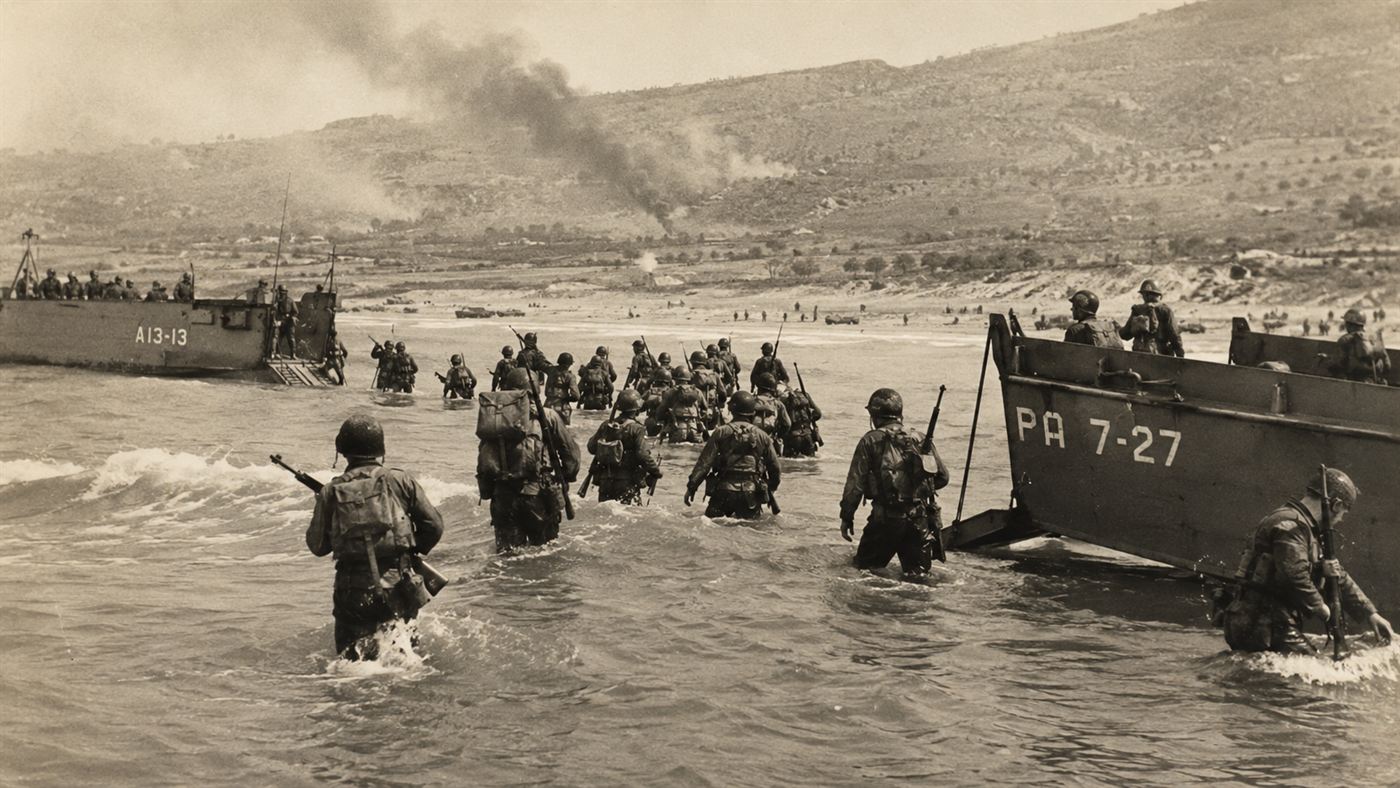
So when the Allies stormed the beaches of Sicily in July 1943, they found the island less heavily defended than it should have been, and the landing succeeded at a far lower cost in lives. A dead man and a packet of forged letters had, in a real sense, helped redirect the German army. Few deceptions in history have paid off so spectacularly.
Did Operation Mincemeat actually work?
By any reasonable measure, yes, although honesty requires a note of caution. It is genuinely impossible to know exactly how many lives the trick saved, since the invasion of Sicily would have gone ahead regardless and many other factors shaped the battle. What is not in doubt is that the Germans believed the false plans and moved real forces because of them, which is about as much as any deception can ever hope to achieve.
The operation became legendary after the war, retold in books and films as one of the cleverest intelligence coups ever pulled off. It is a reminder that wars are fought with imagination and nerve as much as with weapons, and that sometimes the most powerful weapon is a convincing story.
Who was the body used in Operation Mincemeat?
For decades, the most haunting part of the story was a mystery: nobody would say whose body had been used. He was eventually identified as Glyndwr Michael, a homeless Welshman who had died after eating rat poison, a man with no family to miss him and no idea that he would help change the course of a world war.
His real name stayed secret until 1996, when a declassified document finally revealed it, and his grave in Spain was updated to honour both the fictional Major Martin and the real man beneath the headstone. There is something both unsettling and tender about it: a person who mattered to almost no one in life was given, in death, a false name, a false love and a secret, vital role in saving thousands of strangers. It is one of the quietest, oddest acts of service the war ever produced.
A forgotten man, a fake name and a briefcase of beautiful lies changed where an army went and how a battle was won. Was it brilliant or ghoulish to send a dead stranger to war as a decoy, and would the ends ever justify it? Tell us what you think in the comments.
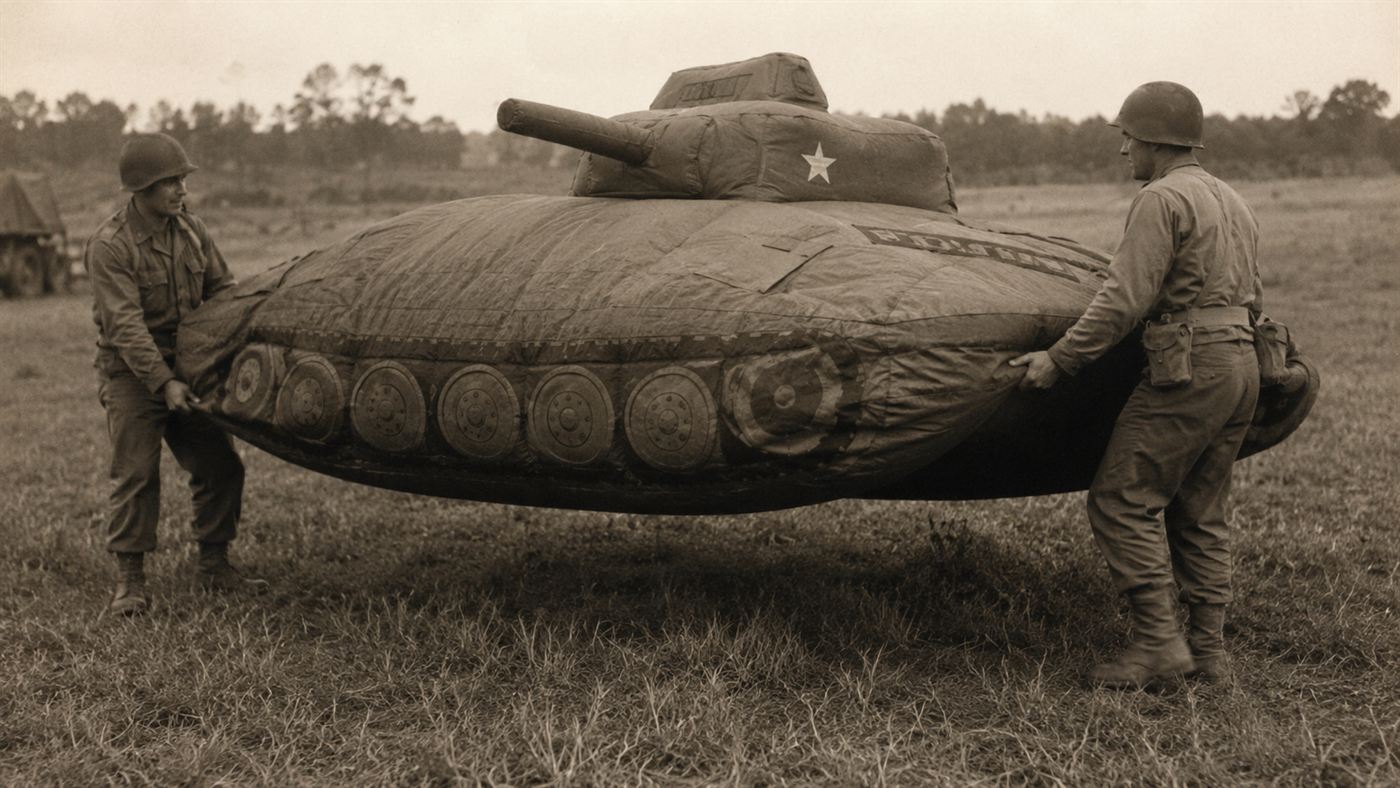
Related reading: the Ghost Army, the American unit that fought the same war with inflatable tanks and fake radio, or Kryptos, the coded sculpture that taunted the CIA's own codebreakers for 35 years.