In 1876 flakes of red meat fell out of a clear blue Kentucky sky onto a woman making soap, and the explanation scientists settled on is even stranger than the shower itself
On a cloudless March afternoon, a Kentucky farm wife was working in her yard when the sky began to drop chunks of raw meat around her. There was no storm, no cloud, nothing overhead at all. What actually caused it took scientists months to work out, and the answer is one of the most stomach-turning in the history of weird weather.
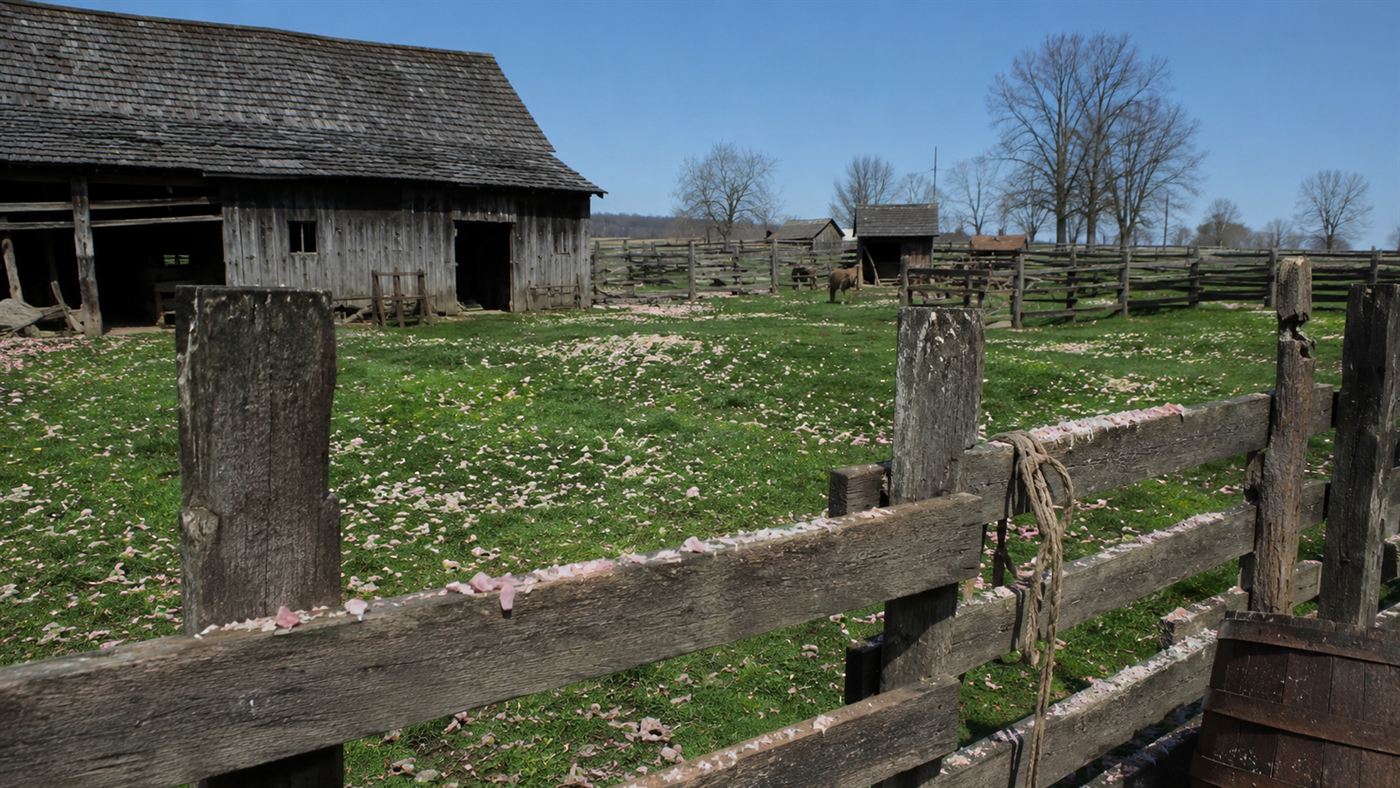
Meat scattered across the grass under an empty sky. Illustration: Watts & Wild.
It sounds like a tall tale, but it was reported in the newspapers of the day and even written up in a scientific journal. On March 3, 1876, in Bath County, a rural corner of eastern Kentucky, meat fell from the sky. Not hail, not frogs, not fish, but recognisable flakes and lumps of red flesh, drifting down onto the grass in broad daylight.
The event became known as the Kentucky Meat Shower, and it has puzzled and disgusted people ever since. It is a genuine historical curiosity, complete with named witnesses, physical samples, and laboratory analysis, and yet the most likely explanation is so grim that many people would rather not know it.
The short version: the Kentucky Meat Shower was real, and meat really did fall onto a Bath County farm from a clear sky. People collected it, some brave souls tasted it, and scientists examined it under microscopes. The best answer they reached points not at the heavens but at a passing flock of very full, very startled birds.
The afternoon it rained meat
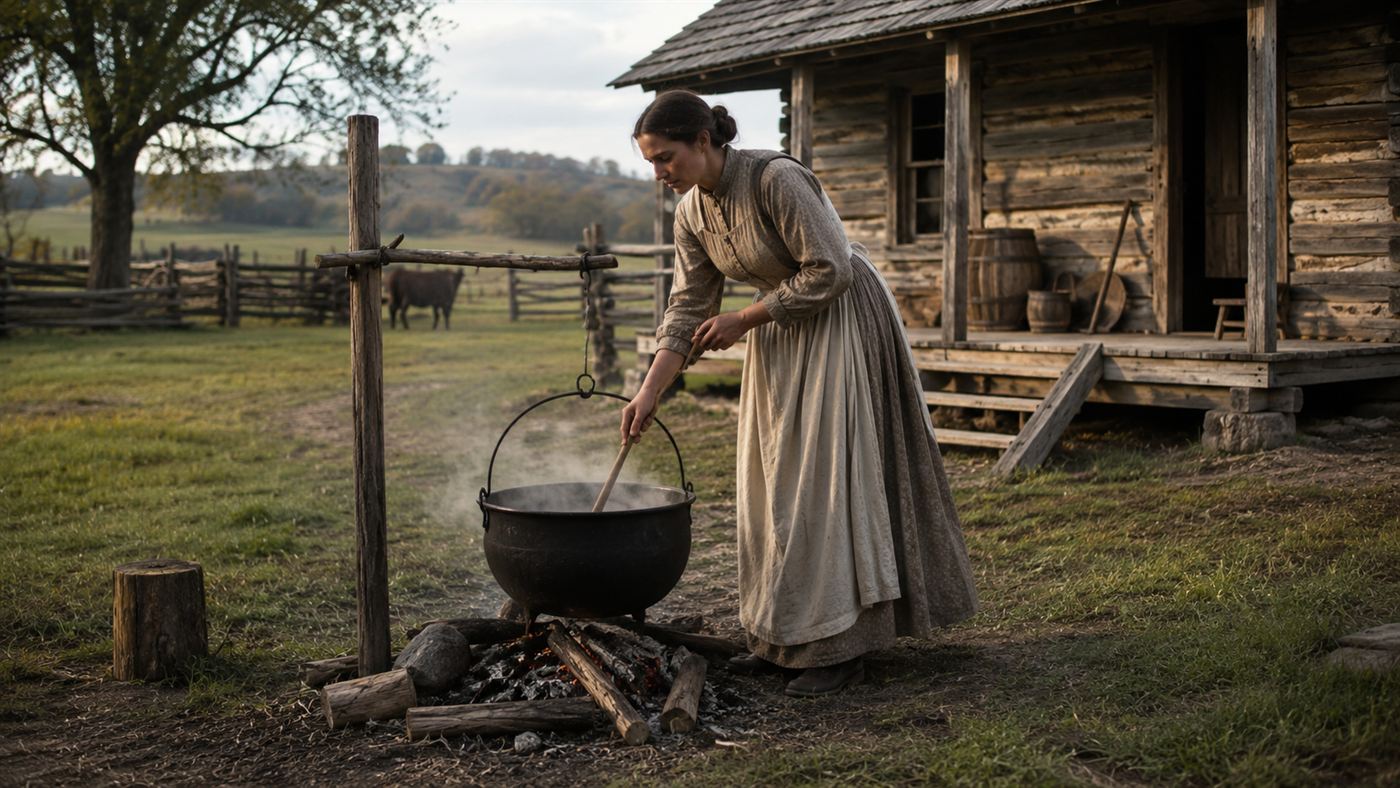
The farm belonged to Allen Crouch in Bath County, and his wife was outside making soap when the Kentucky Meat Shower began. Flakes of meat came down over a strip of ground roughly a hundred yards long and fifty wide, some no bigger than a snowflake, others square pieces several inches across. The sky above her was perfectly clear.
Word spread fast, and curious neighbours came to see the meat lying in the grass and stuck to the fences. Two men, in a move that is hard to forgive, decided to taste it to identify it. Their verdict was that it seemed to be mutton or venison, which only deepened the mystery of how it had got into the sky in the first place.
What the meat actually was
This was not just a local legend that faded. Samples were preserved and sent to scientists, and several examined the tissue properly. The analyses identified it as real animal tissue, and most of it turned out to be lung, with some pieces of muscle and cartilage mixed in.
The tissue was judged to have come from a horse or a cow. In other words, this was not exotic meat from the clouds but ordinary carrion, the kind of dead animal that scavengers feed on. That single clue, that it was mostly lung from a large farm animal, is what cracked the whole case open.
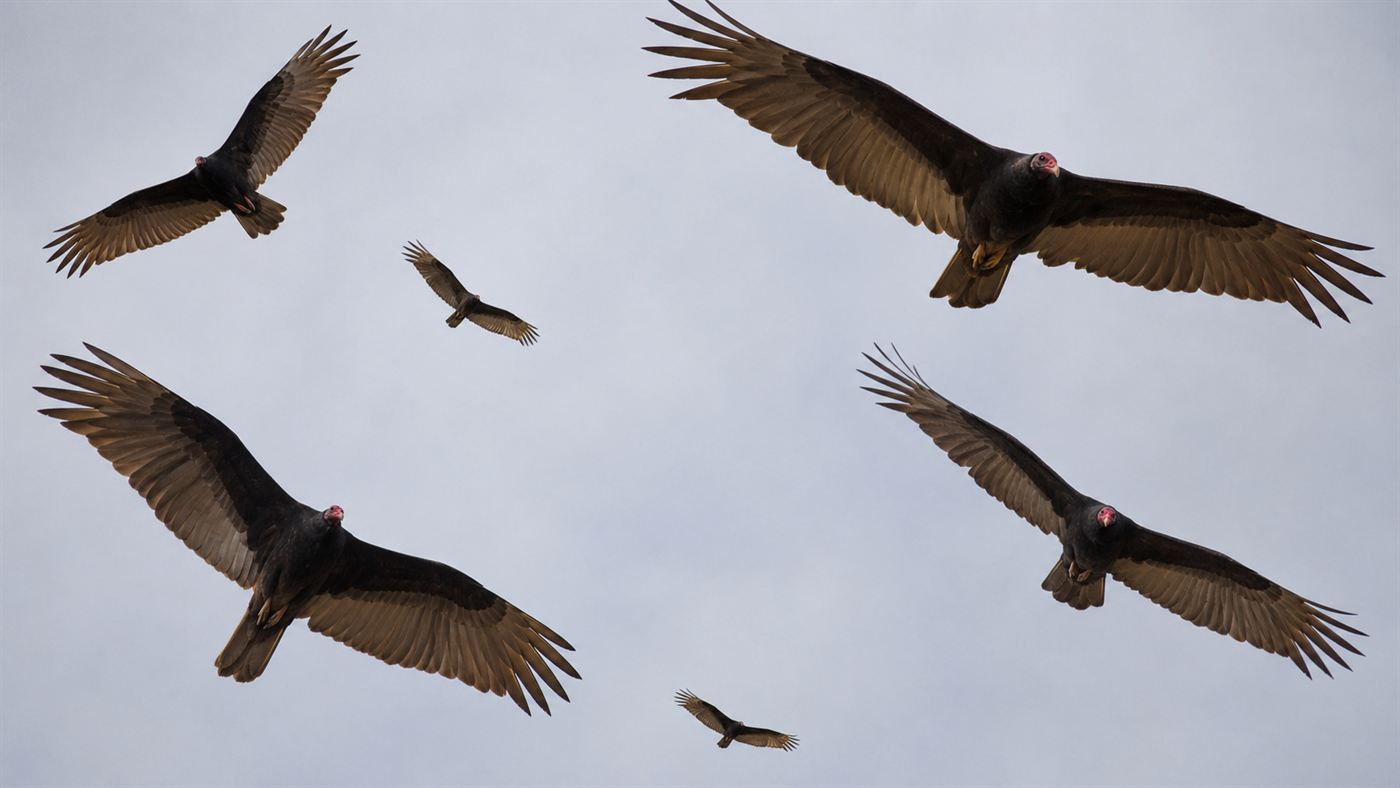
So how does meat fall from a clear sky?
The explanation that has held up best is as simple as it is revolting. A flock of turkey vultures, or their close relatives the black vultures, had almost certainly been feeding on a dead horse or cow nearby, then taken to the air together. Vultures have a well-known defence: when startled or when they need to fly fast, they vomit up their heavy meal. That mid-air vulture vomit is the likely source of the Kentucky Meat Shower.
If one bird does it, the rest often follow, and a whole flock of turkey vultures can empty its stomachs at once high overhead, a burst of vulture vomit falling together. To anyone standing below, the birds are just specks or out of sight entirely, so all they see is meat tumbling out of a clear sky. It is a shower, all right, just not the kind anyone wants raining on their soap-making.
The honest catch
It would be neat to say the vulture theory is proven, but honesty requires a caveat. No one actually saw the birds that day, so the vulture explanation, however sensible, is a reconstruction after the fact rather than an eyewitness account. It fits the evidence better than anything else, but it was never caught in the act.
There was also a stranger idea floated at the time. One analysis suggested some samples might be nostoc, a jelly-like blue-green algae that swells up after rain and that folklore linked to falling stars. That never fit a bone-dry, cloudless day nearly as well as hungry birds, but it is a reminder that even a well-studied oddity can keep a little doubt.
Why the Kentucky Meat Shower still matters
It is easy to laugh at a meat shower, but it is a small, perfect lesson in how the natural world produces things that look supernatural. A clear sky raining flesh feels like an omen or a hoax. The real cause is a completely ordinary animal behaviour, playing out just high enough above our heads that we cannot see it happen.
That is why the Kentucky Meat Shower has survived for nearly 150 years. It sits right on the line between the unbelievable and the explainable, and it rewards anyone curious enough to look past the shock. The universe does not need magic to be strange, and a yard full of fallen meat in Kentucky is proof of exactly that.
Real meat fell out of an empty sky onto a Kentucky farm, and the answer was a flock of birds being sick in mid-air. Would you have been brave enough to taste it to find out what it was, the way two of those neighbours did? Tell us what you think in the comments.
Related reading: the newspaper that convinced a nation there were bat-men living on the Moon. See also the ten-foot stone giant that fooled thousands into believing in petrified men, and the rooster that lived 18 months without its head.