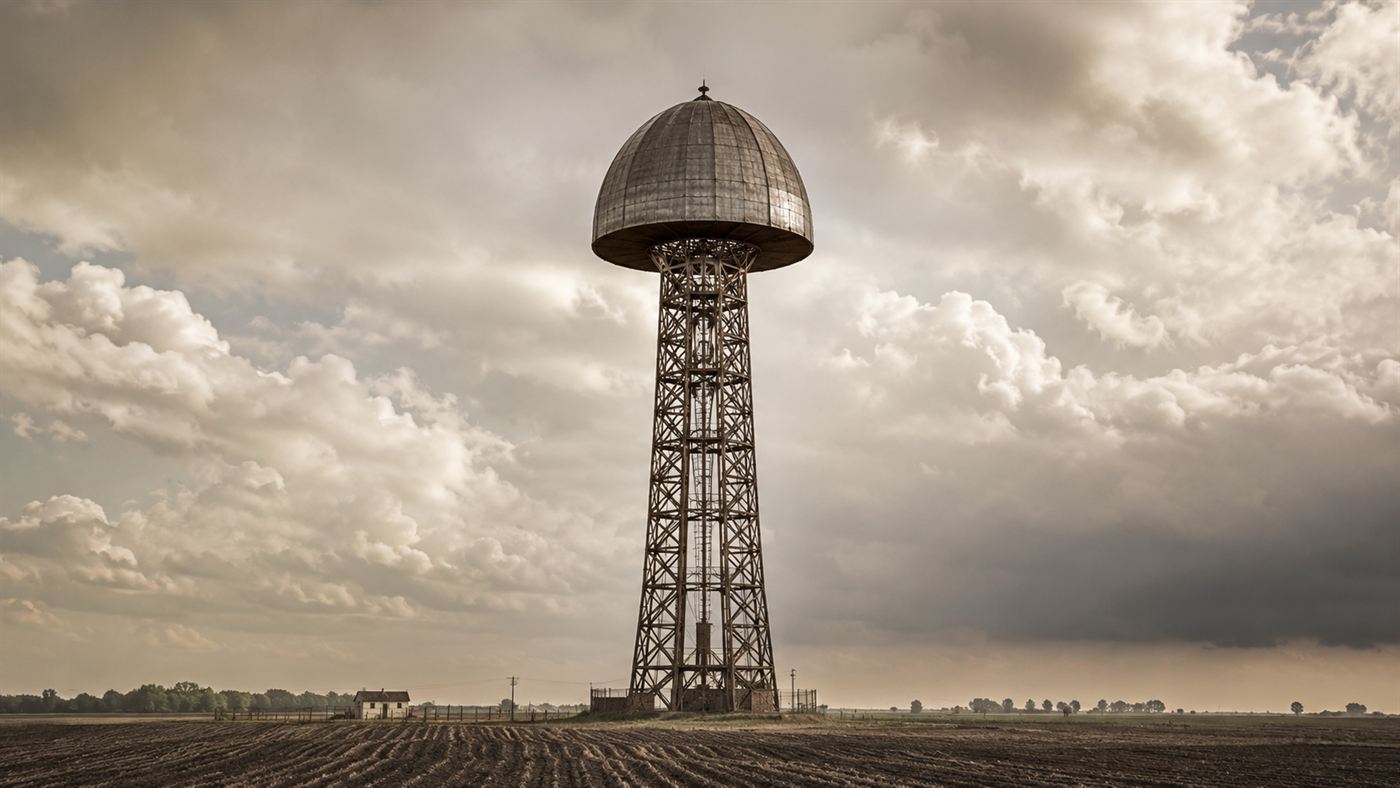
A self-taught Black inventor found a way to let speeding trains warn each other of danger, then beat Thomas Edison in court twice, and still died poor and almost forgotten
In the 1880s, trains crashed into one another for a simple reason: once a train left the station, nobody could talk to it. A self-taught Ohio engineer named Granville Woods solved that, pulling messages out of the air to reach moving trains. It made the railways safer, it made him famous enough to be called the Black Edison, and it dragged him into a courtroom fight with the real one.
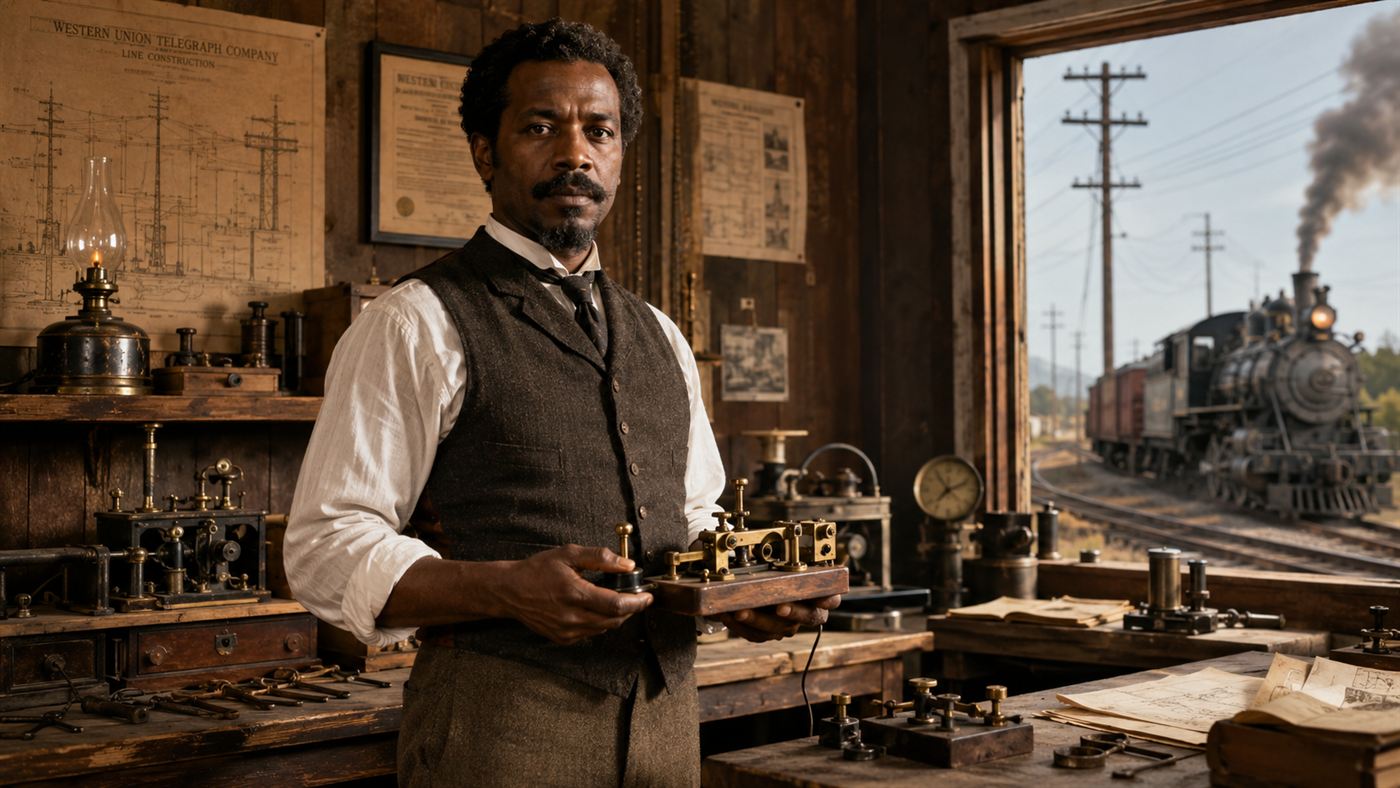
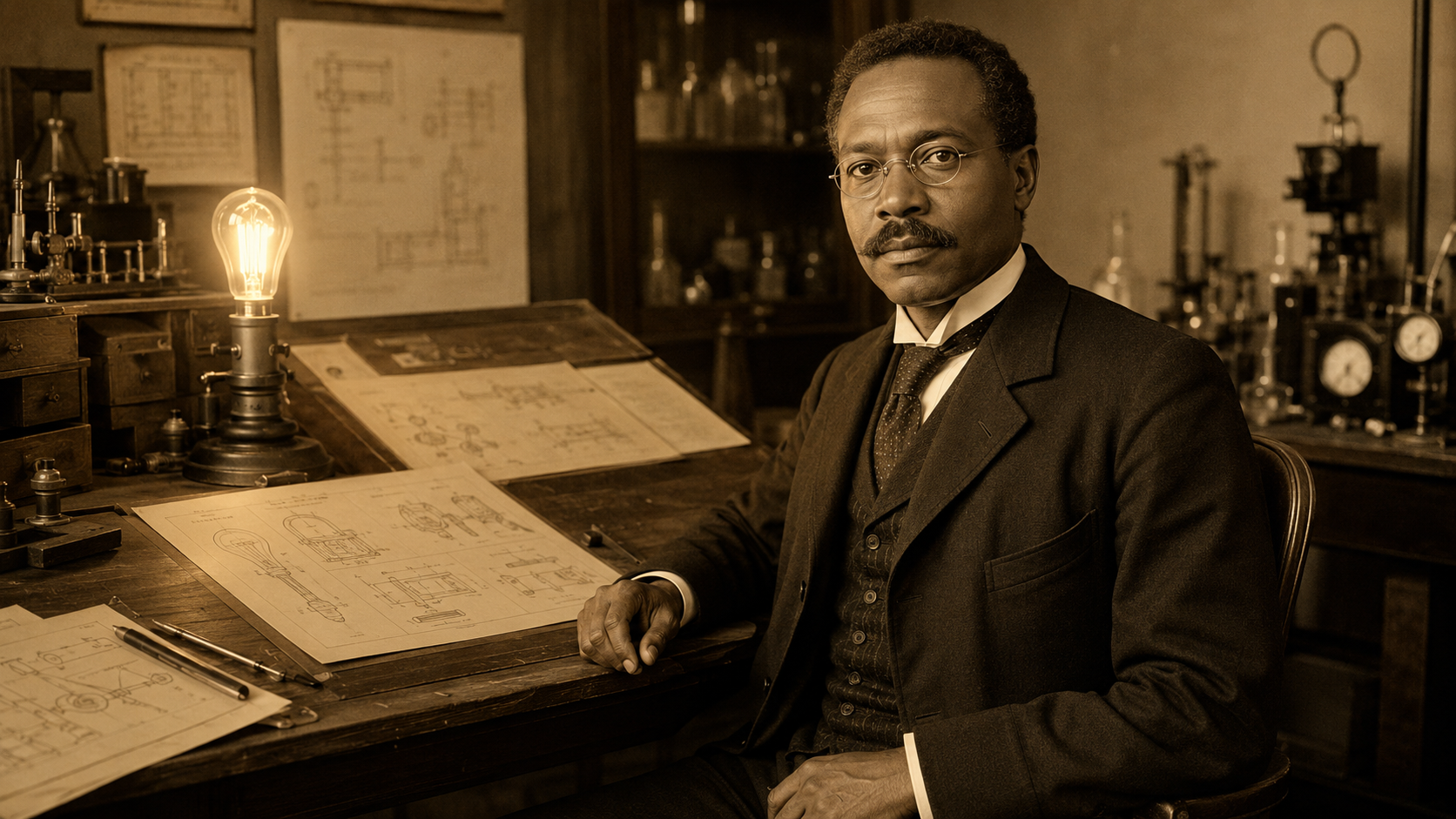
Woods found a way to let moving trains and stations talk through the air. Illustration: Watts & Wild.
History remembers a handful of electrical pioneers and forgets the rest. We know Edison and Tesla and Westinghouse by heart, but the man many of their contemporaries ranked alongside them has slipped almost entirely out of the story. That man was Granville Woods, and the gap between what he achieved and how little he is remembered is one of the quiet injustices of the electric age.
Born in Ohio in 1856, Woods had little formal schooling and taught himself engineering on the job, in machine shops, on railroads, and aboard a steamer. By the time he set up his own workshop in Cincinnati, he was an inventor of real range, and over his life he would hold around sixty patents covering telegraphs, brakes, and the electric railway.
How Granville Woods made trains talk
His most important breakthrough came in 1887. Trains of the era ran half-blind: a dispatcher knew when a train left and roughly when it should arrive, but in between it was simply out of contact, and that blindness killed people in head-on collisions. Woods found a way to close the gap with what he called the induction telegraph. As Wikipedia records, he patented the system in 1887.
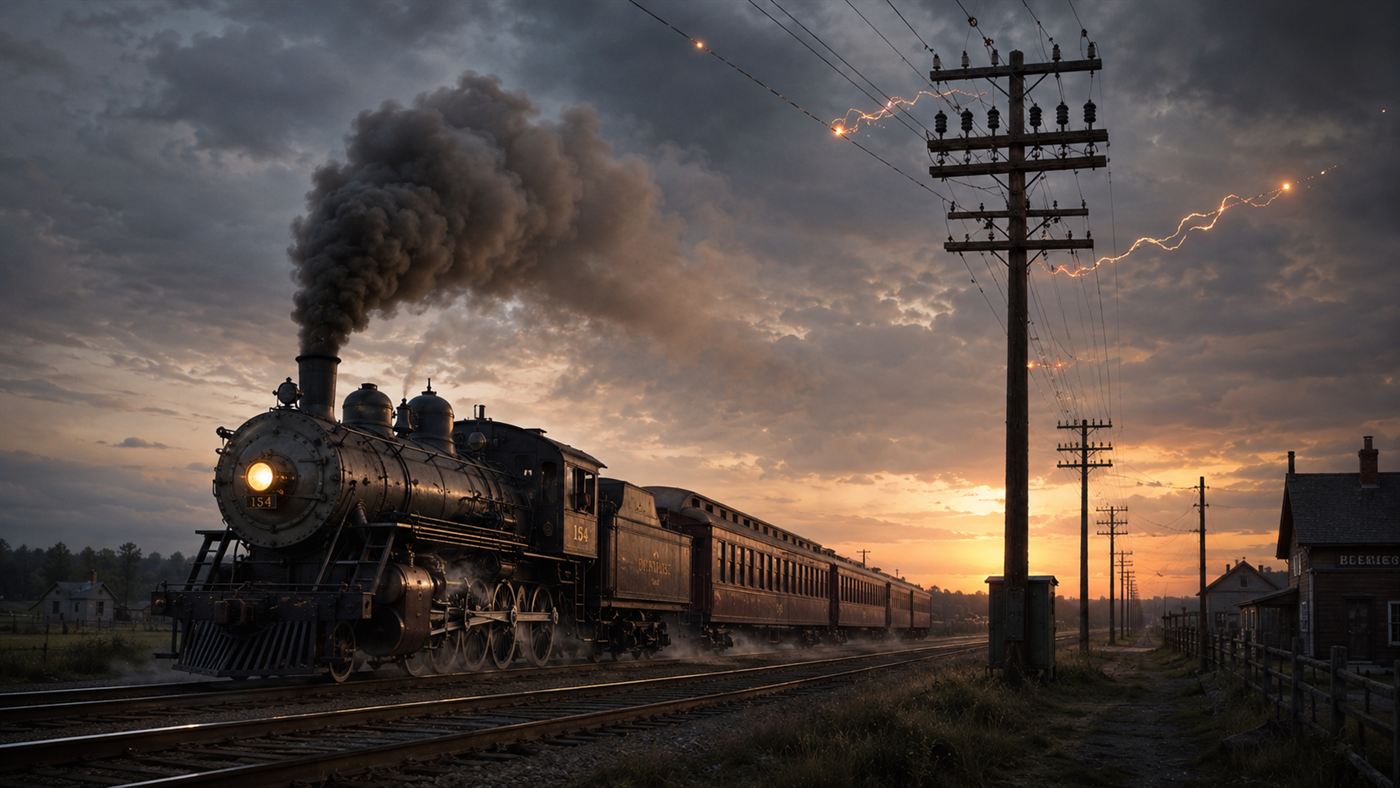
The trick was elegant. Instead of trying to wire up a moving train, he used the static electricity already humming in the telegraph lines that ran beside the tracks. A train fitted with his apparatus could pick up and send messages through the air to those parallel wires, so a moving train could warn of trouble ahead and a station could warn the train. As an inventor, Woods had effectively given the railways a nervous system, and it saved lives.
The courtroom fight with Thomas Edison
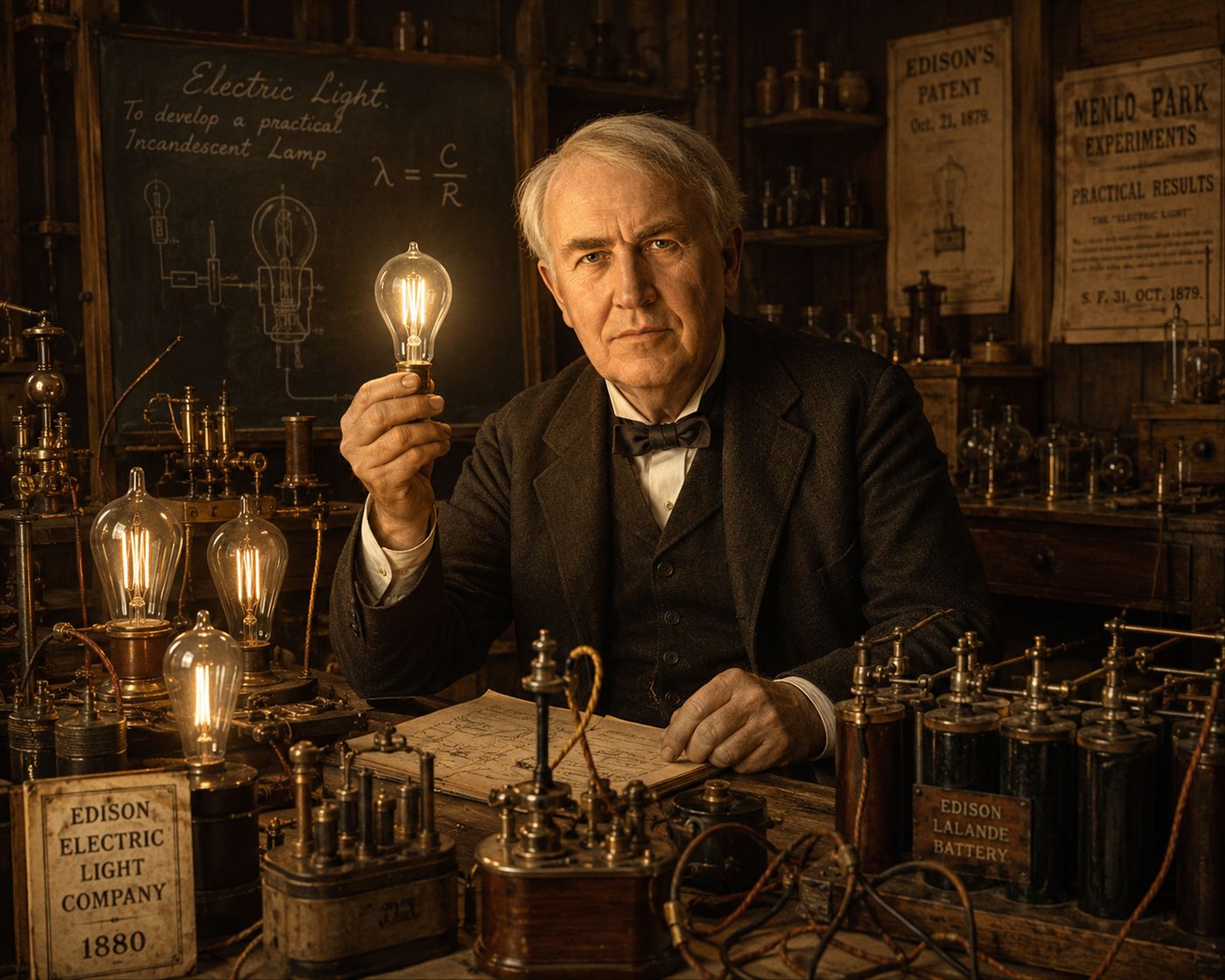
An invention that valuable did not go unnoticed, and here the story takes its sharpest turn. Thomas Edison claimed that he, not Woods, had invented the railway telegraph first, and he went to court to take the rights. For an unknown Black inventor in 1880s America to be sued by the most famous man in technology was a daunting, lopsided fight.
Woods won anyway. Edison took him to court over the patents twice, and both times Woods proved he was the true inventor and kept his rights. The story goes that Edison, unable to beat him, then tried to hire him instead, an offer Woods is said to have declined to stay independent. Beating Thomas Edison at his own game, in his own courts, is an achievement almost no one of that era could claim.
Building the electric railway
Woods did not stop at the telegraph. He turned his attention to the electric railway itself, the streetcars and trains that were starting to replace horses in American cities. As the National Inventors Hall of Fame notes, in 1901 he patented a power pickup device that drew current from a separate live rail, the basis of the third rail that still powers underground and electric railway systems around the world today.
He worked on better air brakes, on systems to control and distribute power, on the unglamorous hardware that makes mass transit possible. Many of these patents he sold to the giant companies of the day, including firms tied to Edison and to Westinghouse, which is part of why his name vanished while theirs lived on. The technology he created rode into the future under other people's logos.
The honest catch
It is worth being careful with the legend. The nickname Black Edison, meant as praise, has its own sting, defining a brilliant man by comparison to a white one rather than on his own terms. Some of the more colourful claims about his life have been embellished over the years, and the exact count of his inventions varies from telling to telling depending on how you count patents and shared credit.
He also did not lose to Edison so much as survive him, winning the right to keep what was already his, which is a different and harder kind of victory. What is not in doubt is the core of it: a self-taught Black engineer built genuinely important pieces of the electric railway, defended them against the most powerful inventor alive, and was paid back with obscurity. He died in New York in 1910 with little money, and as the Coney Island History Project records, for decades lay in an unmarked grave.
Why a forgotten inventor still matters
Every time a subway train slides into a station on its live third rail, or a control system keeps trains a safe distance apart, there is a thread running back to Granville Woods. He helped build the plumbing of modern electric transport, the parts nobody photographs, and he did it against odds that would have stopped almost anyone.
His story is a reminder that the famous names of invention are not the whole list, just the ones history chose to keep. Granville Woods earned his place among them with his work and proved it in a courtroom against Edison himself. The least we can do, more than a century later, is finally say his name.
A self-taught Black inventor made the railways safer, beat Edison in court twice, and was repaid with an unmarked grave. Why do you think names like Edison survive while one like Granville Woods nearly vanished? Tell us in the comments.
Related reading: The bitter war between Edison and Westinghouse over whose electricity would light the world.