This seabird flies for two months without landing, and would drown if it touched the sea
It spends its life over the open ocean, yet it cannot swim and dares not land on the water below. Instead it simply stays up, week after week, sleeping a few seconds at a time on the wing. The frigatebird is the closest thing nature has to a bird that never comes down.
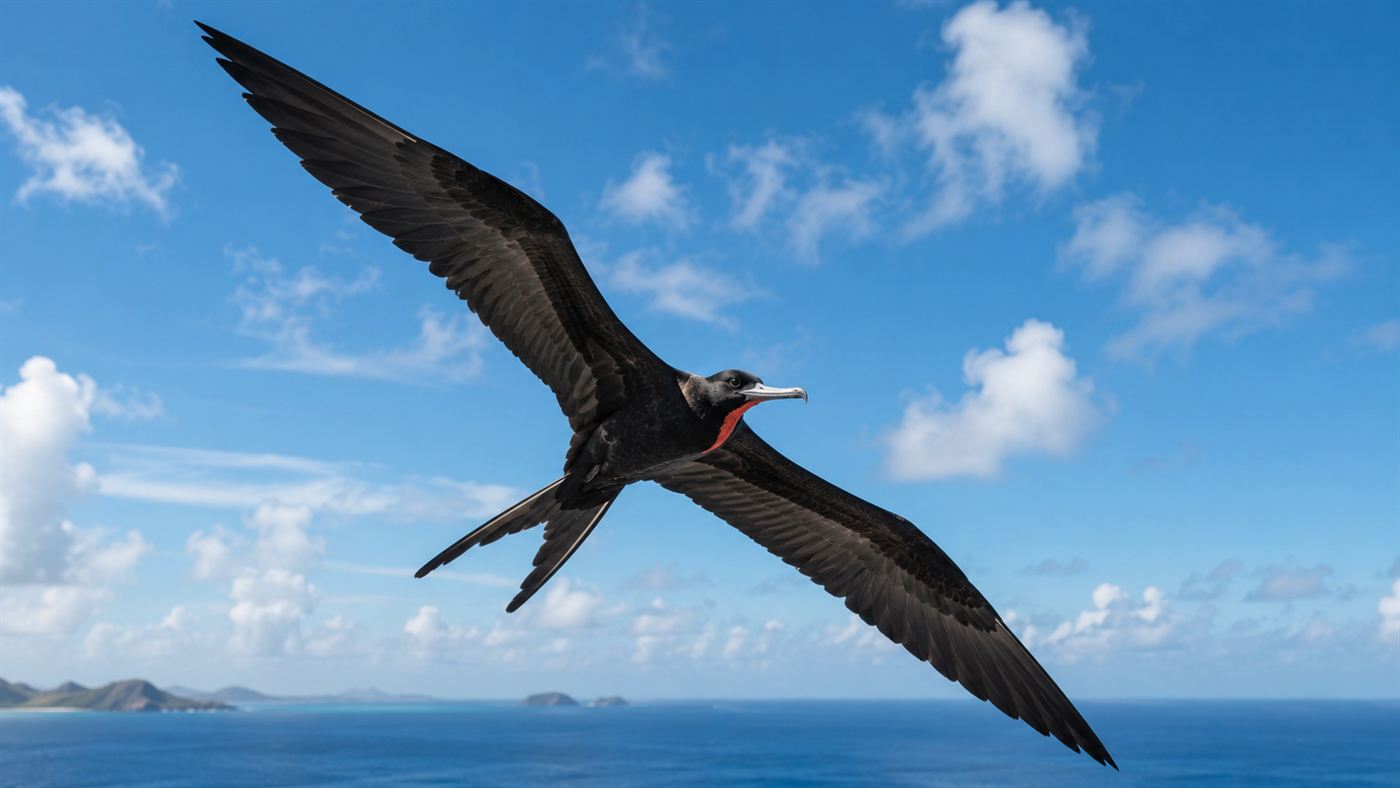
Huge wings on a feather-light body let the frigatebird hang in the air almost without effort. Illustration: Watts & Wild.
Most seabirds live a double life, flying over the waves to hunt and then settling on the water or the shore to rest. The frigatebird refuses half of that bargain. It feeds, travels and even sleeps in the air, going for weeks at a stretch without ever setting down.
What makes the feat stranger still is that this ocean specialist is, in a sense, terrified of the ocean, and for a very good reason.
How the frigatebird stays in the air
The secret is not strength but lightness and patience. A frigatebird has an enormous wingspan stretched over a body that weighs almost nothing, giving it the lowest wing-loading of any bird, so the slightest breath of rising air will carry it upward. Rather than flapping, the frigatebird circles upward inside columns of warm rising air, then glides for huge distances while slowly losing height, before finding the next lift.
It rides this invisible staircase so efficiently that instruments have shown its heart barely working even as it climbs thousands of metres. It is one of the only birds known to deliberately fly up into fluffy cumulus clouds, using the powerful updrafts inside them as a free elevator. In effect, it lets the sky do nearly all the work.
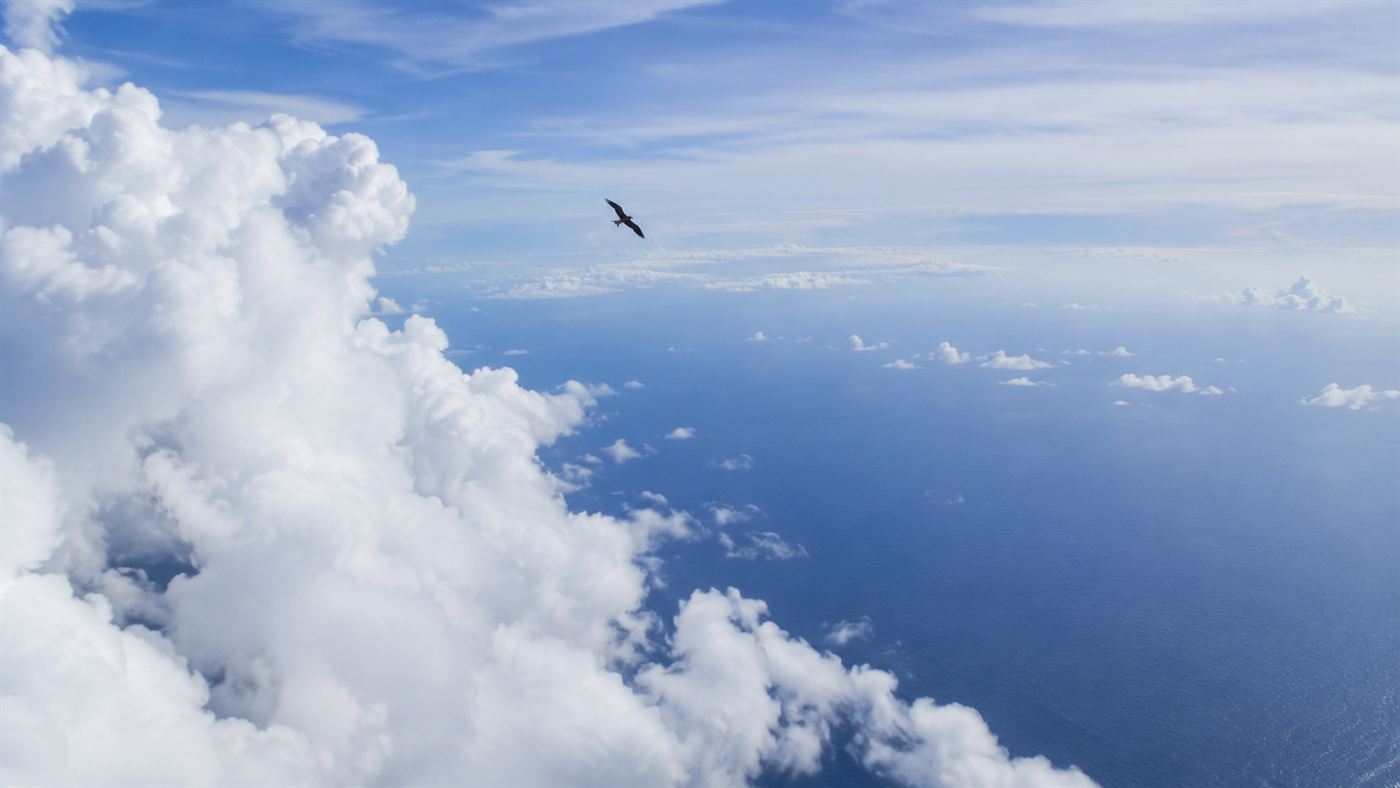
Two months without touching down
By tagging the birds and following them across the ocean, scientists found journeys that beggar belief. Some frigatebirds stayed continuously airborne for around two months, crossing vast stretches of empty sea without a single stop on land or water.
The reason they cannot simply rest on the waves is built into their feathers. Unlike ducks or gulls, frigatebirds are not waterproof, and they cannot swim. A bird that came down on the open sea would become waterlogged, unable to take off again, and would eventually drown. For a frigatebird, the water it hunts over is not a resting place but a trap, which leaves it no choice but to keep flying.
Sleeping with half a brain, in mid-air
That raises an obvious question: when does a bird that never lands actually sleep? The answer is one of the most remarkable findings in the study of animal behaviour. In flight, frigatebirds sleep only about 45 minutes a day, in tiny bursts of roughly ten seconds, often shutting down just one half of the brain while the other half stays awake.
This trick, called sleeping with half the brain at a time, lets the bird snatch scraps of rest while still keeping an eye out and holding its course on the wing. It is the same ability that lets dolphins sleep without drowning. Once safely back on land, the frigatebird drops the act entirely and sleeps properly for around twelve hours, as if catching up on weeks of lost nights.
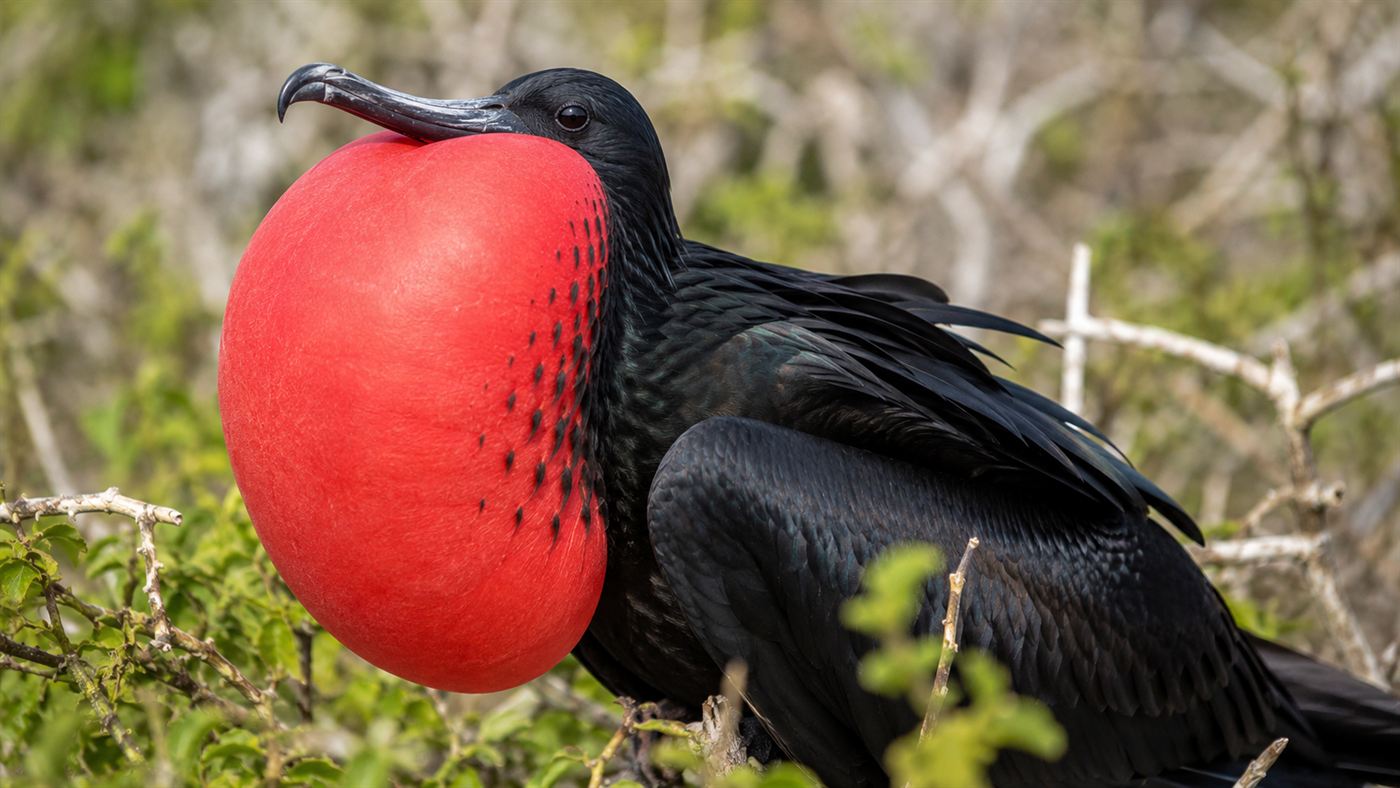
How long can a frigatebird stay in the air?
The headline figure is about two months of continuous flight, recorded mostly in young birds making their first long ocean crossings. For weeks on end, the frigatebird becomes a creature of the air alone, eating fish and squid snatched from the surface in flight and never once coming to rest.
It also has a darker talent that helps it stay fed without working too hard. Frigatebirds are notorious pirates, chasing other seabirds in mid-air and harassing them until they drop or cough up their catch, then snatching the meal before it hits the sea. The old sailors' name for them, the man-o'-war bird, captures that aggressive, swashbuckling style perfectly.
Do frigatebirds sleep while flying?
They do, but far less than you might expect, and that is the honest heart of the story. A frigatebird in flight survives on a tiny fraction of the sleep it takes on land, proving that an animal can run for weeks on almost no rest without falling out of the sky.
It is worth being precise about the record, too. The two-month flights are the extreme end, achieved by particular birds over open ocean; breeding adults still return to their colonies between long foraging trips. But even the everyday version of a frigatebird's life, days of soaring without a wingbeat, sleeping in seconds and steering by half a brain, is one of the most extraordinary energy-saving acts in the animal world.
A bird that hunts over the sea, fears the water, and sleeps ten seconds at a time while gliding through clouds sounds invented, yet it is real. If a frigatebird can run for two months on minutes of sleep a day, how much of what we assume every animal needs is really optional? Tell us what you think in the comments.
Related reading: the bar-tailed godwit, which flies more than 13,000 km across the Pacific without a single stop, or the honey badger, the small animal that fights cobras and shrugs off their venom.