These deep-sea worms have no mouth and no gut, and they feed on the planet's own poison
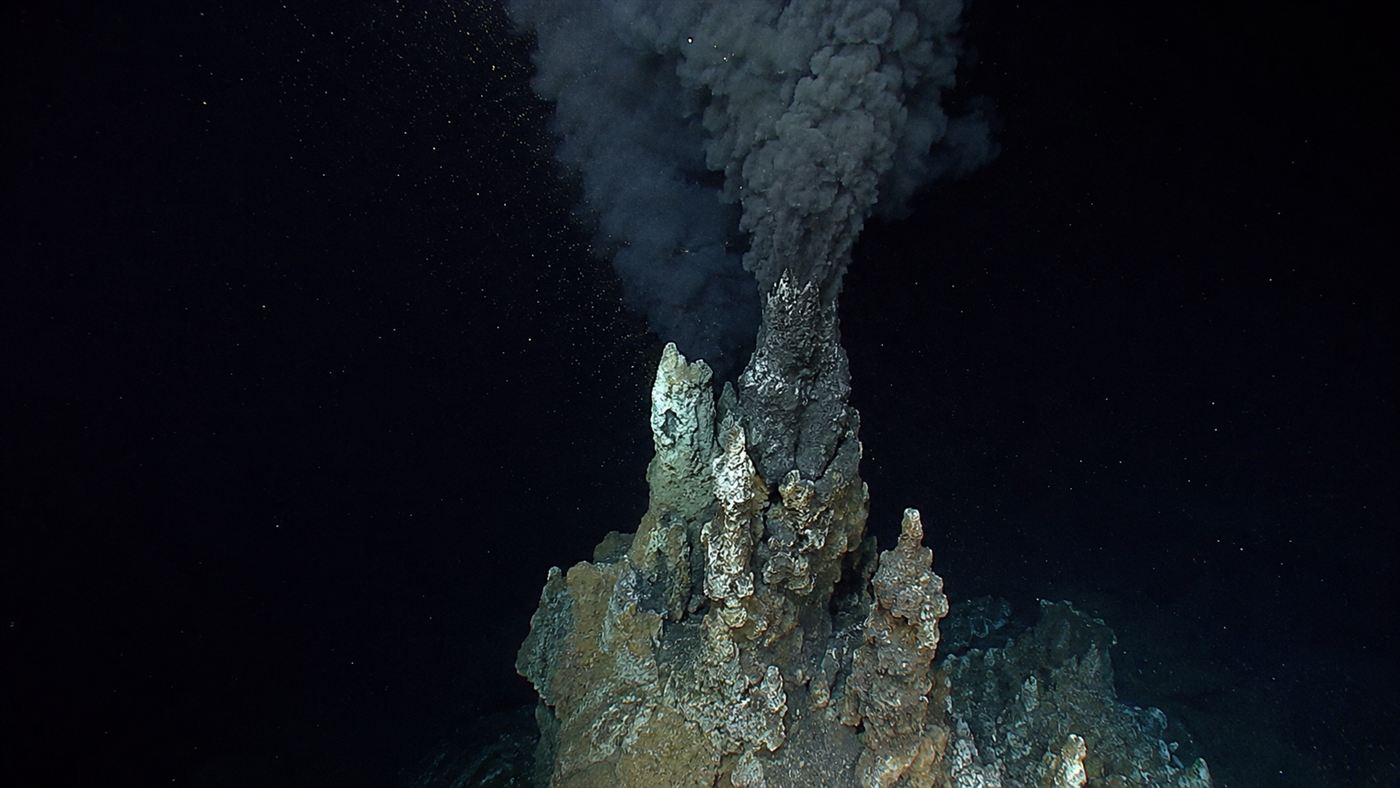
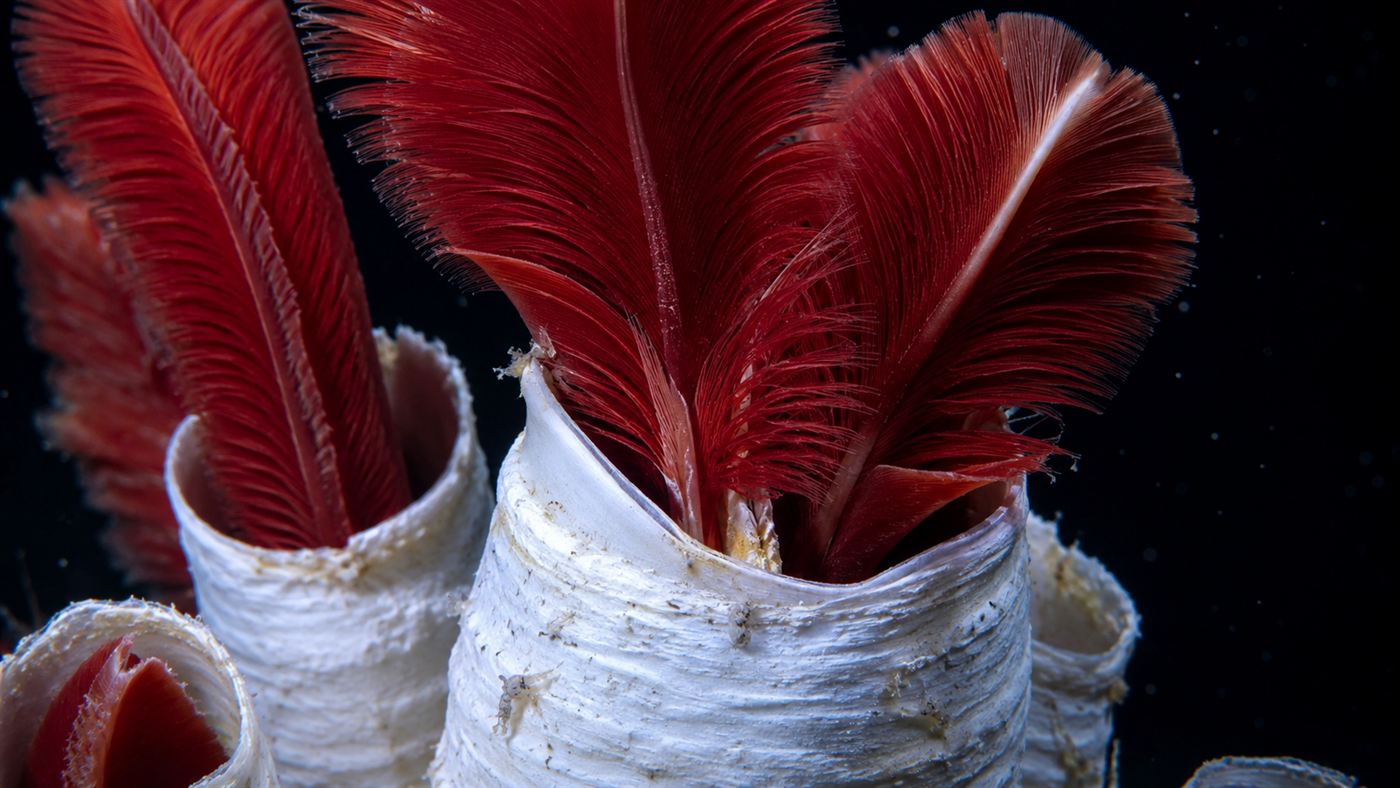
More than a mile down, in water that never sees a ray of sunlight, whole forests of blood-red worms sway around cracks in the sea floor that gush scalding, poisonous fluid. When scientists first saw them, they could barely believe life could exist there at all. Giant tube worms run on a kind of energy that has nothing to do with the sun.
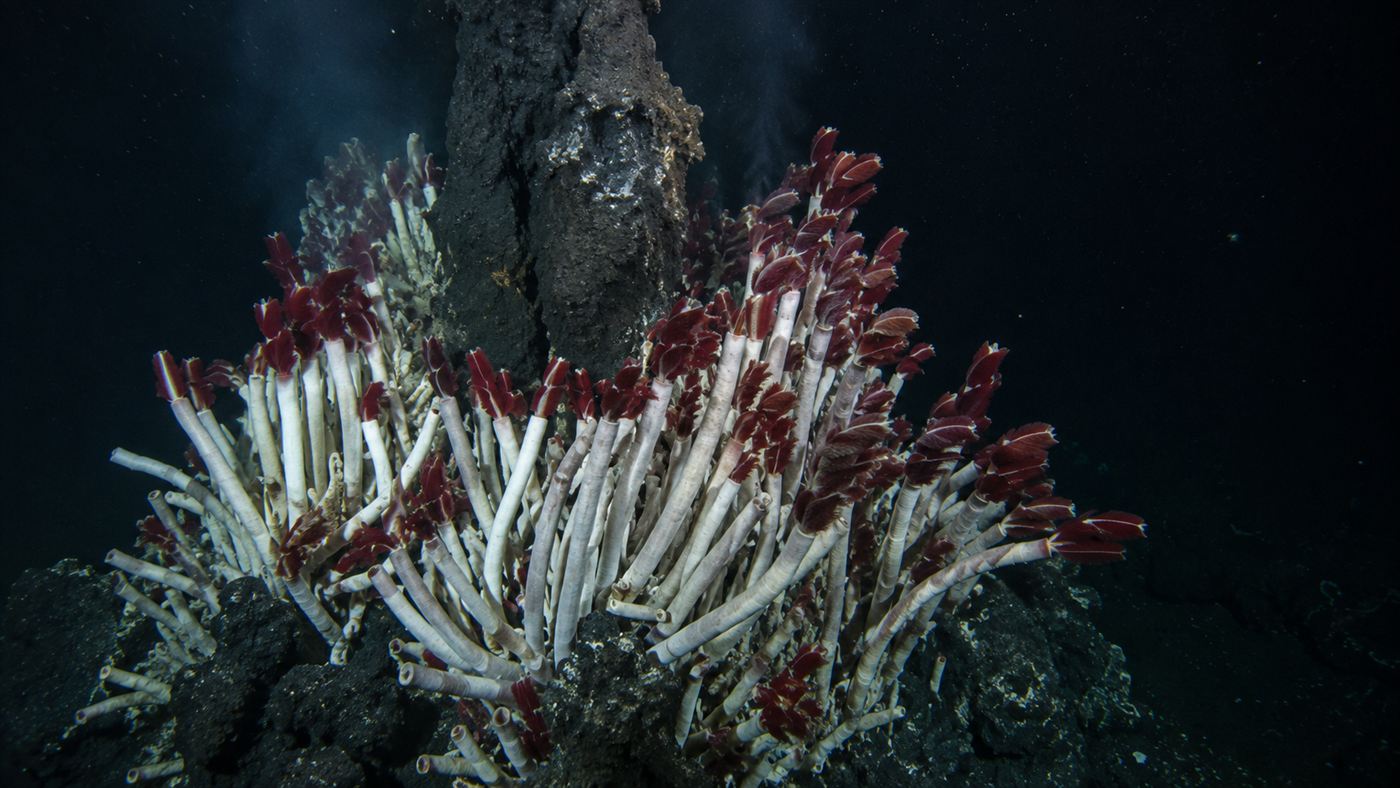
Forests of red-plumed worms crowd around volcanic vents on the pitch-black sea floor. Illustration: Watts & Wild.
Almost everything you were taught about life on Earth starts with the sun. Plants catch sunlight, animals eat plants, and the energy flows up the chain from there. Giant tube worms break that rule completely, building an entire thriving community in total darkness on the chemical energy leaking out of the planet itself.
They are among the strangest animals ever found, and the story of how we discovered them is one of the great accidents of modern science.
A garden of worms in the black deep
In 1977 a team of scientists took the small research submersible Alvin down to the Galápagos Rift, a volcanic seam on the deep ocean floor, expecting little more than warm water and bare rock. Instead they found hydrothermal vents surrounded by dense life, including towering red-tipped worms growing up to two or three metres tall in water with no light at all.
It was a genuine shock. Until that moment, the deep sea was assumed to be a near-empty desert, fed only by scraps drifting down from the sunlit surface far above. Here was a crowded oasis, and the obvious question was the one no one could immediately answer: what on earth were all these animals living on?
How giant tube worms survive without the sun
The answer turned out to rewrite a chapter of biology. The vents pour out hydrogen sulfide, the gas that gives rotten eggs their stench and that is poisonous to most living things. Giant tube worms survive by hosting bacteria that turn that toxic gas into food, a process called chemosynthesis that replaces sunlight with chemistry.
Where a plant uses light to build sugars, these bacteria use the energy stored in the vent chemicals to do the same job. It was the first time anyone had found a whole ecosystem built from the ground up on something other than the sun, and it changed how scientists think about where life can exist, on this planet and possibly on others.
A creature with no mouth and no gut
The worm's body is built entirely around that partnership. An adult giant tube worm has no mouth, no stomach and no gut of any kind. Instead, up to half of its body weight is a special organ called the trophosome, packed with billions of the bacteria that feed it.
The worm does not chase or chew anything. It simply provides the bacteria with a safe home and the raw ingredients they need, and in return they keep it alive. It is less a single animal than a living greenhouse, farming its own food supply inside its body in a way no land creature does.
Breathing a poison that should kill them
To make that farm work, the worm has to do something that should be impossible: deliver a deadly poison safely through its own blood. The bright red plume at its top is the key. That plume is packed with a special form of hemoglobin that grabs not only oxygen but also the toxic hydrogen sulfide, carrying both down to the waiting bacteria without poisoning the worm.
It lives in one of the harshest spots on Earth, its tube rooted where near-freezing seawater meets vent fluid hot enough to melt lead, riding the narrow band between the two. Everything about it, from its blood to its missing gut, is tuned to a place that would kill almost anything else in seconds.
What do giant tube worms eat?
In the everyday meaning of the word, nothing. They take in no particles, no plants and no prey, because they have no way to swallow anything at all. Their entire nourishment comes from the bacteria in the trophosome, fed on chemicals from the vent, which is why a healthy worm can grow astonishingly fast for a deep-sea animal.
That makes them one of the clearest examples in nature of two species fused into a single life. Neither the worm nor its bacteria could survive this place alone, but together they turn raw planetary chemistry into a body more than a person tall.
How were giant tube worms discovered?
By accident, on that 1977 dive, by geologists who had gone down to study the vents themselves rather than the animals around them. The biology they stumbled into was so unexpected that the expedition did not even have a specialist marine biologist aboard at first.
One honest note keeps the wonder accurate: while the worms' food chain runs on chemistry rather than sunlight, they are not completely cut off from the surface world, because the oxygen their blood carries ultimately comes from plants and plankton in the sunlit ocean far above. Even so, the heart of how they live, building bodies from a planet's own poison in the dark, remains one of the most astonishing things biology has ever found.
A creature with no mouth, breathing poison and farming its own food in the dark, was hiding on the sea floor the whole time. If life can thrive on a planet's chemistry without any sunlight at all, where else might it be quietly doing the same? Tell us what you think in the comments.
Related reading: the pistol shrimp, whose claw snaps a bubble hotter than the surface of the sun.