Russia towed a nuclear power station across the Arctic on a barge to light up its most remote town, and critics call it Chernobyl on ice
Most power stations are bolted to the ground for good. The world's first floating nuclear power plant is different: it is a working reactor mounted on a barge, built in a shipyard, dragged thousands of kilometres through Arctic seas, and parked at the edge of one of the loneliest towns on Earth to keep its lights on.
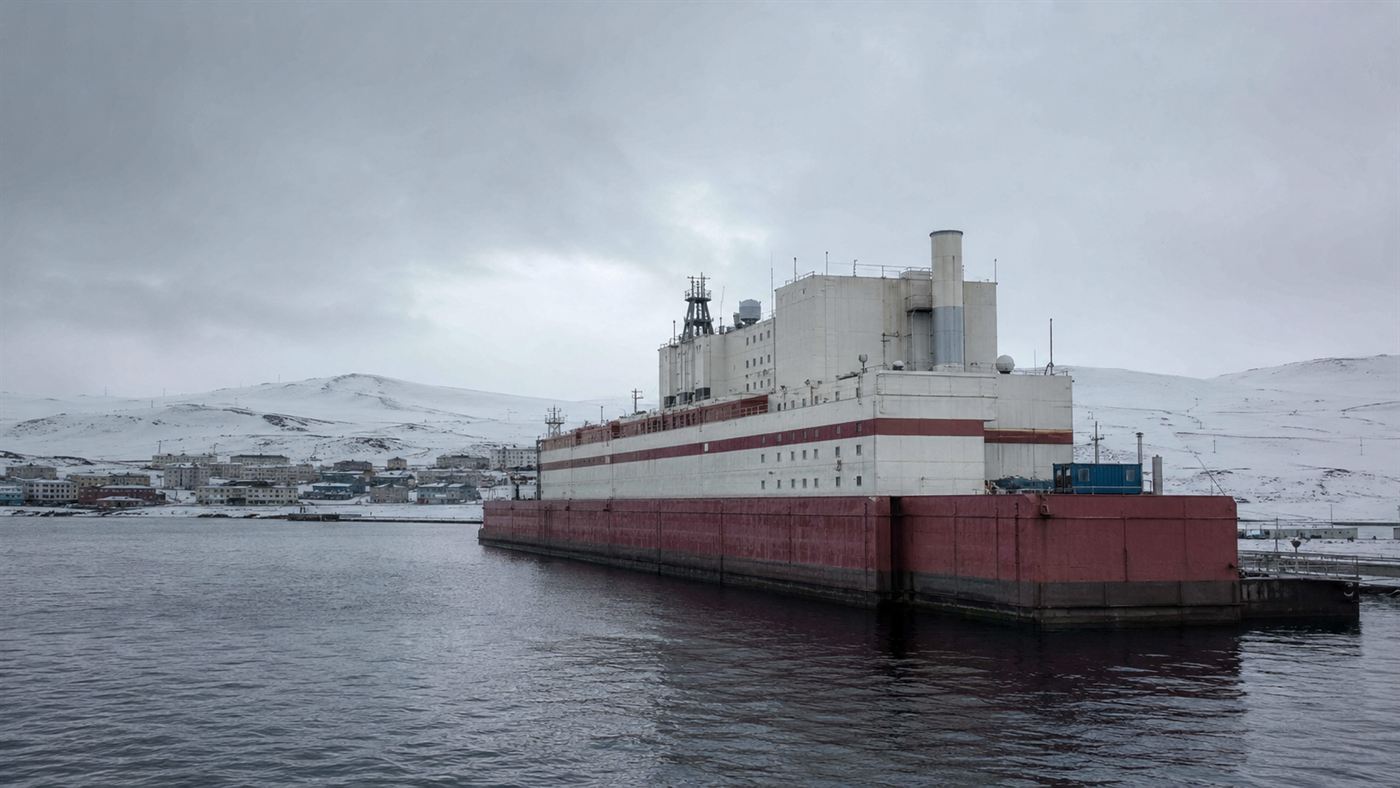
The Akademik Lomonosov, the first floating nuclear power plant, moored at Pevek in the Russian Arctic. Illustration: Watts & Wild.
The vessel is called the Akademik Lomonosov, and it belongs to Russia's state nuclear company, Rosatom. It is not a true ship, more a giant non-self-propelled barge weighing around 21,000 tonnes, carrying two small reactors that together generate about 70 megawatts of electricity, plus heat. The reactor design, the KLT-40S, is a relative of the units that have powered Russia's nuclear icebreakers for decades, which is part of why Rosatom trusted it to float.
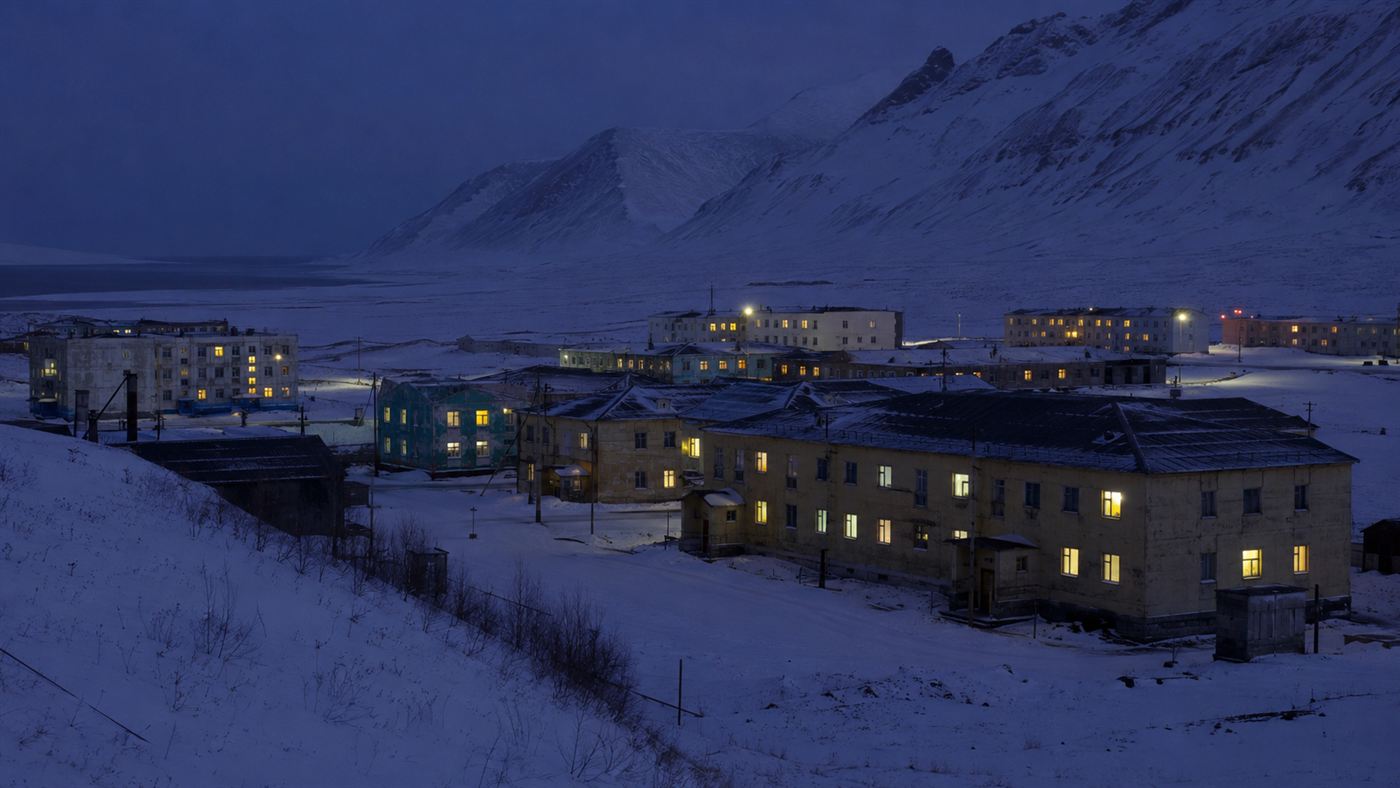
Its home is Pevek, in the far northeastern region of Chukotka, the northernmost town in all of Russia. Only a few thousand people live there, in a place where supplying reliable energy has always been brutally difficult and expensive. The floating plant replaced an ageing land-based nuclear station and an old coal plant, and now feeds both the town and the gold-mining operations around it.
Why build a floating nuclear power plant at all
The logic is surprisingly practical. Building a conventional power station in the high Arctic means hauling materials and workers to a frozen, almost roadless place, and constructing everything on permafrost in punishing cold. A floating plant flips the problem: you build the hard part in a normal shipyard far to the south, then simply tow the finished reactor to wherever it is needed and plug it in.
That makes it a tempting idea for any isolated coastal community or industrial site that is desperate for steady power and far from a grid. Rosatom openly sees the Akademik Lomonosov as a prototype, a floppy-disk first model for a fleet of mobile reactors it hopes to build and even export to other countries with remote coastlines.
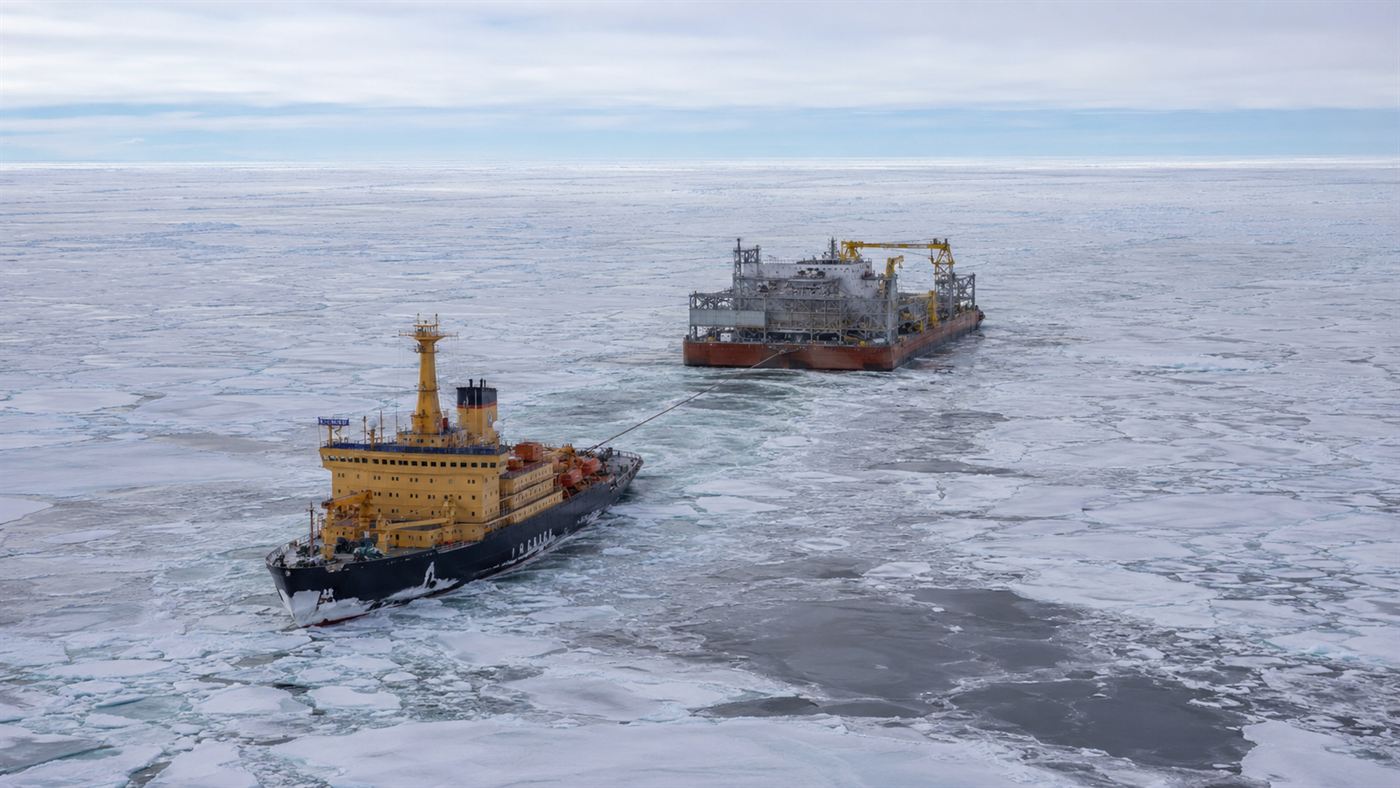
The 9,000-kilometre tow
Getting it there was its own saga. As industry reporting documented, the plant was towed roughly 9,000 kilometres from Murmansk, escorted by an icebreaker and tugs, arriving at Pevek in September 2019. It was connected to the grid that December and began commercial operation in 2020. For the first time, a nuclear reactor had been delivered to a community the way you would deliver a cargo of coal, by sea.
For Pevek, the effect is real and warm. In a region where a power failure in winter is not an inconvenience but a danger, a steady, low-carbon supply of electricity and district heat is genuinely transformative, and Rosatom says the plant has already avoided hundreds of thousands of tonnes of greenhouse emissions compared with burning fuel.
The honest catch
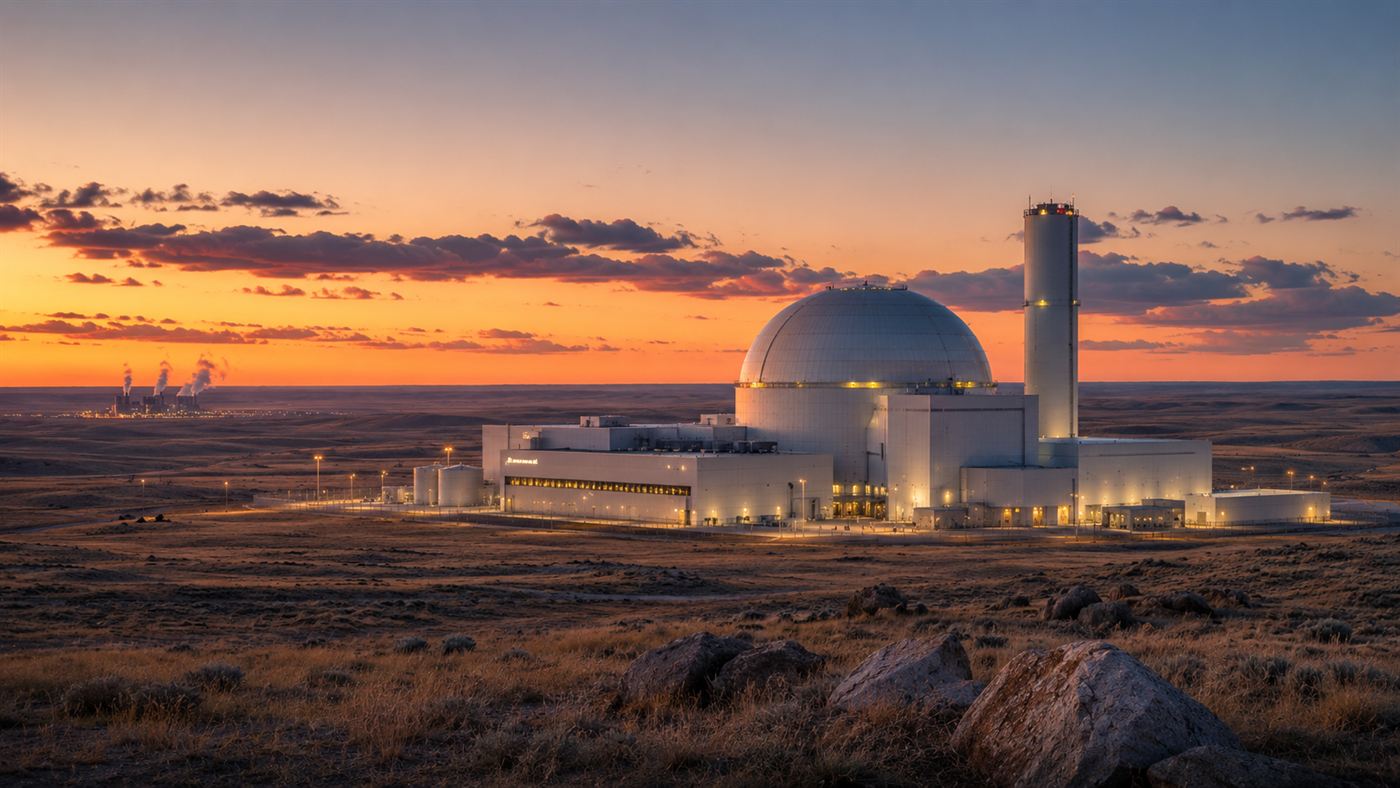
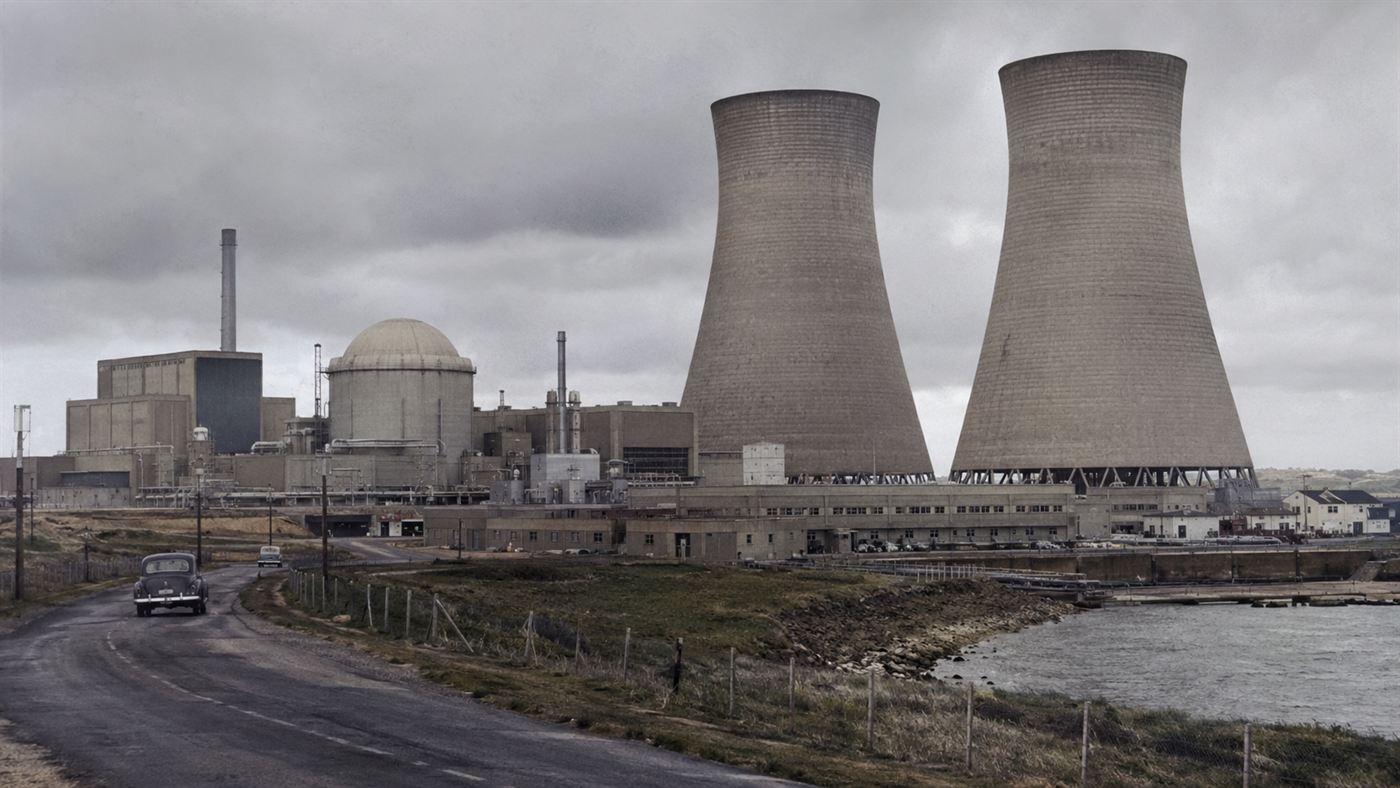
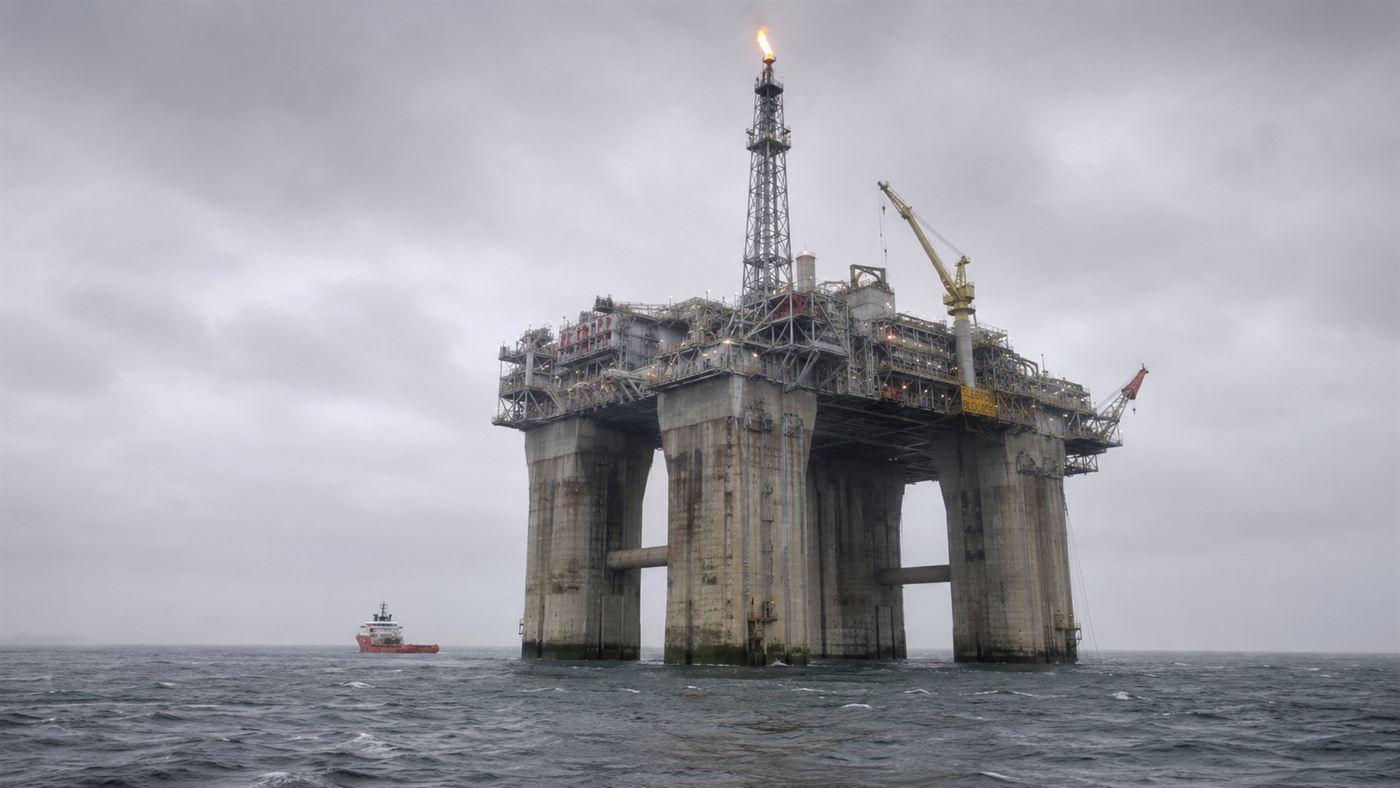
Not everyone is reassured by a reactor that bobs in the sea. Environmental groups, Greenpeace among them, nicknamed the project a "nuclear Titanic" and "Chernobyl on ice," warning that an accident, a storm, or a towing mishap involving a floating reactor in such a remote and fragile environment would be extraordinarily hard to respond to. Critics also question how openly the risks and safety record are shared, given how isolated and sensitive the site is. Supporters counter that the reactors are a proven, well-understood design and that the plant is built to ride out Arctic conditions. The truth sits somewhere in the cold middle: the Akademik Lomonosov is a genuinely clever answer to the real problem of powering the ends of the Earth, and also a real bet that nothing ever goes badly wrong with a nuclear plant floating at the top of the world. It is part of the same restless push to wring energy from impossible places as the colossal Troll A gas platform and the next generation of small reactors like TerraPower's Natrium design.
A nuclear power station that arrives by sea and parks off a frozen town is either the future of powering remote places or an accident waiting for the wrong storm. Would you want a floating reactor moored off your coast if it kept your lights on? Tell us what you think in the comments.
Related reading: the Troll A platform, the tallest structure humans have ever moved across the surface of the Earth.