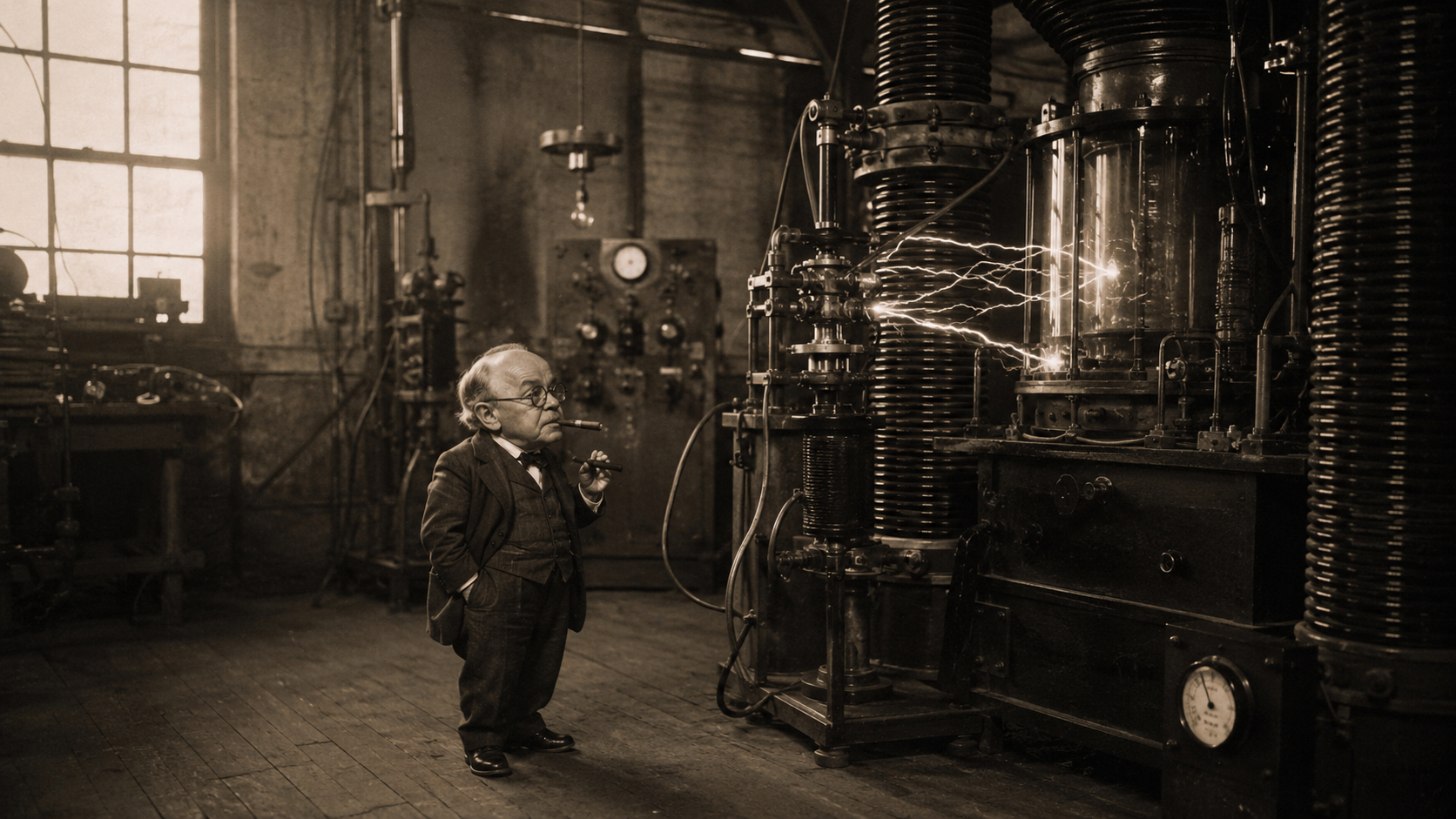
The cosy tradition of electric Christmas lights began in 1882 as a corporate stunt by one of Edison's men to sell electricity to a public that was frightened of it
The twinkling lights on the tree are about as warm and homely a thing as you can imagine. But the very first set was not a sentimental family heirloom. It was a hard-nosed advertisement, dreamed up by an Edison executive in 1882 to convince a nervous public that the strange new force called electricity was nothing to be afraid of, and well worth paying for.
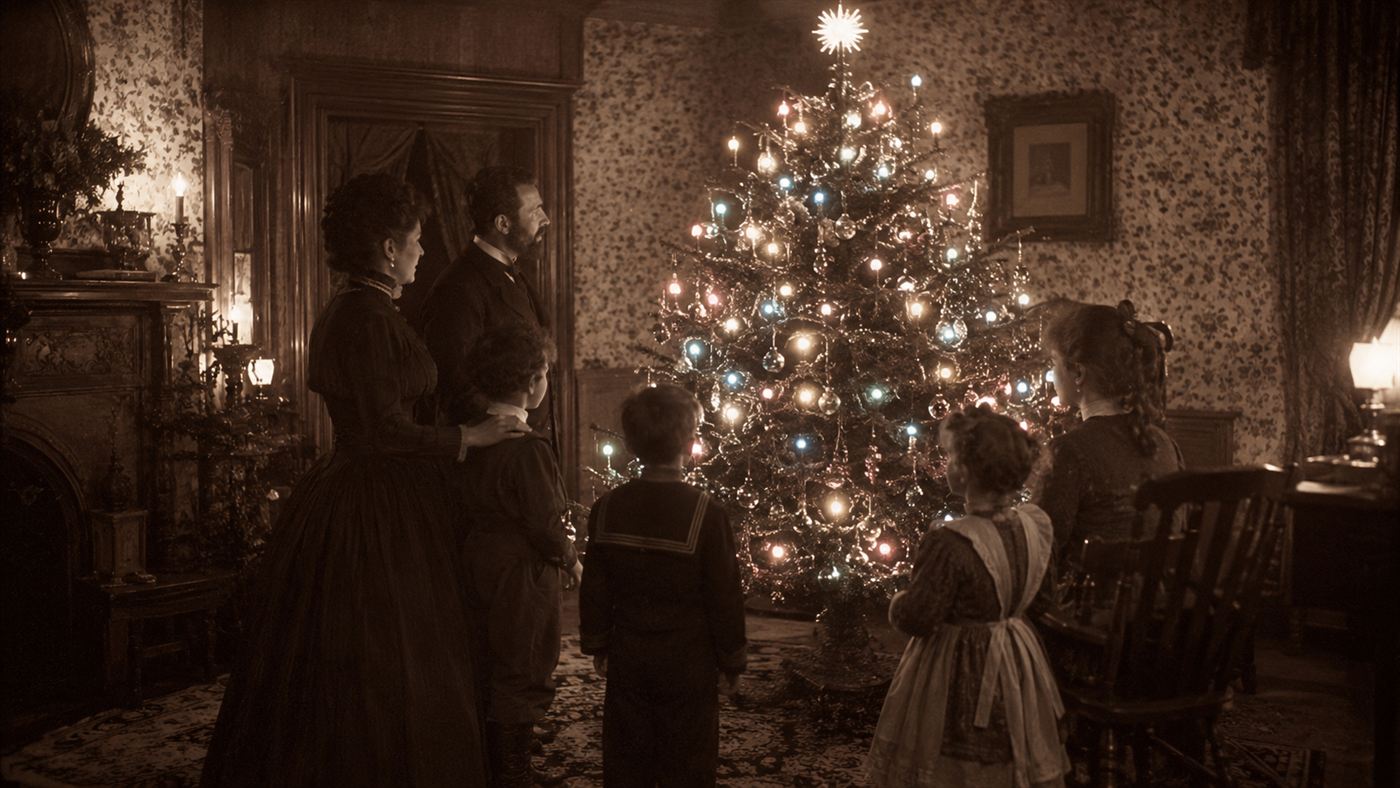
The world's first electrically lit Christmas tree, in New York, 1882. Illustration: Watts & Wild.
The story of electric Christmas lights is a perfect little parable of how technology and tradition get tangled together, and of how something that is now utterly ordinary once felt like a glimpse of the future, available only to the very rich. It begins, like so much of the electrical age, in the orbit of Thomas Edison.
The man who actually lit that first tree, though, was not Edison himself.
Who invented electric Christmas lights?
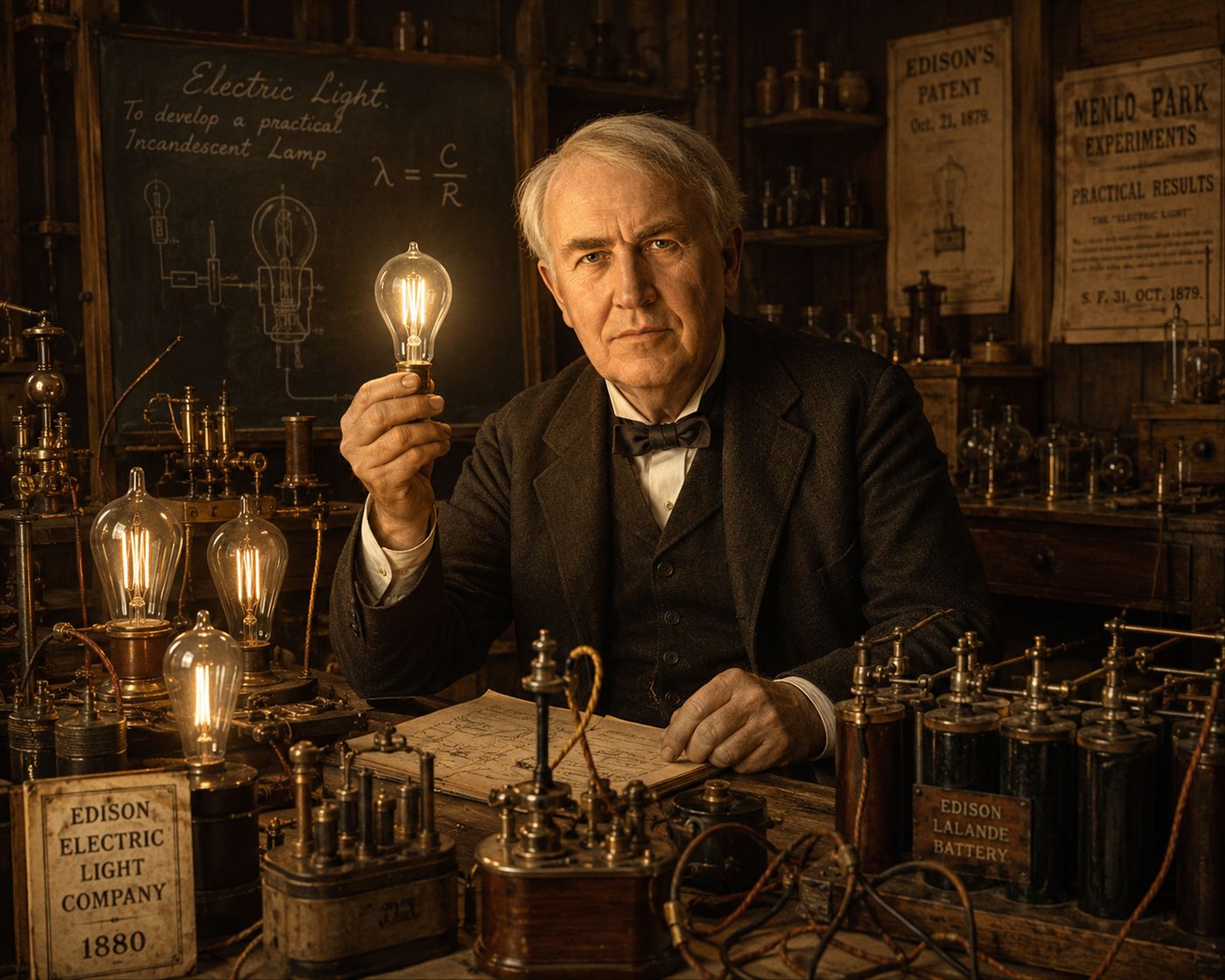
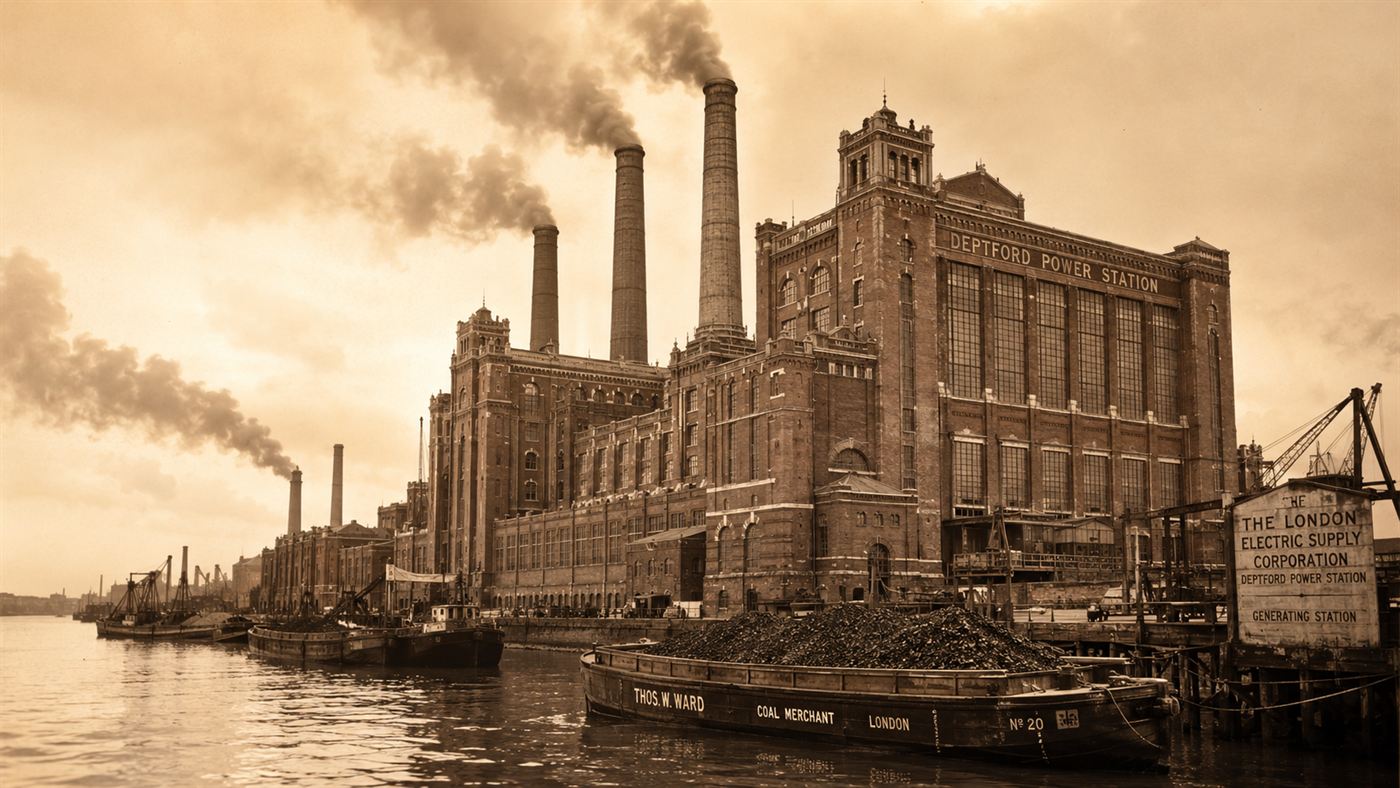
The credit goes to Edward Hibberd Johnson, a close business associate of Edison and a vice president of the Edison Electric Light Company. Johnson was no mere salesman; he was a serious figure in the early electrical industry, deeply involved in the Pearl Street generating station that had begun lighting part of lower Manhattan only a few months earlier, in September 1882.
That December, Johnson decided to bring the marvel home for the holidays. At his house in New York, he set up a Christmas tree and, according to a visiting newspaper reporter, hand-wired it with 80 small bulbs in red, white and blue, each said to be about the size of an English walnut. To make it even more of a spectacle, the whole tree sat on a little rotating box and turned slowly, six times a minute, so the coloured lights swept around in a continuous, dancing twinkle. Nobody had ever seen anything like it.
A rotating tree of 80 walnut-sized bulbs
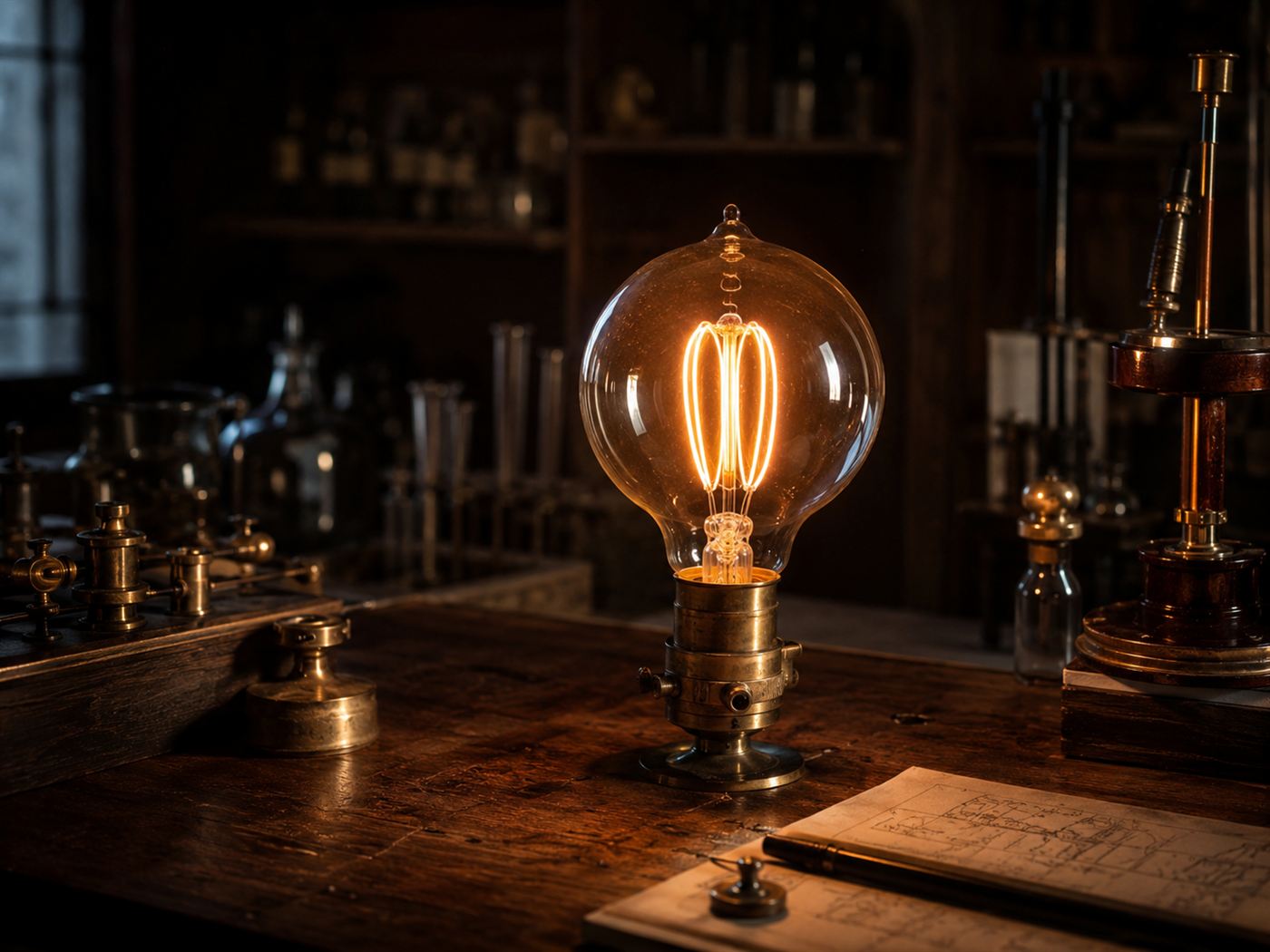
It is worth pausing on how genuinely radical this was. In 1882, the electric light bulb itself was barely three years old as a practical device, and most people had never seen one up close, let alone eighty of them glowing together on a tree. To a Victorian visitor, the sight of a spinning evergreen wreathed in steady, flameless, multicoloured light must have seemed almost magical.
And that wonder was exactly the goal. Johnson's tree was, at heart, a brilliant piece of public relations for Edison's electric light, designed to plant the idea that electricity was not a dangerous industrial novelty but something beautiful, even festive, that belonged in your own front room. It worked as spectacle, drawing press attention, but as a product it was wildly ahead of its time.
Why it stayed a rich person's toy
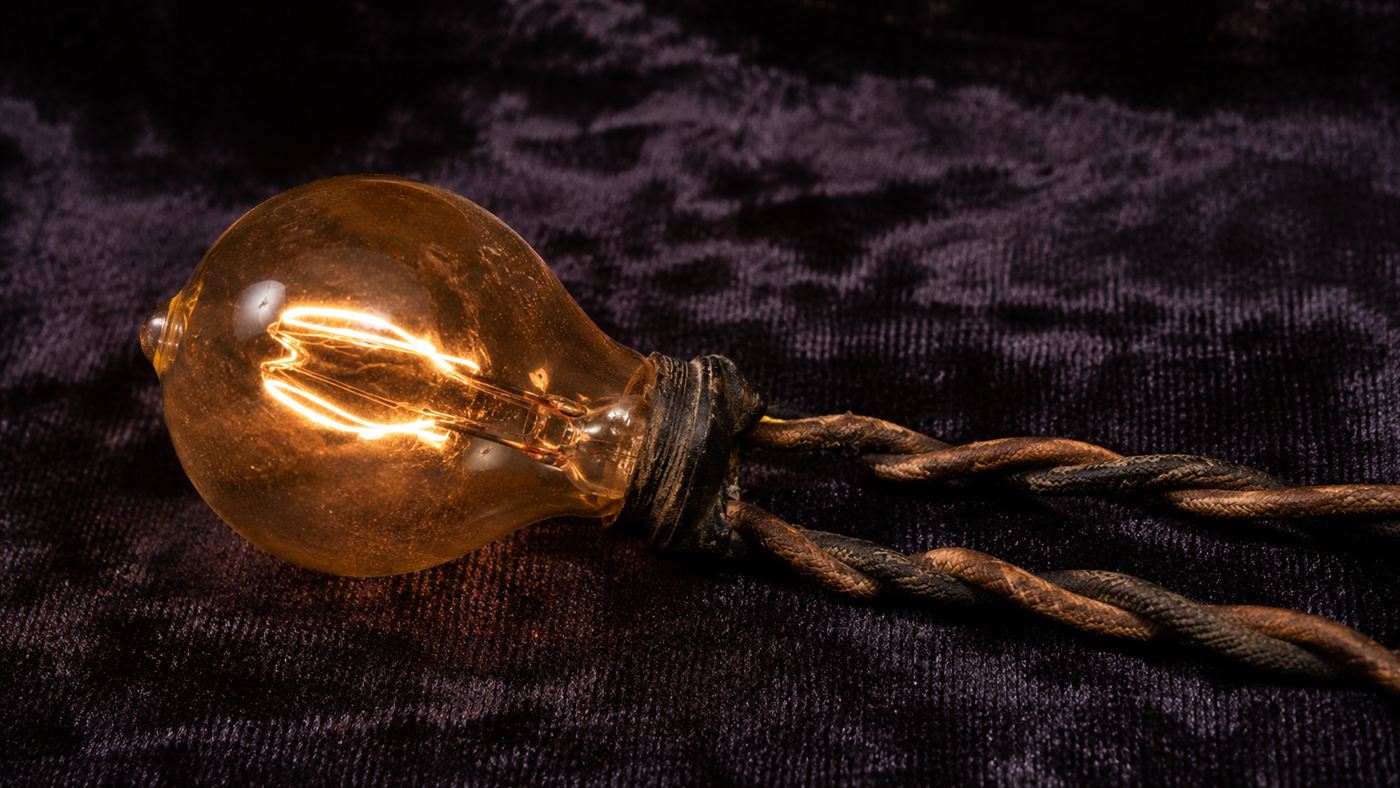
For all its dazzle, the electric Christmas tree did not sweep the nation overnight. Quite the opposite: for the next thirty years or so, it remained a plaything of the wealthy elite, for some very practical reasons. Those first bulbs had no convenient screw-in sockets, so every single lamp had to be painstakingly wired by hand by someone who knew what they were doing.
The result was eye-wateringly expensive. A fashionable household wanting an electric tree could end up paying the equivalent of thousands of today's dollars, hiring a professional electrician not just to install the lights but to stand by in case a bulb burned out or broke during the party. On top of that, most homes were not yet wired for electricity at all, and there was no standardisation of bulbs or sockets. An electric Christmas tree was less a decoration than a conspicuous display of wealth and modernity.
How electric Christmas lights conquered the world
The breakthrough that turned a rich man's spectacle into a universal tradition came in stages. A boost in prestige arrived in 1895, when President Grover Cleveland had the White House family tree lit with electric bulbs, putting the idea firmly in the national imagination. Then came the crucial engineering step: in 1903, General Electric began selling the first pre-assembled strings of light sockets, so you no longer needed an electrician to wire each lamp.
The final push was pure salesmanship. Around 1917, a teenager named Albert Sadacca, whose family ran a novelty lighting business, championed the idea of selling cheap, brightly coloured strings of Christmas lights to ordinary people, and slowly the price came down and the tradition spread. What had started as one executive's showpiece became, over decades, the glowing centrepiece of homes across the world.
The honest catch
A couple of details deserve straightening out. Johnson is rightly remembered for the first electrically lit Christmas tree, but he did not invent the light bulb or even the idea of decorative electric lighting; Edison's lab had already strung up lamps for display. And the person who really turned electric Christmas lights into a mass-market product was not Johnson but the later figures, GE and Sadacca, who made them cheap and easy.
It is also a gentle myth-buster about the warm fuzzy tradition itself. The first electric Christmas lights were not born of holiday sentiment at all, but of commerce: a deliberate effort to make money by making electricity feel safe and lovable. That does not make them any less charming. If anything, it is rather wonderful that one of the world's cosiest traditions began life as an advertising campaign and grew into something genuinely beloved.
Why electric Christmas lights still matter
Every December, when streets and homes light up with billions of tiny bulbs, we are repeating, on a planetary scale, the trick Edward Johnson pulled in a single New York parlour in 1882. We are using electric light not just to see by, but to feel something: warmth, wonder, celebration. It is one of the purest examples of a technology that crossed over from the practical into the emotional.
And that crossover is the real legacy. An invention sold to us as a safe, modern convenience quietly became a carrier of joy and memory, proof that the things we build do not just change what we can do, but what we feel. The next time you switch on the tree, you are flicking the same switch Johnson flicked to sell the future, and somewhere along the way, the advert became a tradition.
One of the warmest traditions in the world began as a cold-blooded advert for electricity, and only the rich could afford it for thirty years. Does knowing a beloved tradition started as a marketing stunt change how you feel about it at all? Tell us what you think in the comments.
Related reading: The bulbs on that first tree only existed because of a long, bitter race to invent the light bulb, one Joseph Swan arguably won before Edison.