A dam built to light a distant city in 1913 was an engineering marvel, and it quietly erased a wild stretch of the Mississippi forever
Long before the great dams of the West, one enormous wall of concrete was thrown across the Mississippi to catch the river's power and send it to a city many miles away. It worked brilliantly, and the price was a famous rapids that no living person will ever see again.
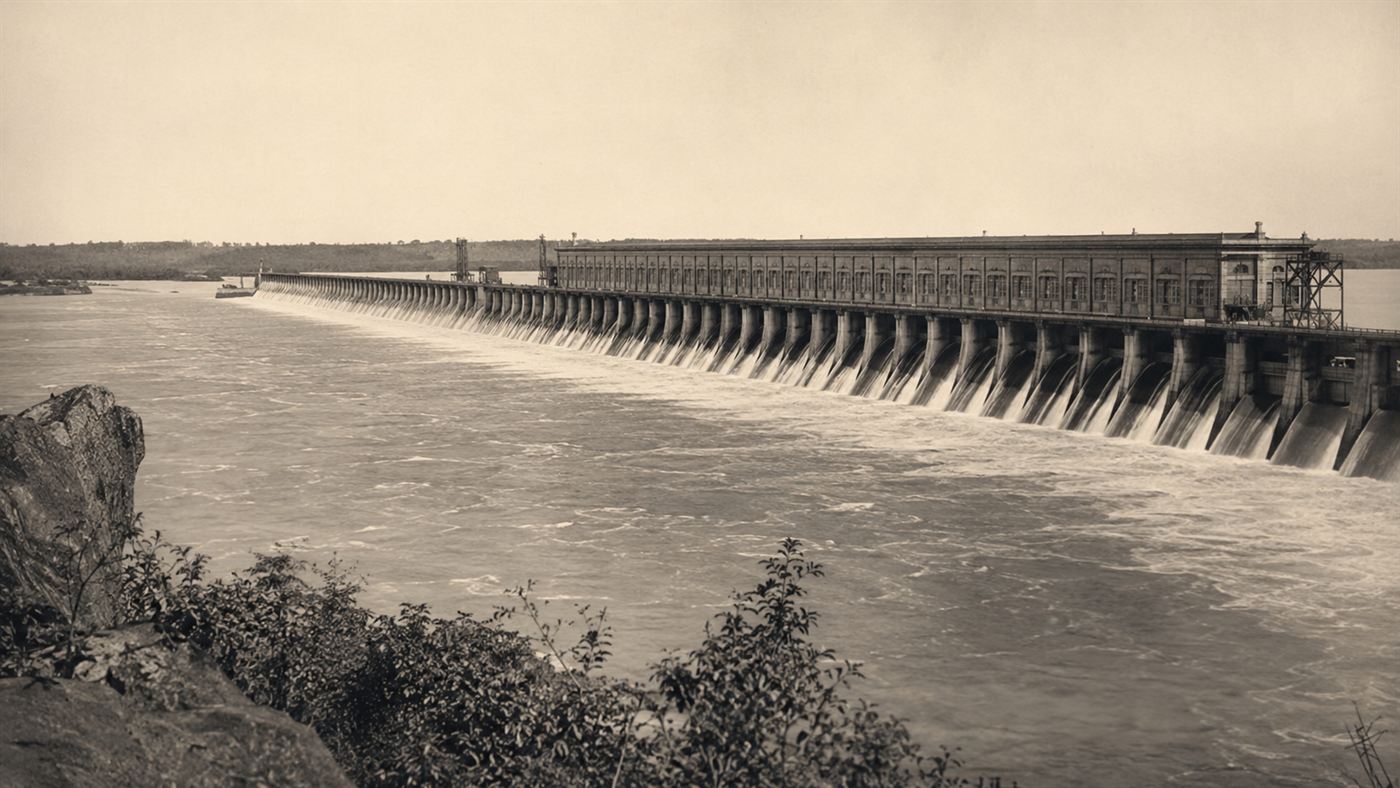
The Keokuk Dam stretched right across the Mississippi when it opened in 1913. Illustration: Watts & Wild.
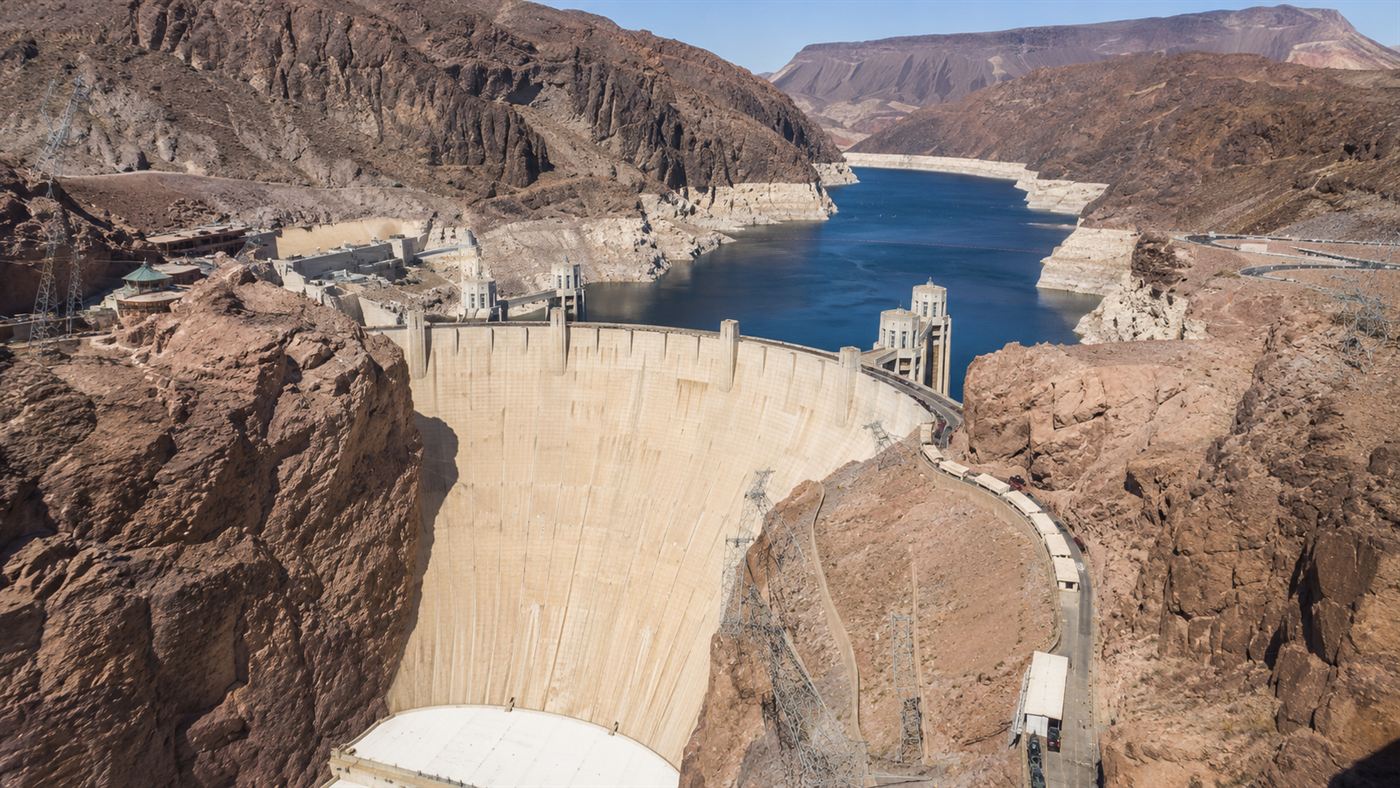
In 1913, at the town of Keokuk in the far southeast corner of Iowa, engineers finished a structure that briefly made the world stare. The Keokuk Dam ran clear across the Mississippi River, nearly a mile of concrete tying Iowa to Illinois, with a vast powerhouse built into it and a lock to let boats pass around the new barrier.
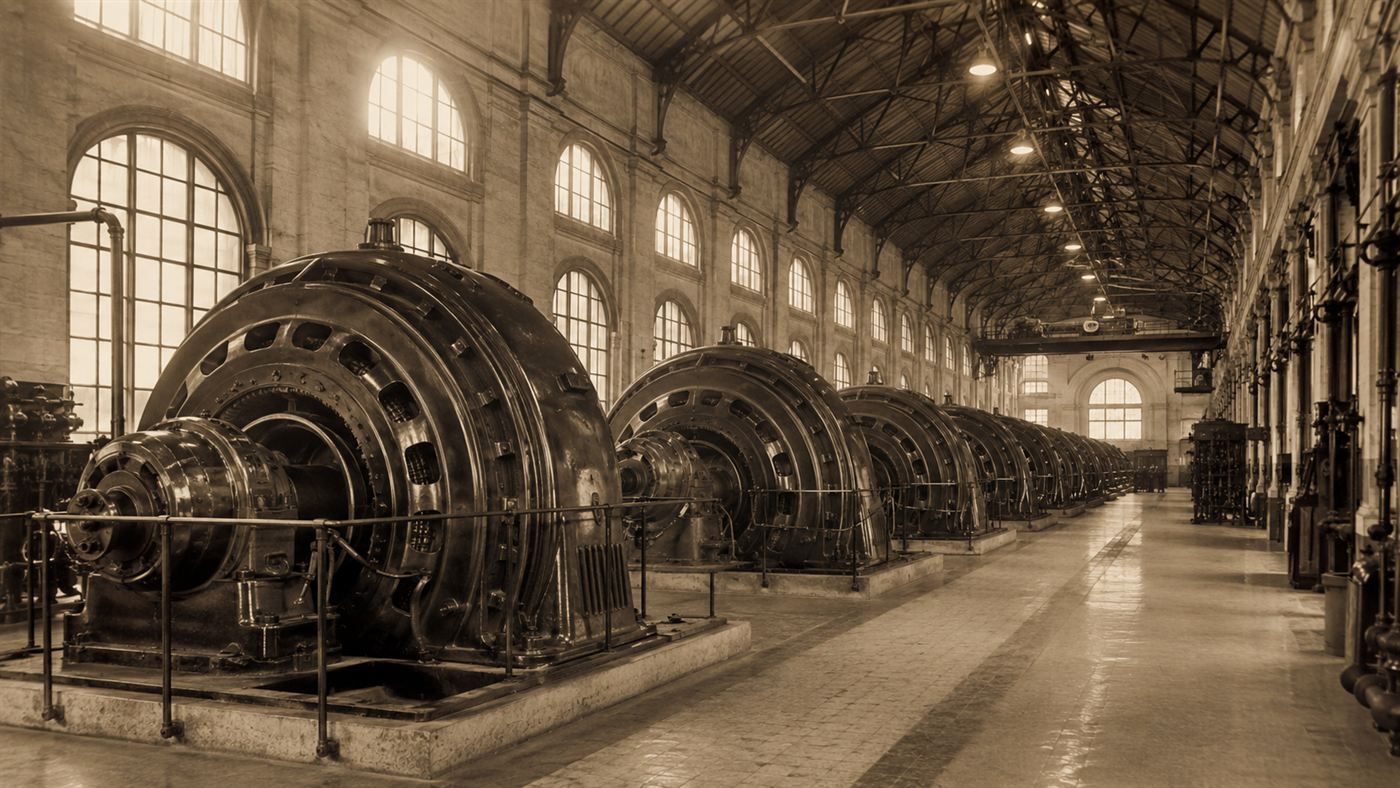
For its moment, it was staggering. The powerhouse was among the largest of its kind anywhere, and the electricity it generated was pushed all the way to St Louis, roughly a hundred and seventy miles downstream, over one of the longest high-voltage transmission lines yet attempted. It was a genuine leap in what electricity could do.
The short version is that the Keokuk Dam was a triumph that deserves its place in the story of American power. But triumphs like this always flood something, and what this one drowned was not just farmland. It was one of the last wild wonders of the upper river.
What the Keokuk Dam achieved
The scale of the thing is easy to underrate now that giant dams feel ordinary. Hugh Lincoln Cooper, the engineer who drove the project, was building at a size and ambition almost no one had matched on a navigable river, and doing it as a private commercial venture rather than a government scheme.
Its real breakthrough was distance. Generating power was one thing; sending it a hundred and seventy miles to a major city without losing most of it along the way was another, and Keokuk helped prove that electricity could be produced in one place and used far away. That single idea would go on to shape the entire modern grid.
The rapids it swallowed
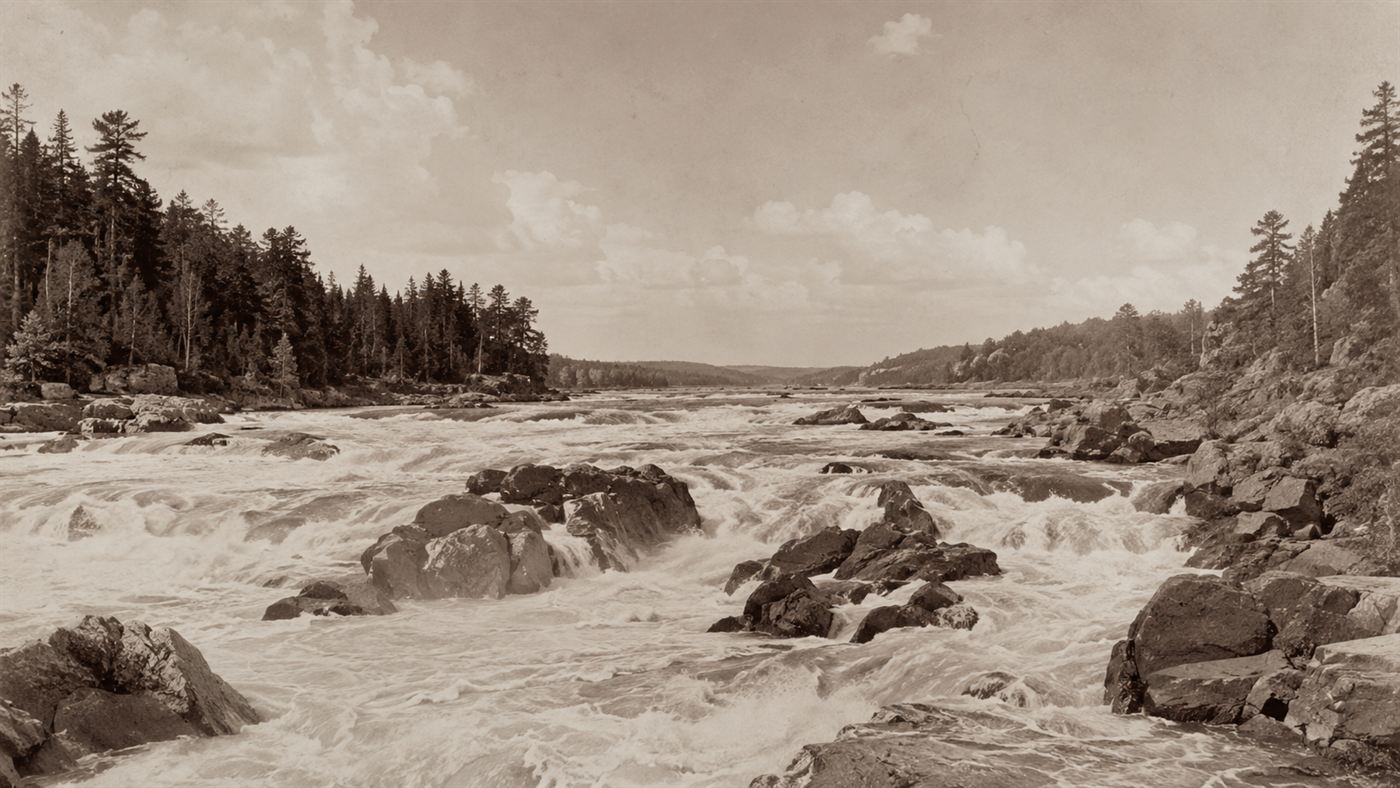
To make all that power, the dam had to raise the river behind it into a long, deep reservoir, and that pool spread back upstream and buried the Des Moines Rapids. For anyone who had known the Mississippi River here, that was an enormous loss, because these were no ordinary shallows.
The Des Moines Rapids were a roughly eleven-mile run of rock and fast, broken water, a famous and dangerous stretch that had shaped travel on the upper river for as long as people had paddled it. Boats had wrecked on them, portaged around them and cursed them for generations. When the reservoir rose, all of it vanished beneath a flat, silent sheet of water.
What else went under
It was not only the rapids. The rising water spread wide across the valley, swallowing islands, bottomland forest and the low ground of communities along the banks. Places people had lived and farmed, and older sites that mattered to Native peoples of the region, went under along with the white water.
This is the part that the proud old photographs of the powerhouse never show. A reservoir does not politely flood only the useless land; it takes whatever sits below its new level, history and habitat alike, and it does so permanently. The lake that Keokuk created is still there, and so is everything it holds down.
Why don't we remember the trade?
Partly because the dam is still working and still useful, more than a century on, quietly making clean hydroelectric power and carrying a road and a lock. A structure that keeps doing its job for over a hundred years earns a kind of respect, and its costs fade into the past while its benefits stay visible every day.
And partly because the thing it destroyed was, by 1913, easy to frame as an obstacle rather than a treasure. The Des Moines Rapids were dangerous and inconvenient, so drowning them could be sold purely as progress, taming a hazard, with the loss of a unique wild landscape treated as a footnote nobody needed to dwell on.
The honest catch
None of this makes the Keokuk Dam a villain. It was, and remains, a real achievement, a clean source of power that helped teach the world how to move electricity across long distances, and it has paid its keep for generations. Condemning it outright would be as dishonest as pretending it cost nothing.
But the honest version refuses to let the trade disappear. Every great dam is a bargain, power and control bought with a drowned valley, and at Keokuk the currency included one of the last untamed reaches of the upper Mississippi River, gone so completely that we now have to be told it was ever there. The lesson is not that the dam was wrong, but that progress on a river is never free, and the bill is usually paid by the wild thing that was there first.
A century-old dam still lights homes today, on top of a wild rapids almost nobody now remembers. Is a working wonder worth the wild place it quietly erased? Tell us what you think in the comments.
Related reading: the Niagara plant that first proved a new kind of power could work. See also the Elwha, where America tore a dam down to bring a river back, and the Eads Bridge that first tamed this same great river.