In 1976 America's newest federal dam collapsed the very first time it was filled, sending a wall of water through Idaho farm towns and helping to end the age of the great dams
It was brand new, enormous and built by the same agency that had tamed the Colorado River. Then, the very first time its lake filled, the whole thing simply dissolved. What poured out was not just a flood but the end of an era, and a lesson written in mud across the Idaho plain about the limits of confidence.
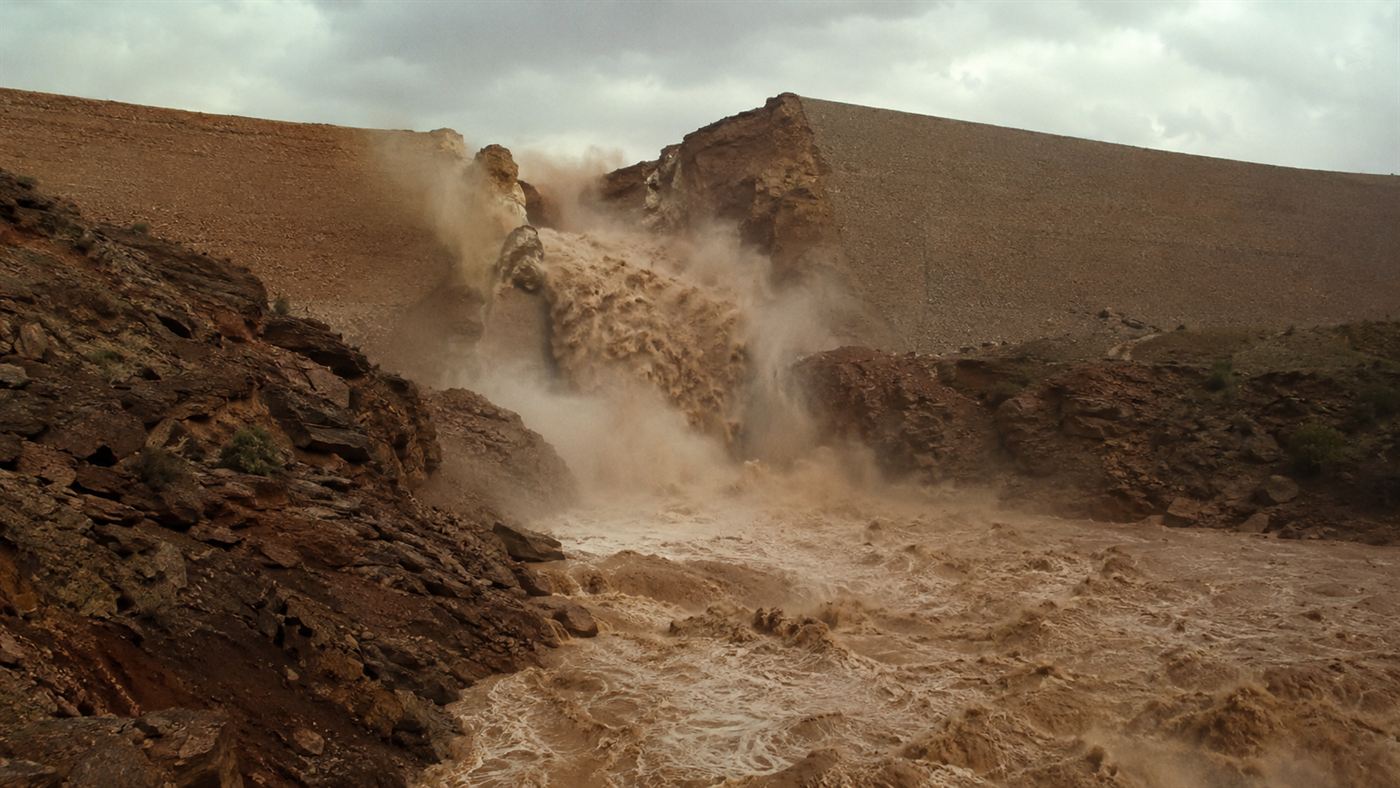
The Teton Dam gave way as its reservoir filled for the very first time. Illustration: Watts & Wild.
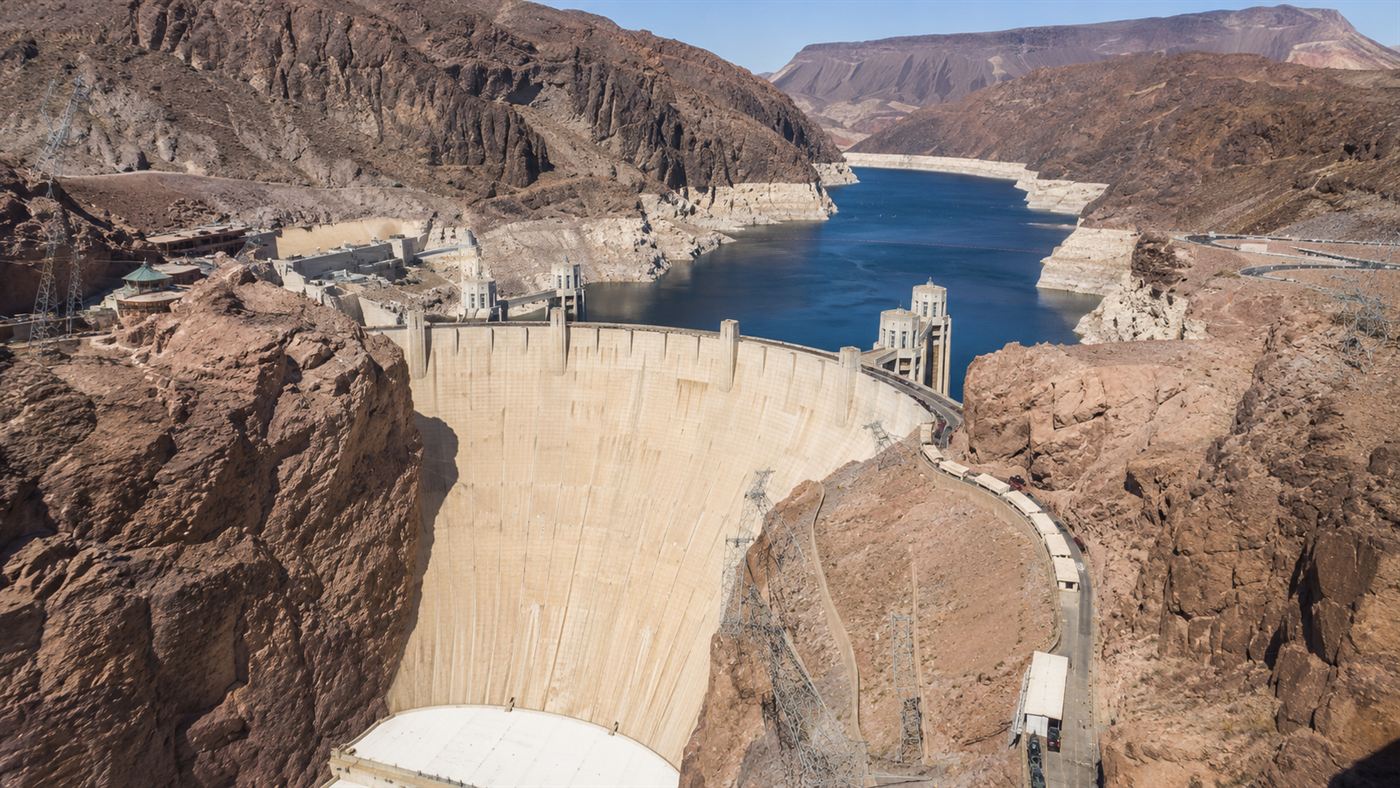
By the mid-1970s, the United States Bureau of Reclamation was the most accomplished dam builder on Earth. It had thrown Hoover Dam across a canyon and turned deserts green, and few doubted its engineers. So when it finished a new earthen dam on the Teton River in eastern Idaho in late 1975, the structure looked like just another triumph in a long list.
On the morning of 5 June 1976, as the reservoir behind it rose toward full for the first time, workers noticed water leaking from the dam's face. Within hours the trickles became a torrent, a whirlpool opened, and around midday the entire right side of the dam collapsed, releasing the lake in a brown, roaring flood.
The short version is almost unthinkable for a modern megaproject. A huge, brand-new, government-built dam failed the very first time it was asked to hold back a full reservoir, and the water it loosed rewrote the map of the valley below.
The flood that swallowed the valley
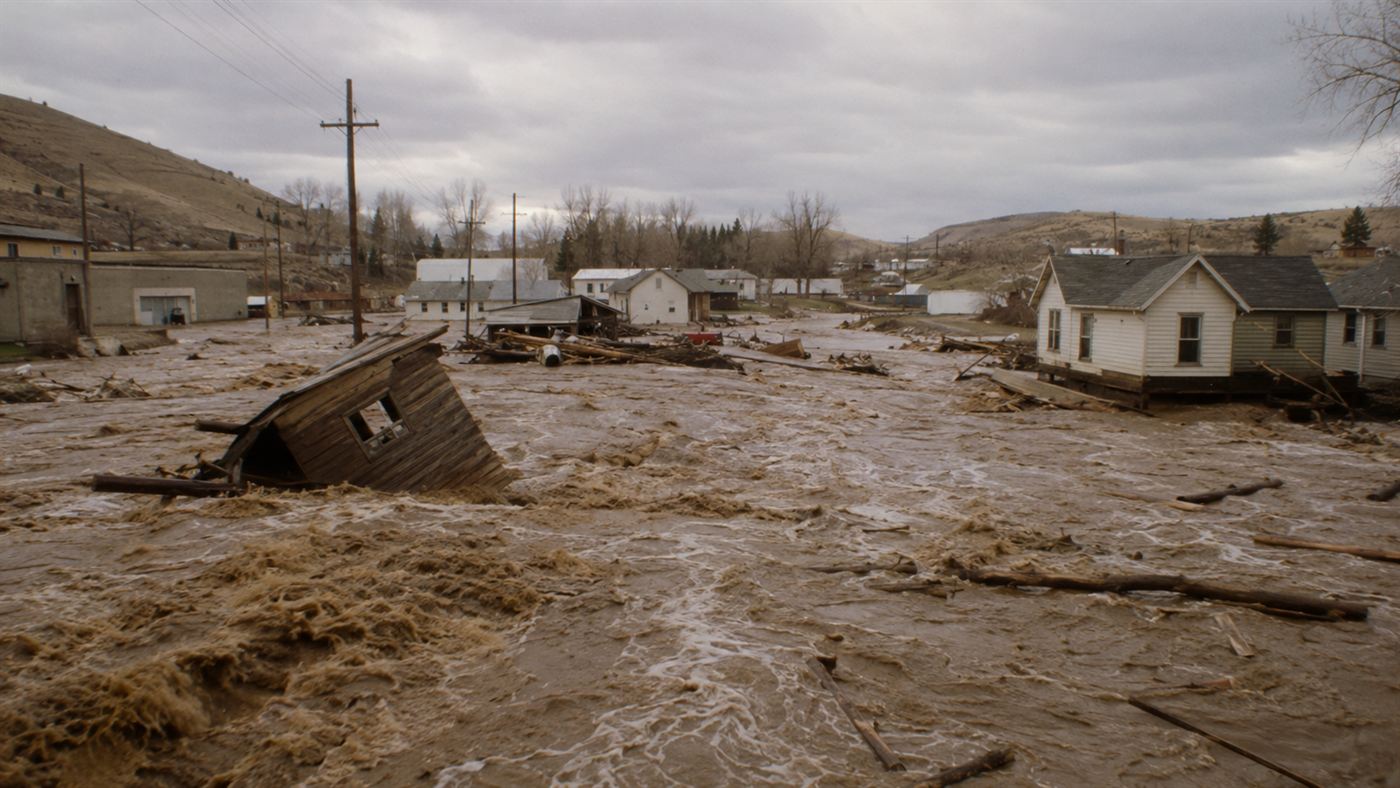
The wall of water fell on a string of farming communities strung along the Snake River plain. Warnings raced ahead of it, and people fled with only minutes to spare, grabbing family and little else before the flood arrived. Towns such as Wilford, Sugar City and Rexburg took the brunt of it.
The devastation was staggering. A lumberyard upstream was torn apart, and thousands of heavy logs became battering rams that smashed through everything in their path. Thousands of homes were wrecked, around 13,000 cattle drowned, and the damage climbed into the billions. That only about 11 people died says less about the flood's mercy than about how quickly the alarm went out.
Why the Teton Dam failed on its first fill
The answer lay in the ground the dam stood on. The canyon was cut through volcanic rock that was riddled with cracks and open joints, some of them wide enough to swallow a fist, and that kind of foundation leaks. To seal it, engineers relied heavily on a core of fine, wind-blown silt and on grouting the rock, but it was not enough.
As the reservoir pressed down, water found its way into the fractured rock and began to flow through and around the dam. That seeping water quietly carved channels through the soft core in a process engineers call piping, hollowing the dam out from the inside until, with no warning left to give, it caved in. The Teton Dam was undone not by a storm but by its own foundations.
Could the disaster have been prevented?
This is the part that stings. The troubling geology was not a secret. The permeable, fractured rock had been noted during planning, some experts had raised concerns about building a big dam on it, and there were arguments that the site was a poor choice from the start. Those worries were weighed and, in the end, set aside.
Later investigations concluded that the failure grew directly from decisions about how to handle that leaky foundation, not from some freak, unforeseeable event. In other words, the collapse was a preventable one, born less of bad luck than of an institution so sure of itself that it built a dam where the rock was telling it not to.
The disaster that ended an era
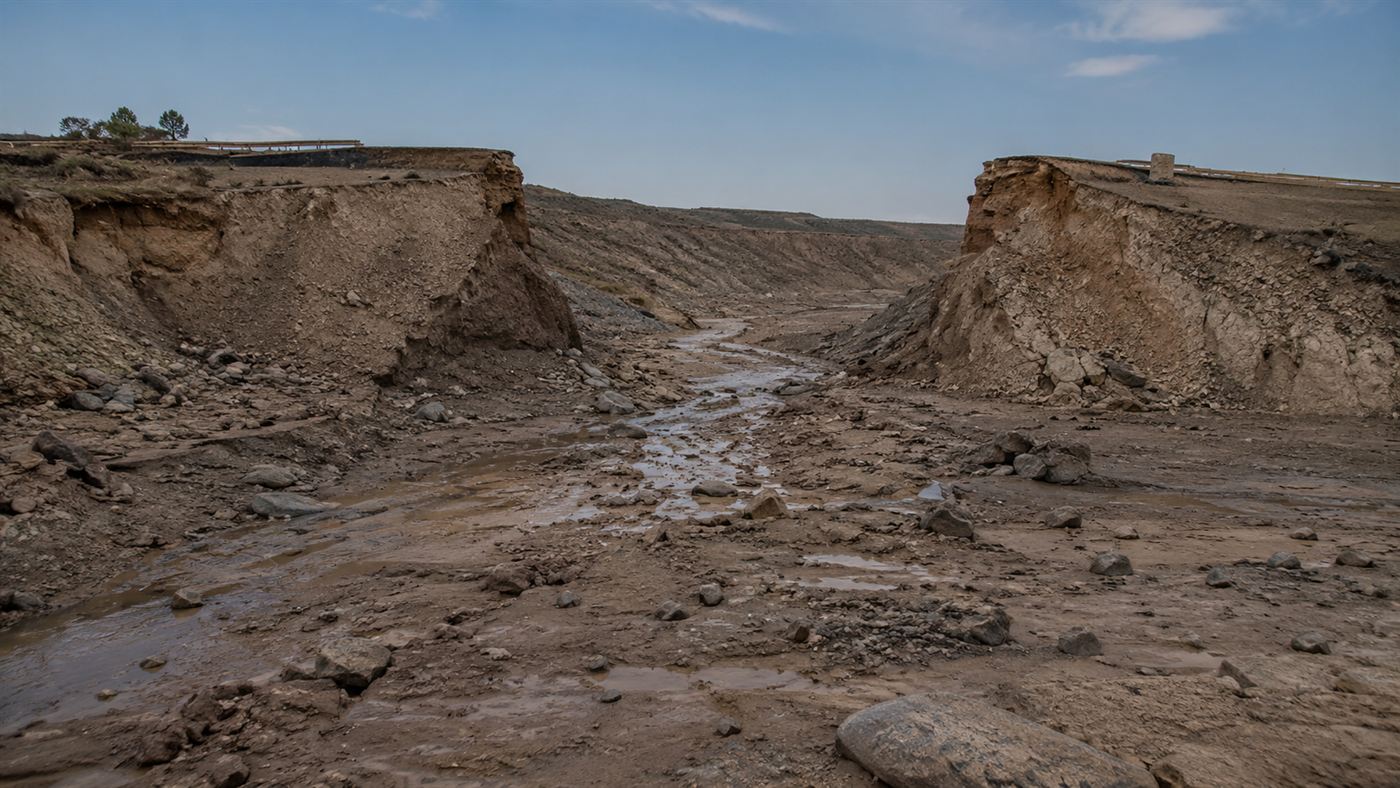
The Teton Dam did more than flood a valley; it broke a spell. For decades, big federal dams had been symbols of progress, and the Bureau of Reclamation had seemed almost infallible. Watching one of its brand-new dams dissolve on live television shattered that image in an afternoon.
Coming at a time when the country was already growing wary of the environmental cost and the huge price tag of giant dams, the disaster became a turning point. It helped bring the great American dam-building era to a close, and it forced a hard, lasting reckoning with dam safety that reshaped how such structures are checked and approved to this day.
The honest catch
It is tempting to file the Teton Dam under simple negligence, but the truth is a little more layered. The low death toll was a genuine achievement of fast warnings and evacuation, not a sign that the failure was minor, and the engineers involved were not fools; they were skilled people trapped inside an overconfident system that had rarely been told no.
It is also fairer to call the disaster a catalyst than a sole cause. The age of the great dams was already fading under the weight of economics and a rising environmental movement, and the Teton Dam did not kill it single-handedly. What it did was provide an unforgettable image of what happens when ambition outruns the ground beneath it, and that picture stuck.
A brand-new dam built by the world's best dam builders dissolved the first day it was filled, because the rock underneath had been quietly warning them all along. When experts are sure and the ground is not, whose judgement should win? Tell us what you think in the comments.
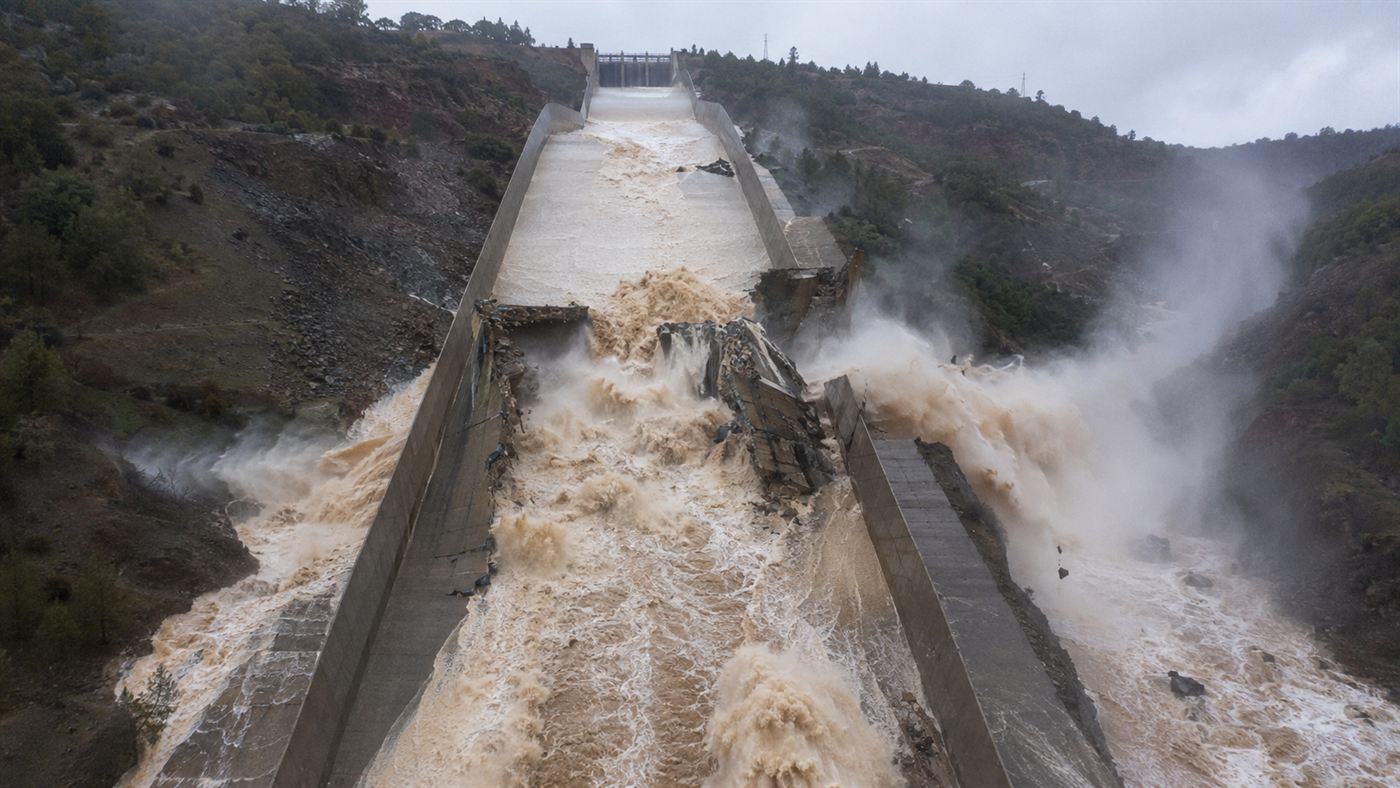
Related reading: the Los Angeles dam whose collapse ended a famous engineer's career. See also the Johnstown flood, when a neglected dam drowned a Pennsylvania city, and the Oroville spillway that nearly failed and forced a mass evacuation.