A medicine that tasted of raspberries was mixed with a poison and sold legally, and the hundred deaths that followed forced America to make drugs prove they are safe
We take it for granted that a medicine has been tested before it reaches us. That rule was not born from caution but from catastrophe, from a sweet pink liquid sold in 1937 that healed sore throats and then killed the people who drank it.
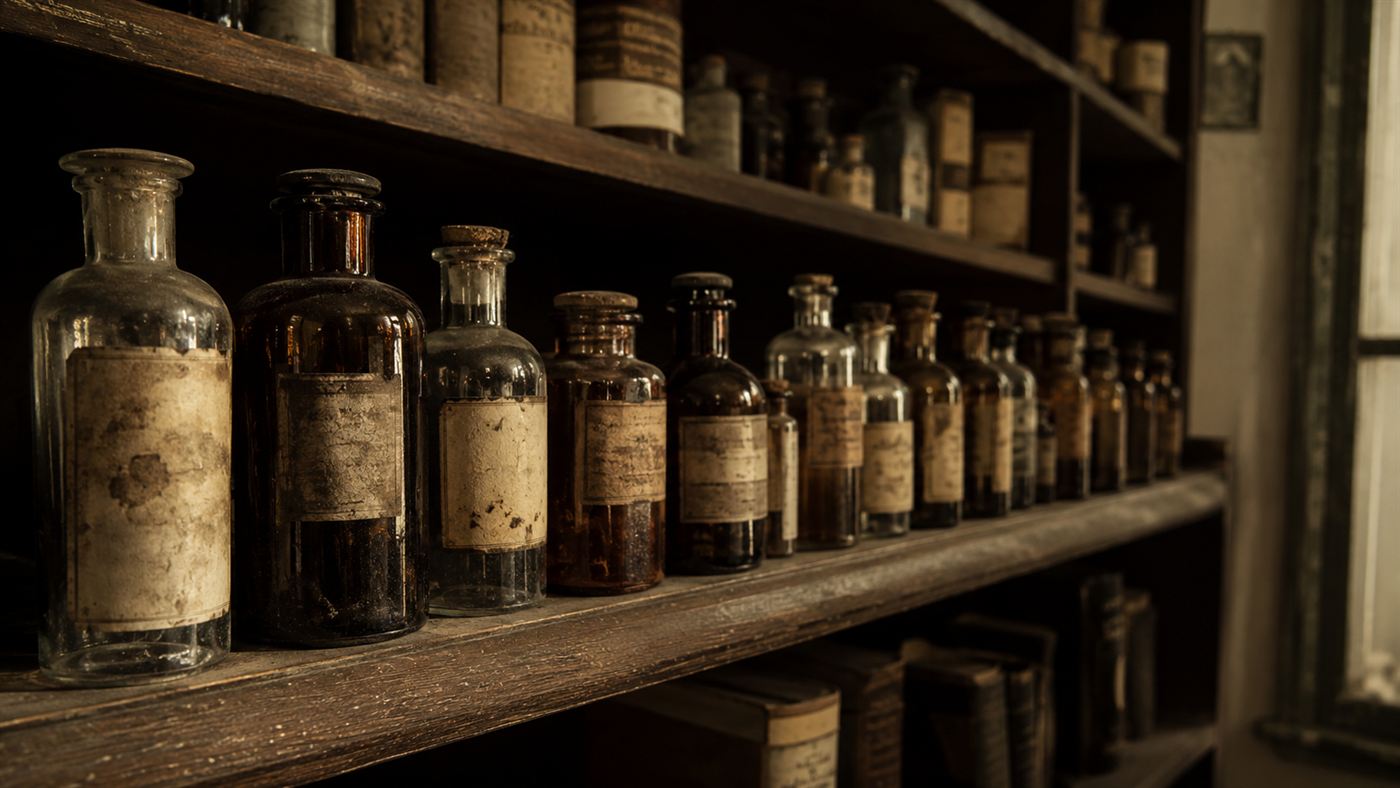
Elixir Sulfanilamide looked and tasted like an ordinary sweet medicine. Illustration: Watts & Wild.
In the mid-1930s, sulfanilamide was a genuine miracle. It was one of the first drugs that could reliably kill the bacteria behind deadly infections, and doctors reached for it eagerly. The only inconvenience was that it came as pills and powders, and there was demand for a liquid version that children and the squeamish could swallow more easily.
A Tennessee firm, the S.E. Massengill Company, set out to make one. Its chief chemist found that the drug dissolved beautifully in a sweet, syrupy liquid, added raspberry flavouring, and the company shipped the result across the country as Elixir Sulfanilamide. It looked wholesome, it tasted pleasant, and no one had checked whether it was safe to drink.
The short version is that the sweet solvent was a poison, that selling it broke no law because no such law existed, and that the people who died of it, many of them children, are the reason your medicines are tested at all.
The sweet poison in Elixir Sulfanilamide
The liquid that dissolved the drug so nicely was diethylene glycol, a chemical cousin of the antifreeze in a car radiator. It is faintly sweet and mixes well, which is exactly why the chemist chose it, but inside the human body it attacks the kidneys, shutting them down and causing a slow, agonising death.
No one at the company appears to have known this, because no one was required to find out. The chemist tested the elixir for how it looked, smelled and tasted, and it passed all three, but the one test that mattered, whether it would kill a living creature, was never run. Diethylene glycol went out to pharmacies dressed as medicine.
A hundred deaths across the country
The results reached families within weeks. People took the elixir for ordinary complaints, sore throats and infections, and instead of getting better they fell gravely ill, their kidneys failing as the poison did its work. Around a hundred people died in the autumn of 1937, scattered across many states, and a heartbreaking share of them were children.
One of the most quoted records of the disaster is a letter from a mother describing how the medicine given to soothe her small daughter's throat had instead taken the child's life by inches. Multiplied across the country, those private horrors added up to one of the deadliest medicine poisonings in American history.
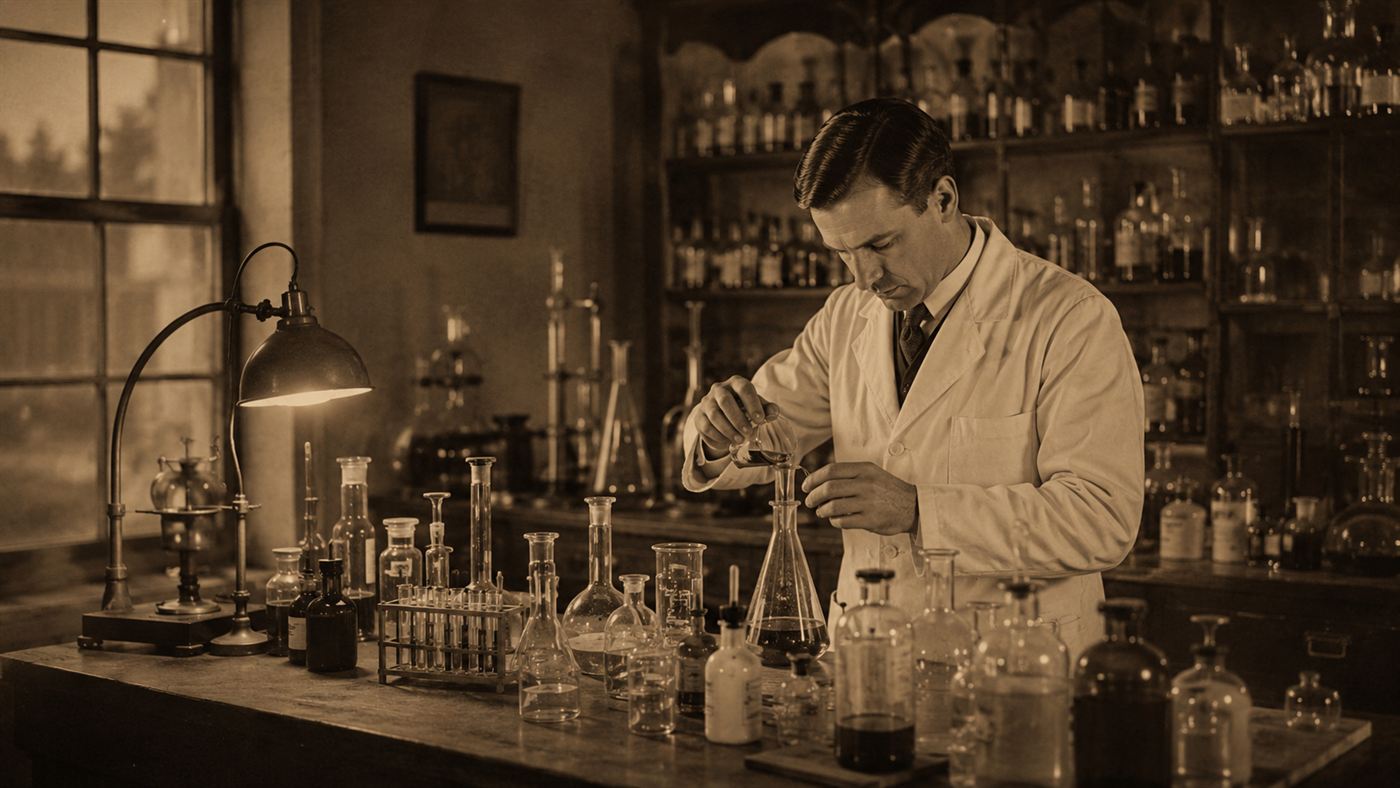
The chase to recover the bottles
When the deaths were traced to the elixir, the young federal Food and Drug Administration threw almost its entire field force into hunting down every bottle. It was a desperate race, because much of the medicine had already been sold and scattered into homes across the nation.
Strangely, the only clear legal weapon the FDA had was a technicality. Under the weak laws of the day, it could not act on the fact that the product was deadly, only on the fact that calling it an elixir falsely implied it contained alcohol. That absurd loophole, a mislabelling charge for a mass poisoning, laid bare how little power anyone had to keep dangerous drugs off the shelves.
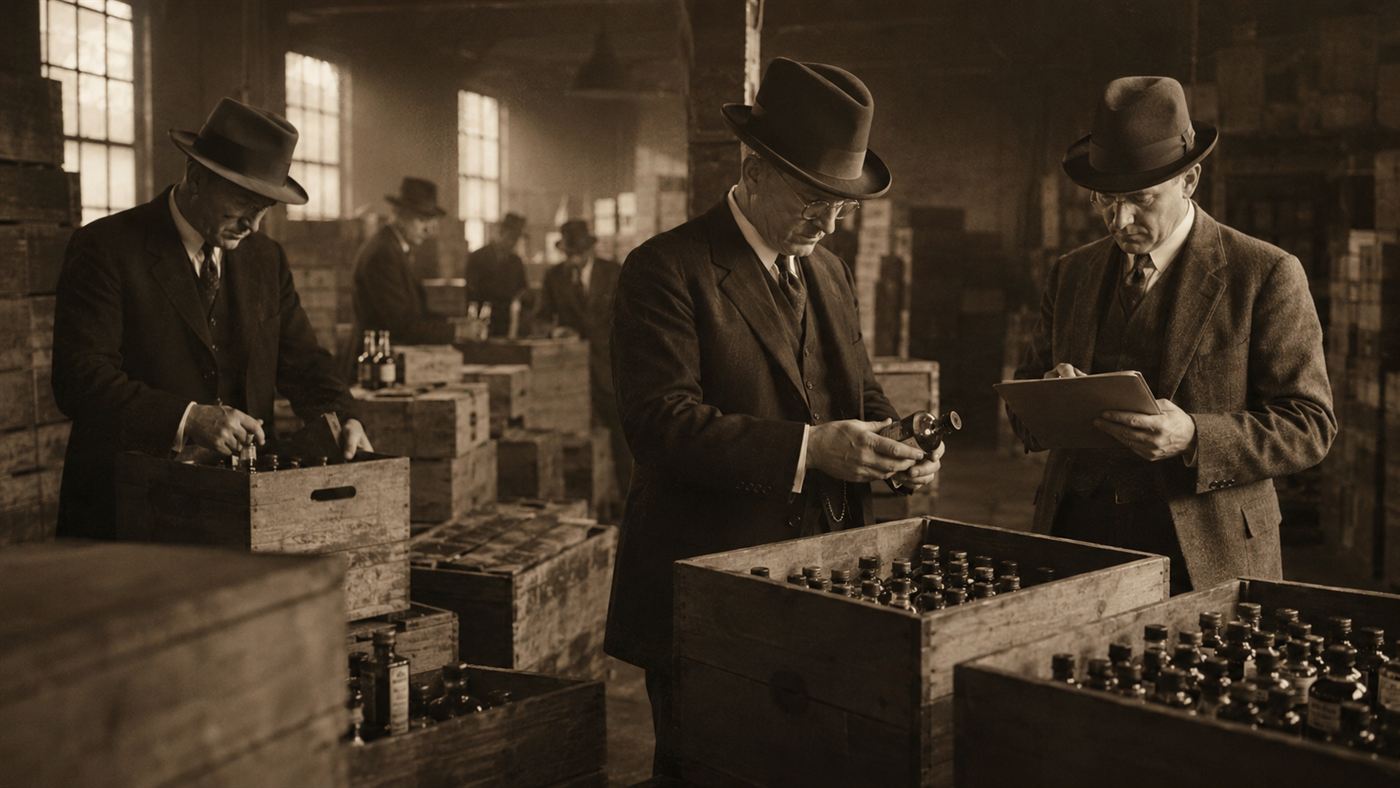
Why did it change everything?
Because the deaths made the gap in the law impossible to ignore. The public was horrified that a company could legally sell a poison as medicine, and the outrage pushed a long-stalled reform through Congress. In 1938, the Federal Food, Drug, and Cosmetic Act became law.
For the first time, that 1938 act required a maker to show a drug was safe before it could be sold, rather than waiting for the bodies to prove it was not. Almost every safeguard that now stands between you and a dangerous medicine traces back to that moment, and to the elixir that made it necessary.
The honest catch
It is tempting to cast the company and its chemist as monsters, and their carelessness was real, but the harder truth is more uncomfortable. In 1937 there was simply no rule that a drug had to be proven safe, and the danger of diethylene glycol was not widely understood, so a firm could do everything the law asked and still kill a hundred people. The failure was not one wicked man but an empty space where a law should have been.
That is the quietly disturbing lesson of Elixir Sulfanilamide. The safety rule that now seems so obvious, test it before you sell it, was not obvious until the coffins made it so, and the chemist reportedly took his own life before he could stand trial. Progress in safety is very often written after the fact, in the aftermath of deaths that a rule we had not yet thought to make could have prevented.
A hundred people had to die of a sweet medicine before anyone was required to test that medicine at all. How many of the safety rules we take for granted were written only after a preventable tragedy? Tell us what you think in the comments.
Related reading: the lobotomy, another medical disaster the mainstream once embraced. See also Radithor, a radioactive tonic sold freely as a cure, and the Radium Girls, poisoned by work that looked perfectly safe. Today the questions are subtler: a 2026 study links common food preservatives to heart risk.