A huge new study ties the preservatives in everyday food to higher blood pressure and heart disease
In 2026, researchers who followed more than a hundred thousand people delivered an uncomfortable finding about the ingredients hiding in ordinary meals. People who ate the most common food preservatives were markedly more likely to develop high blood pressure and heart trouble, a result that points a cautious finger at the invisible chemistry that keeps our food from going off.
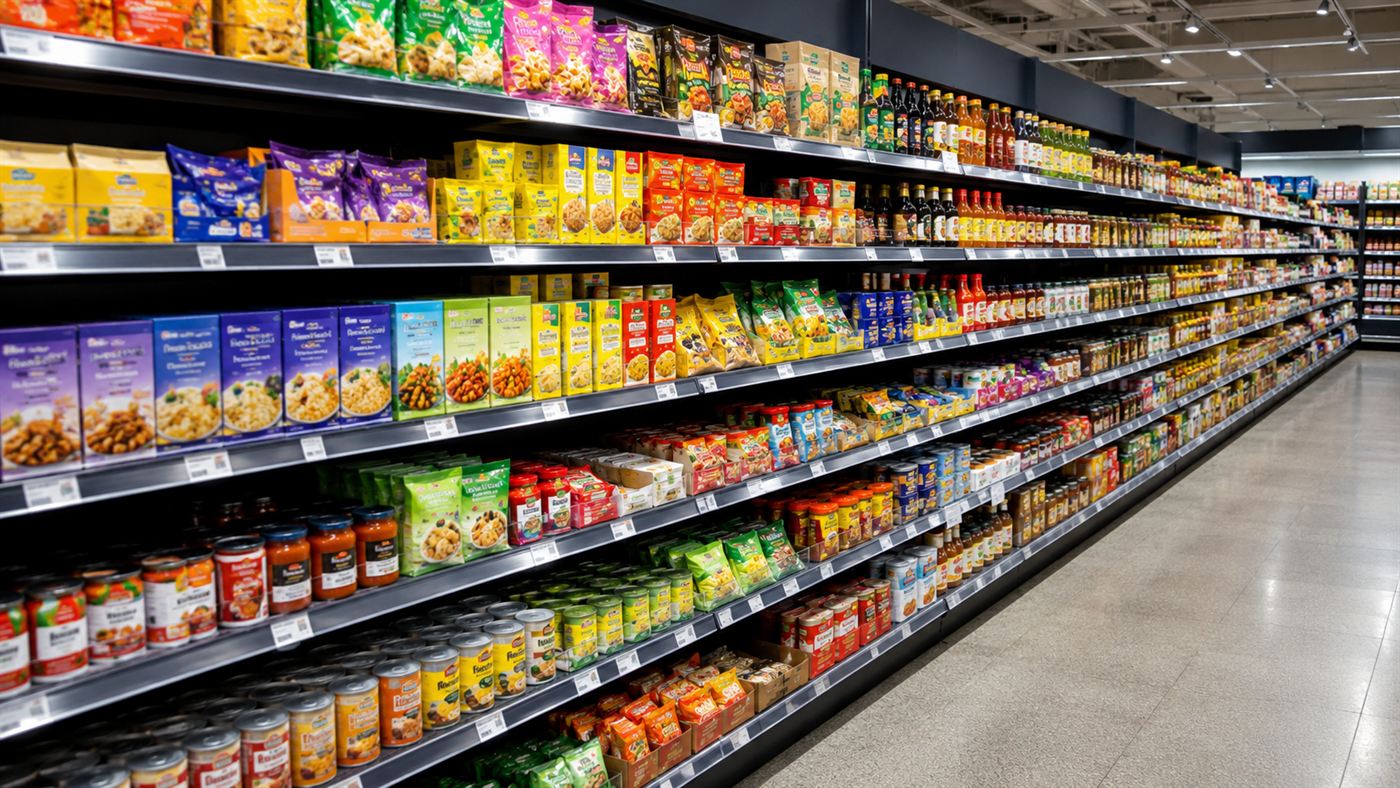
Preservatives are woven through the packaged food that fills modern shelves. Illustration: Watts & Wild.
The work, published in a leading cardiology journal, drew on a long-running French project that tracked the diets and health of 112,395 adults for around seven to eight years. When the researchers sorted people by how many preservative additives they ate, a clear pattern emerged: those in the highest group had roughly a 29 percent greater risk of developing high blood pressure, and about a 16 percent higher risk of cardiovascular disease, than those who ate the fewest.
The team singled out eight commonly used preservatives as the ones most tied to trouble. Among them were nitrites and nitrates, the compounds that give cured and processed meats their colour and long life, and sulphites, used in many packaged goods. These are not obscure chemicals; they are in a great deal of what fills an ordinary shopping trolley.
The short version is that some of the everyday additives quietly keeping our food fresh may carry a cost for the heart, and a very large study has now put a number on it.
What the food preservatives study measured
The strength of the research is its sheer size and patience. Rather than a quick snapshot, it followed a huge group of people for years, recording in fine detail what they actually ate and then watching who went on to develop high blood pressure or heart disease. That long, careful design is what lets scientists tease out subtle links that a small or brief study would miss.
What it found was a dose-response pattern, the kind that tends to make researchers pay attention: broadly, the more of these additives a person consumed, the higher their risk climbed. It is the sort of steady, graded relationship you would expect if the preservatives really were doing some harm, rather than a random blip, though as we will see, it still stops short of proof.

Why preservatives are in our food in the first place
It helps to remember what these chemicals do, because they are not there by accident. Preservatives fight the microbes and chemical decay that spoil food, and in the case of nitrites they guard against genuinely dangerous bugs such as the one that causes botulism. For most of history, food poisoning and spoilage were far bigger killers than anything a modern additive is accused of.
So these compounds are a bargain we struck long ago: a little added chemistry in exchange for food that lasts, travels and stays safe to eat. The new research does not tear up that bargain, but it does suggest the price may be higher than we thought, and that the same additives that keep us safe from far worse might be nudging up a slower, quieter risk.
Should you change what you eat?
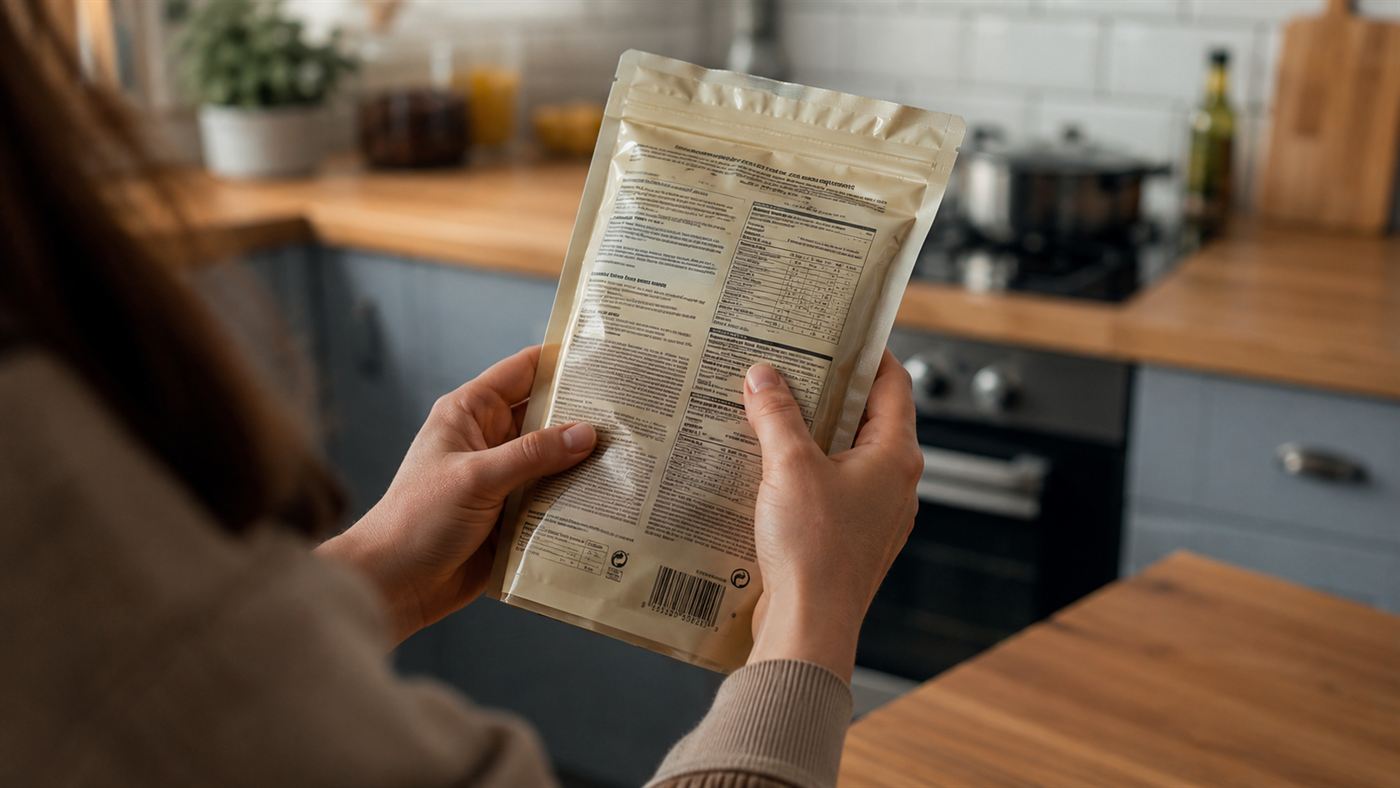
The sensible response is neither panic nor a shrug. A finding like this is a nudge, not an alarm, and the most useful takeaway is one nutritionists have offered for years anyway: lean toward fresh, whole and home-cooked food and away from heavily processed products, and the additives largely take care of themselves. You do not need to memorise chemical names to eat in a way this study would smile upon.
It is also worth keeping the size of the risk in perspective. A relative increase sounds alarming, but for any one person the change in the odds is modest, and it sits alongside far bigger factors like smoking, weight, exercise and salt. Cutting back on ultra-processed food is a reasonable, low-cost move; treating a slice of ham as poison is not.
The honest catch
Here the caveats are not a footnote, they are the heart of the matter. This is an observational study, which means it can show that heavy preservative eaters had more heart trouble, but it cannot prove the preservatives caused it. People who eat a lot of processed food often differ in many other ways, and untangling the additive from the rest of the diet and lifestyle is genuinely hard. It is a link, not a smoking gun.
Diet studies also rely on people remembering and reporting what they ate, which is famously unreliable, and this one followed a single population. None of that makes the result worthless; a careful study of this size is real evidence and deserves to be taken seriously. But it is a large, careful study, not the final word. The honest way to hold it is as one more good reason to favour fresher food, offered with the humility that nutrition science, forever revising itself, has earned.
Sources: ScienceDaily on the preservatives study, CNN, and the Science Media Centre expert reaction.
The chemistry that keeps our food fresh may be quietly nudging up our risk, and a study of a hundred thousand people has finally measured it. Do you read the additives on food labels, or would this study make you start? Tell us what you think in the comments.
Related reading: the poisoned medicine that forced America to test what we consume. See also Minamata, where a hidden toxin in the food chain devastated a town, and the malaria vaccine now saving children's lives.