A little electric tugboat with a 70-tonne grip shoves the world's biggest ships around all day, then recharges over lunch
A tugboat is the bulldog of the harbour: small, stubborn, and strong enough to push a skyscraper-sized ship sideways. The doubt about going electric was always whether a battery could match that brute force. Then an electric tugboat called Sparky started doing exactly that, in a working port, with no diesel at all.
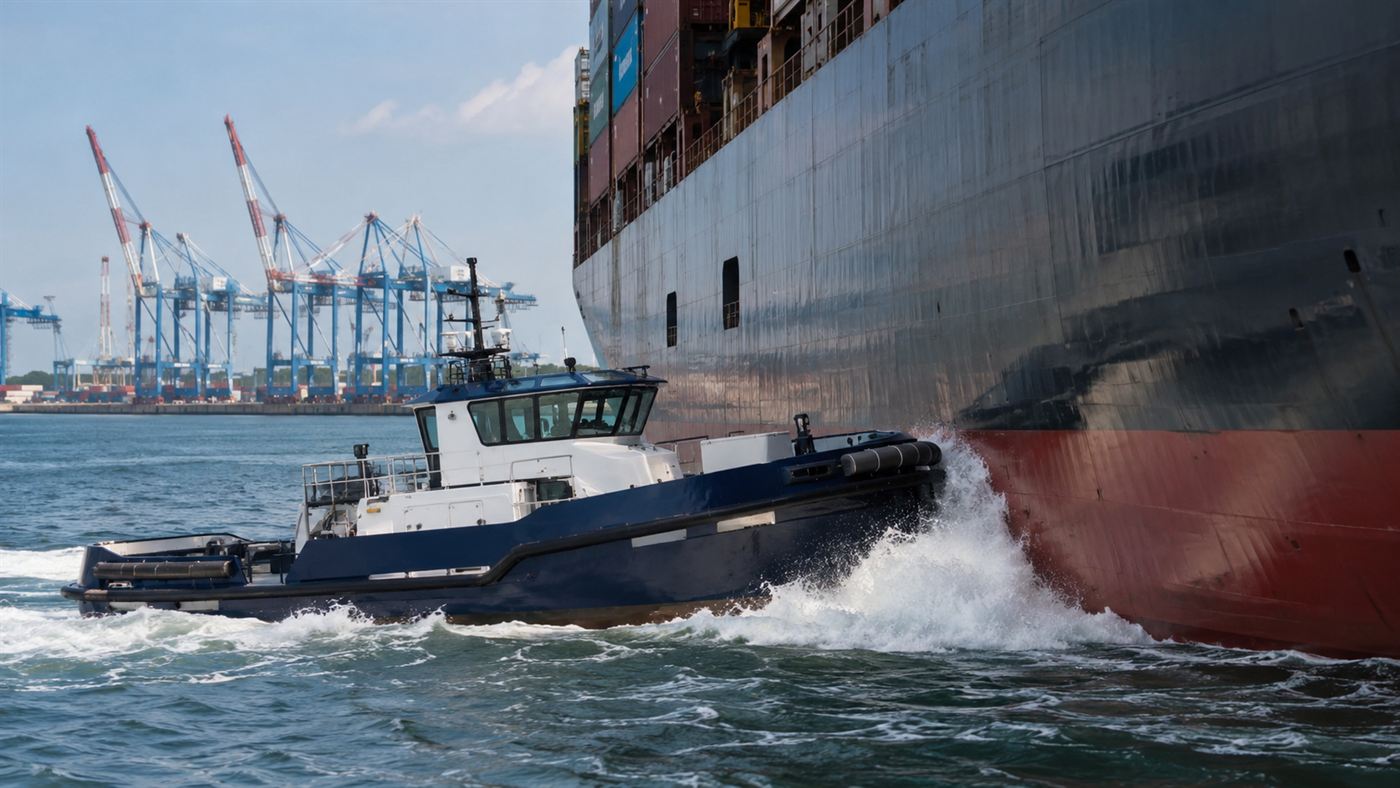
Sparky, the world's first full-size electric tugboat, leaning into a giant ship in Auckland. Illustration: Watts & Wild.
Sparky works for Ports of Auckland in New Zealand, and was also given the Maori name Tiaki, meaning to guard or protect. As its builder Damen describes, it was delivered in 2022 as the first fully electric, full-size harbour tug in the world. That last part matters. Plenty of boats have gone electric, but tugs are a special, ferociously demanding job, and nobody had built a battery one that could do the real work.
The number that settles the argument is the bollard pull, the measure of how hard a tug can haul on a line. Sparky pulls about 70 tonnes, the same muscle as a comparable diesel tug, which means it can shove and steer the largest container ships that visit the port. Going electric, in other words, cost it nothing in strength.
What makes an electric tugboat possible
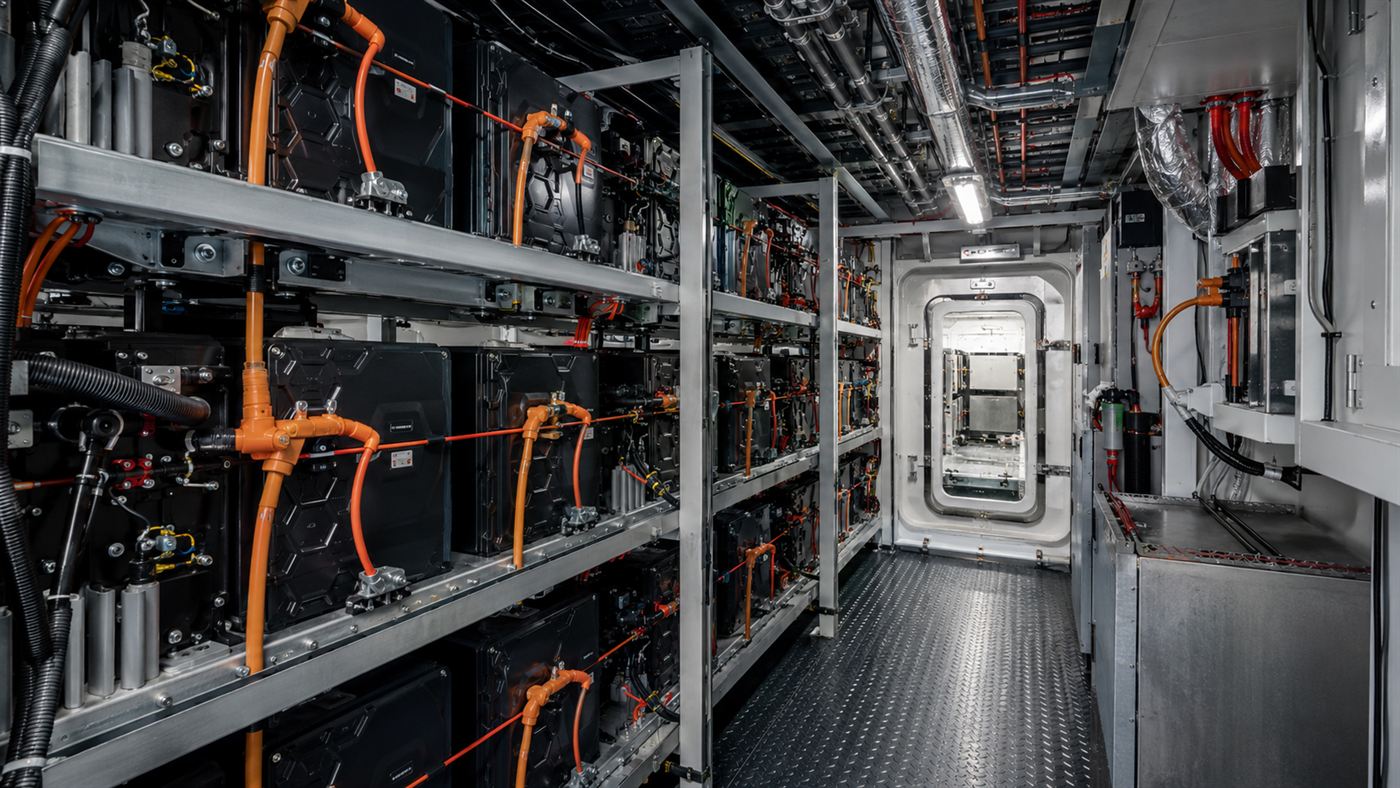
All that power comes from an enormous battery. As Electrek detailed, Sparky carries 2,784 kilowatt-hours of batteries, packed into dozens of racks below deck, roughly the equivalent of a small fleet of electric cars all wired together. Electric motors turn that stored energy into raw shove on demand, instantly and quietly, which is part of why electric drive suits a tug so well: the job is all about sudden bursts of full power.
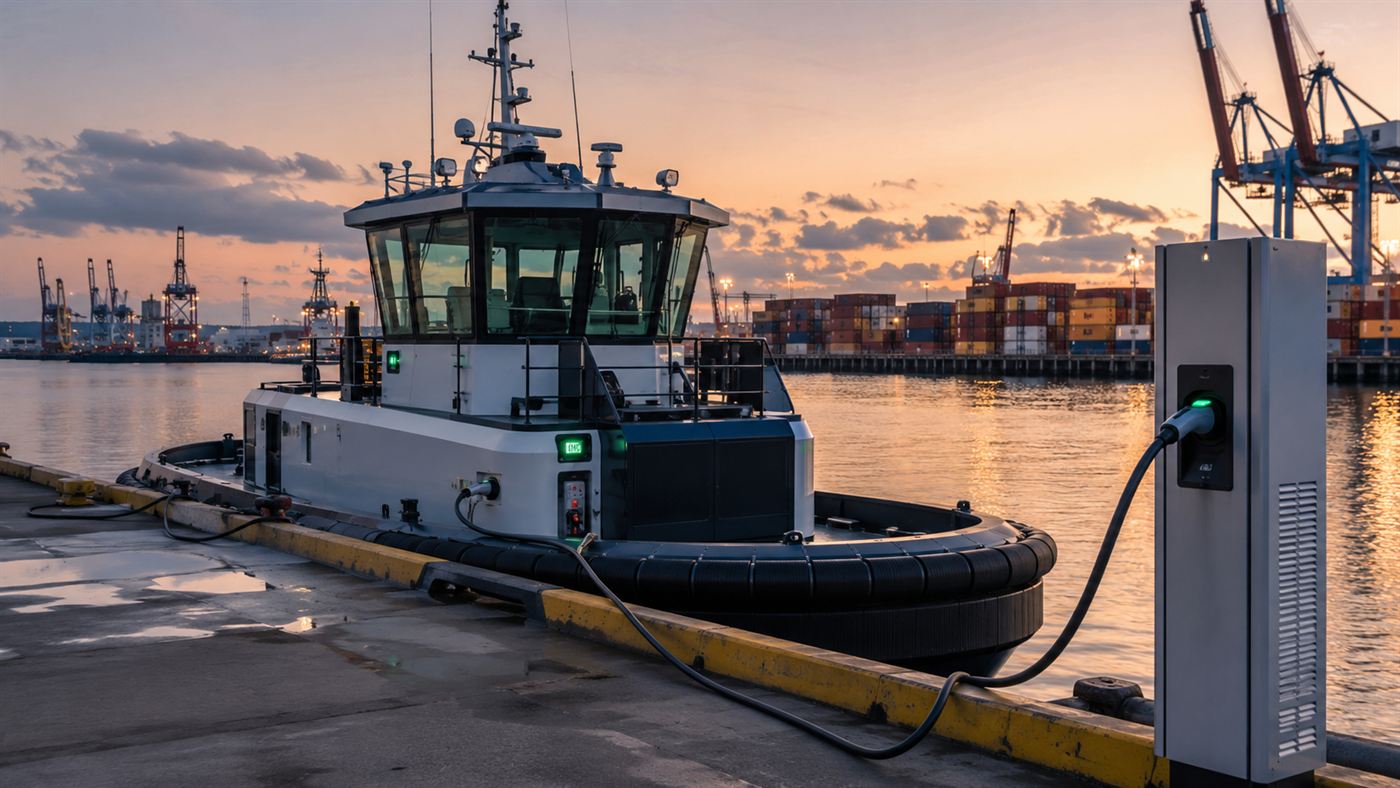
The trade-off is endurance, and the design leans into it. A tug does not roam; it works a single harbour, doing short, intense jobs with gaps in between. Sparky can handle several ship moves on one charge and then top up its batteries in around two hours, slotting the recharge into the natural quiet spells of a port's day rather than fighting against them.
Why a humble tug is a big deal
It is easy to overlook tugs, but ports are full of them, idling and revving their diesel engines hour after hour right next to where people live and work. They are small but dirty, and they run constantly. Swapping one for a battery removes a surprising amount of pollution and noise from a city's waterfront in a single move. Ports of Auckland expects Sparky to save around 465 tonnes of carbon dioxide a year, and to cost less than a third as much to run as a diesel tug.
The wider world noticed. Sparky was named Tug of the Year at its industry's 2022 awards and landed on TIME magazine's list of the best inventions of the year, unusual recognition for a workboat, and a sign that quietly electrifying the unglamorous machines may matter as much as the headline-grabbing electric cars.
The honest catch
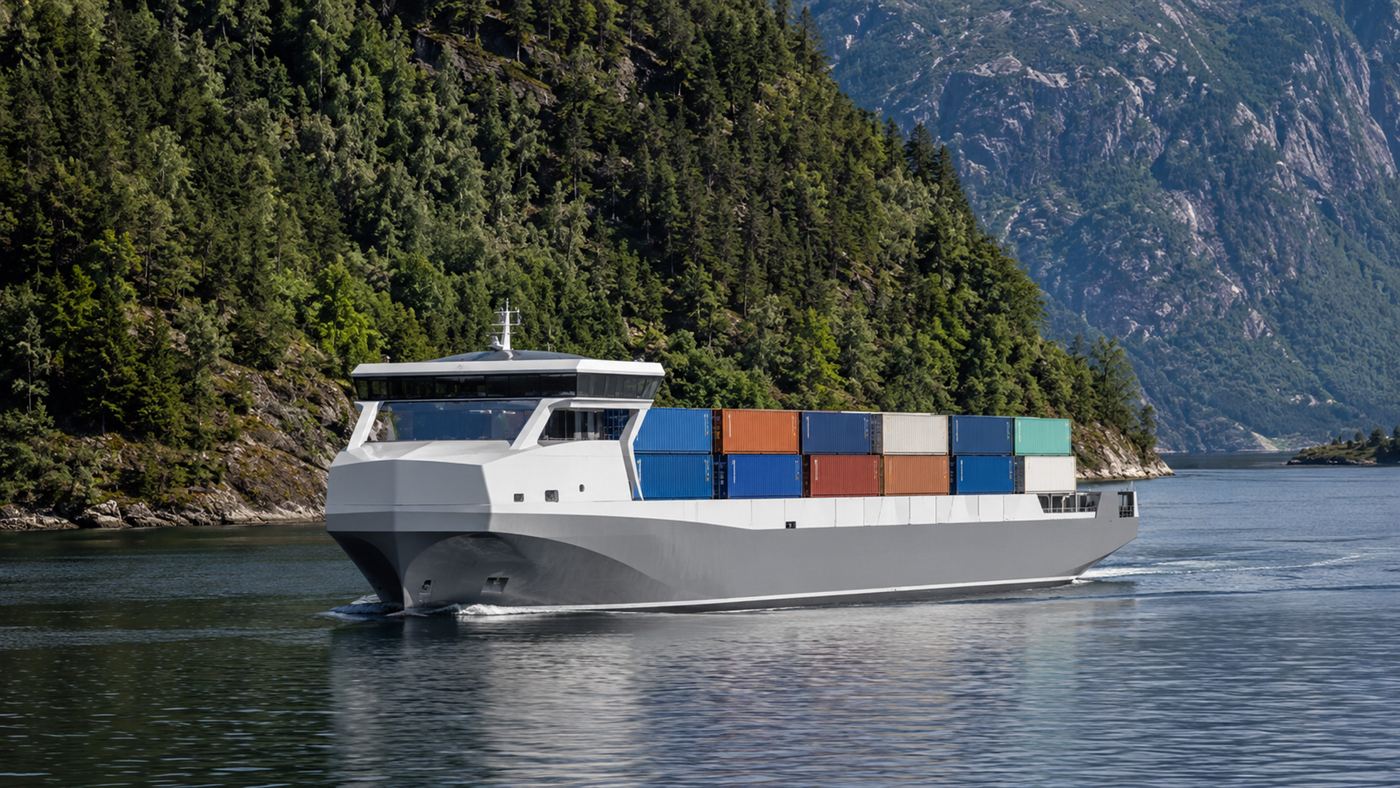
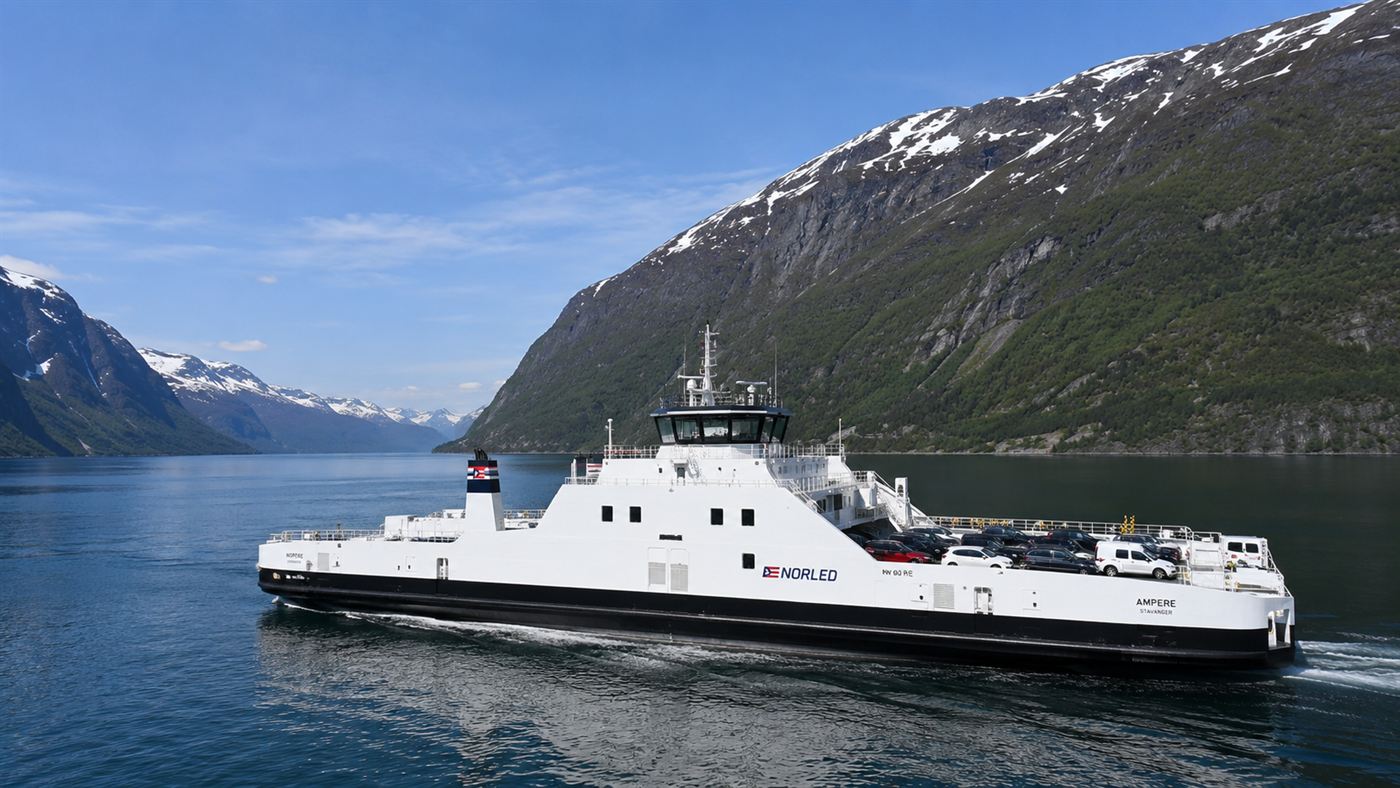
Sparky is a proof, not yet a revolution, and the limits are real. That short endurance is fine for a busy single harbour but useless for the long ocean towing that some tugs do, and the giant battery is heavy and expensive, which pushes up the upfront price even as running costs fall. It also only works if the port builds the shore charging to feed it, so the boat is only as green as the electricity behind the plug. And it is, for now, essentially one celebrated boat rather than a whole fleet. But it answered the one question that mattered: an electric tug can pull just as hard as a diesel one, so the only thing left to solve is scale. It belongs in the same quiet maritime revolution as the crewless electric cargo ship Yara Birkeland and the electric ferry that hushed a Norwegian fjord.
The boats that do the dirtiest, most repetitive work in a port turn out to be some of the best candidates to electrify, and Sparky proved a battery can shove a ship as hard as diesel ever did. Should the next wave of electrification chase glamorous cars or unglamorous workhorses like this? Tell us what you think in the comments.
Related reading: the Yara Birkeland, the world's first crewless, fully electric cargo ship.