Did a nuclear test fire a steel cap into space at 66 km/s?
In the Nevada desert in 1957, scientists buried a small nuclear device down a deep shaft and welded a heavy steel lid over the top to bottle up the blast. It did not stay bottled. When the bomb went off, the cap vanished upward so fast that a high-speed camera caught it in just a single frame, and the physicist in charge did a quick calculation that has been arguing with itself ever since. The Plumbbob manhole cover may be the fastest thing humans ever made.
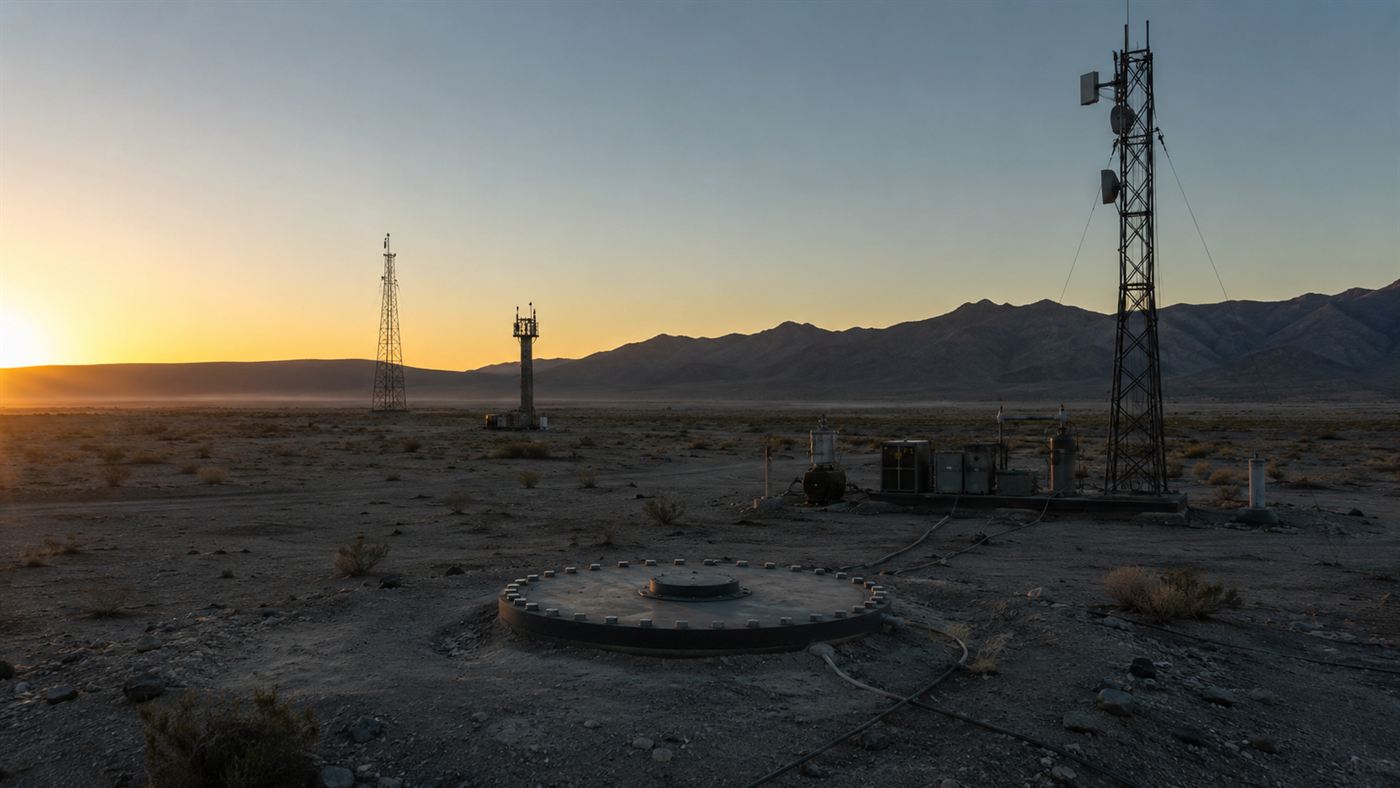
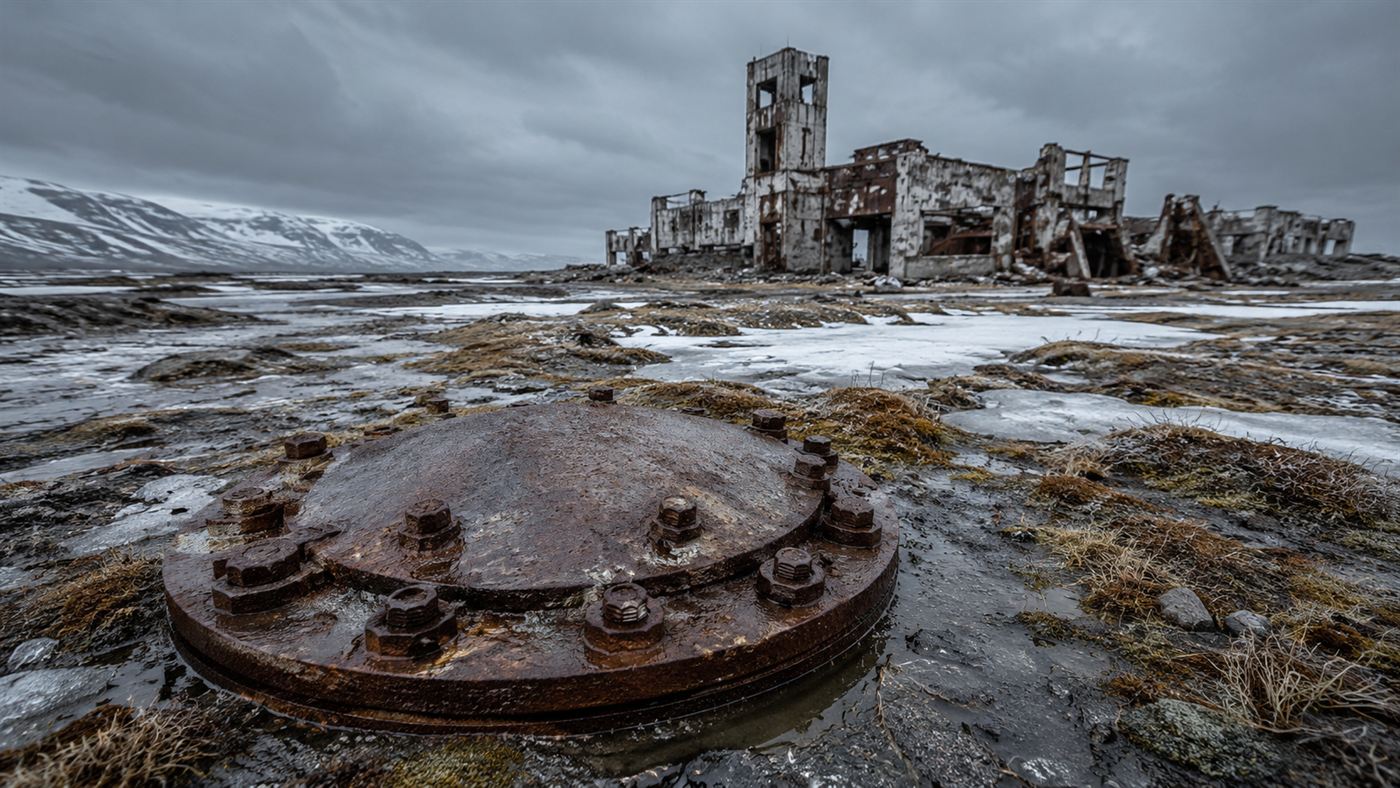
A capped shaft in the Nevada desert, moments from a strange record. Illustration: Watts & Wild.
It is one of those stories that sounds far too good to be true, a piece of nuclear-age folklore that turns out to have a serious physicist and a real experiment behind it. The truth is more careful and more interesting than the legend, which is exactly what makes it worth telling properly.
It begins with a very practical problem: how do you test a bomb underground without it simply blowing back out of the hole?
Bottling up a bomb
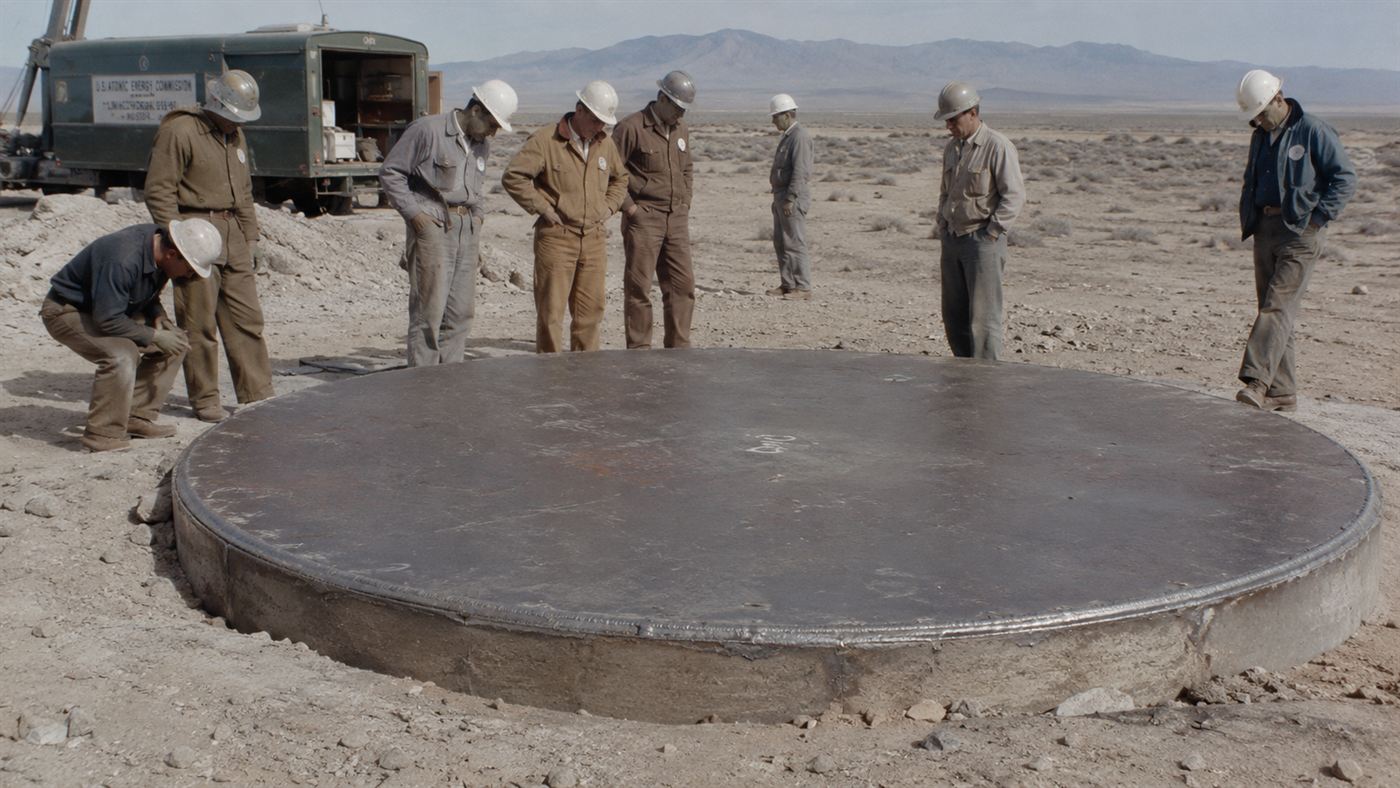
The event was part of Operation Plumbbob, a long series of American nuclear tests in 1957, and this particular shot was a study of how to contain an explosion below ground. A small device was placed at the bottom of a shaft about 150 metres deep, and a steel cap weighing roughly 900 kilograms was welded over the top to seal it in.
An earlier, uncapped test had sent a jet of fire roaring out of the hole like a giant Roman candle, so this time the engineers tried to keep the lid on, quite literally. It was never going to work. The energy of even a small nuclear blast funnelled up a narrow shaft is colossal, and the steel cap was about to become the unlikeliest of projectiles.
One frame of film
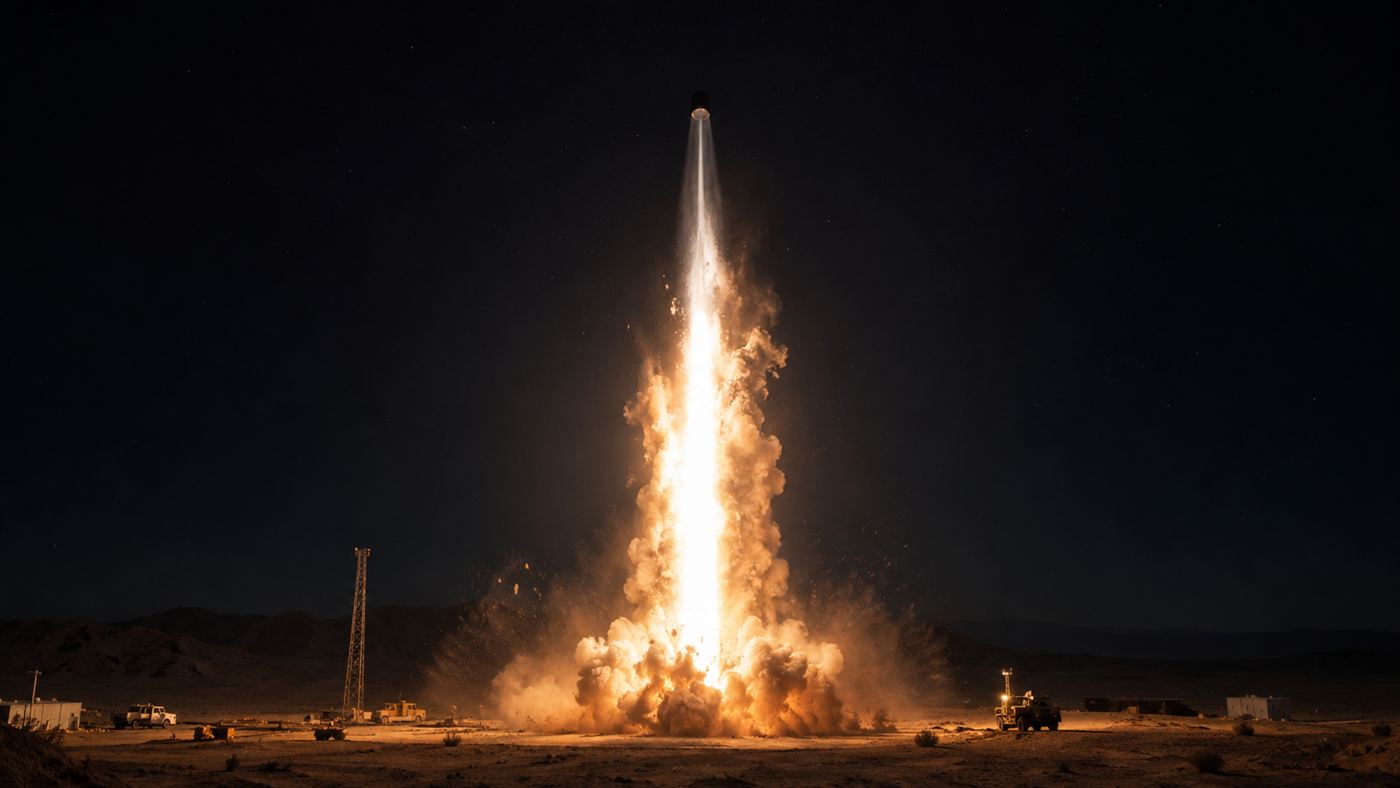
When the device fired, the cap did not crack or bulge. It simply disappeared. A camera filming the shaft at extreme speed managed to capture the steel lid in only one frame, which told the watching scientists it was moving almost unimaginably fast.
The physicist responsible for the test, Robert Brownlee, later worked out a rough figure from that single frame. His estimate put the cap's speed at something like six times the velocity needed to escape Earth's gravity, around 66 kilometres per second. That is many times faster than a spacecraft, fast enough that, if the number were taken at face value, the humble steel lid would have been the fastest object human beings had ever launched, and it happened weeks before the Soviet Union shocked the world with Sputnik.
What was the Plumbbob manhole cover?
It was a lid that became a legend. The Plumbbob manhole cover was the heavy steel plate sealing the top of the Pascal-B test shaft, accidentally turned into a high-speed projectile when the nuclear blast beneath it erupted upward.
What captures people's imagination is the sheer mismatch between the object and the event, an ordinary-looking circular slab of metal, the kind of thing you might step over in the street, hurled skyward by the most powerful force humans had learned to unleash. It is the nuclear age in miniature: enormous energy, unpredictable consequences, and a result no one quite planned.
Was the Plumbbob manhole cover the fastest man-made object?
Maybe, but honestly, probably not in any way that counts. The famous 66 kilometres per second is a rough estimate from a single blurry frame, the cap was never recovered, and most scientists think it almost certainly vaporised in the atmosphere rather than reaching space.
It is worth being clear-eyed about this. Brownlee himself was cautious, treating his number as an upper bound rather than a measurement, and a slab of steel ploughing into the air at that speed would heat up and likely burn away in an instant. So the cap is best thought of not as a verified record but as a wonderful, slightly absurd anecdote, a reminder that the most memorable results in science are sometimes the ones that escaped the experiment entirely, in this case quite possibly straight up and out of sight.
The fastest thing we may ever have launched might have been a manhole cover, fired by accident, and gone before anyone could be sure. Why do the experiments that go slightly wrong so often outlast the ones that go to plan? Tell us what you think in the comments.
Related reading: EBR-1, the reactor that lit the first light bulbs of the nuclear age in the Idaho desert.