An architect in Zimbabwe skipped the air conditioning and copied a termite mound instead, and his Eastgate Centre cools a whole office block on a fraction of the energy
Faced with cooling a big building in the African heat without ruinous air conditioning, the architect Mick Pearce did something strange: he studied termite mounds. The result is Eastgate Centre termite cooling, a system in Harare that keeps the building comfortable on roughly a tenth of the ventilation energy of a normal tower.
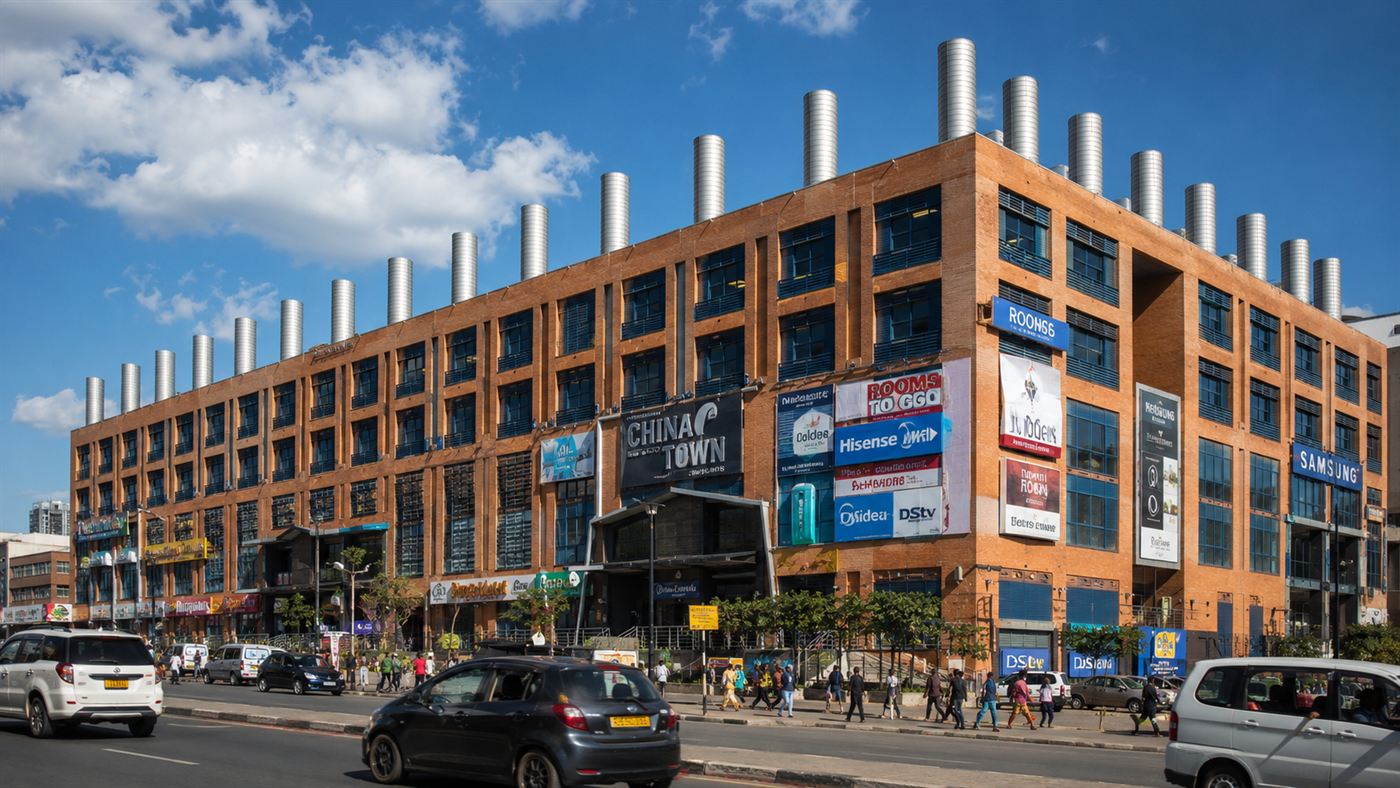
The Eastgate Centre vents warm air through rooftop chimneys, like a termite mound. Illustration: Watts & Wild.
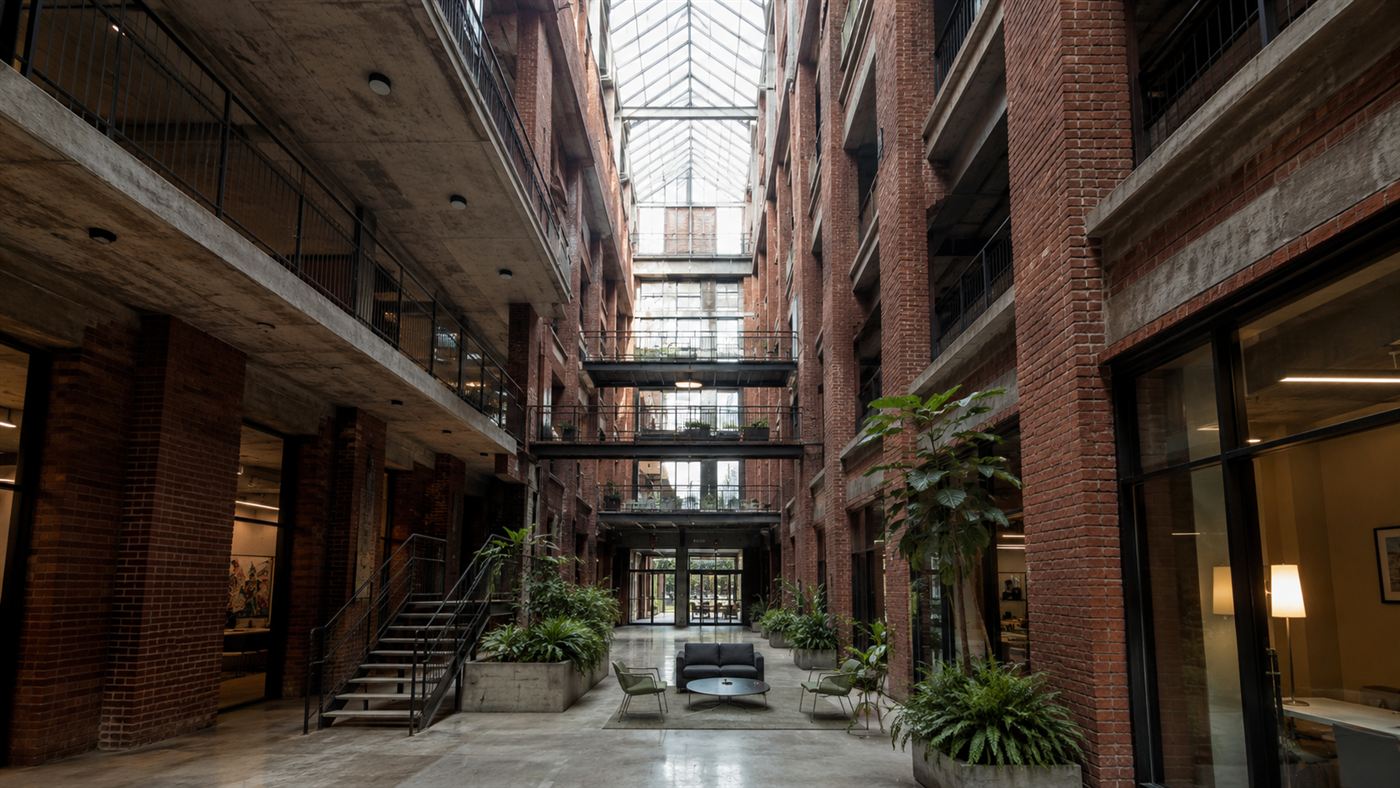
The Eastgate Centre in Harare looks like an ordinary brick office block until you learn it is cooled by copying insects. Designed by the architect Mick Pearce, the building runs with almost no conventional air conditioning, and as Wikipedia notes, it is ventilated and cooled almost entirely by natural means.
Pearce's inspiration came from the tall mounds termites build on the African savanna. Those insects keep the inside of their nests at a remarkably steady temperature even as the air outside swings from cold nights to blazing days, by letting air move through a structure of vents. Pearce asked a simple question: if a termite colony can manage that, why does an office block need a giant air conditioner?
How does the Eastgate Centre stay cool? At night, fans pull in cool air that chills the building's heavy concrete. During the hot day that stored coolness seeps back out through the floors, while warm air rises and escapes through tall chimneys on the roof, all through passive cooling, with very little air conditioning.
How Eastgate Centre termite cooling works
A termite mound is a breathing machine made of mud.
As outside temperatures rise and fall, air moves through the mound's channels, so the nursery deep inside stays close to constant while the desert above bakes and freezes.
Mick Pearce and the engineers at Arup borrowed that logic for Eastgate, leaning on two cheap, ancient ingredients: thermal mass and moving air.
Through the night, fans draw cool air across the building's thick concrete floors and walls, charging them with coolness like a battery.
By day the concrete gives that chill back to the offices, and the warm, stale air is allowed to rise and pour out of the rows of brick chimneys on the roof, the same trick of passive cooling a mound uses to breathe.

The architect who studied insects
Mick Pearce is a Zimbabwean architect who grew up watching the African bush, not just buildings.
When Old Mutual commissioned Eastgate around 1991, the brief was daunting: cool a large complex in a hot country without importing hugely expensive air-conditioning machinery.
Instead of fighting the climate with hardware, Mick Pearce and Arup turned to biology, an approach now called biomimicry.
The building went up between 1993 and 1996, and it has been quietly proving the idea ever since.
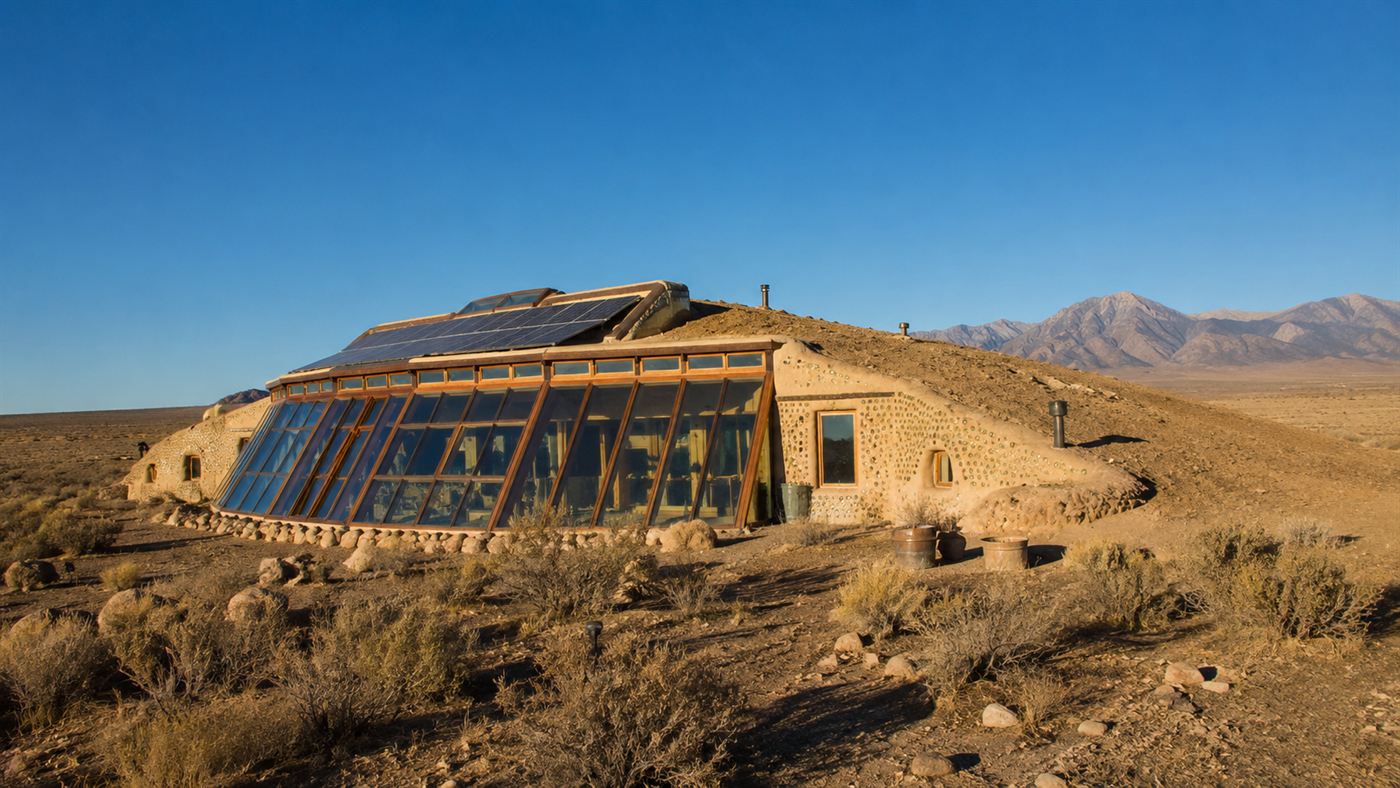
It is the same instinct that drives the off-grid Earthships that heat and cool themselves from sun and earth rather than a furnace.
A building that sips energy
The payoff of all that passive cooling shows up on the meter.
Eastgate uses roughly 90 percent less energy for ventilation than a conventional building of its size, and around 35 percent less total energy than nearby towers running ordinary heating and cooling.
Skipping a giant air-conditioning plant also saved the developers millions up front, money that went into the building instead of into machines.
Lower running costs meant lower rents, so the tenants felt the savings too.
Pearce went on to apply the same thinking to Council House 2 in Melbourne, helping turn one Harare experiment into a small global biomimicry movement.
Why nature is often the better engineer
Eastgate is one of the most cited examples of biomimicry, the practice of solving human problems by copying living things.
Evolution has spent close to four billion years field-testing designs, which makes the natural world a vast, free library of engineering that already works.
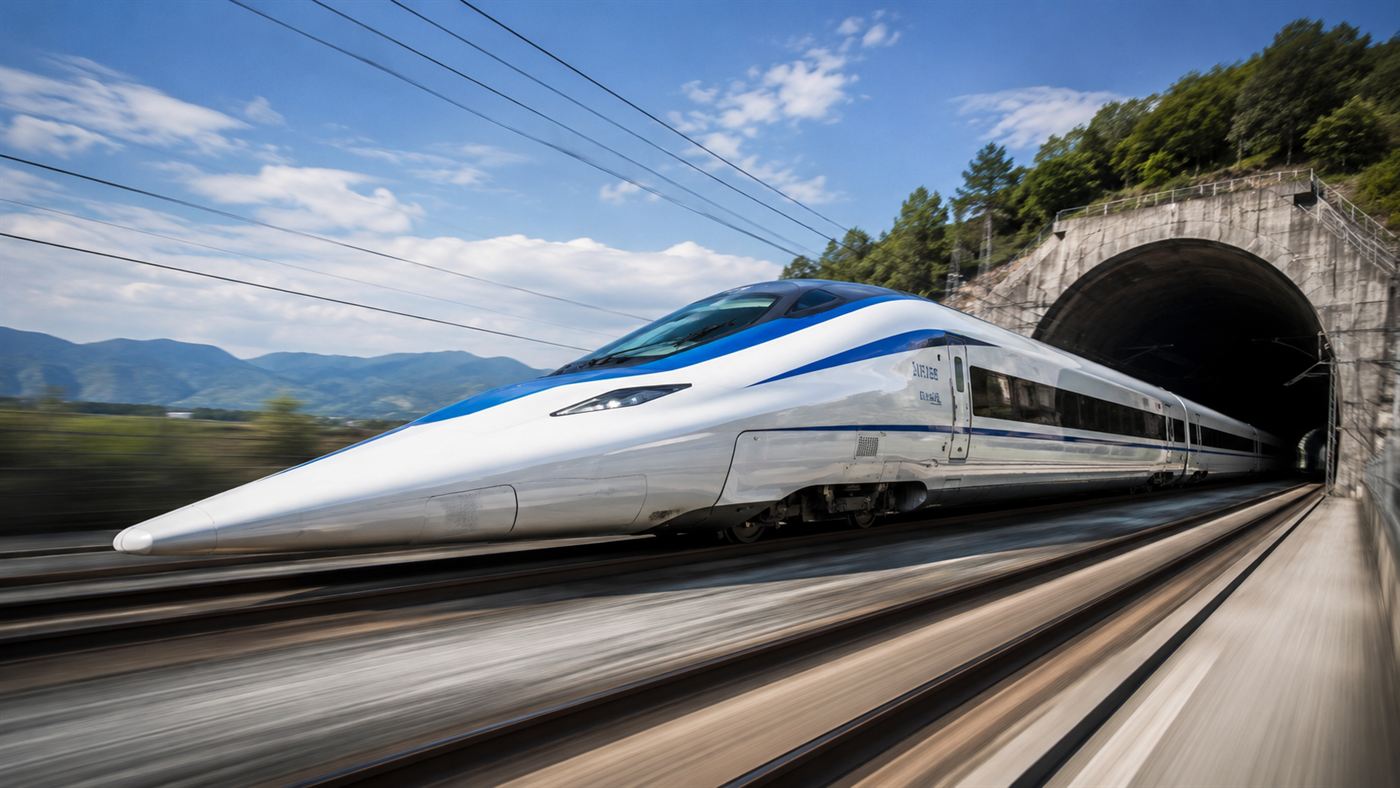
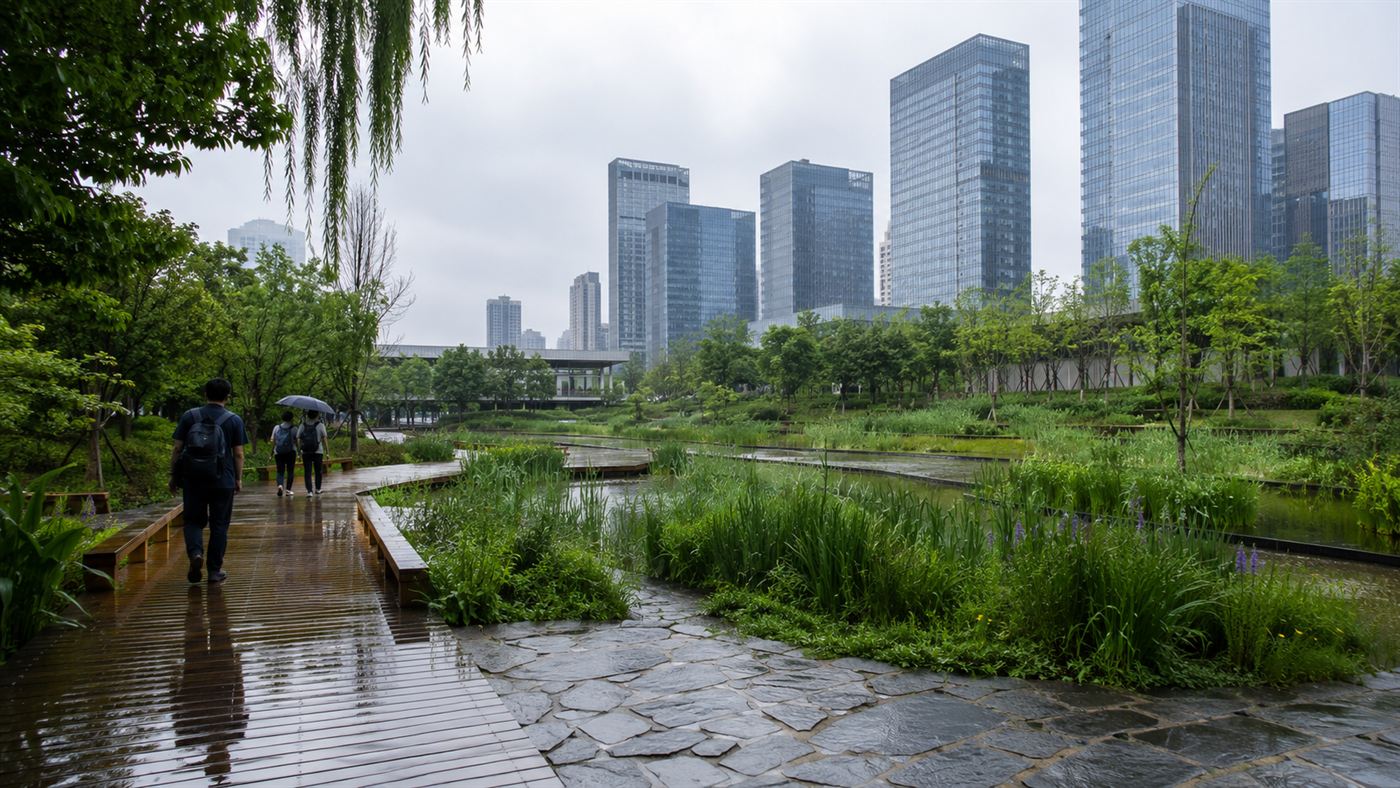
The same biomimicry gave Japan's bullet train a kingfisher-shaped nose to stop it booming out of tunnels, and it shapes nature-led city design like China's sponge cities that soak up floods.
A termite, it turns out, can teach a structural engineer a thing or two about moving air.
The honest catch
The neat story of a building that works exactly like a termite mound is a little too neat.
Later research by the biologist Scott Turner suggested termite mounds cool themselves mostly through the slow exchange of gases, a kind of breathing, rather than the simple hot-air chimney that inspired Eastgate, so the metaphor is looser than the legend.
The passive cooling is also not entirely air-conditioning-free, since it still relies on banks of fans, which use power, just far less of it.
And the trick leans heavily on Harare's particular climate, high, dry and with big swings between day and night, so the same design would struggle in a hot, humid city.
Even with those caveats, Eastgate proved that biomimicry can work, a point that still matters: a building can work with its climate instead of brute-forcing it, and use a fraction of the energy doing so.
Decades before low-energy building was fashionable, a Zimbabwean architect looked at a mud mound full of insects and saw the future of passive cooling.
The Eastgate Centre still stands as a reminder that the cleverest answer is sometimes the oldest one, the same lesson as the no-power clay-pot fridge that keeps food cold with nothing but evaporation.
Would you work in a building with no air conditioning if it stayed comfortable and used a tenth of the energy, and why do we still build glass towers that need so much more? Tell us in the comments.