In 1956 St Louis opened a gleaming 33-tower housing project hailed as the future of the American city, and 16 years later it was blowing the same buildings to rubble on live television
It was supposed to lift thousands of poor families out of the slums and into clean, modern towers in the sky. For a brief moment it looked like the future. Then, with shocking speed, it fell apart, and its televised demolition became one of the most famous images of an American dream gone wrong.
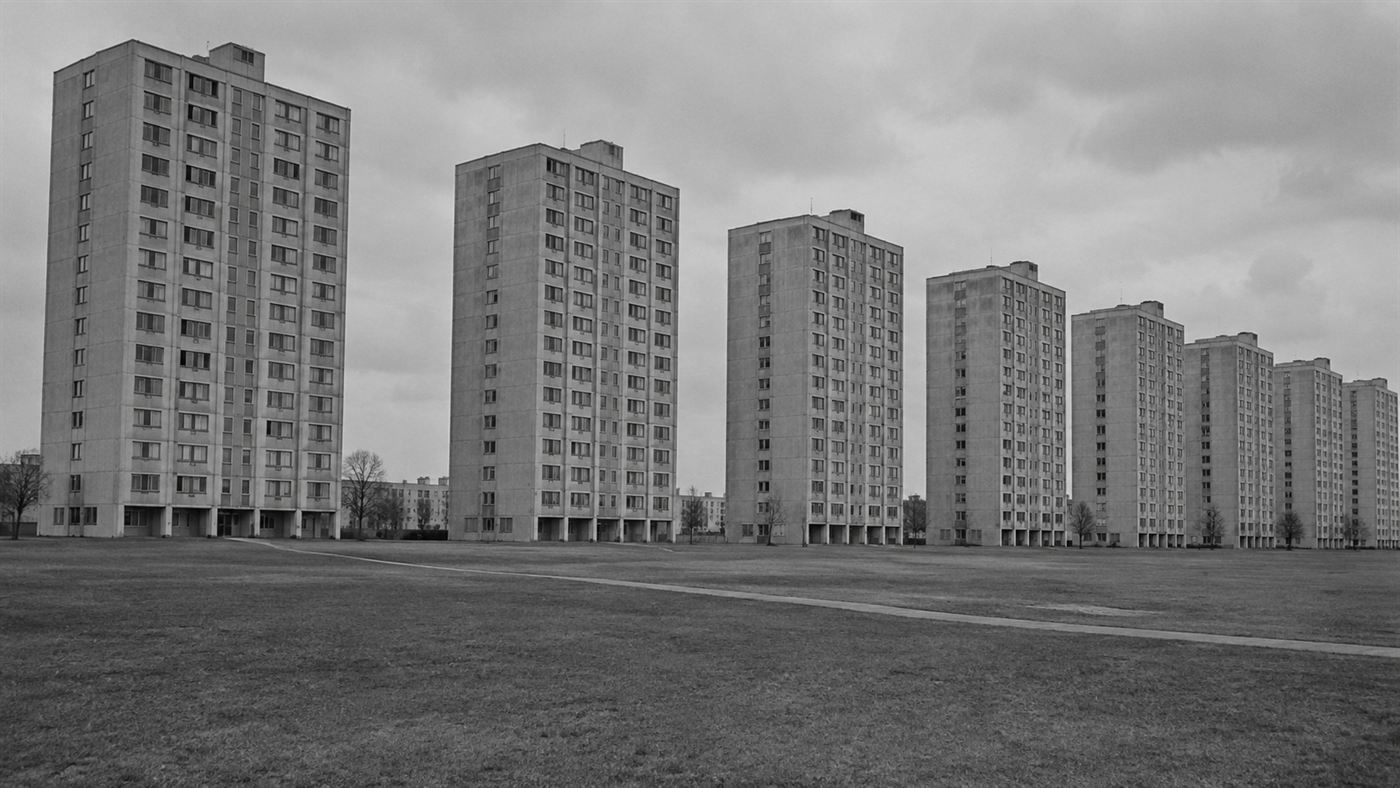
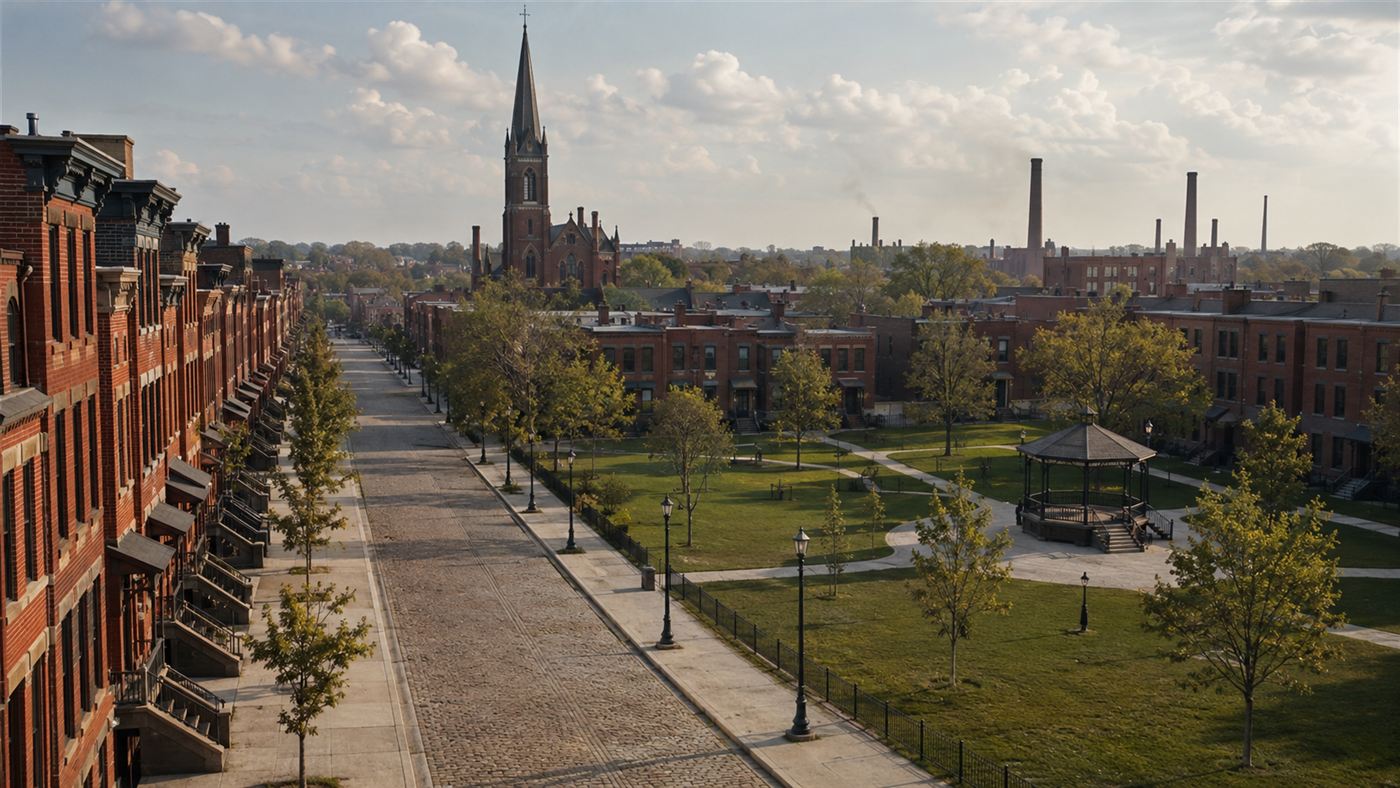
Thirty-three identical towers rose over St Louis in the mid-1950s. Illustration: Watts & Wild.
When it opened in the middle of the 1950s, Pruitt-Igoe looked like a bold answer to a stubborn problem. St Louis, like many American cities, was full of crowded, crumbling slum housing, and planners believed the cure was to sweep it away and start again, upward. The result was 33 identical 11-storey towers holding some 2,870 apartments, spread across a vast cleared site.
The design came from a talented young architect named Minoru Yamasaki, who would later create the twin towers of the World Trade Center. His new complex was praised in the architecture press, and the first families moved in with real hope, drawn by indoor plumbing, fresh paint and space their old tenements never had.
The short version of what happened next is brutal. Within about 16 years those same towers were considered beyond saving, and the city began dynamiting them. Pruitt-Igoe went from the future of housing to a symbol of failure faster than almost any building in American history.
What was Pruitt-Igoe supposed to be?
The vision behind the project was fashionable and, on paper, humane. Instead of dense, dirty streets, tenants would get tall towers set in open green space, with light and air on every side. Shared corridors were meant to be neighbourly places, and the whole scheme was sold as a clean modern break from the poverty of the past.
The name itself carried hope. The complex honoured Wendell Pruitt, a decorated Black fighter pilot from St Louis, and William Igoe, a former congressman. It was first planned along the segregated lines of the era before rules changed, and it opened as housing meant to give the city's poorest residents a genuine fresh start.
Why Pruitt-Igoe failed so fast
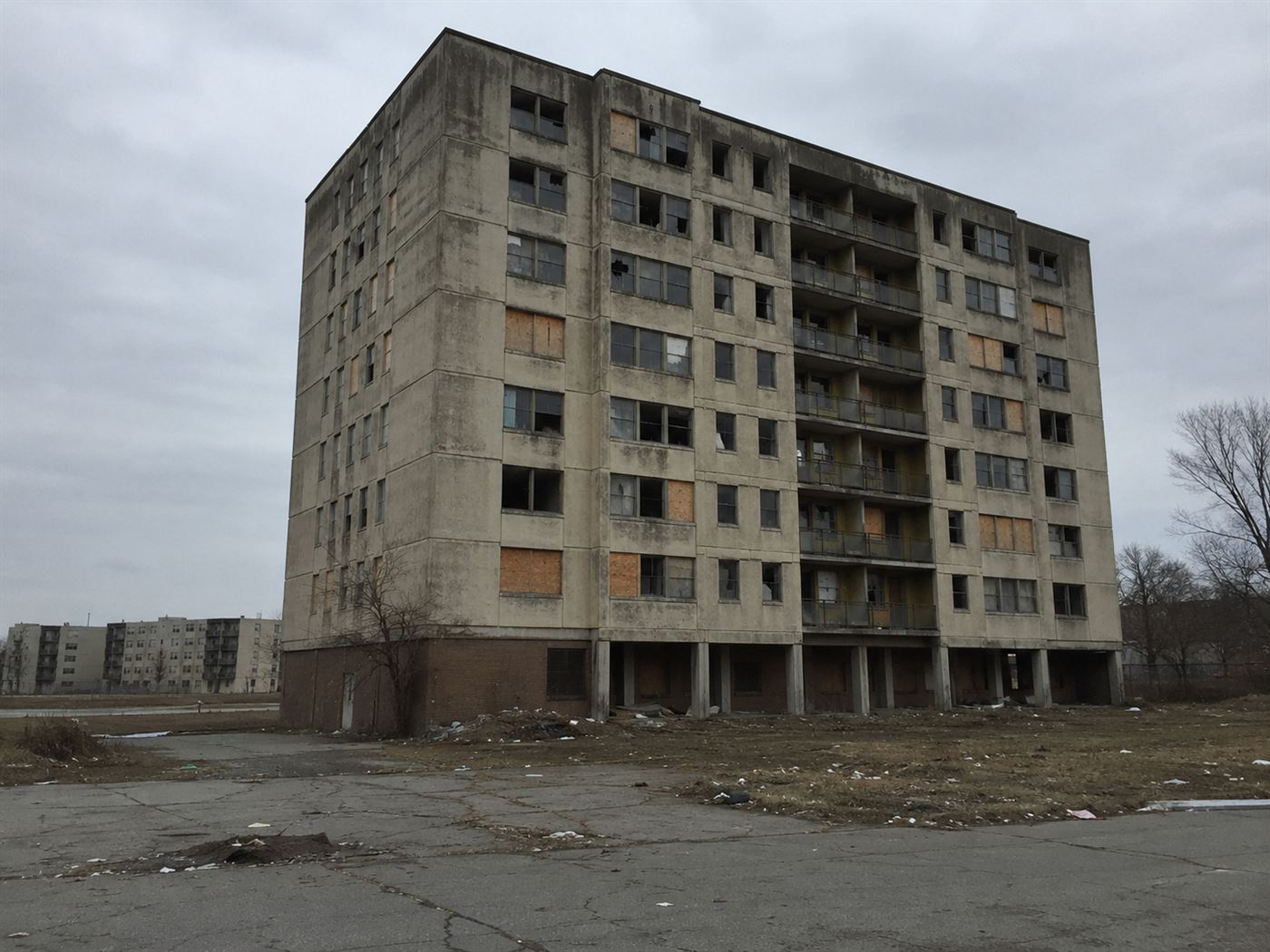
The cracks appeared almost immediately, and many of them were literal. To keep costs down, the buildings had been cheaply constructed, with elevators that stopped only on every third floor, thin fittings and shortcuts that Yamasaki's fuller original plans had not called for. Things broke, and there was never enough money to fix them.
That money problem was fatal by design. The rents from very poor tenants were supposed to pay for upkeep, but the residents simply could not generate enough, and public budgets did not fill the gap. Maintenance collapsed, lifts and lights failed, and the hopeful corridors of Pruitt-Igoe turned into dark and dangerous spaces that frightened the very families they were built for.
The city that shrank away
Pruitt-Igoe was also unlucky in its timing. Just as it opened, St Louis began to empty out. Factories closed, and families with the means to leave, most of them white, streamed to the suburbs, taking jobs and tax money with them. The population the towers were built to serve was shrinking and growing poorer at the same time.
By the 1960s, huge numbers of apartments sat empty, and a complex designed for more than ten thousand people held only a fraction of that. Empty flats were stripped and vandalised, and the sheer scale that once seemed grand now made the decay feel endless. The dream had become a place people escaped rather than entered.
The implosion seen around the world
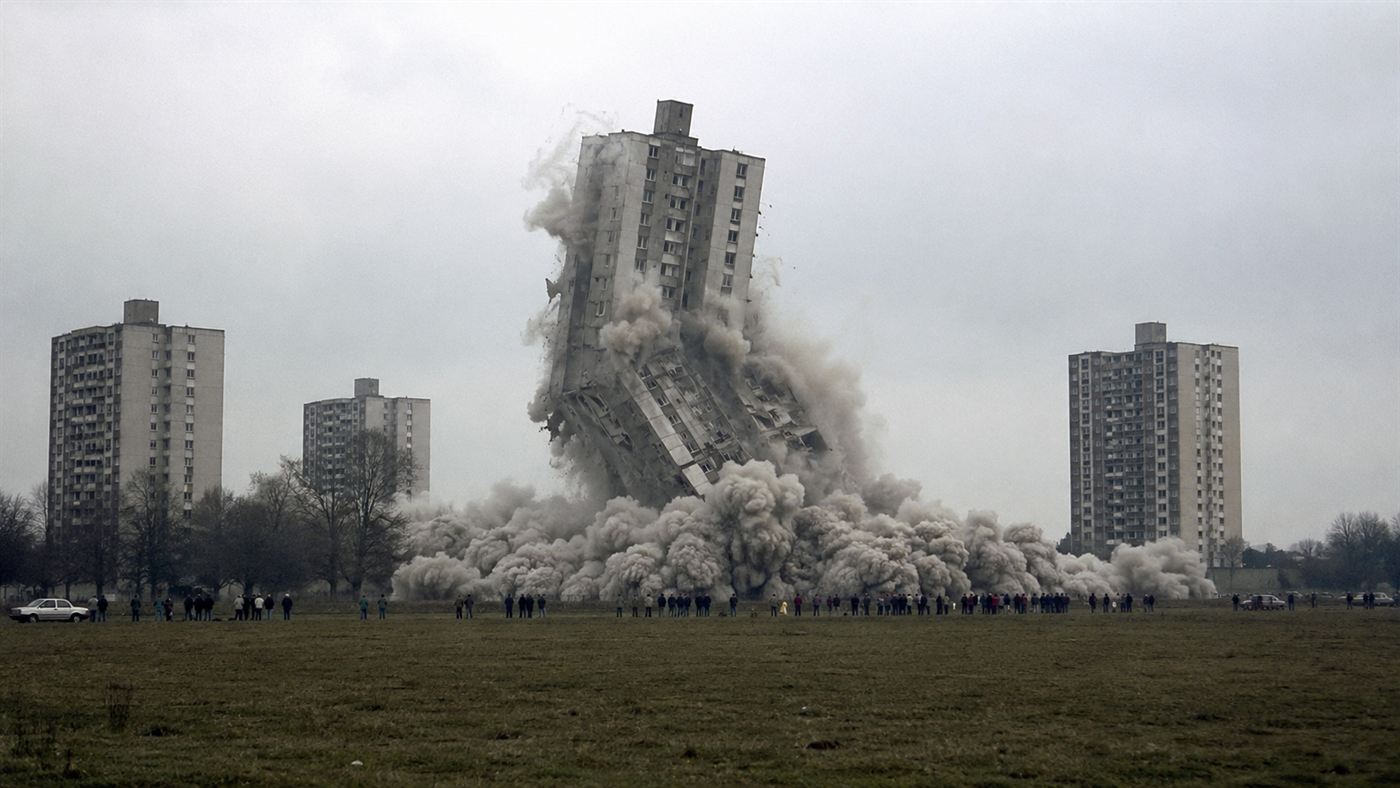
In the end the authorities gave up. Starting in 1972, the towers were brought down with explosives, and the sight of a modern housing block folding into a cloud of dust was broadcast far and wide. One architecture critic declared that modernist architecture itself had died in that instant in St Louis, folding into a cloud of dust.
The demolition footage became shorthand for the failure of ambitious public housing everywhere. For decades afterwards the cleared site sat strangely empty, slowly turning into an urban forest, while the name Pruitt-Igoe lived on as a warning attached to towers, planners and the hubris of grand designs.
The honest catch
The neat lesson, that modern towers are simply bad and this proves it, is the part worth questioning. Blaming modernist architecture let almost everyone else off the hook. Minoru Yamasaki's buildings were flawed, but plenty of similar towers elsewhere did not collapse into ruin, because they were funded, maintained and set in cities that were not falling apart.
What truly doomed Pruitt-Igoe was a tangle of things the design could never fix: a shrinking, deindustrialising city, deep racial segregation, tenants kept poor by circumstance, and a public housing model that starved its own buildings of the money to survive. The towers were the symptom that was easy to photograph, and then to blow up, but the disease lay in the choices around them.
A project built to rescue thousands of families was blown to pieces within a generation, and the world decided the buildings were to blame. Was Pruitt-Igoe really a failure of architecture, or a failure of everything we asked those towers to carry? Tell us what you think in the comments.
Related reading: the elegant skyscraper that became the tallest building ever peacefully demolished. See also the Gateway Arch that gave St Louis a very different monument, and the company town built to control its own workers. See also Eastern State Penitentiary, a humane reform that became a slow torture.