A man built a car that unfolded its wings and flew, got the government to approve it, and still could not sell the dream of a flying car
The flying car is the great broken promise of the modern age, forever ten years away. Yet in the 1950s one actually existed, drove to the airport, bolted on a set of wings and took to the sky. It was real, it was legal, and it still failed, and the reason why is the interesting part.
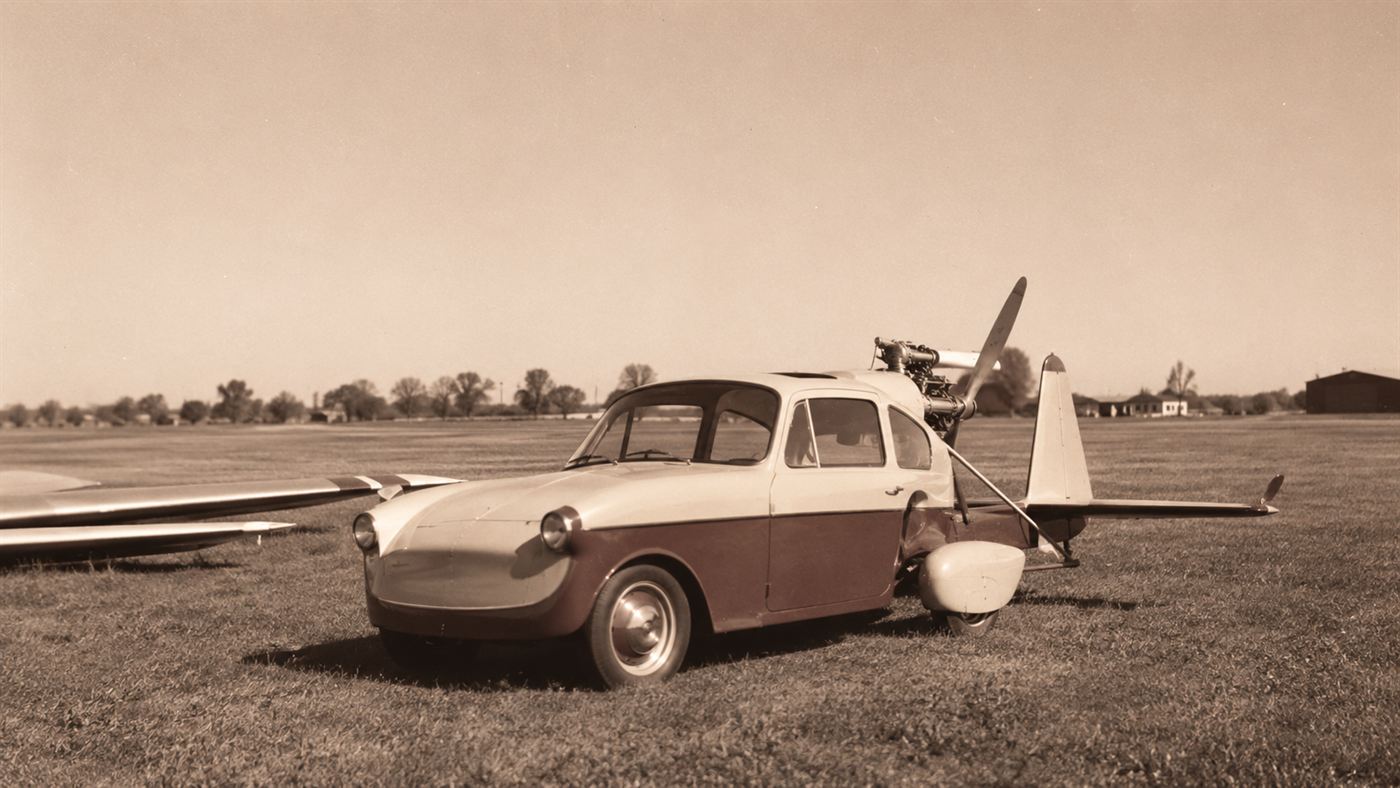
The Aerocar drove as a car, then attached wings and a tail to fly. Illustration: Watts & Wild.
In the years after the Second World War, an engineer named Molt Taylor set out to solve the oldest fantasy in transport: a machine that was both a car and a plane. Many had tried and produced clumsy failures, but Taylor, working in the Pacific Northwest, actually pulled it off with a design he called the Aerocar.
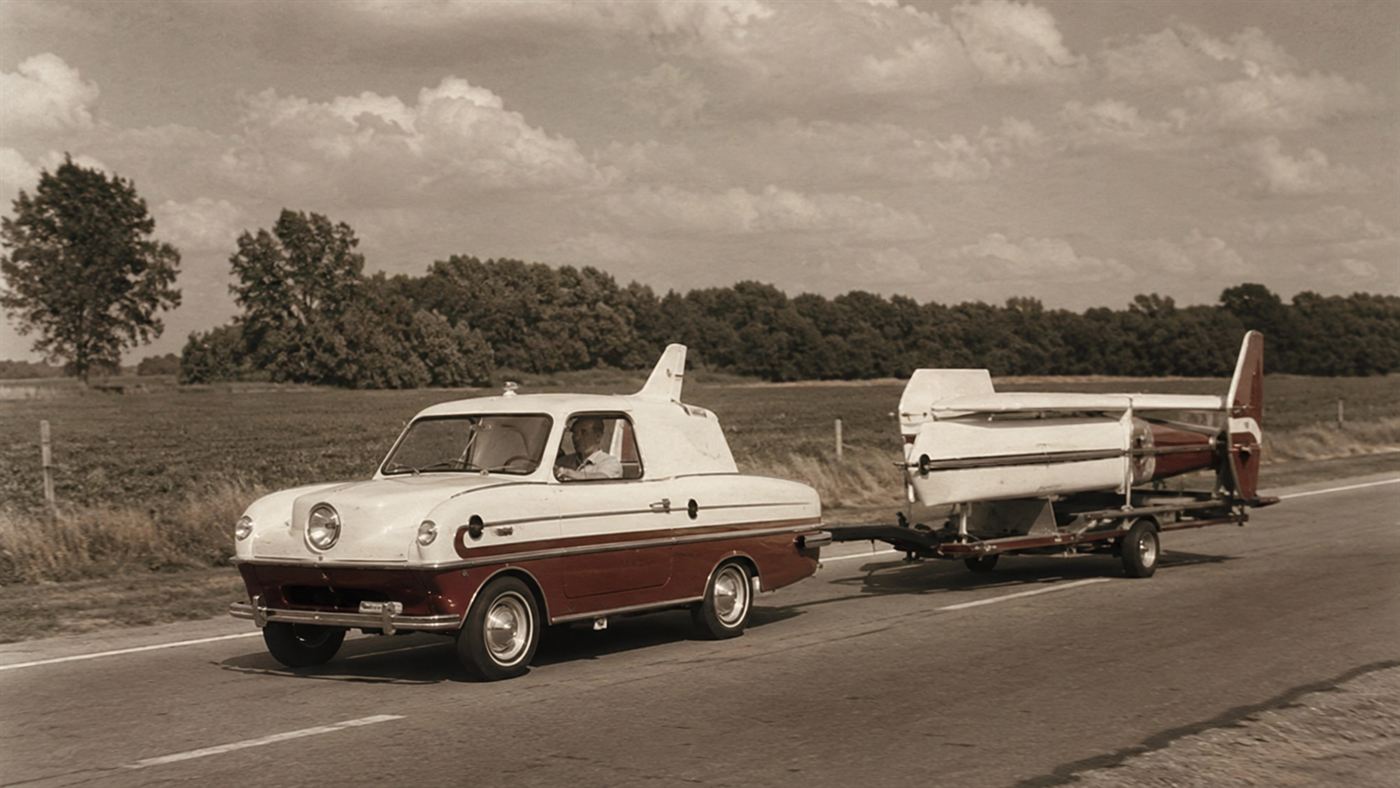
His idea was clever. The Aerocar was a small, tidy road car with a pusher propeller, and its wings and tail folded up into a lightweight trailer that the car could tow behind it. You drove to the airfield, unfolded and bolted on the flying parts in a few minutes, and took off. On landing, you reversed the process and drove home.
The short version is that the flying machine everyone insists is impossible was built, flown and even blessed by the government decades ago, and it still went nowhere. Understanding why is far more useful than the myth that someone hid it.
How the Aerocar actually flew
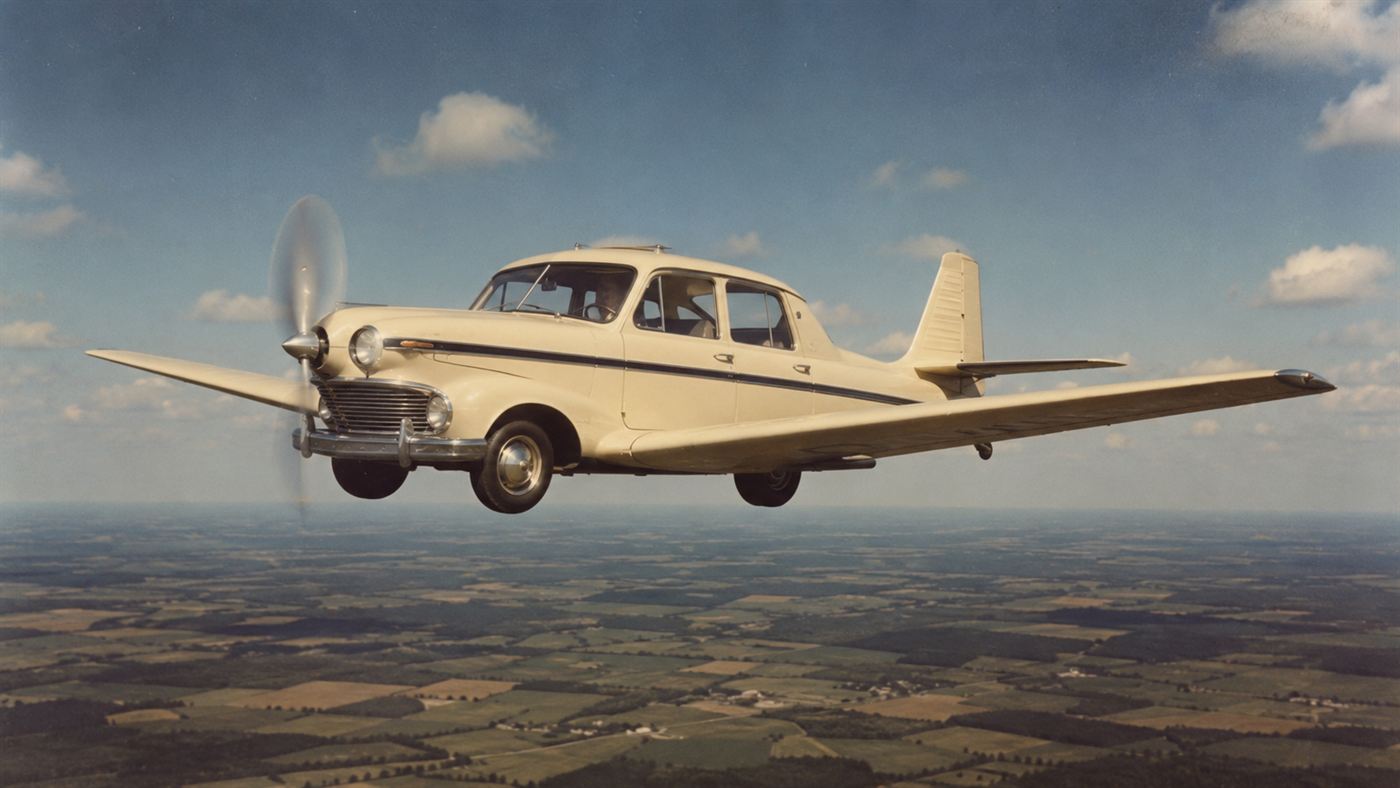
This was no stunt that hopped a few feet off the ground. The Aerocar was a proper light aircraft when assembled, capable of cruising at highway-beating speeds through the air and covering real distances between airfields. As a car it was modest but perfectly usable, nipping around town on the same engine that spun its propeller aloft.
The genius was in the trailer. Because the wings and tail towed along behind, you were never stranded, and you did not need to leave your aircraft parked at a distant airport. The Aerocar promised the true door-to-door freedom that every such pitch has dangled ever since, and unlike most of them, it delivered a working machine.
The stamp of approval
Most flying car dreams die on a drawing board or in a single crumpled prototype. The Aerocar went much further, because Molt Taylor took it through the long, punishing process of official flight testing and won it federal certification. In other words, the government agency responsible for aviation examined the thing and agreed it was fit to fly.
That approval is what sets the Aerocar apart from a century of hopeful sketches. It was not a concept or a hoax. It was a certified, airworthy vehicle you could, in principle, have bought and flown, which makes the question of why you never did all the more pointed.
Why did the Aerocar fail anyway?
Not because of a conspiracy, which is the tempting explanation, but because of arithmetic and compromise. A vehicle that must be both a car and a plane ends up carrying the weight, cost and complication of both, and excelling at neither. The Aerocar was a fine little car and a decent little plane, but it was not as good or as cheap as a dedicated version of either.
On top of the price came everything around it. To use one, you needed a pilot's licence, aircraft insurance, an airfield and the confidence to fly yourself, none of them cheap or casual. Molt Taylor came close to a big manufacturing deal more than once, but backers always did the same sums and walked away.
What the Aerocar tells us about flying cars
Only around six Aerocars were ever built, and a few survive today in museums and private hands, still flyable, still astonishing to anyone who assumes such a thing never existed. They are quiet proof that the engineering was never really the wall.
Every wave of flying machine hype since, right up to today's electric air taxis, runs into the same stubborn facts that stopped the Aerocar. The hard problem was never simply making one fly. It was making one that is cheap, safe, simple enough for ordinary people, and better than just owning a car and, when you must, buying a plane ticket.
The honest catch
It is a romantic story, the lone genius who cracked the flying car only to be failed by a timid market, and there is real truth in it. But the honest version resists the comfortable myth of suppression. Nobody needed to bury the Aerocar. It was undone by its own compromises and by a public that, offered the dream in solid form, quietly decided it did not want to pay for it.
That is the deeper lesson hiding inside this charming machine. The flying car keeps being described as a technology we are still waiting to invent, when the truth is stranger and more humbling. We invented it long ago, we certified it, we could have bought it, and we chose the ordinary car and the airline ticket instead. The Aerocar did not prove that flying cars are impossible. It proved that we may simply not want them.
The flying car was built, flown and approved seventy years ago, and we still passed it by. If a working flying car went on sale tomorrow, would you actually buy one? Tell us what you think in the comments.
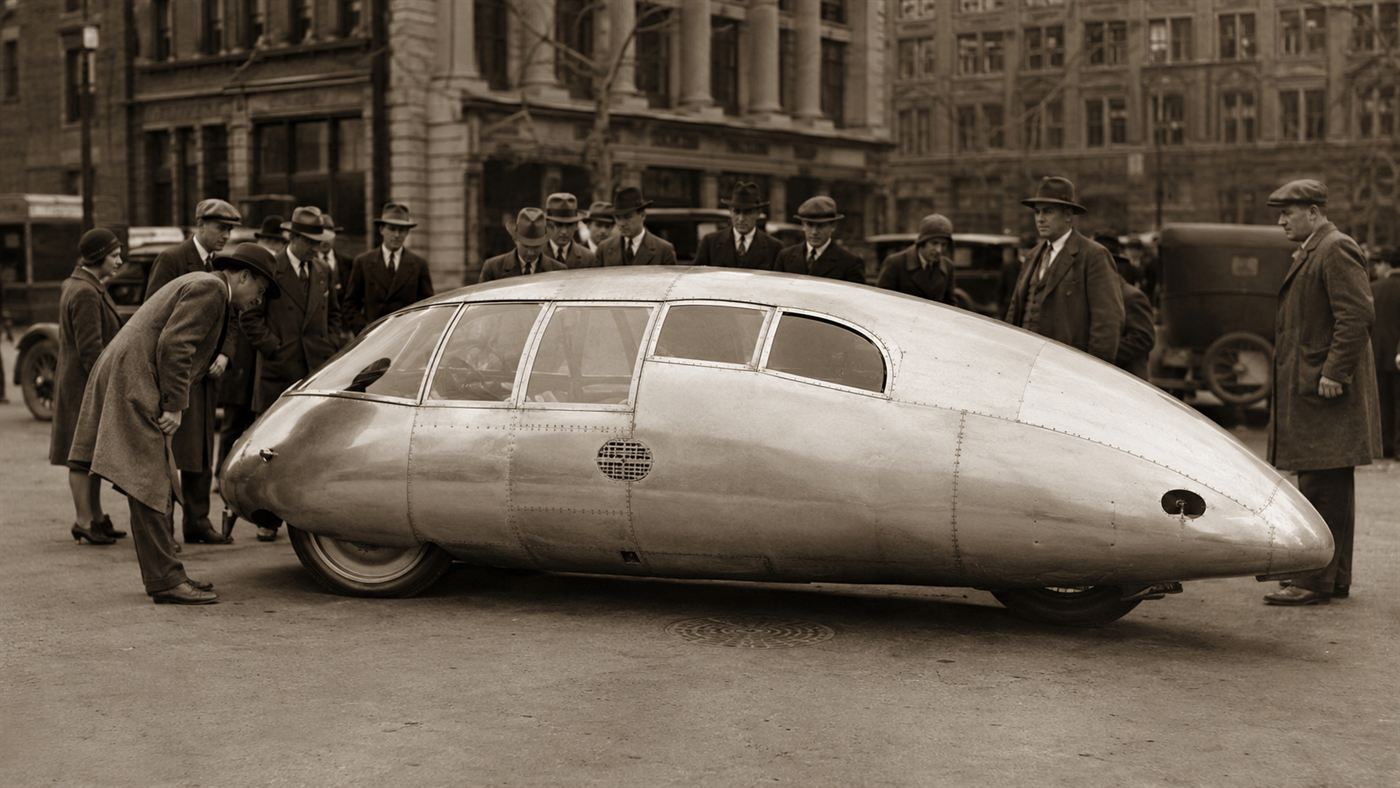
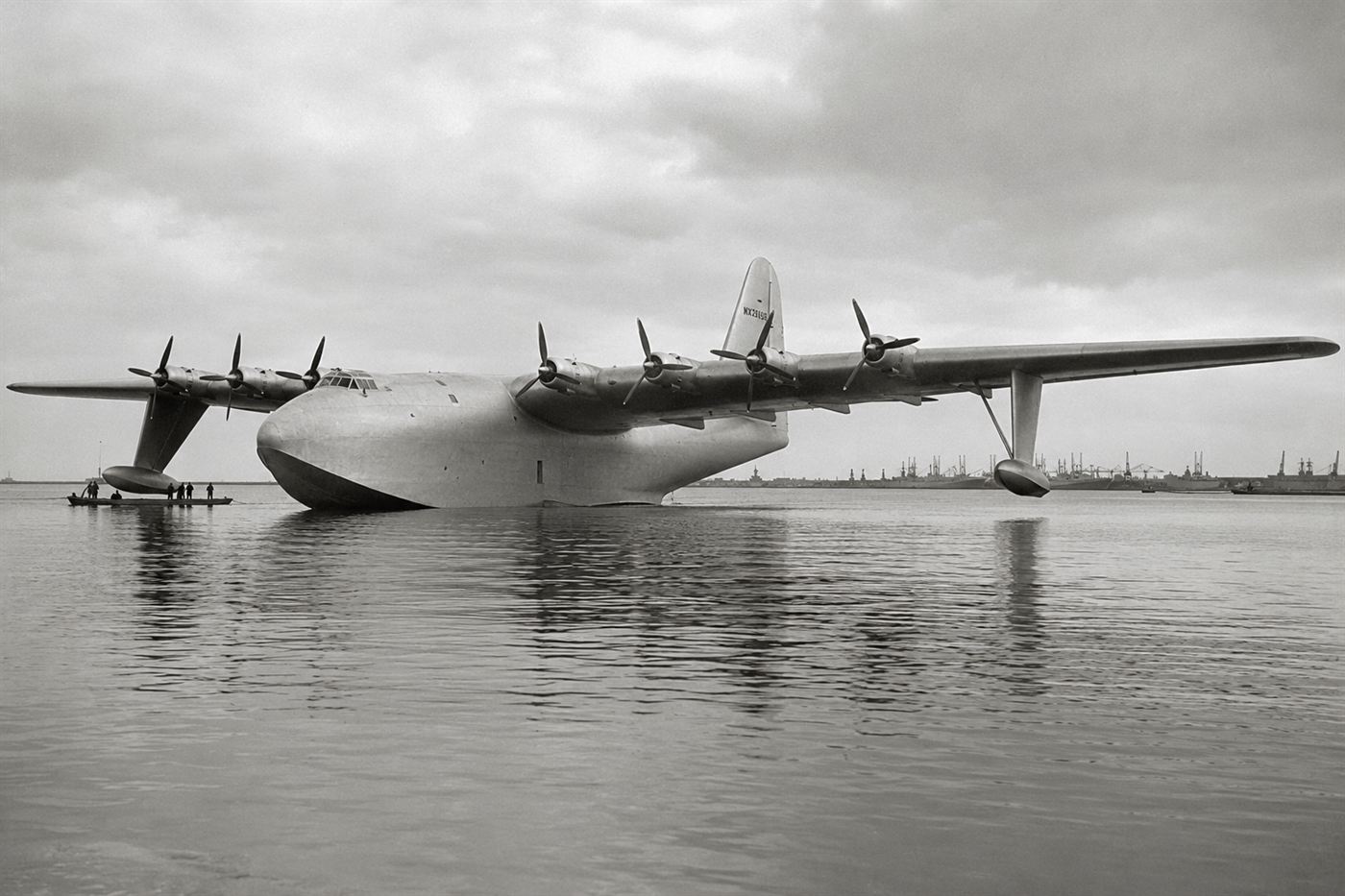
Related reading: the Dymaxion car, another radical vehicle ahead of its time. See also the Spruce Goose, a giant that flew only once, and the Tucker 48 that the big automakers buried. See also the Stout Scarab, the first minivan, sixty years too early.