A woman from Alabama who spent nine years on dialysis lived a record 130 days with a gene-edited pig kidney, the longest anyone has ever survived on an animal organ
In November 2024, surgeons in New York placed a pig's kidney inside a dying woman named Towana Looney. It was not a stunt. Her pig kidney transplant worked, day after day, for more than four months, longer than any animal organ has ever kept a human alive, and it turned a science-fiction idea into a real, if fragile, kind of hope.

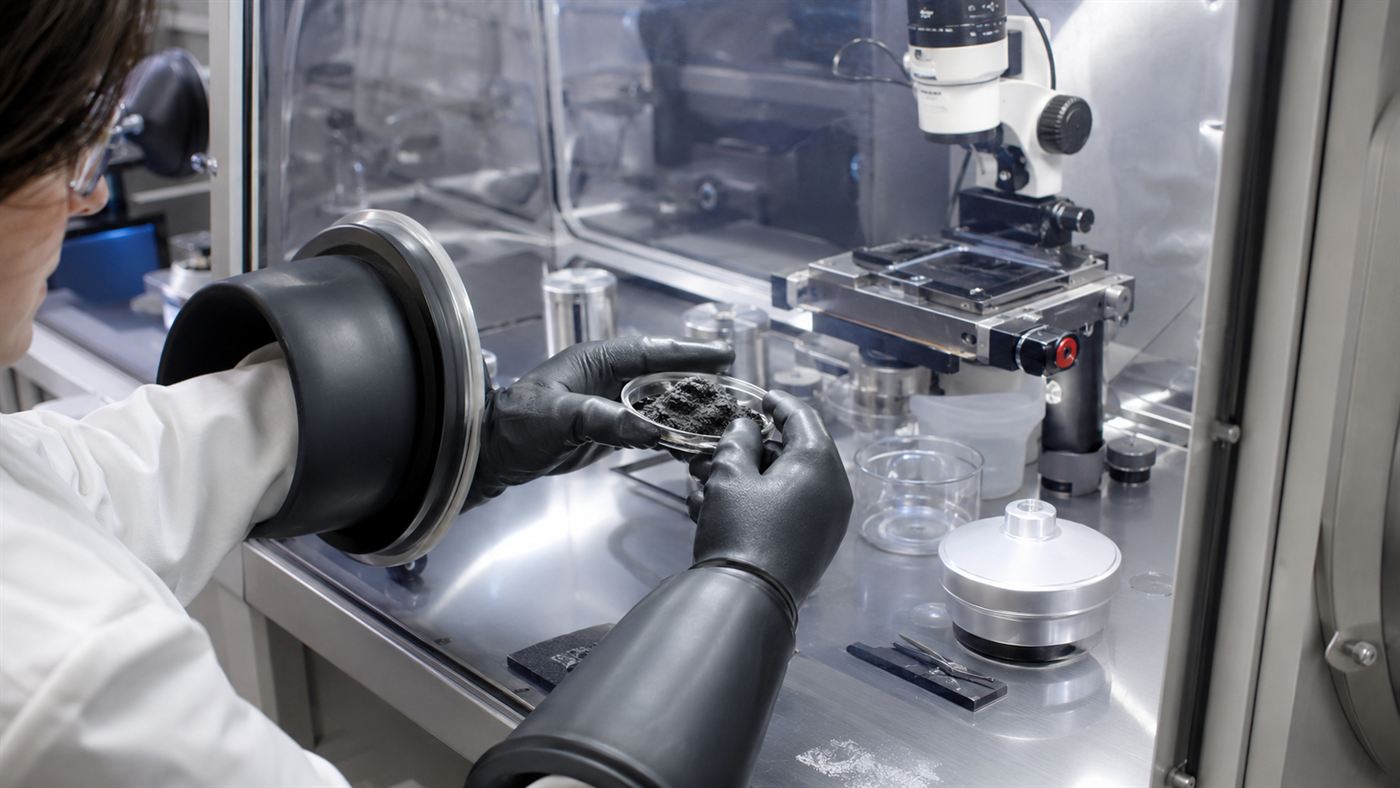
A pig kidney transplant bought one patient a record 130 days, and a glimpse of a future without transplant waiting lists. Illustration: Watts & Wild.
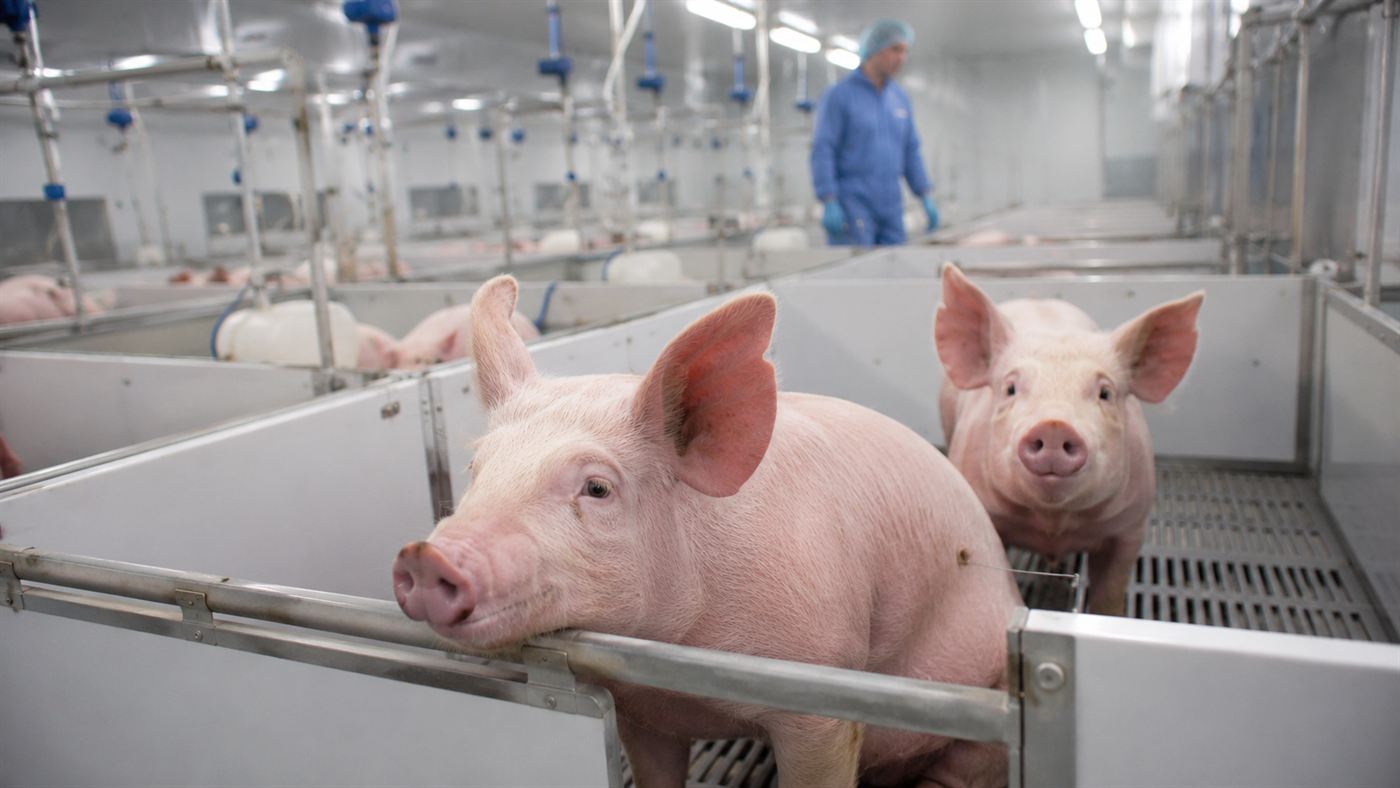
The pig kidney transplant that Towana Looney received on November 25, 2024, at NYU Langone Health was a genuine medical first, and the person at the center of it was not a lab number but a 53-year-old from Alabama who had run out of options. She had been on dialysis for nine years, and her body carried antibodies that made it nearly impossible to match her with a human donor. A pig, it turned out, was her best remaining chance.
As NYU Langone described the case, the transplant was led by Dr. Robert Montgomery, director of the NYU Langone Transplant Institute, and it made Looney only the third living person ever to receive a pig kidney. When she woke with the organ working inside her, filtering her blood the way her own kidneys no longer could, she became the leading edge of one of the oldest dreams in medicine.
The short version: In November 2024, Towana Looney received a kidney from a pig with 10 genetic edits at NYU Langone. She lived with it for a record 130 days, the longest a human has ever survived on an animal organ, before her body rejected it in April 2025. The case pushed the US closer to formal trials of pig-to-human transplants.
The woman who volunteered to make history
Towana Looney did not stumble into this. She had donated a kidney to her mother years earlier, then lost her own remaining kidney function to complications, and spent nearly a decade tethered to a dialysis machine that kept her alive but wore her down. Told she might never get a compatible human organ, she chose to gamble on something no one could promise would work.
What makes her story land is how ordinary she is about it. She has described herself as just a country girl who wanted to help move things forward, and after the surgery she did the unglamorous, astonishing thing of simply getting better: walking the halls, leaving the hospital, going home to Alabama with a pig's organ doing her body's most vital chemistry. For a while, she was living proof that the impossible had a pulse.
What is a pig kidney transplant, and why use a pig?
The medical term is xenotransplantation, moving an organ from one species into another, and doctors have chased it for over a century precisely because the need is so desperate. In the United States alone, more than 100,000 people sit on the transplant waiting list, and many die every year simply because there are nowhere near enough human organs to go around. That shortage is the whole reason to attempt something this radical.
Pigs became the donor of choice for practical reasons. Their organs are close to the size of ours, they grow quickly, and they can be raised in controlled, clean conditions. A pig kidney is roughly the right tool for the job, if only the human immune system could be stopped from destroying it on sight. Solving that last problem is where modern genetics comes in, the same toolkit that first stunned the world with Dolly the cloned sheep.
The ten edits that make a pig organ human-safe
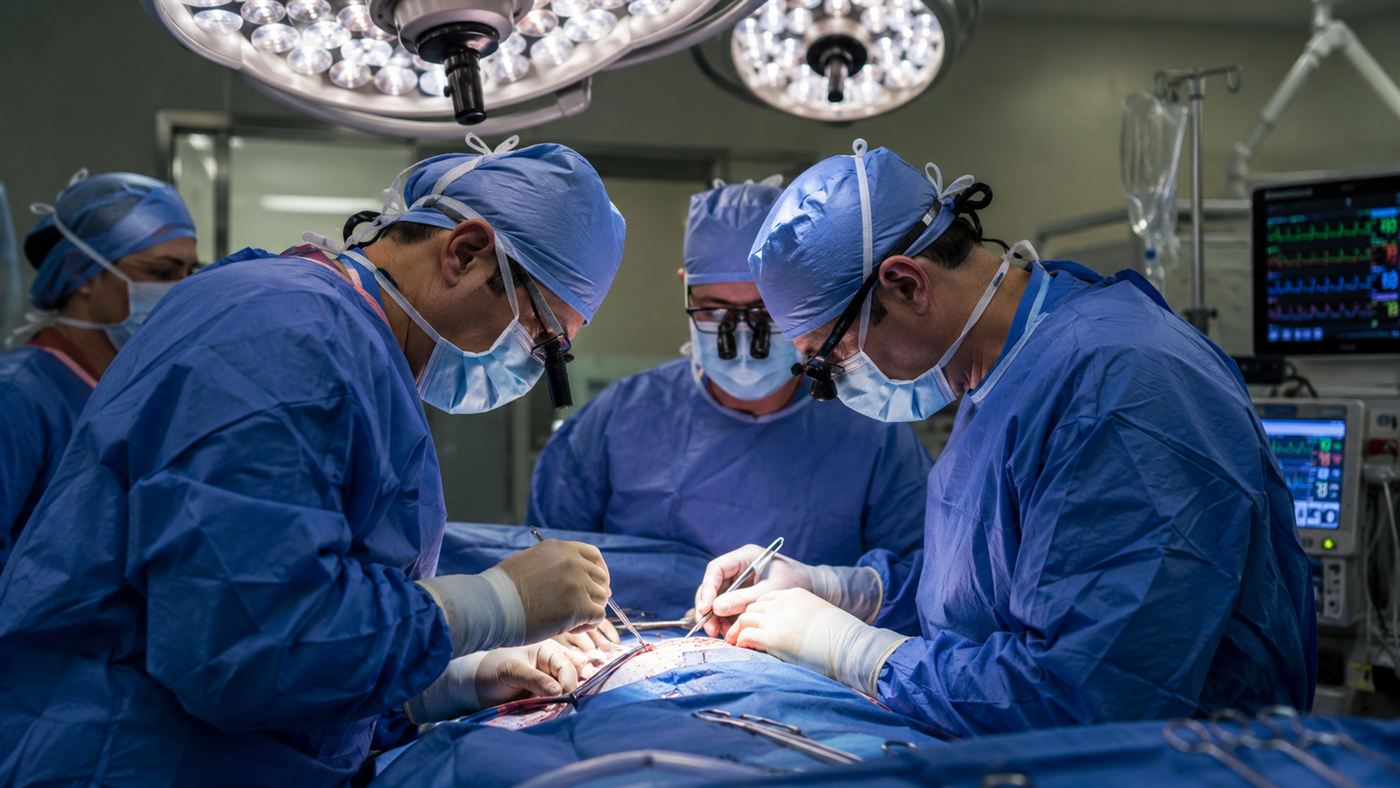
A pig kidney dropped into a person unaltered would be attacked and killed within minutes, a violent reaction called hyperacute rejection. The breakthrough was learning to reprogram the pig itself. Looney's donor organ came from a gene-edited pig carrying 10 genetic changes, a mix of switching off the pig genes that scream foreign to the human immune system and adding human genes that help the body tolerate the organ.
That is a staggering amount of precision biology standing behind a single surgery, the product of decades of work by companies breeding these animals specifically to save human lives. It is one thing to read that a pig can be edited to grow a more human-friendly kidney, and another to grasp that a living woman then walked around for months relying on exactly that. The line between a laboratory pig and a person's survival had never been drawn so directly.
130 days, then rejection
The organ did not last, and the way it ended matters as much as how it began. As CNN reported, after about 130 days Looney's body began rejecting the kidney, and on April 4, 2025, surgeons removed it. She came through the removal safely and returned to dialysis, alive and, by her own account, grateful for the time and the knowledge her case bought.
Doctors were careful not to call it a failure so much as a lesson. Every day the kidney functioned taught researchers something about how a human body and a pig organ negotiate over months rather than the hours or days seen in earlier attempts. Her 130 days shattered the previous record and gave the field its most detailed look yet at the slow-motion problem of long-term kidney failure care with an animal organ. Progress in this field, like the story of the cells that built modern medicine, is built on individual human stories.
Why does this matter for millions?
Look past the single patient and the stakes are enormous. If pig organs can be made to last, the chronic, deadly organ shortage that defines transplant medicine could simply dissolve, replaced by a supply that can be bred to meet demand. That is why regulators and researchers watched Looney's case so intently, and why the string of recent pig kidney and pig heart attempts has moved so fast.
The momentum is real. On the strength of cases like hers, the US Food and Drug Administration cleared the way in 2025 for the first formal clinical trials of pig-to-human transplantation, the step that turns a handful of heroic one-off surgeries into structured science. It is the difference between a few brave experiments and a path to an everyday treatment, and it is the same patient, incremental grind that quietly reshaped the world in stories like the harvests that beat mass famine.
The honest catch
None of this means the organ shortage is over, and the honest reading of Looney's story has to hold the record and the rejection in the same hand. The kidney failed after 130 days, and nobody yet knows how to make a pig organ last for years, which is what a real cure would require. Rejection is only one hazard; researchers also worry about hidden pig viruses crossing into people and about immune complications that only show up over long stretches of time.
There are harder questions still, about the ethics of engineering and killing animals to harvest their organs, and about who would actually get these transplants and at what cost if they ever work at scale. Those debates are not going away. But set against a waiting list where thousands die each year, a woman living 130 days on a pig's kidney is not a gimmick. It is a door being pried open, slowly and imperfectly, onto a future where running out of organs is no longer a death sentence.
A dying woman lived four months on a pig's kidney and helped open the door to trials that could one day end the organ shortage for good. If a gene-edited pig organ could save your life but had never lasted more than a few months, would you take it? Tell us what you think in the comments.
Related reading: How a cloned sheep named Dolly rewrote what we thought biology allowed.
More from Watts & Wild
More in Science & Tech →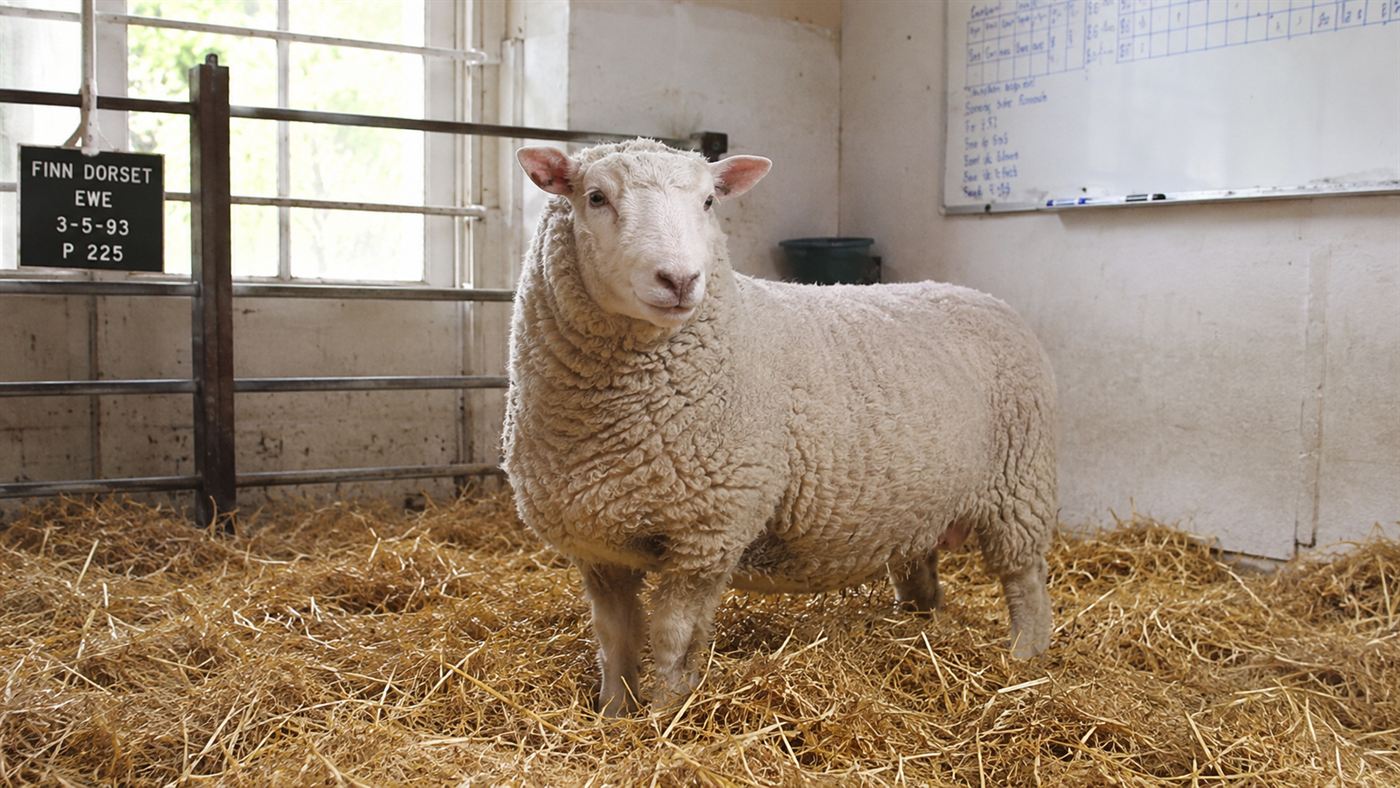



Maria covers heavy industry, mega-builds, and the science reshaping how we live, for Watts & Wild.