A single drop of clear liquid soaked through Karen Wetterhahn's glove, and ten months later it took her life
She spent her career figuring out how toxic metals damage the human body. On a summer afternoon in 1996, Karen Wetterhahn pulled a tiny amount of one of the deadliest compounds in chemistry from a vial, and a drop or two landed on her gloved hand. She wiped it off, finished her work, and felt nothing. The glove had already failed her.
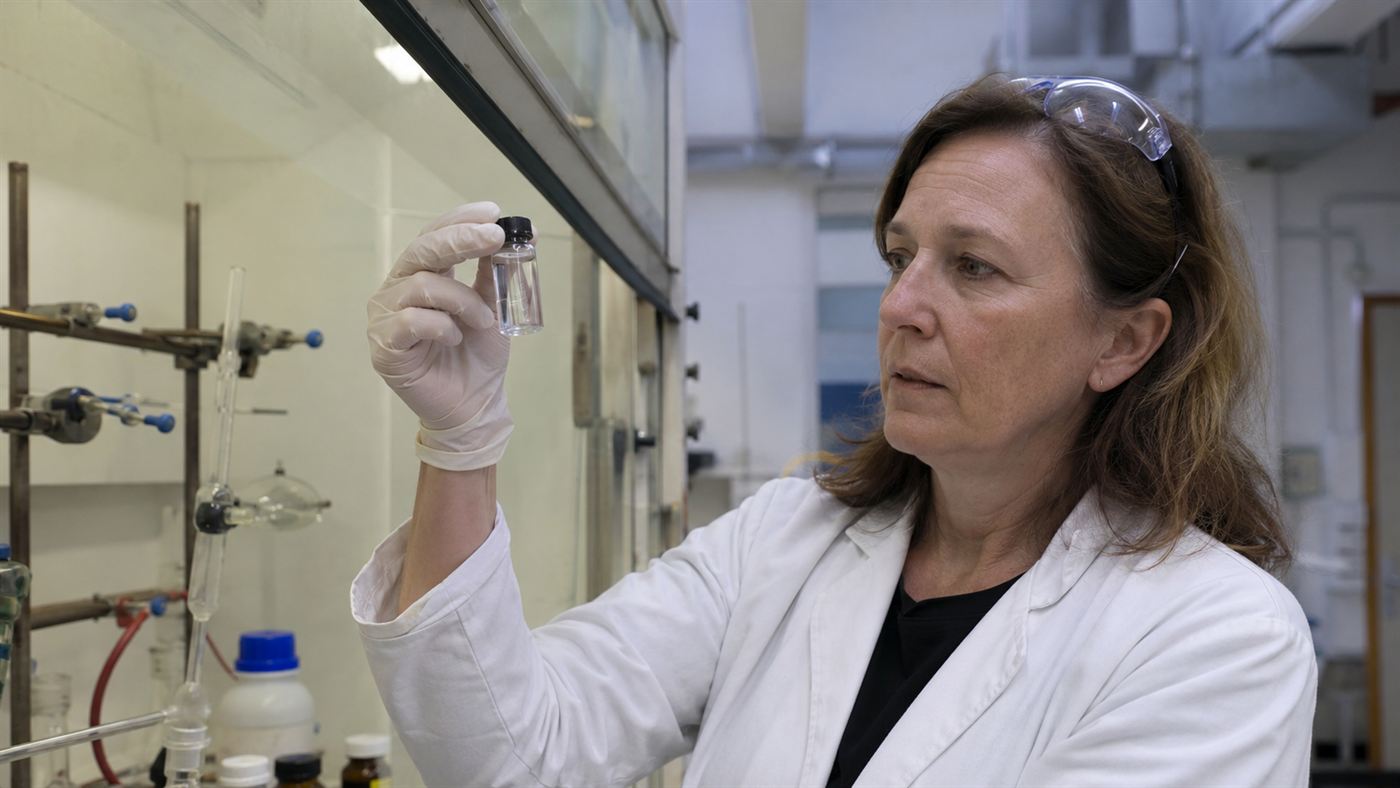
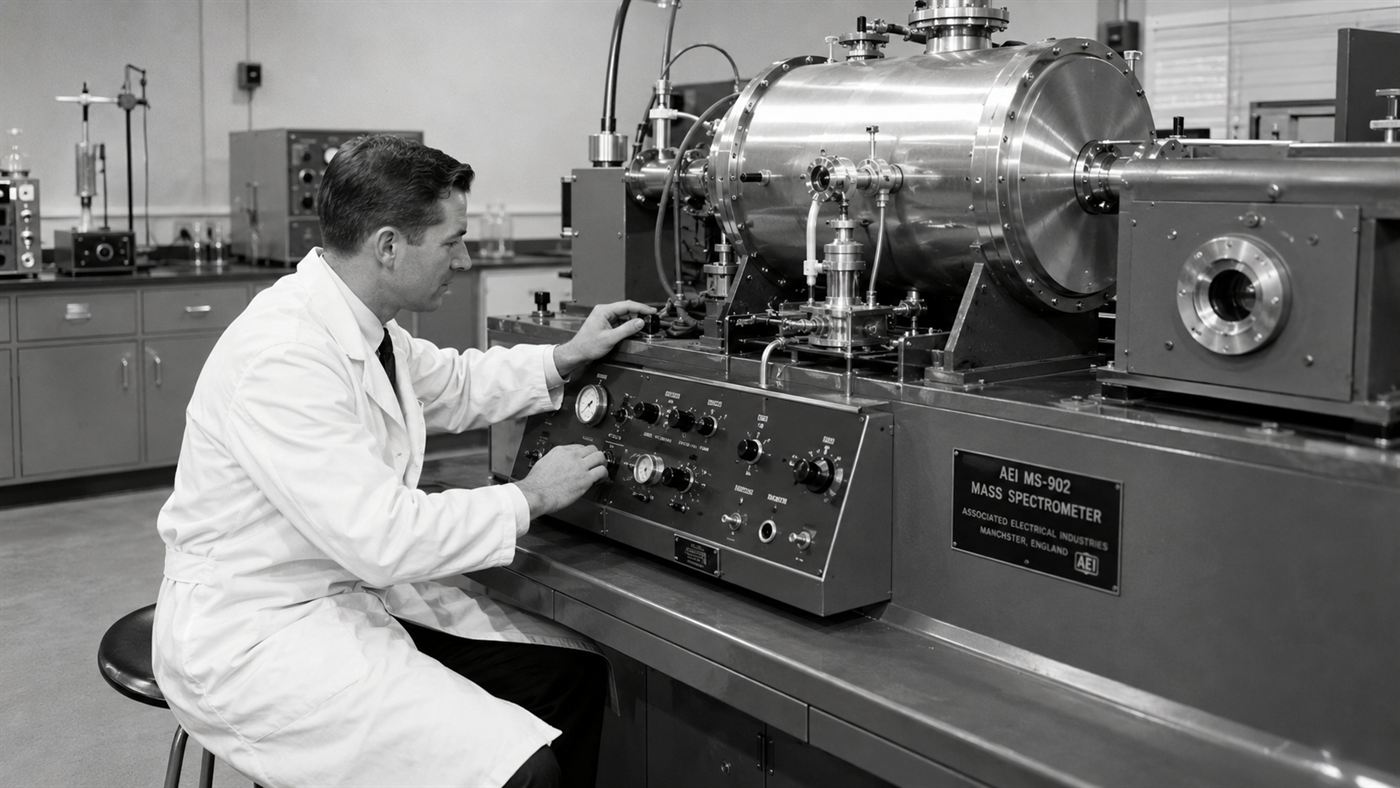
A chemist at the fume hood, the everyday scene where the accident happened. Illustration: Watts & Wild.
The compound was dimethylmercury, and almost nobody outside a handful of labs ever handles it. Karen Wetterhahn needed a tiny amount as a reference standard for a mercury experiment, the chemical equivalent of a tuning fork. She was an expert. She worked in a fume hood, wore gloves, followed the protocol she had taught for years. None of that mattered, because the protocol itself was wrong.
Here is the short version. On August 14, 1996, a Dartmouth chemistry professor spilled a drop or two of dimethylmercury onto her latex glove. The liquid passed through the latex in seconds, soaked into her skin, and gave no warning for months. By the time doctors understood what was happening, nothing could be done, and she died the following June.
Who was Karen Wetterhahn
She was not a careless student. Karen Wetterhahn was 47, a full professor, and one of the people who actually understood mercury at the molecular level. Her research looked at how heavy metals like mercury and chromium attack DNA and the proteins that repair it, which is to say she spent her days studying exactly the kind of poison that would later kill her.
She was also a builder of people. In 1990 she founded the Women in Science Project at Dartmouth, a program that paired first-year women with real research instead of pep talks. It worked. The share of women majoring in science at the college roughly doubled during her time there. That is the cruelty of the story: the field lost one of its best at the exact moment she was bringing others into it.
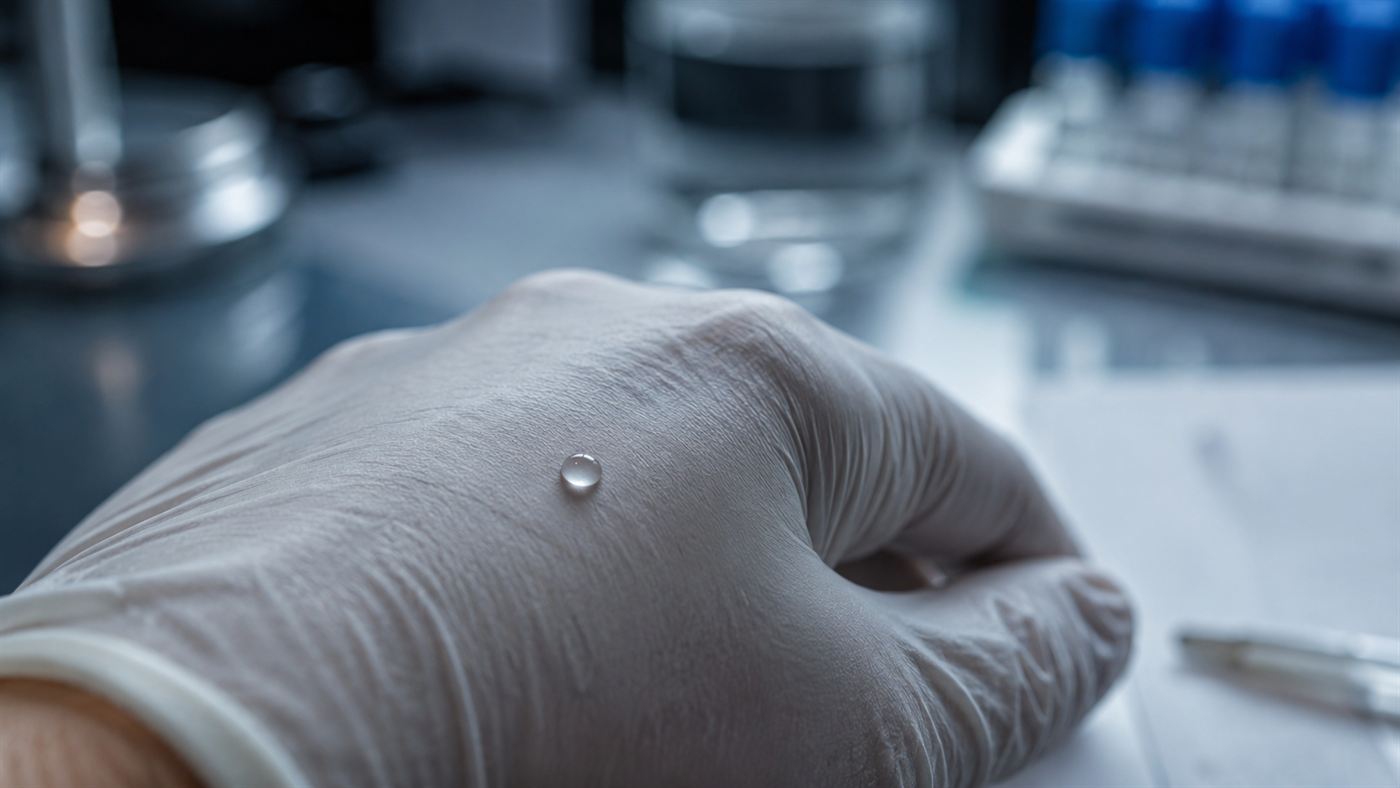
Why did the latex gloves fail?
This is the part that frightened every chemist who heard it. After the accident, researchers tested latex against dimethylmercury directly, and the result was brutal: the compound passes through an ordinary disposable glove in under fifteen seconds. The glove she trusted was, for this one chemical, no better than bare skin.
The reason is the molecule itself. Dimethylmercury is small, oily, and fat-loving, the kind of thing that slips through membranes the way a smell drifts under a door. The thin polymer of a latex glove is no barrier to it at all. The deeper problem was that the safety advice of the day, the advice in the manuals, simply did not know this. Everyone assumed gloves were gloves.
The months when nothing seemed wrong
Mercury does its worst work quietly. For nearly three months Karen Wetterhahn felt fine, taught, ran her lab, lived her life, while the methylmercury her body had made from the spill crossed into her brain and settled there. The poison was already lethal before the first symptom ever appeared.
When the signs came, in January 1997, they came fast. She began losing her balance, slurring her speech, struggling to see and hear. Tests found mercury in her blood at 4,000 micrograms per litre, twenty times the level considered toxic. Her colleagues, who knew exactly what that number meant, understood at once that there was no coming back from it. She slipped into a coma weeks later and died on June 8, 1997, ten months after a drop she had barely noticed.
The honest catch
It is tempting to file this under human error, a slip at the bench, and move on. That would be unfair to her and useless to everyone else. Karen Wetterhahn did almost everything a careful scientist was told to do. The failure was not really hers; it was a gap in what the entire field knew about how this specific compound behaves around the gear meant to stop it.
The other uncomfortable truth is that the experiment never needed dimethylmercury at all. It was being used as a convenient reference standard, and far safer substitutes existed even then. A small choice made for convenience, multiplied by a glove nobody had thought to question, was enough to cost a life. That combination, not a single villain, is what these stories almost always come down to.
What her death changed
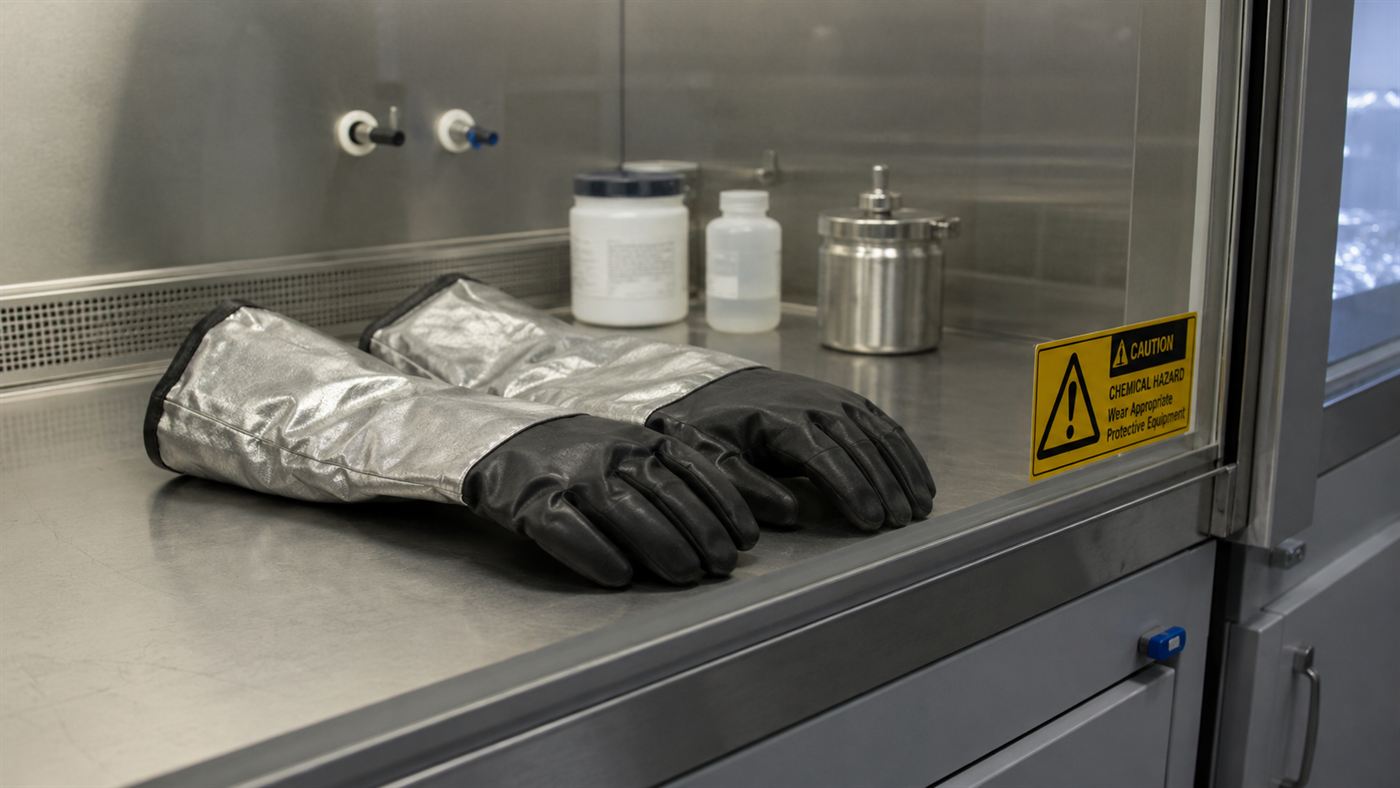
Her case did not vanish into a coroner's file. It was written up in the New England Journal of Medicine, taught in chemistry departments, and turned into hard rules. Labs that still touch organic mercury now use laminated plastic barrier gloves worn under a second heavier pair, handle the stuff sealed inside a hood, and are pushed to avoid dimethylmercury entirely whenever another standard will do.
None of that brings her back, and she would have been the first to say a rule is a poor monument. But the next chemist who reaches for a vial of something deadly does so inside a system that Karen Wetterhahn's death forced to grow up. The drop that no glove stopped ended up changing what every glove in the room is made of.
A world-class expert on metal poisoning was killed by the very thing she studied, undone by a glove that everyone trusted and no one had tested. Should a chemical this dangerous ever be in a teaching lab at all when safer stand-ins exist? Tell us what you think in the comments.
Related reading: Minamata, the Japanese bay where a factory's mercury poisoned a whole town and the company hid it for decades.
More from Watts & Wild
More in Science & Tech →

Bruno writes about energy history, industrial disasters, and the people who shaped the technologies we take for granted. He is based in Brazil.