For 27 years the Concorde flew passengers across the Atlantic at twice the speed of sound, and then the world quietly retired it and went back to flying slower than our grandparents did
The Concorde supersonic airliner could cross the Atlantic in under three and a half hours, cruising at Mach 2 on the edge of space. Then, in 2003, it was retired with no replacement, and commercial flight quietly got slower for the first time in history.
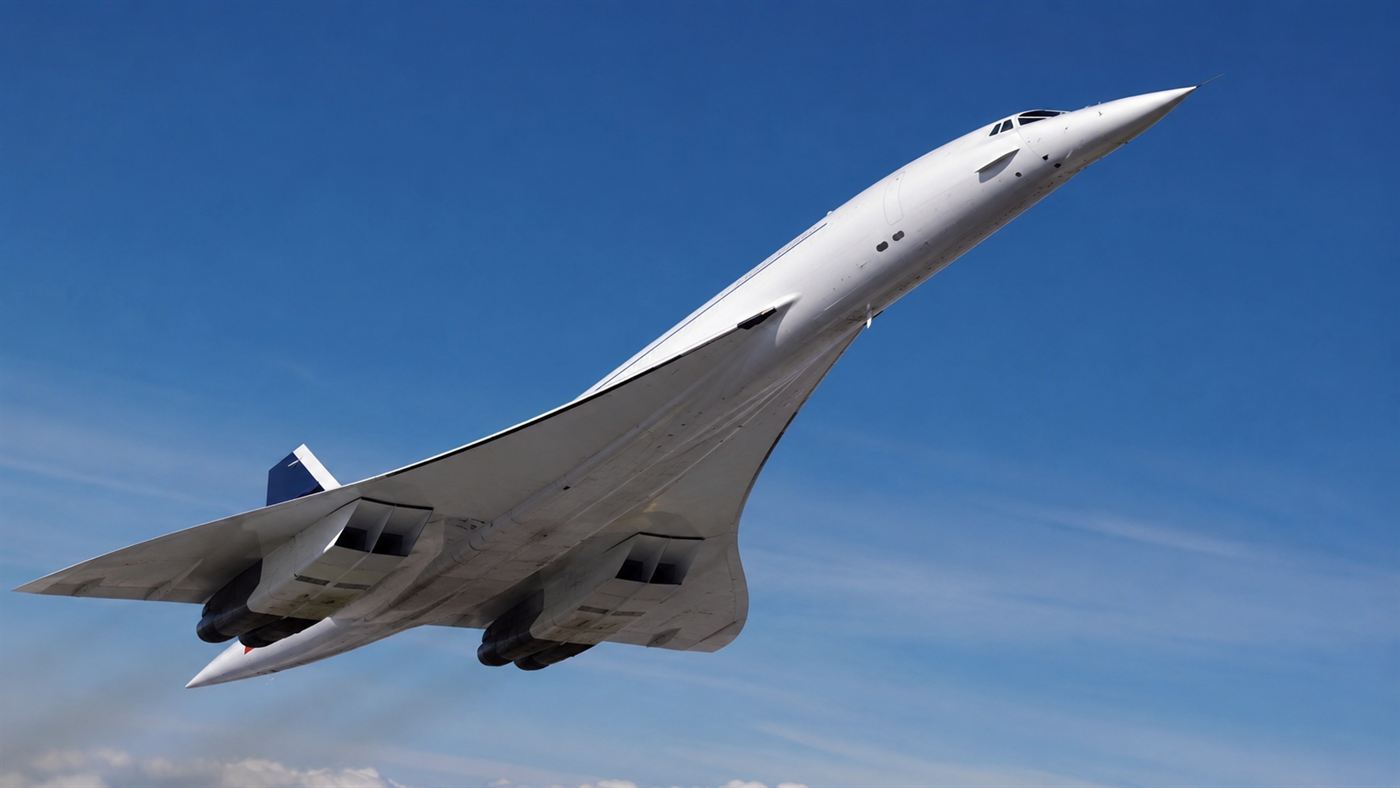
Concorde cruised at twice the speed of sound, high enough for passengers to see the curve of the Earth. Illustration: Watts & Wild.
There are very few technologies the human race has mastered and then deliberately given up. The Concorde supersonic airliner is the most spectacular of them, the fastest passenger flight we ever built and then chose to stop.
For nearly three decades the jet carried travellers faster than a rifle bullet leaves some pistols, and then we put it in museums and went back to subsonic jets.
Why was Concorde retired? It was retired in 2003 because it was hugely expensive to run, burned enormous amounts of fuel, was banned from supersonic flight over land by its sonic boom, and demand collapsed after a fatal crash in 2000 and the downturn in air travel that followed 2001.
Twice the speed of sound
Concorde cruised at about Mach 2, roughly 2,180 kilometres per hour, twice the speed of sound.
Holding Mach 2 the whole way, it flew from London to New York in around three and a half hours, less than half the time an ordinary airliner takes.
It flew so high, around 18 kilometres up, that passengers could see the curvature of the Earth and the sky turning dark blue above them.
Its needle-like fuselage even had a famous drooping nose that tilted down so the pilots could see the runway during slow landings.
Stepping aboard the jet felt less like catching a flight and more like boarding a spacecraft with seats.
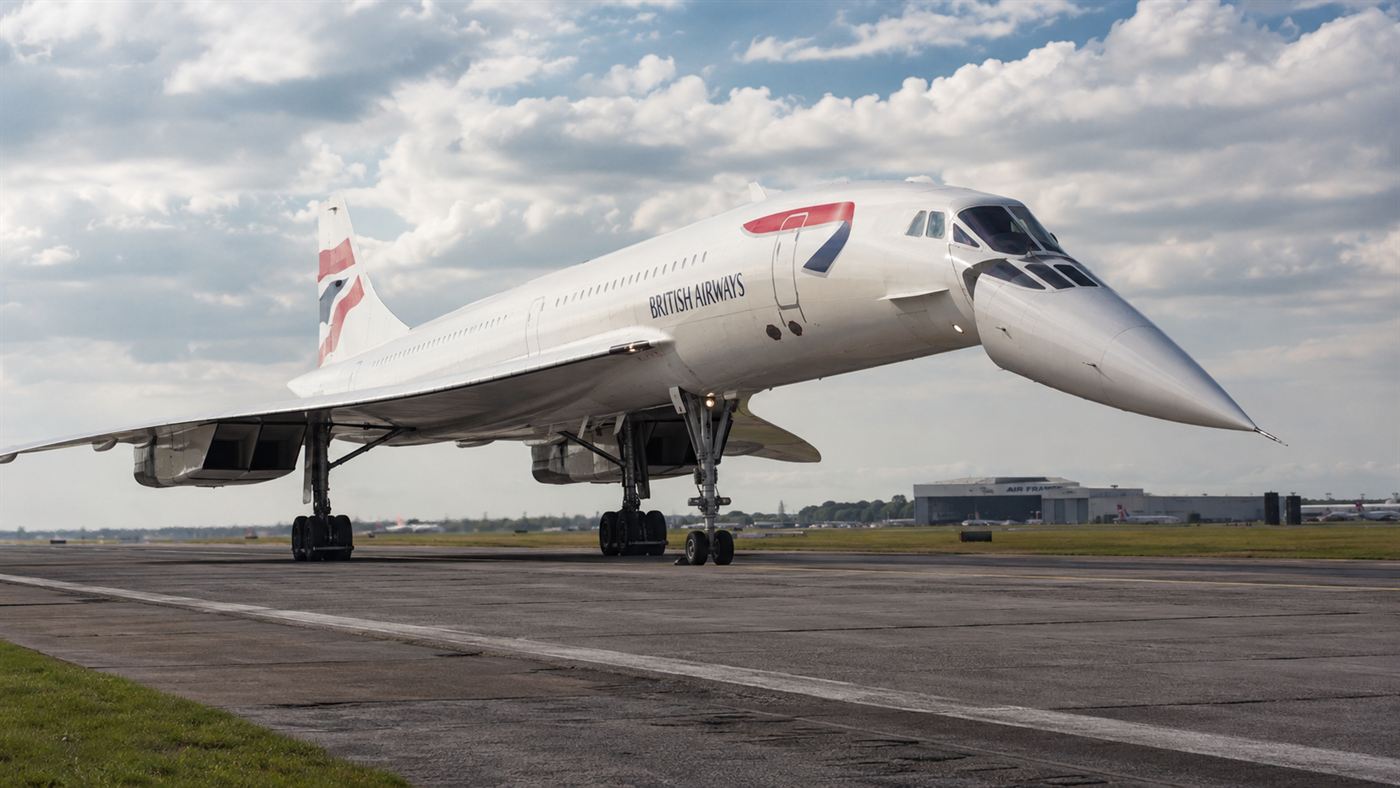
The Concorde supersonic airliner, an Anglo-French gamble
Concorde was born from an ambitious partnership between Britain and France in the 1960s.
The supersonic airliner first flew in 1969 and entered service in 1976, a genuine marvel of Cold War-era engineering.
But it was financially brutal, with costs ballooning so far that only 20 aircraft were ever built.
In the end just two airlines flew them in regular service, British Airways and Air France, often on prestige transatlantic routes.
The aircraft was always as much a national symbol as a serious business.
The trouble with going supersonic
The deepest problem was the noise the aircraft made simply by being fast.
Flying faster than sound creates a sonic boom, a thunderclap that rolls across the ground beneath the plane, and at full speed the jet dragged that sonic boom behind it the whole way.
That sonic boom was so disruptive that supersonic flight over land was effectively banned, which trapped it on ocean routes where the sonic boom fell on empty sea.
On top of that, the supersonic airliner drank fuel at a ferocious rate and carried only around 100 passengers in a narrow cabin.
The result was a ticket so expensive that, for most people, the supersonic jet was something you watched take off, not something you flew.
The crash and the end
For decades the jet had a spotless safety record, part of its glamorous reputation.
That ended in July 2000 when Air France Flight 4590 ran over debris on the runway in Paris, caught fire and crashed, and the disaster killed all 109 people on board and four on the ground.
The fleet was grounded, modified and briefly returned to service, but the shock had broken the spell.
When air travel slumped after 2001 and the costs kept climbing, the airlines decided the supersonic airliner no longer made sense.
Concorde made its final commercial flights in 2003 and retired into museums around the world.
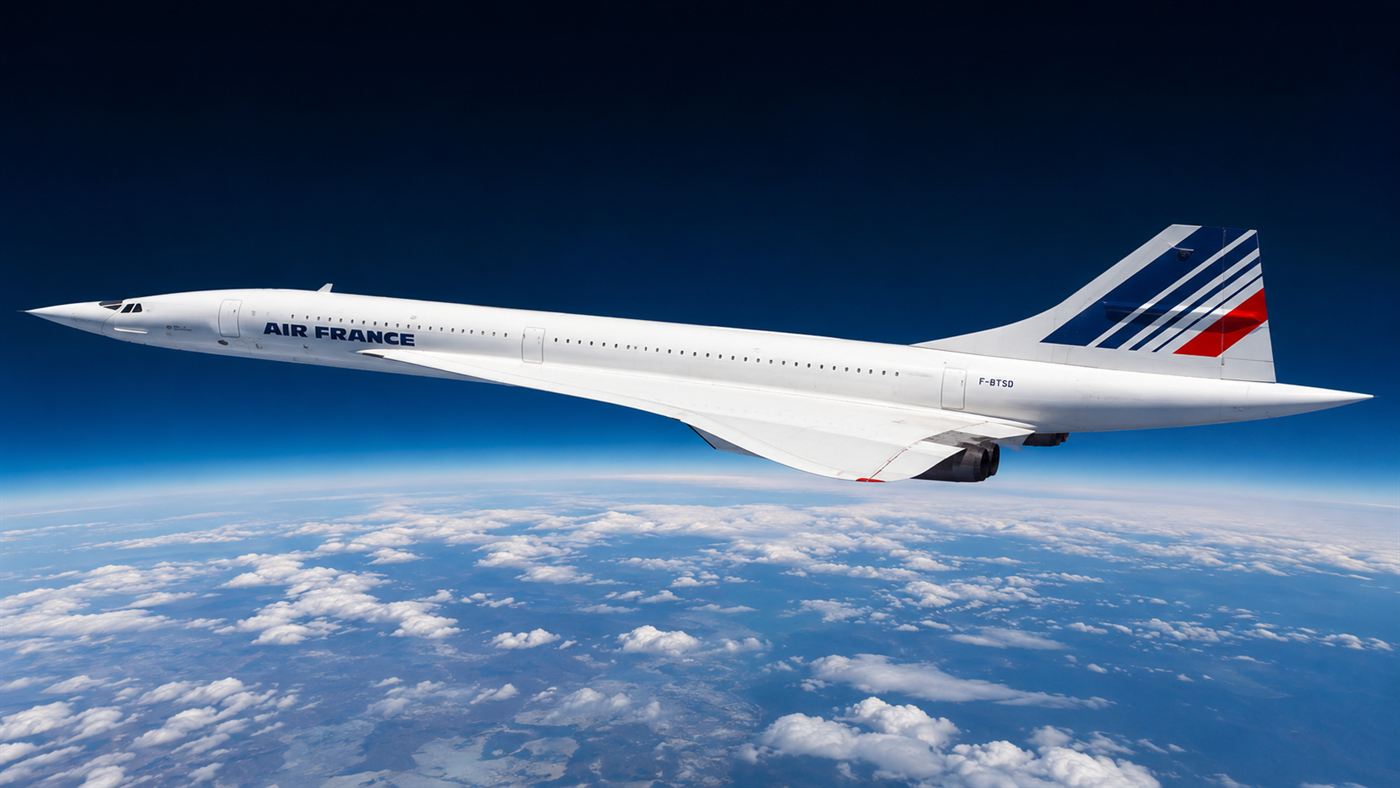
The day flight went backwards
The strangest part of the story is what happened next, which is nothing.
No supersonic airliner replaced Concorde, so the fastest way for an ordinary passenger to cross the Atlantic became slower in 2003 than it had been in 1976.
In an age that assumes technology only ever speeds up, commercial aviation simply went into reverse and stayed there.
A child flying today travels more slowly than their grandparents could have at Mach 2 on a Concorde ticket decades ago.
It is one of the clearest examples anywhere that progress is a choice, not a guarantee.
The honest catch
It is easy to mourn it as a lost golden age, but the full picture is less romantic.
The supersonic airliner was extraordinarily thirsty and polluting per passenger, painfully loud, and only ever affordable to the wealthy, so retiring it was not pure loss.
It also rarely made money, leaning on national pride and subsidy more than sound economics.
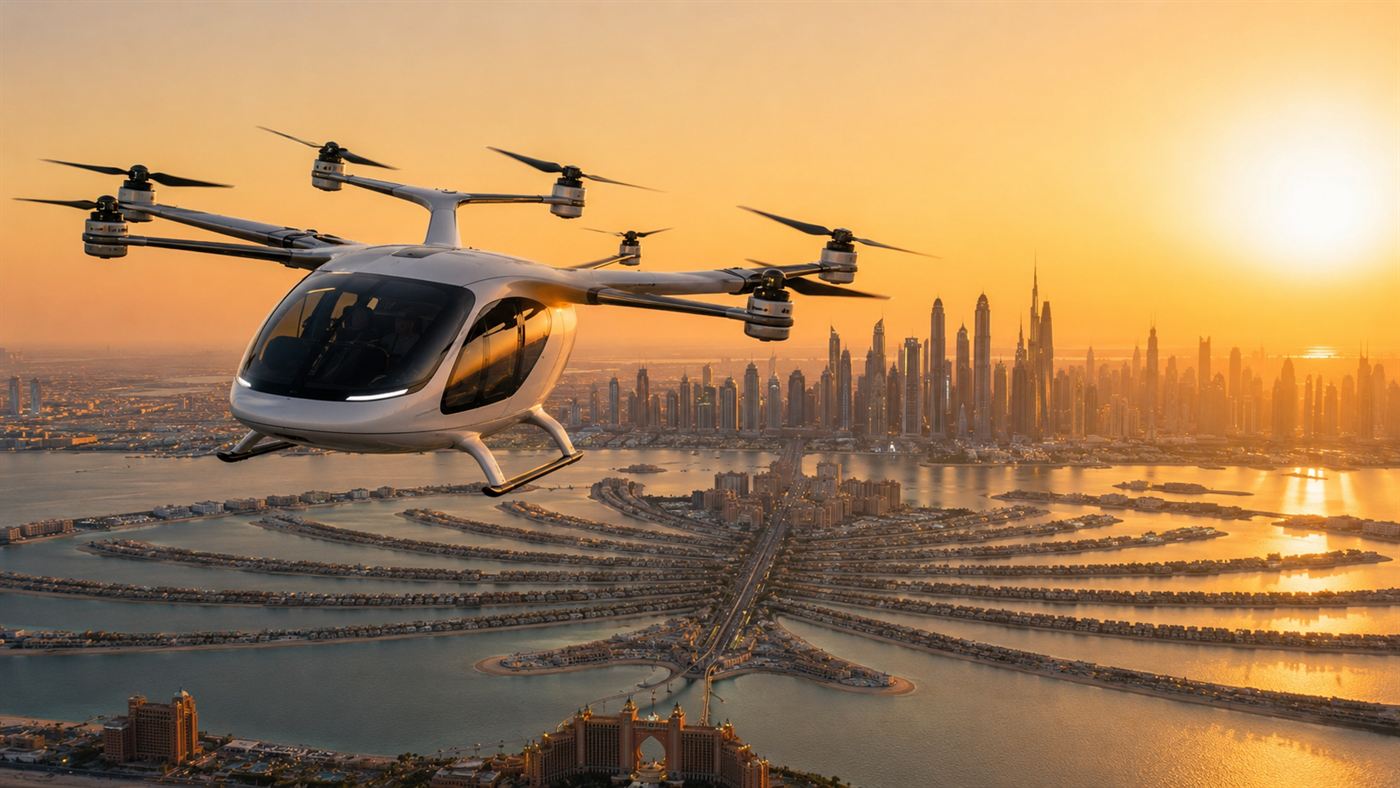
New companies and space agencies are now chasing a quieter boom and cleaner supersonic flight, but the same brutal physics and economics that grounded Concorde are still waiting for them, a challenge shared by bold new ideas in the air like electric air taxis.
Concorde endures as the most beautiful what-if in aviation, proof that we can build the future and then decide we cannot afford to keep it.
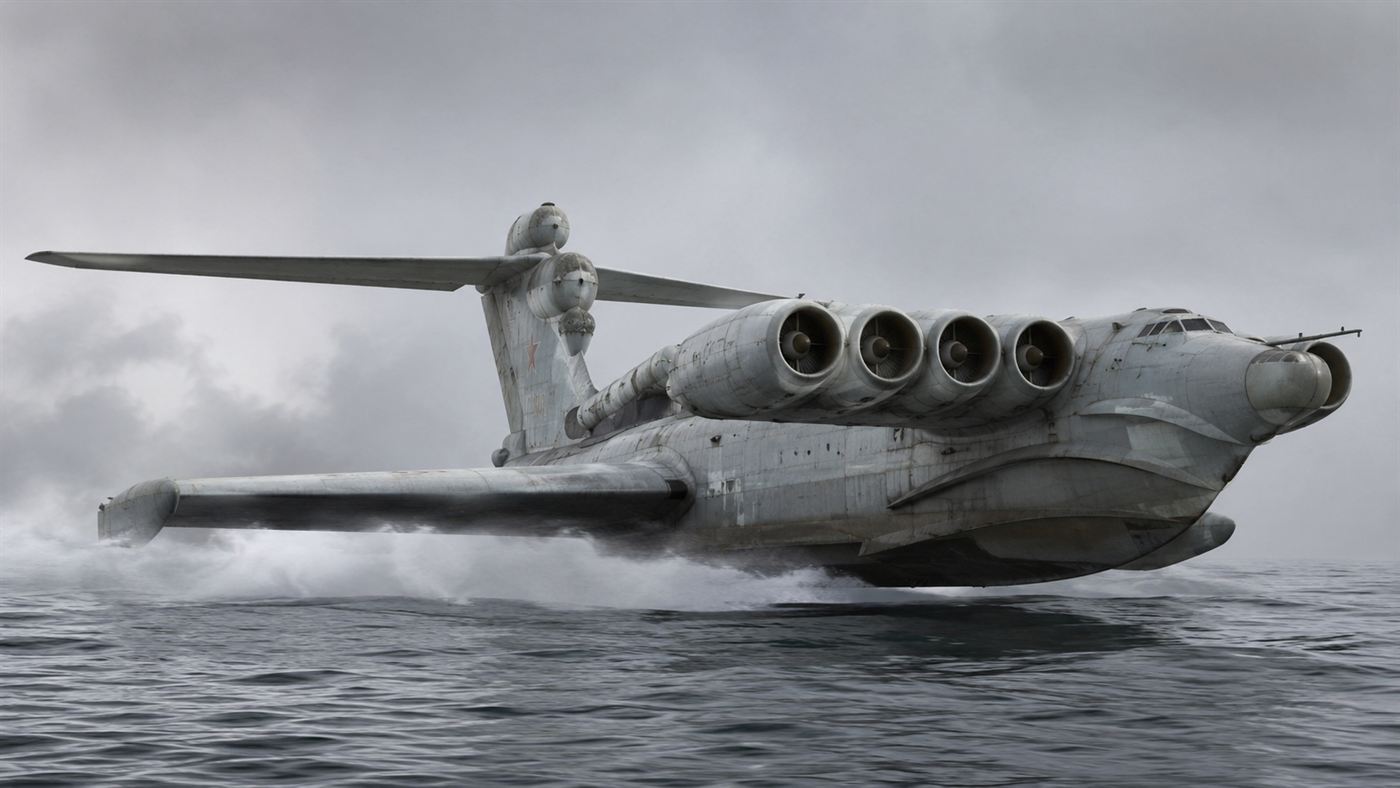
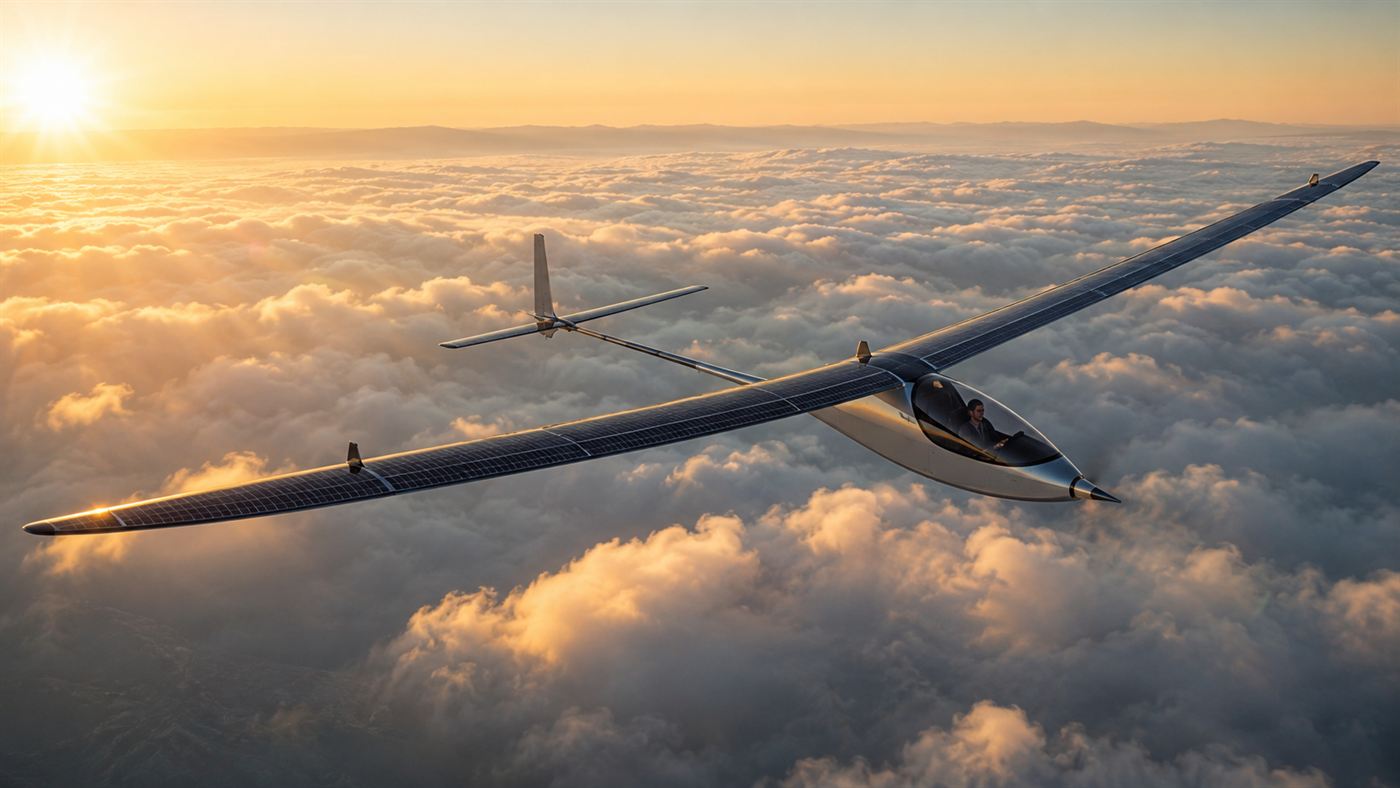
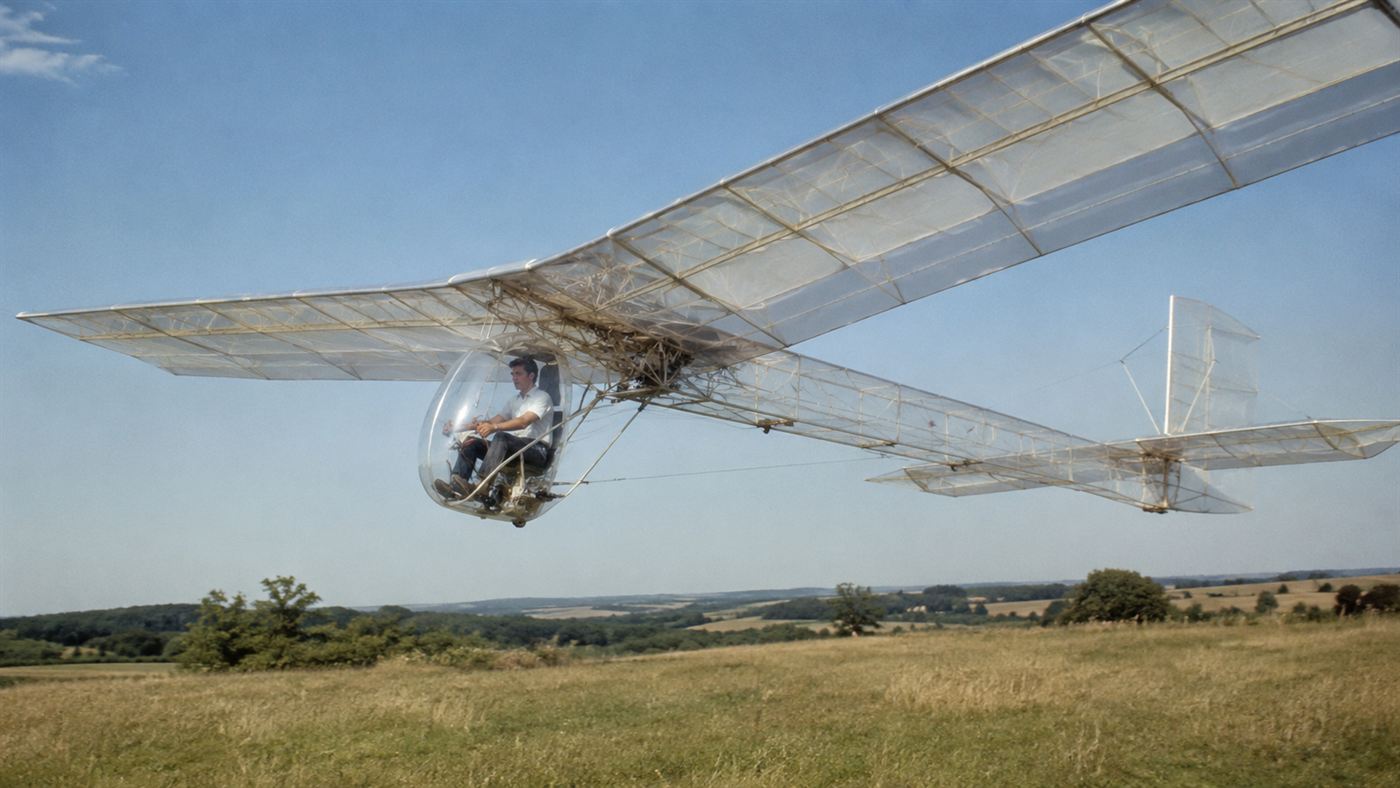
It sits among the other audacious flying machines that dared too much for their time, from the giant Soviet Caspian Sea Monster to the featherlight pedal-powered planes of Paul MacCready and the sun-fed Solar Impulse.
Was retiring Concorde a sensible end to an extravagant machine, or a rare and shameful step backwards for human progress, and should we try to fly supersonic again? Tell us in the comments.