The biggest land crab on Earth climbs trees, cracks coconuts with a lion's grip, eats birds, and may have devoured Amelia Earhart
On a scatter of remote tropical islands lives an animal that sounds invented. The coconut crab is the largest land invertebrate on the planet, can span a metre claw to claw, climbs palm trees, tears open coconuts with a grip like a big cat's bite, and, oddly, drowns if you leave it in the sea. It may also have eaten one of the most famous people of the twentieth century.
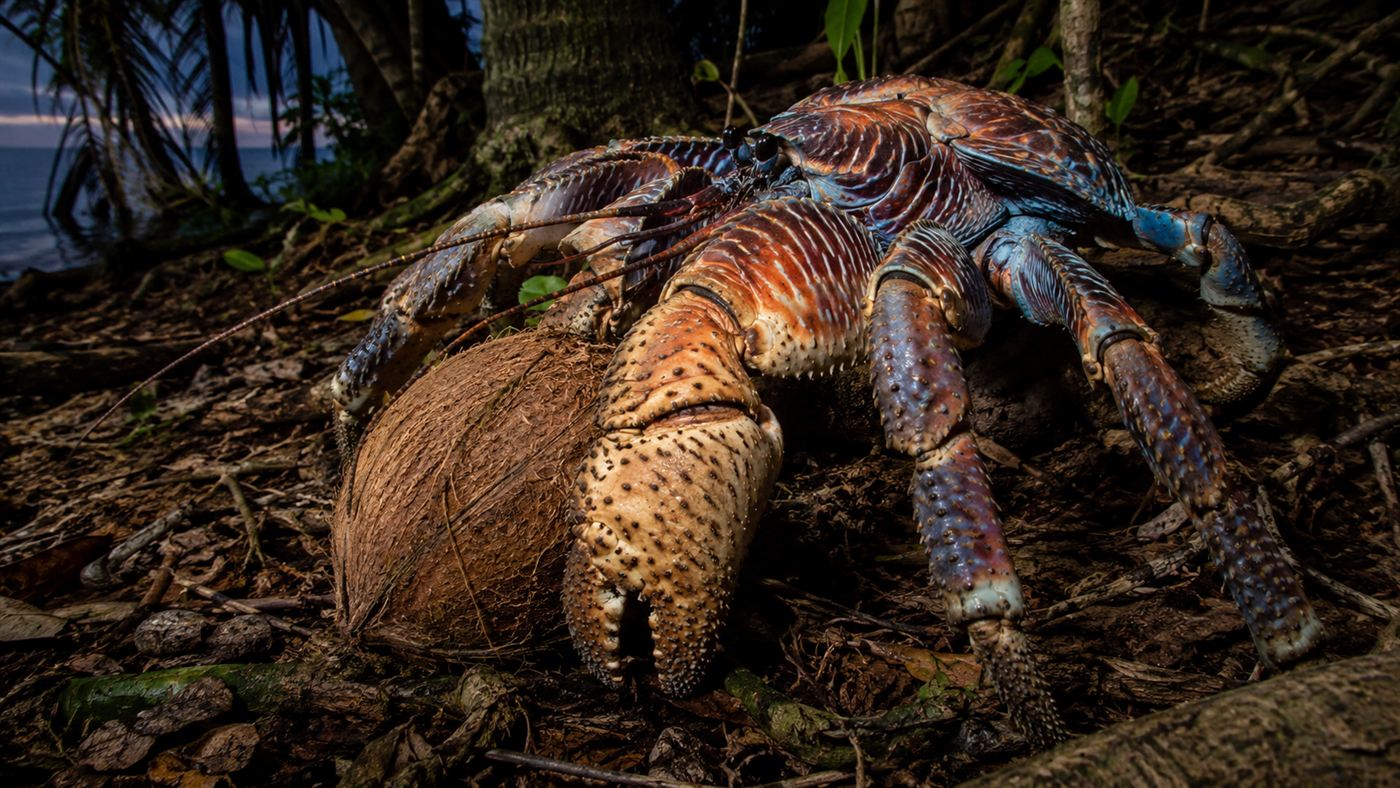
The coconut crab: armoured, blue-clawed, and the largest arthropod that walks on land. Illustration: Watts & Wild.
Properly named Birgus latro, the coconut crab is a relative of the humble hermit crab that simply never stopped growing. As the Natural History Museum describes, adults can weigh around 4 kilograms with a leg span approaching a metre, which makes it the biggest land-dwelling arthropod alive, the group that also includes insects and spiders. Seeing one in person tends to rearrange people's idea of what a crab can be.
Its most famous tool is its claw. When scientists measured the pinch of wild coconut crabs and scaled it up to a fully grown animal, they arrived at a crushing force of around 3,300 newtons, in the same league as the bite of a lion, one of the most powerful grips in the entire animal kingdom. That is the strength it uses to do exactly what its name promises: husk and crack open coconuts.
What a coconut crab actually does
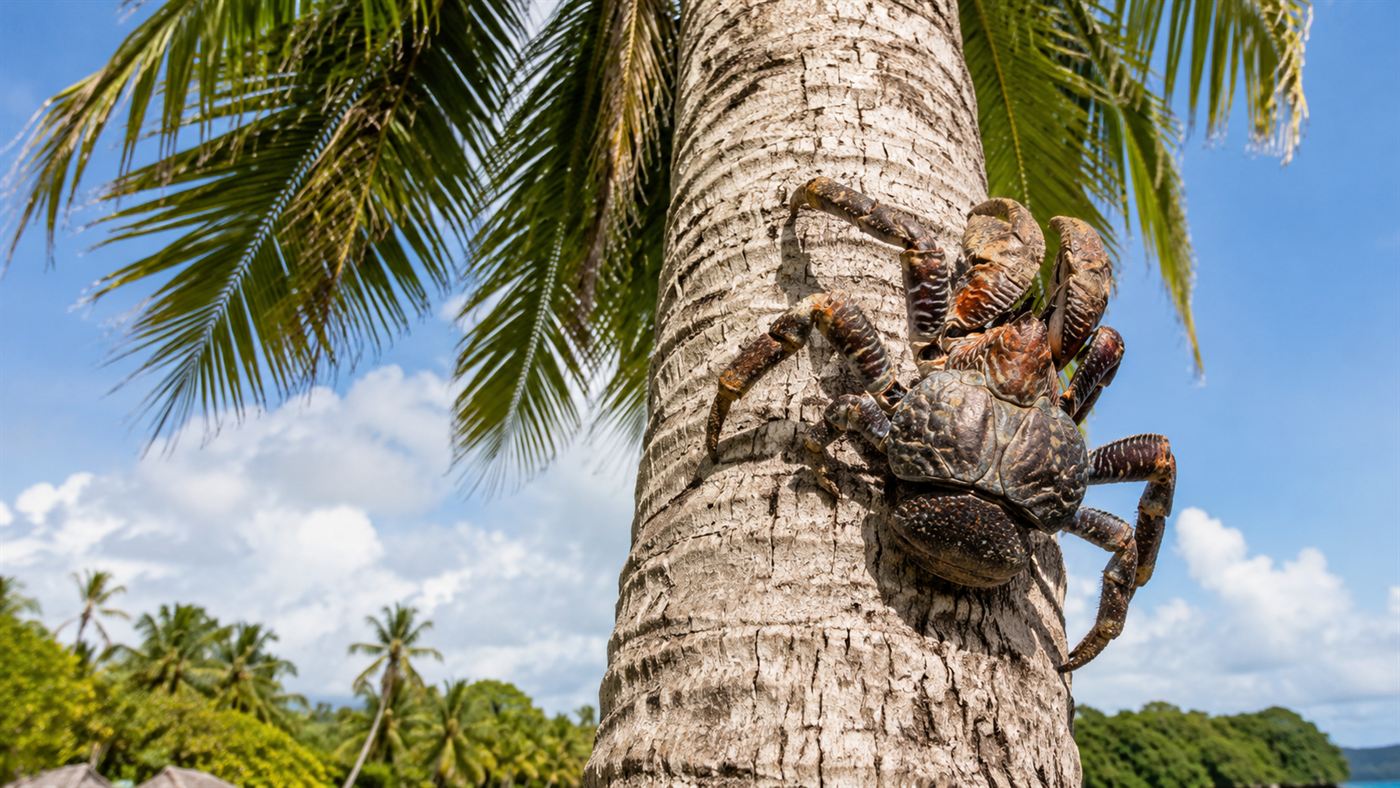
It does not just sit and wait for fruit to fall, either. The coconut crab is a confident climber, hauling its heavy body high up the trunks of palm and pandanus trees. Coconuts are only part of the menu, because it is really an opportunistic scavenger and predator that will eat fruit, carrion, and even other animals. It has been filmed catching and killing seabirds, which is not the sort of behaviour most people expect from a crab.
There are stranger details still. The coconut crab is a creature of the land that began life in the sea, and as an adult it has reversed the deal so completely that it can no longer swim and will actually drown if held underwater for more than about an hour. It breathes air, lives slowly, and can reach an age of around 60 years, ancient for an invertebrate.
The Amelia Earhart connection
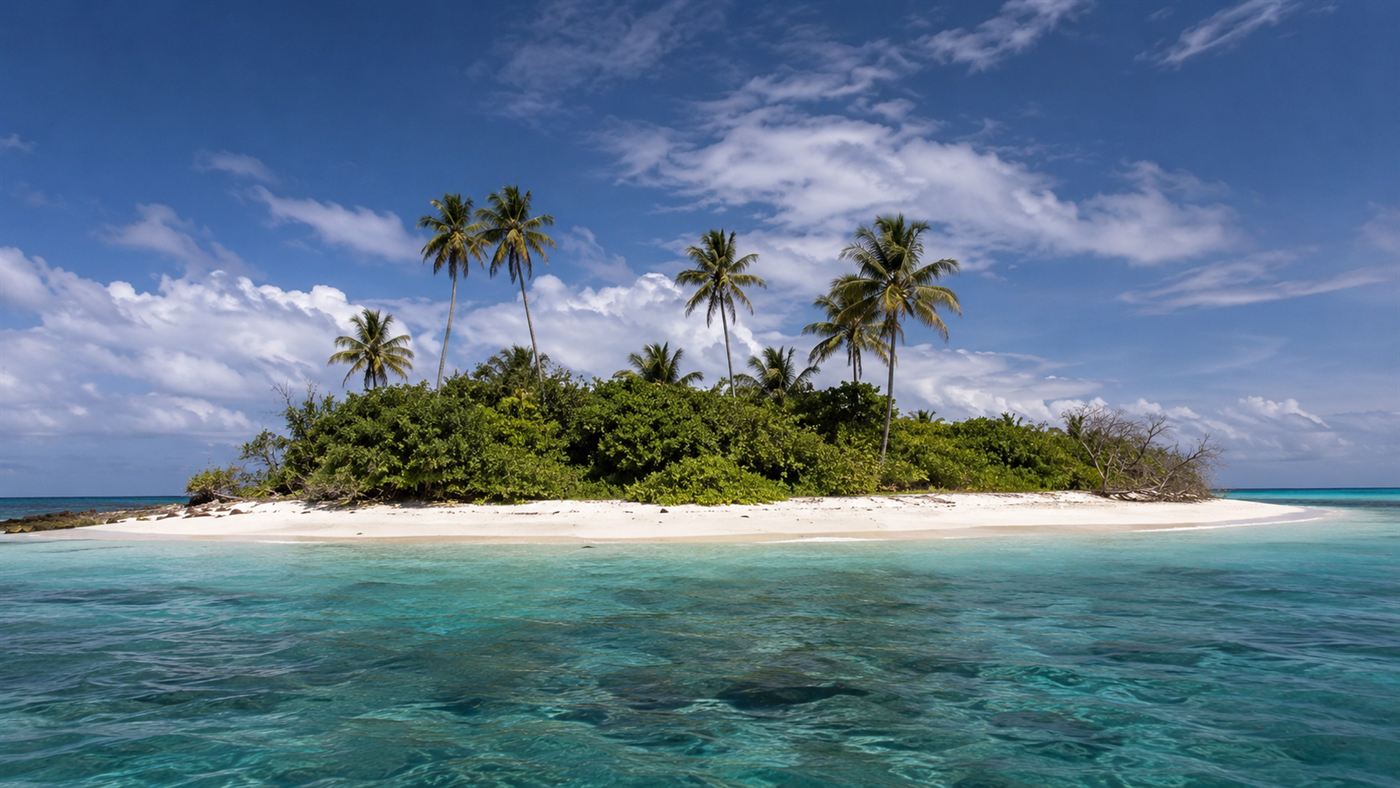
Here is where the giant crab brushes against history. When the pioneering aviator Amelia Earhart vanished over the Pacific in 1937, one long-running theory held that she did not crash into the open ocean but came down near the tiny, uninhabited island of Nikumaroro and died there as a castaway. The trouble has always been the lack of a body. As coverage of the mystery notes, Nikumaroro is crawling with coconut crabs, and the unsettling suggestion is that the crabs scavenged her remains and dragged the bones off into their burrows. If true, the reason one of history's most-searched-for people was never found is that a colony of giant crabs got there first.
The honest catch
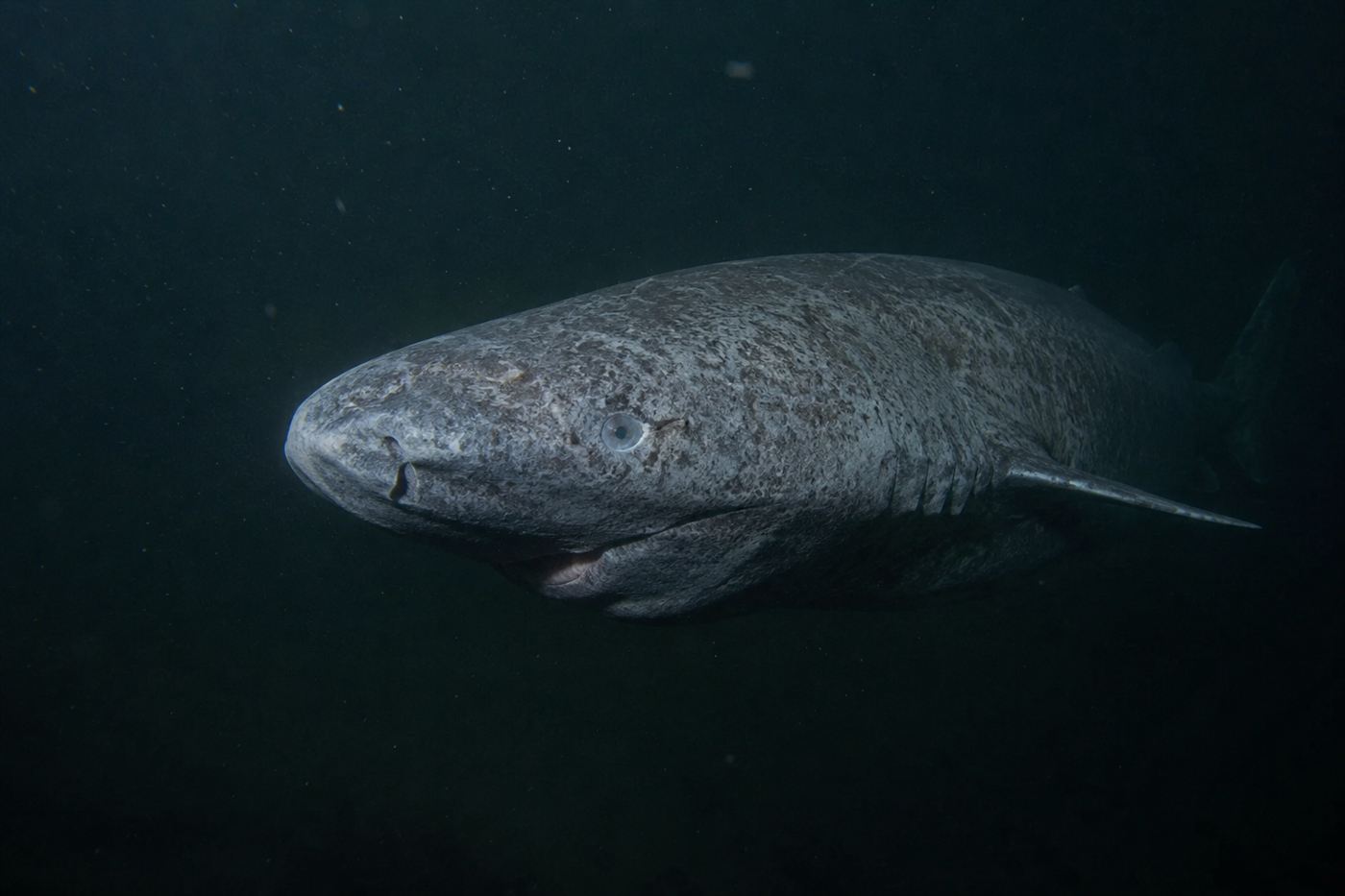
That last part is a great story, so it is worth being careful with it. The idea that coconut crabs scattered Amelia Earhart's remains is plausible and genuinely discussed by researchers, but it is a hypothesis, not a proven fact, and even the theory that she died on Nikumaroro at all is still argued over. The crabs themselves are also far less monstrous than the headline suggests; they are mostly shy, slow scavengers, not aggressive hunters of people. What is solid is the animal itself: a metre-wide, tree-climbing, bird-eating, bone-strong crab that has quietly become the heavyweight champion of the island world. And like many slow-growing giants, it is vulnerable, hunted for food and squeezed by lost habitat in parts of its range. It belongs with the other improbable creatures that rule strange corners of the planet, from the red crabs that shut down the roads of Christmas Island to the Greenland shark that can live for centuries.
A crab the size of a small dog that climbs trees, crushes coconuts like a lion's jaw, and may hold a clue to aviation's greatest mystery is not the sort of animal most of us imagine sharing the planet with. Would you want to meet a coconut crab in the wild, or is once in a photo quite enough? Tell us what you think in the comments.
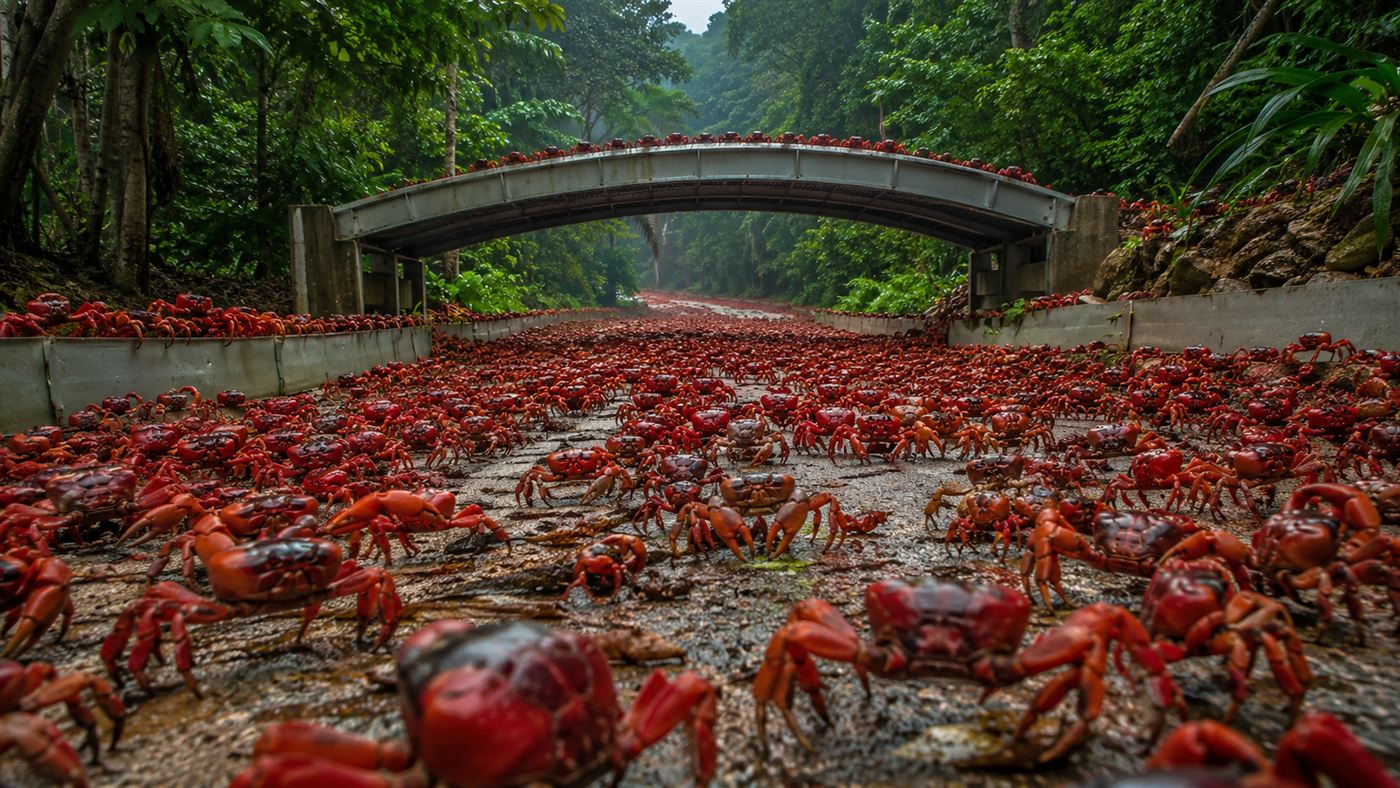
Related reading: the great red crab migration of Christmas Island, when 50 million crabs cross every road on the island.