America's biggest coal ash flood buried a valley in 2008, and then quietly went after the men hired to clean it up
Just before Christmas in 2008, a wall of gray sludge taller than a house swept across a Tennessee valley and choked a river. Everyone could see that disaster. The one that came next was invisible, and it fell on the ordinary men in muddy boots who were sent in to make it all disappear.
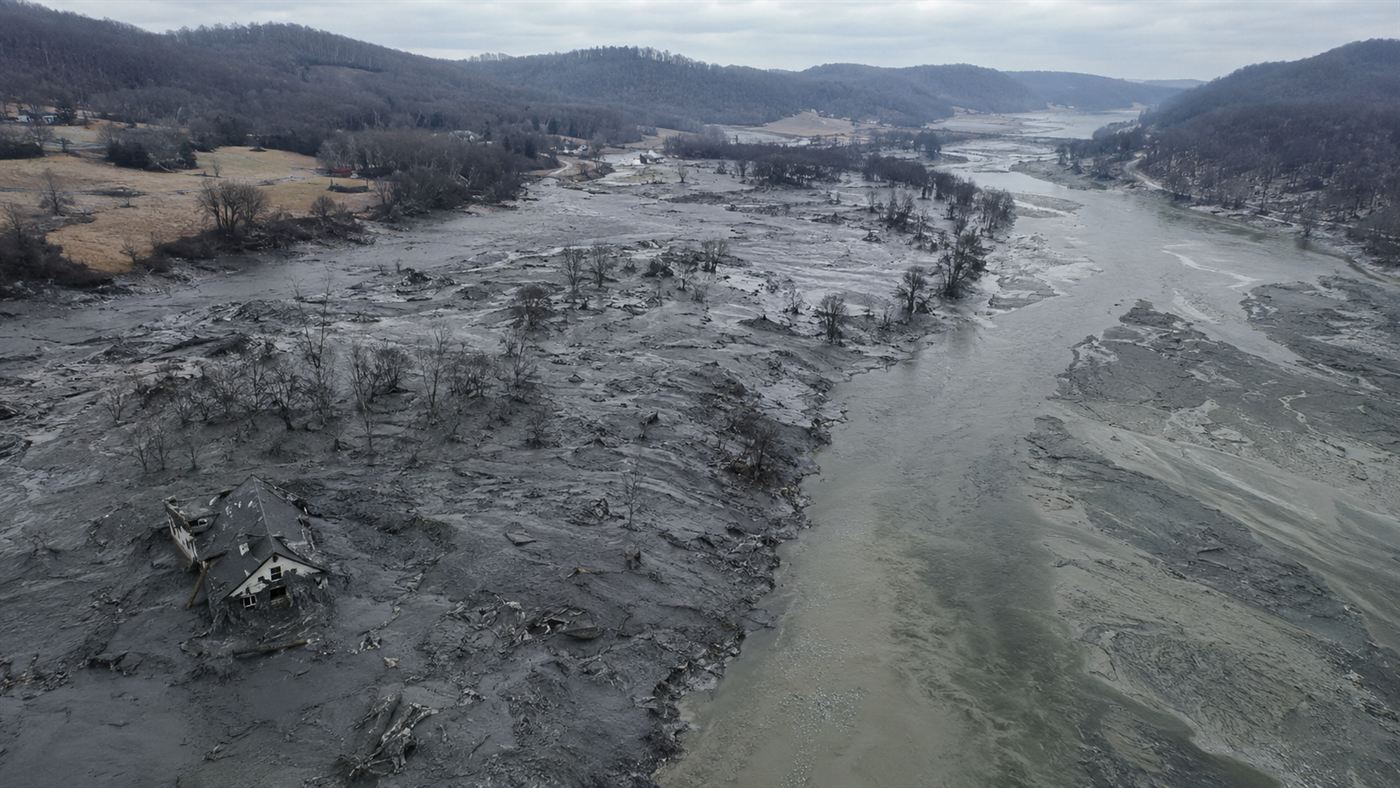
A billion gallons of coal ash slurry buried the valley below the Kingston plant in December 2008. Illustration: Watts & Wild.
In the early hours of December 22, 2008, a earthen wall at the Kingston Fossil Plant in Roane County, Tennessee gave way. Behind it sat decades of waste from burning coal, stored wet in a vast holding pond, and when the dike failed roughly 1.1 billion gallons of sludge burst out across the land in minutes.
The plant belonged to the TVA, the Tennessee Valley Authority, the huge federal utility that has powered the region since the Great Depression. What poured out of its pond was the largest spill of its kind ever recorded in the United States, and it happened not because of a storm or an earthquake but because of years of quietly stacking waste higher than the ground could hold.
The short version is that the flood was only the first act. The valley was cleaned, the river was dredged, and the story was declared a success. The catch is that the men who did the cleaning were told a comforting thing that was not true, and many of them paid for it with their lungs and their lives.
The night the pond broke
The wave of slurry rolled across roughly 300 acres, tearing homes from their foundations, snapping trees and covering fields, roads and railway lines in a thick gray blanket. Somehow no one was killed in the flood itself, which felt like a small miracle given that the sludge reached houses where families were asleep.
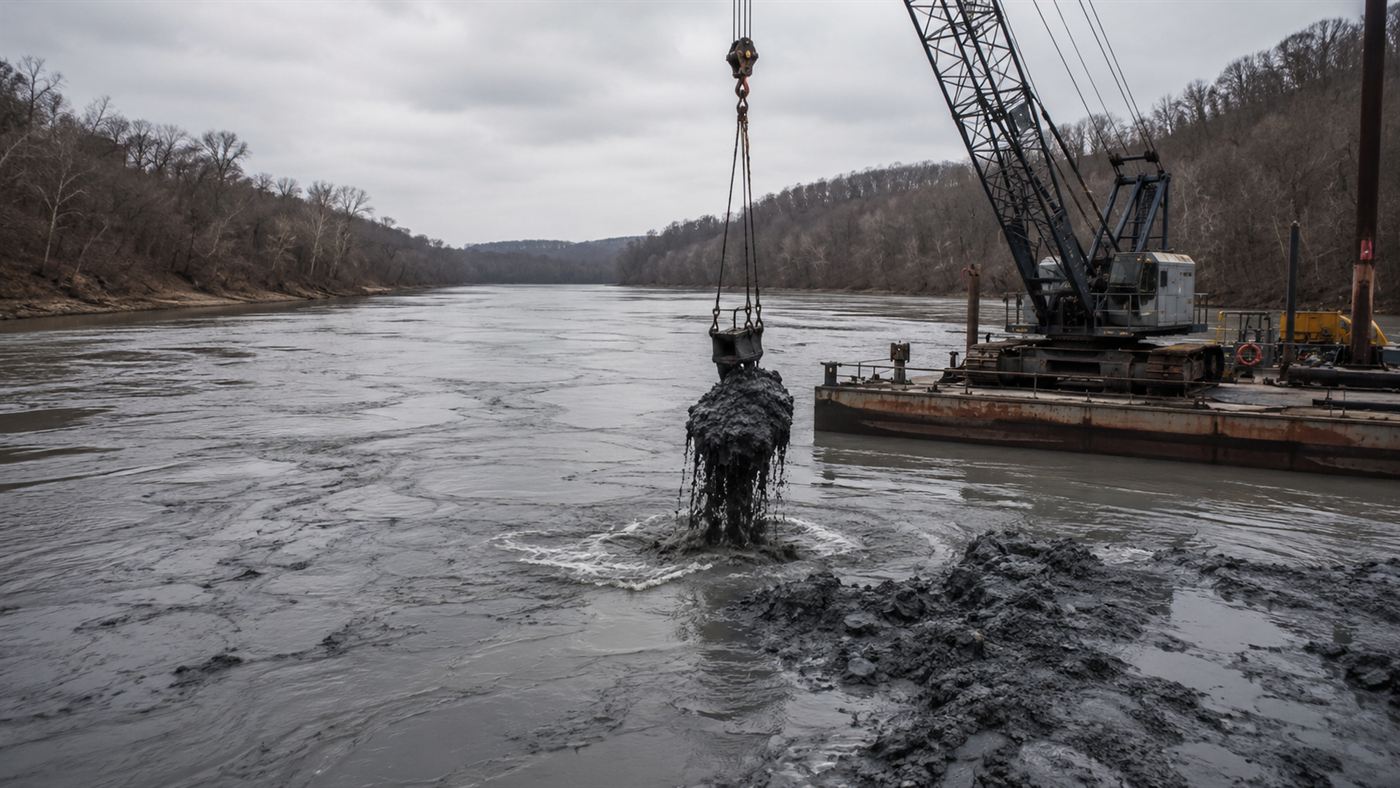
Much of it slid straight into the Emory River, damming the channel and pushing on toward the Clinch and Tennessee rivers beyond. Fish died, the water clouded, and a waste that had been kept out of sight for half a century was suddenly spread across a living valley for everyone to see.
What is coal ash, and why it matters
When a power plant burns coal, it does not vanish. It leaves behind a residue, and the finest, lightest part of that residue is fly ash, a powder captured from the smokestacks so it does not blow away into the sky. That fly ash, mixed with heavier bottom ash and water, is what sat in the Kingston pond.
The trouble is what hides inside it. Coal ash concentrates the nastier elements that were locked in the coal, so it can carry arsenic, lead, mercury, chromium and even traces of radioactive material. In small amounts, sealed away, it is manageable. Spread wet across a valley and later dried into a dust that drifts on the wind, it becomes something you very much do not want to breathe.
The men sent in to clean it
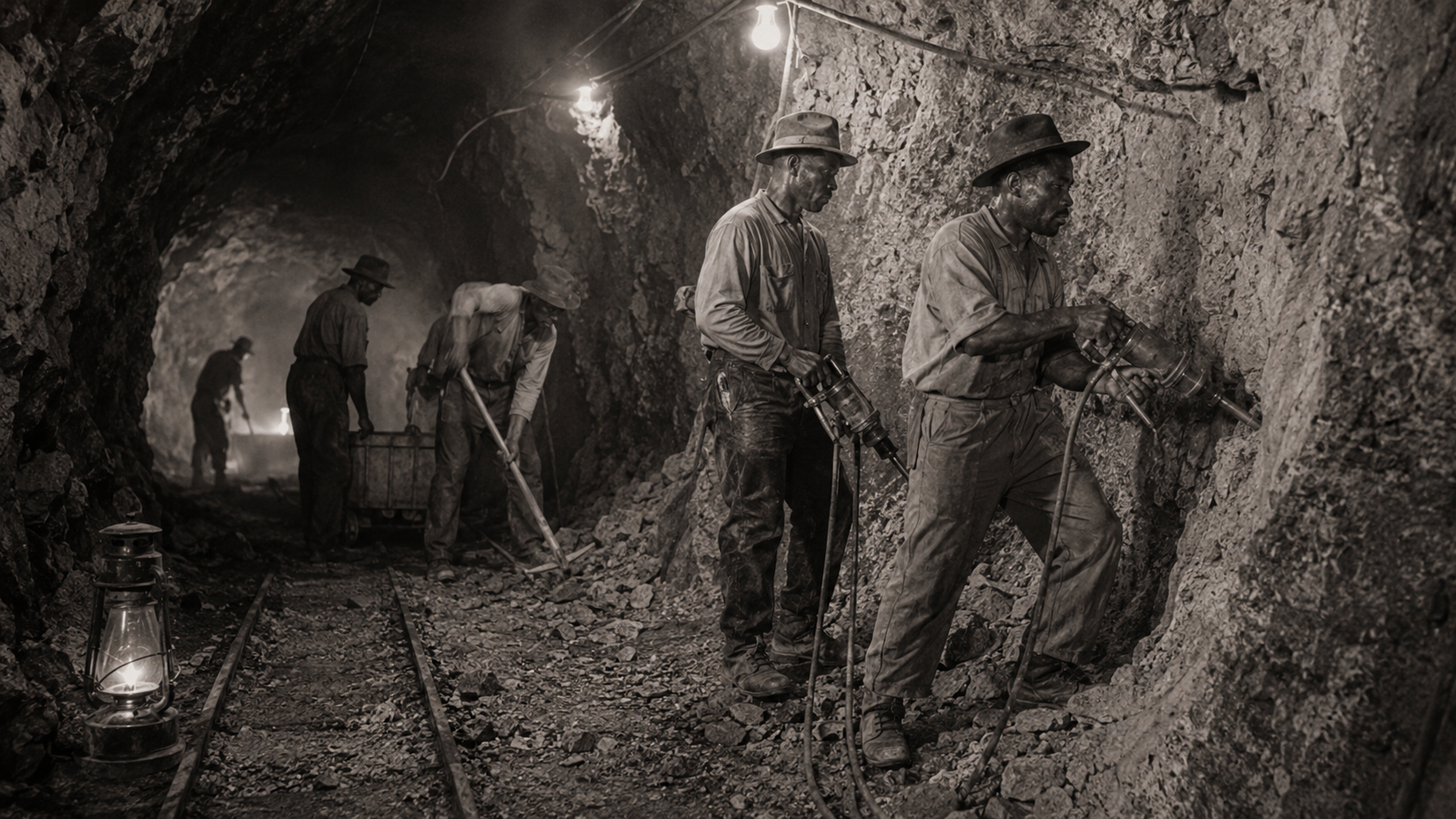
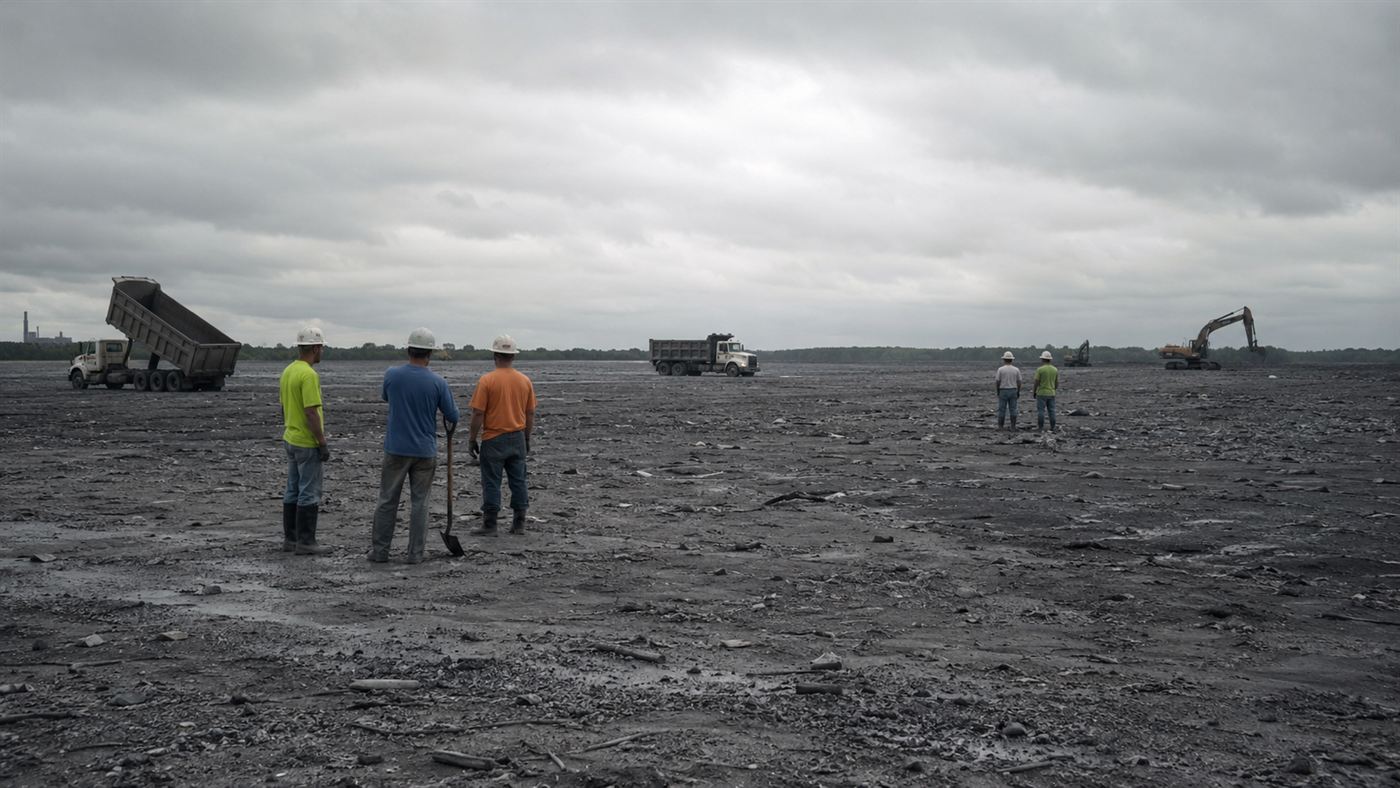
Clearing the mess took about six years and a workforce of roughly 900 people. These cleanup workers dug, dredged and hauled the ash day after day, living inside a landscape of gray dust that coated their trucks, their skin and the insides of their trailers.
According to their later testimony, they were repeatedly reassured that the material was safe. Some said they were told the ash was so harmless a person could eat a pound of it a day without harm. Crucially, many of the cleanup workers said they were discouraged from wearing dust masks or respirators, with the fear that visible protective gear would alarm the nearby community and make the ash look more dangerous than the public was being told it was.
Why did a cleanup turn deadly?
Coal ash does not announce what it is doing to you. The fly ash is fine enough to slip deep into the lungs, and its poisons work slowly, over years, not in a single dramatic dose. A worker could spend a shift caked in gray powder and feel nothing worse than a cough.
Then the illnesses arrived. Over the following decade, hundreds of the workers reported serious sickness, including lung disease, heart trouble, brain cancers, lung cancers and blood cancers. By various counts dozens of them died, while others were left too ill to work, insisting they had never been warned they were handling anything worse than dirt.
The reckoning in court
The workers eventually sued Jacobs Engineering, the contractor the TVA had hired to manage the cleanup. In 2018 a federal jury in Tennessee reached a landmark verdict, finding that the company could be held liable for failing to protect the crews and for the way it handled the dust and the safety warnings.
That decision did not end it. Proving that any one worker's cancer came from the ash, rather than from smoking or age or bad luck, is fiendishly hard, and the litigation dragged on for years more. In 2023, after a long fight, a settlement with the sick workers was finally reached, though by then many of the men it was meant to help were already dead.
The honest catch
It is tempting to file Kingston as a pollution story with a tidy ending: the pond broke, the valley was scrubbed clean, the river runs clear again. Most of that is even true. But the version that stops at the flood misses where the real cruelty lived, which was not in the dramatic night of the spill at all.
The lasting damage was done in the daylight afterward, to the cleanup workers who trusted the reassurances handed to them and left their masks in the truck. The reassurance itself, offered partly to keep the public calm, became the instrument of the harm. A billion gallons of coal ash made the headlines, but the quiet, arguable, unglamorous poisoning of the men who cleaned it up is the part of the Kingston story that still has no clean ending.
The flood was the disaster everyone remembers, but the slow harm to the people who cleaned it up may be the real tragedy. Should the workers have trusted the people telling them the ash was safe? Tell us what you think in the comments.
Related reading: the Church Rock uranium spill, a bigger release than Three Mile Island that almost no one remembers. See also the Hawks Nest tunnel, where workers were sent into deadly dust without protection, and the Centralia mine fire still burning beneath a Pennsylvania town.