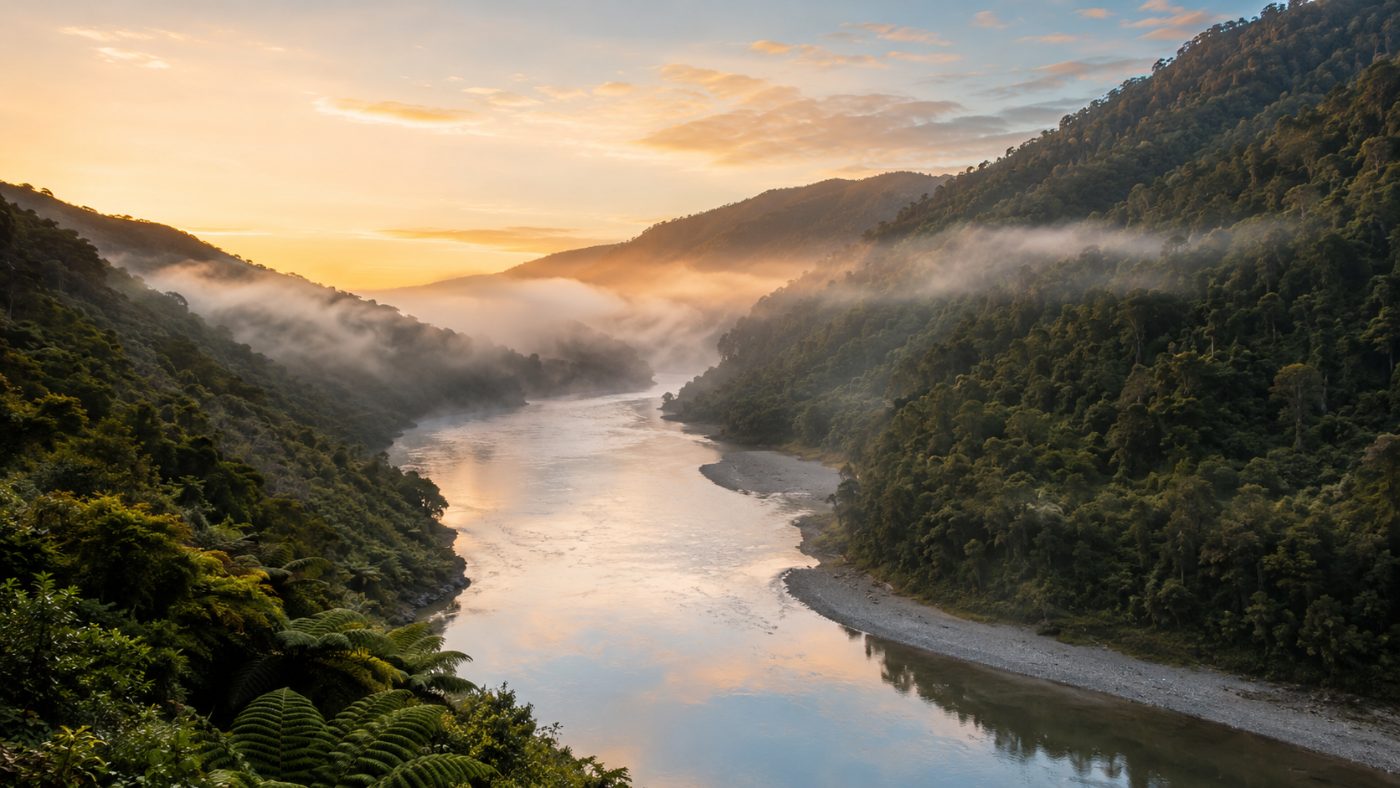
Seoul spent decades burying a river under concrete and a six lane elevated highway, then tore the whole road down to bring the water back into the light
Almost every city in the world spent the twentieth century paving its rivers over and building roads on top. Seoul did the same, and then did the one thing nobody expected. With the Cheonggyecheon stream restoration it ripped the road back up and let the water out again.
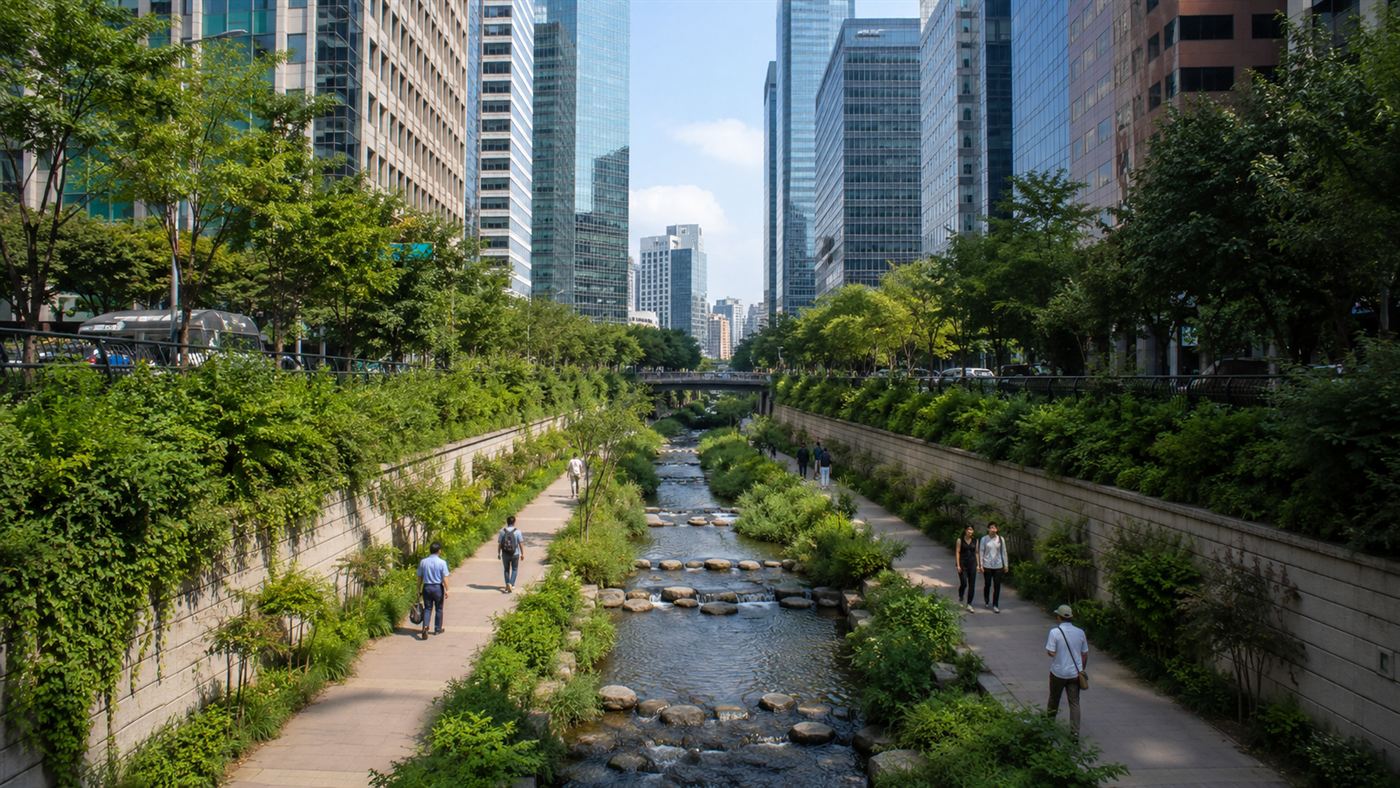
The Cheonggyecheon stream today, a sunken ribbon of water and green where an elevated highway once stood. Illustration: Watts & Wild.
In July 2003 the city of Seoul began the Cheonggyecheon stream restoration, one of the strangest demolition jobs a modern metropolis has ever ordered. It started tearing down a busy six lane elevated highway in the middle of its downtown, not to build a bigger road, but to uncover a stream that had been buried beneath it for half a century. As the record of the Cheonggyecheon shows, the stream had been steadily entombed in concrete from 1958 onwards, and a 5.6 kilometre elevated freeway was finished on top of it in 1976. By 2005, all of that was gone, and the water was back.
To anyone who grew up being told that progress means more roads and more cars, the project looked almost backwards. That was exactly the point.
How a river became a highway
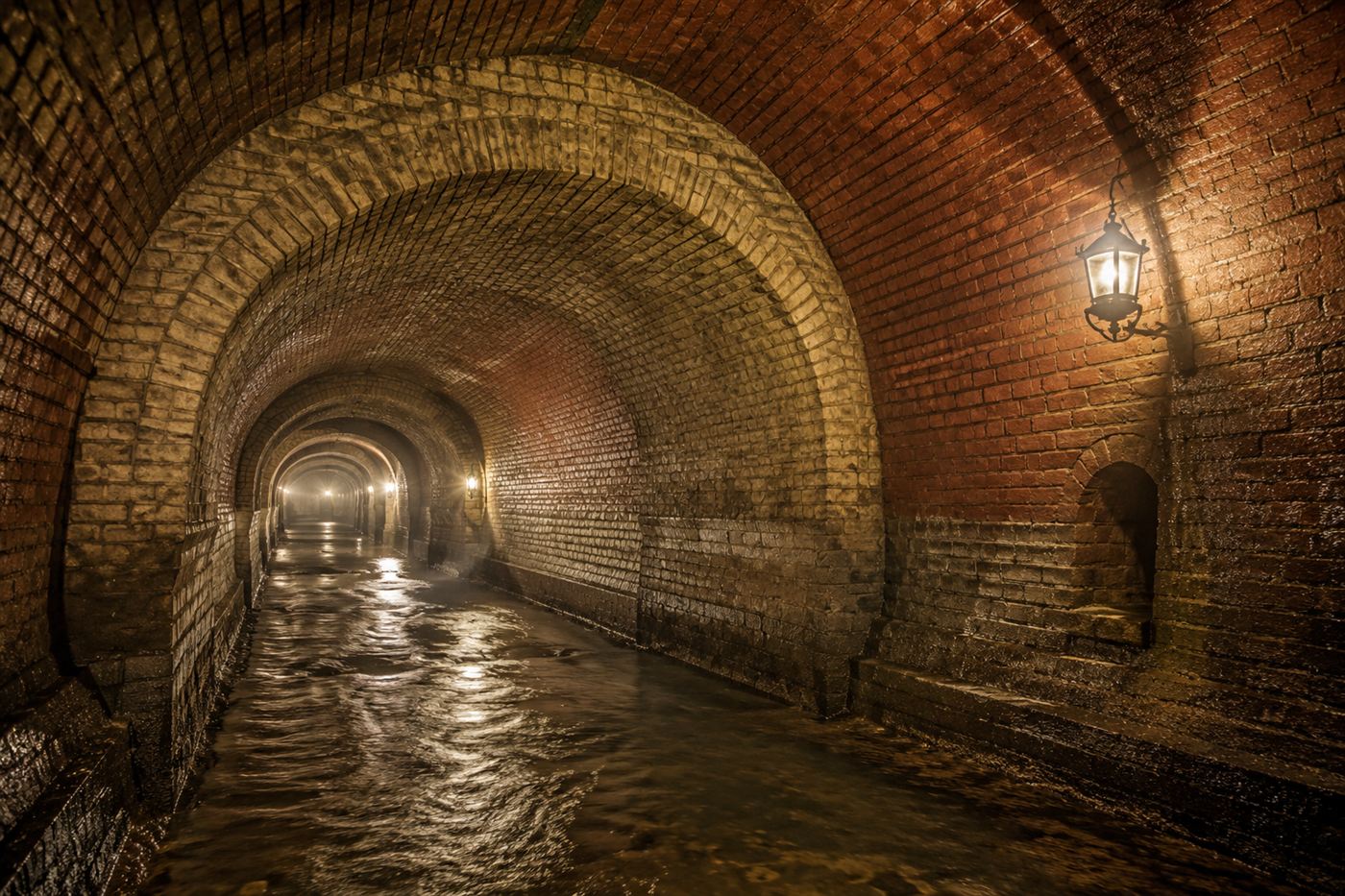
The Cheonggyecheon had run through the heart of the old capital for centuries. After the Korean War, waves of people fleeing poverty crowded onto its banks in makeshift shacks, and the stream filled with sewage, sand and rubbish until it was treated as a problem to be hidden rather than a feature to be kept. So the city did what cities everywhere were doing in those years. It covered the water with concrete and ran traffic over the top.
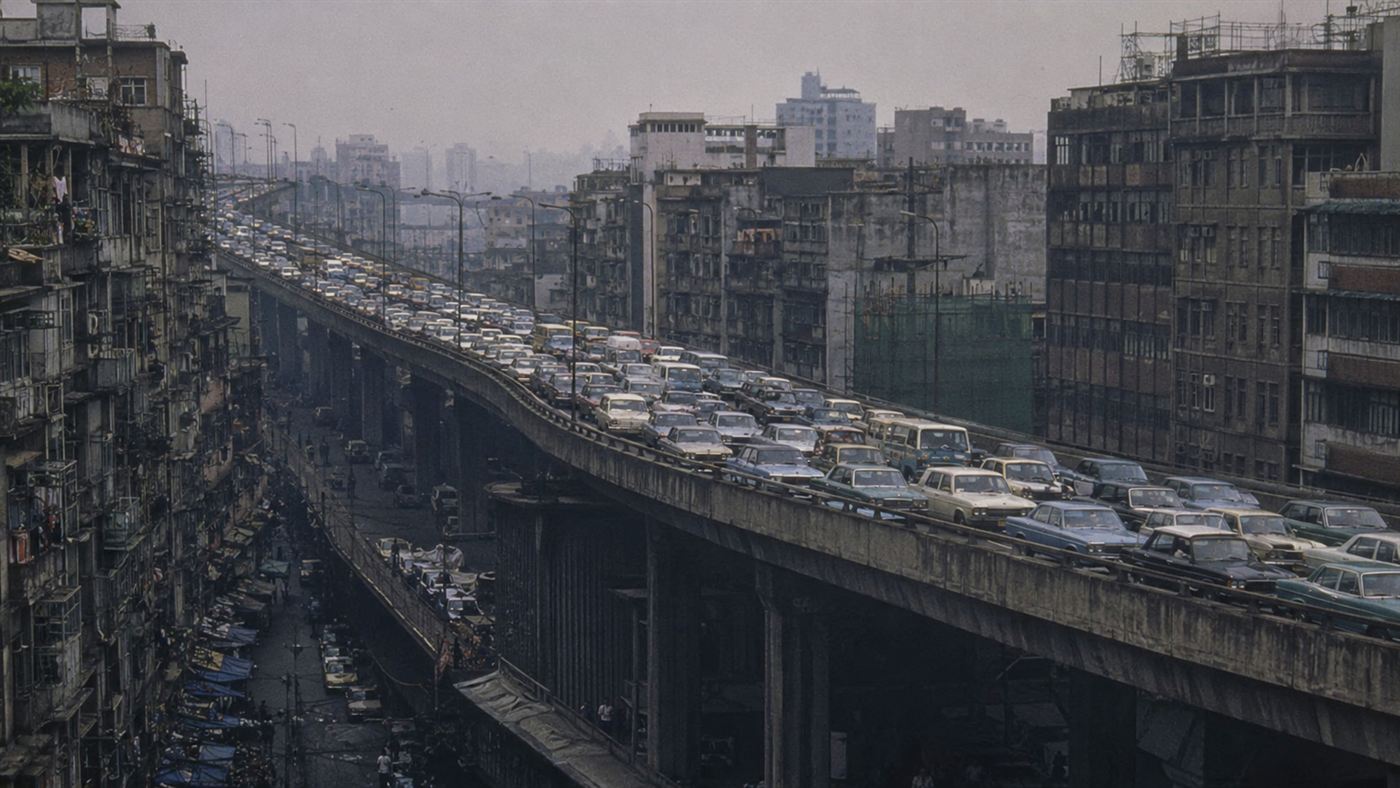
For a while the elevated expressway was a proud symbol of South Korea's headlong rush into the modern world, a roaring deck of cars stacked above a forgotten creek. By the turn of the century, though, it was an ageing, rusting structure carrying a river of vehicles and the noise and fumes that came with them, and the neighbourhood beneath it was choking.
Tearing the road back up
The man who staked everything on reversing it was Lee Myung-bak, then the mayor of Seoul, who made the restoration the centrepiece of his term and pushed it through against fierce resistance from traffic engineers, local merchants and parts of the city council. The fear was obvious and reasonable: rip out a major artery in a city of millions and the traffic has to go somewhere, surely straight into gridlock.
It did not happen. As Grist reported, when Seoul pulled down the highway the feared carmageddon simply failed to arrive, and a good deal of the traffic seemed to evaporate as people shifted to transit, changed routes or made fewer trips. It is one of the clearest real world demonstrations of a counterintuitive idea in transport planning: build a road and you fill it with cars, remove one and some of those trips quietly disappear.
What the Cheonggyecheon stream restoration uncovered
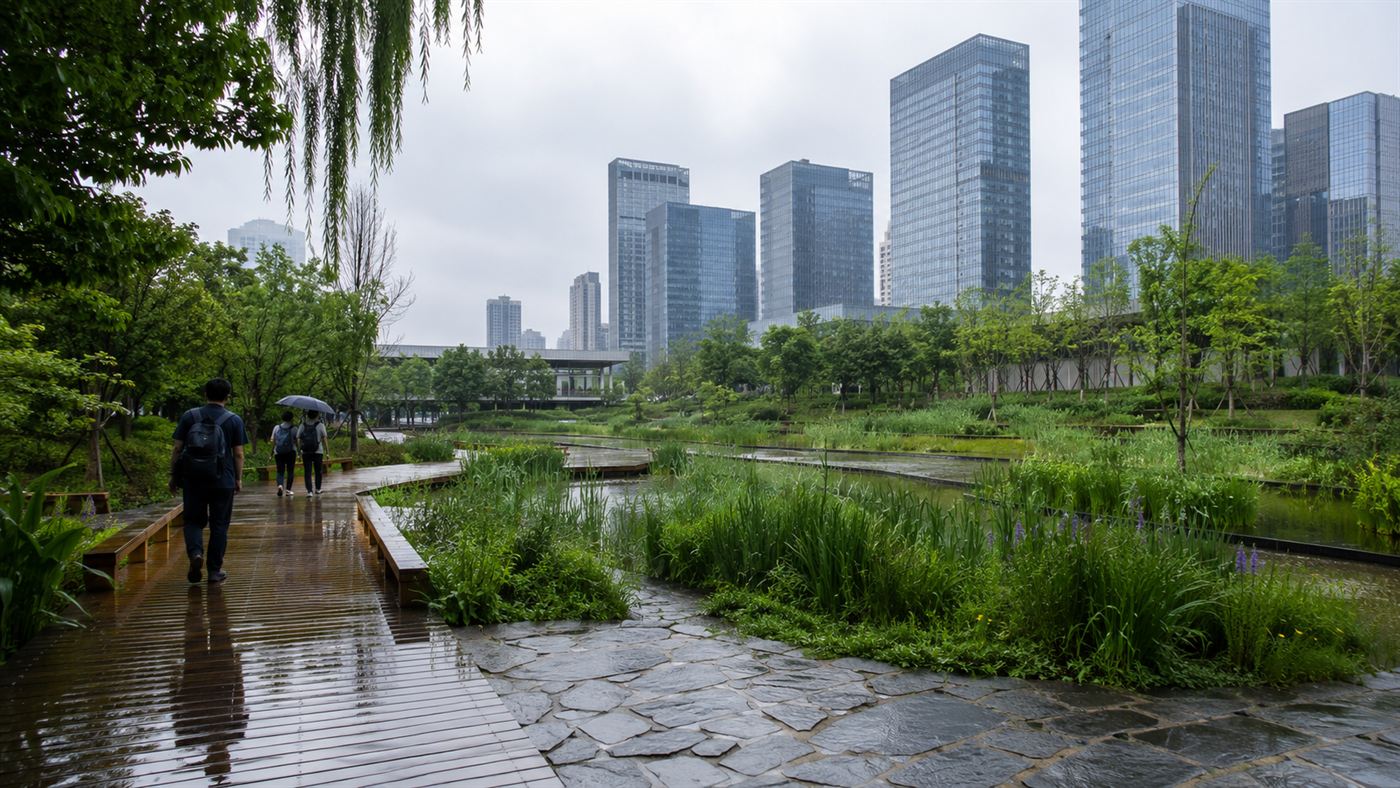
In just twenty nine months, the elevated deck was gone and in its place ran a roughly six kilometre ribbon of water and parkland threading through the centre of Seoul, sunk a few metres below the streets with walkways, planting and stepping stones along its length. The numbers that followed are why planners now fly in from all over the world to look at it.
As the Landscape Performance Series case study records, the restored corridor runs about 5.8 kilometres, and along the water summer temperatures measure several degrees cooler than on a parallel road a few blocks away, a built in air conditioner for a city that bakes in the heat. Fish, birds and insects returned to a channel that had been a sealed concrete tomb, air quality in the corridor improved, and the stream became one of the most visited public spaces in the city, drawing millions of people a year to walk beside running water in the middle of the skyscrapers.
The whole movement in one stream
Cheonggyecheon mattered far beyond Seoul because it turned an abstract argument into a place you can stand in. For a century the default move was to bury streams and build over them; here was hard proof that you could run the tape backwards and end up with something cooler, calmer and more alive than what you tore down. The idea even has a name now, daylighting, the act of pulling a covered river back up into the open, and cities from Los Angeles to Europe have studied this one as the example to follow.
The honest catch
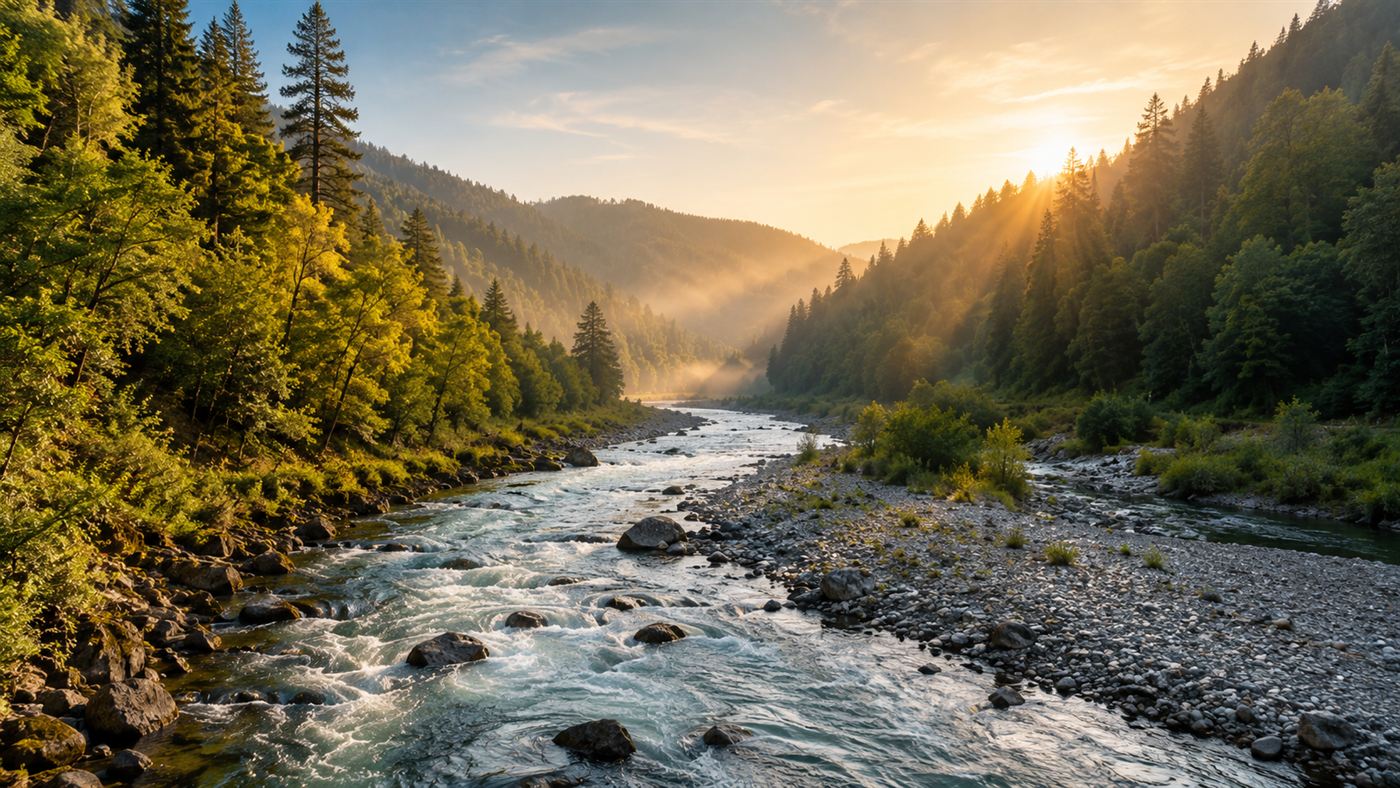
But it would be dishonest to sell it as a pure piece of nature reborn, because in important ways it is not. The Cheonggyecheon you walk beside today is not a wild river that found its old course again. For much of its length there was not enough natural flow left, so the stream is kept running by pumping tens of thousands of tonnes of water a day, drawn from the Han River and from groundwater, treated and pushed along the channel. It is, in part, a beautiful and very large artificial water feature, and keeping it flowing costs energy and money every single day.
The human cost was real too. The restoration displaced the dense crowd of small traders and street vendors who had worked in the shadow of the old highway, many of whom fought the project and lost, and critics have long argued that the makeover helped push up land values and gentrify the area around it. The mayor who built it rode its fame all the way to the presidency of South Korea, and was later convicted of corruption and imprisoned, a reminder that a celebrated public work and the politics behind it are not the same thing. None of that cancels the cooler air, the returning wildlife or the millions who now use the space. It just means the lesson is richer than a fairytale. Seoul proved a city can undo its own concrete, and also proved that doing so is messy, expensive and political, all at once.
A giant city tore down a busy elevated highway to dig a buried river back into the daylight, and the traffic everyone feared mostly just vanished. If your own city could pull down one road to bring back a river or a park, which one would you choose? Tell us what you think in the comments.
Related reading: A boy who nearly drowned in a flooded creek grew up to teach China's cities to drink the rain instead of fighting it, then died chasing that idea across the world.