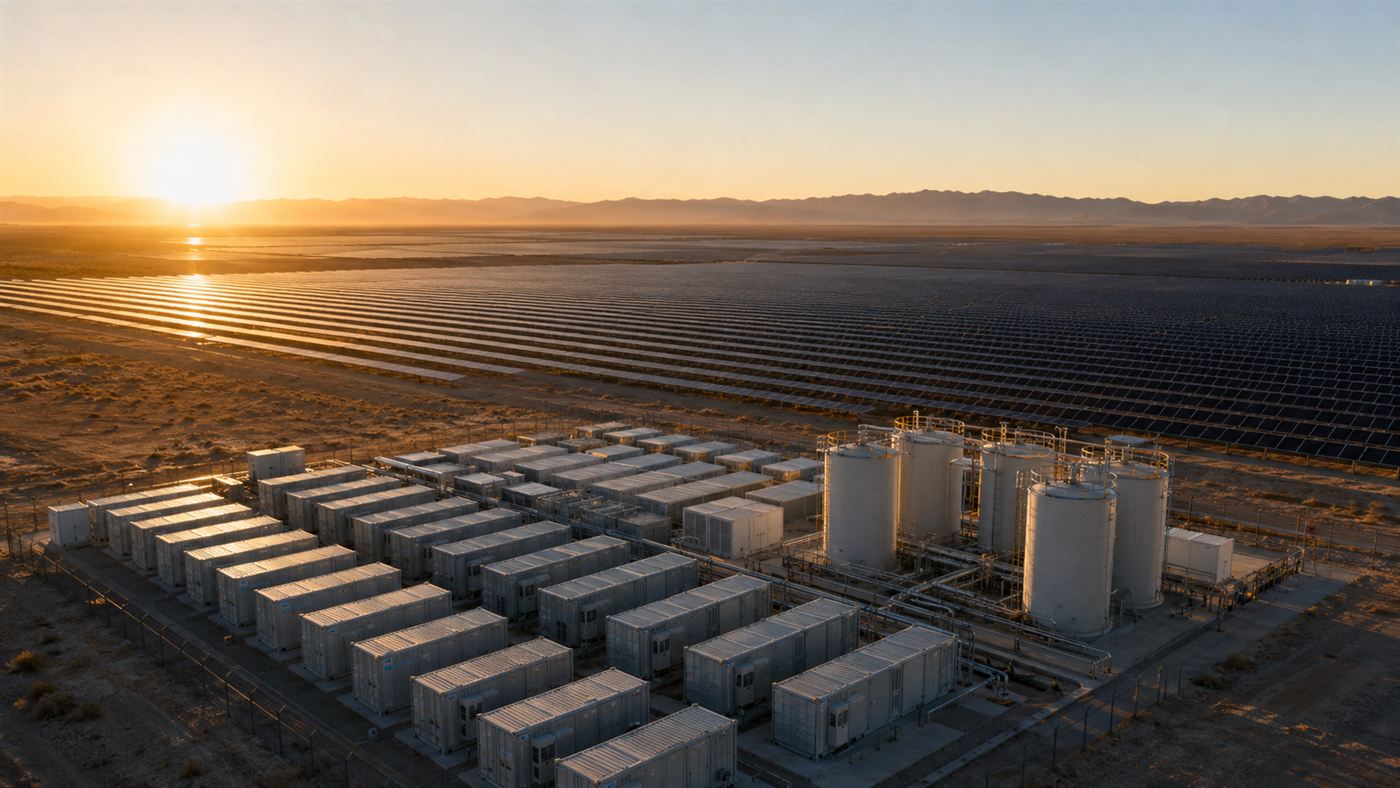
The Charles Fritts solar cell put working solar panels on a New York rooftop in 1884, a lifetime before the world believed sunlight could run a city
Everyone thinks solar power is a child of the space age. But in 1884, while Thomas Edison was wiring lower Manhattan to his coal-fired plant, a quiet American inventor was making electricity straight from daylight on a rooftop nearby. His panels barely worked, and the world shrugged. It would take seventy years to realise he had been right.
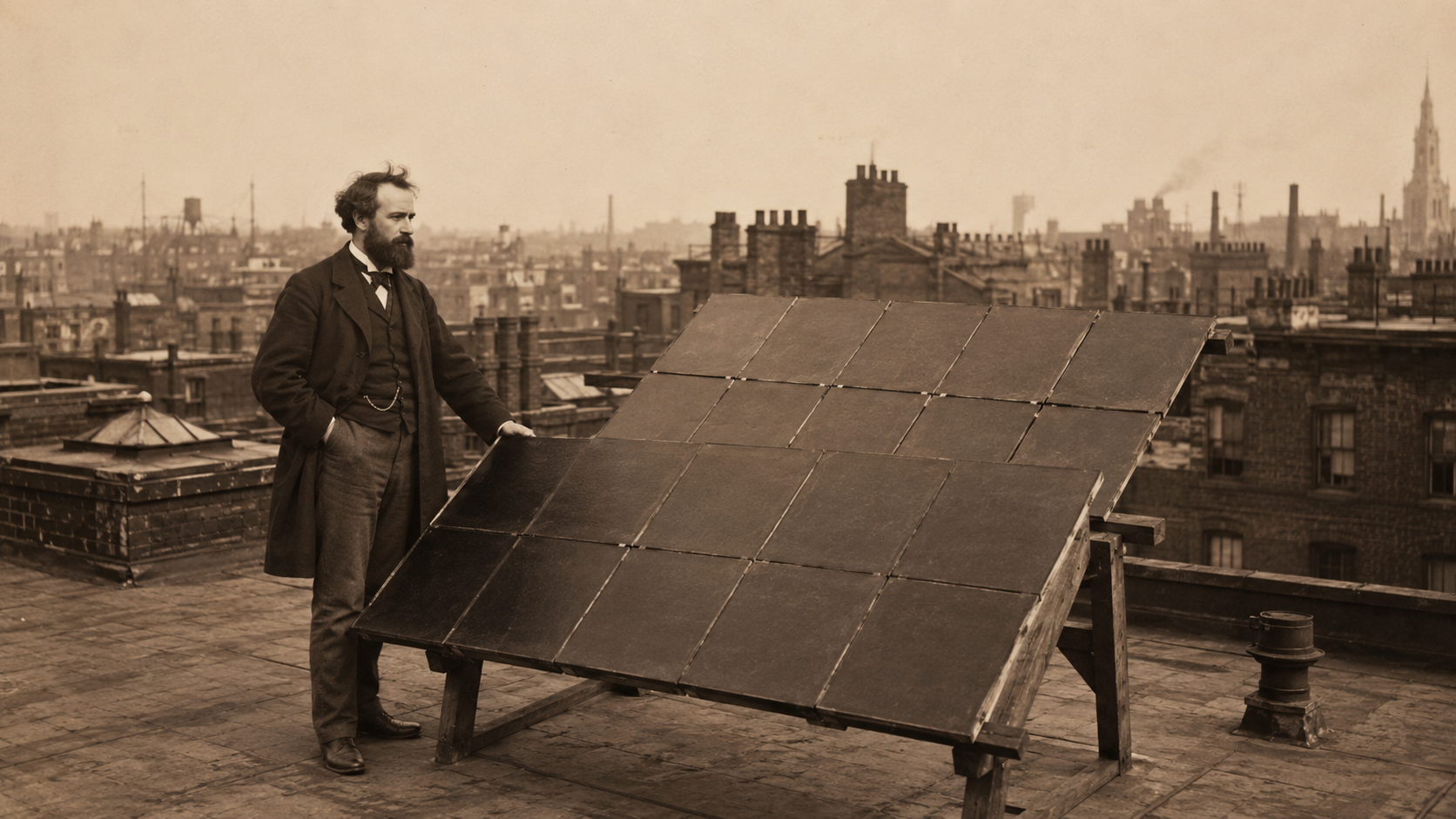
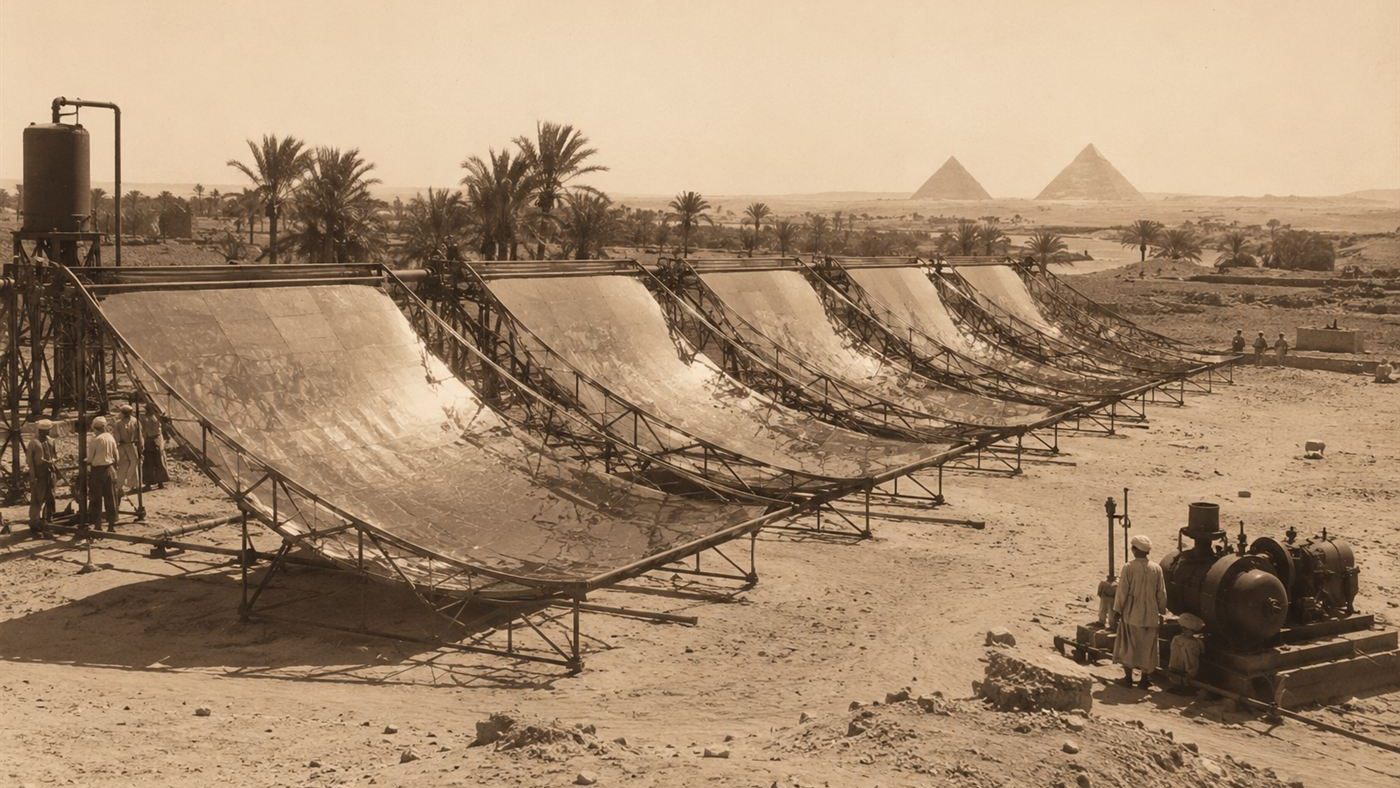
In 1884 an array of selenium cells sat on a New York roof, quietly turning light into current. Illustration: Watts & Wild.
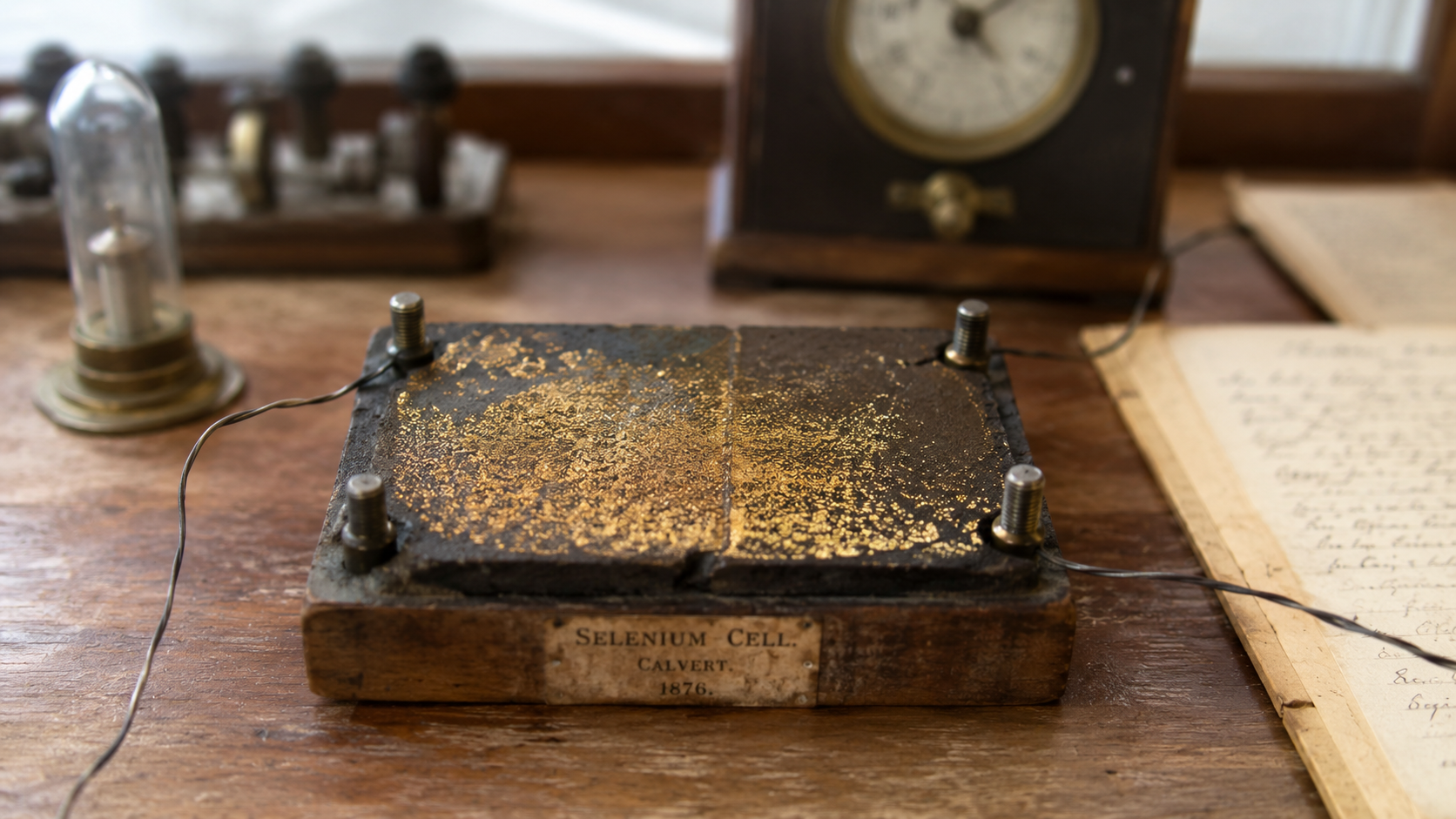
The story of the Charles Fritts solar cell is the story of an idea that arrived far too early. In 1883 Fritts, an American inventor born in Boston, took the element selenium, pressed it into thin plates, and coated each one with a layer of gold so fine it was almost transparent. When light fell on it, the device pushed out a small electric current. No steam, no fuel, no moving parts. It was the first solid-state solar cell in history.
What makes it astonishing is the timing. This was the same decade Edison switched on his Pearl Street station and lit New York with electricity made by burning coal. While the whole world was learning that power meant fire, Fritts had quietly built a machine that made power from nothing but the sky.
Who was Charles Fritts?
Fritts was not a famous scientist with a grand laboratory. He was a self-taught inventor working in New York, and he understood exactly what he had. He wrote that his selenium cells produced a current that was "continuous, constant, and of considerable force," and he believed they could one day rival the coal plants springing up around him.
He was building on a hint from decades earlier. In 1839 the French physicist Edmond Becquerel had noticed that certain materials made a faint voltage in sunlight, the photovoltaic effect. But Becquerel's effect lived in liquids and laboratories. Fritts turned it into a solid object you could bolt to a roof, which is the leap that actually mattered.
How did the first solar cell work?
The recipe sounds almost crude. A thin sheet of selenium sat on a metal backing plate, and over the top went that gossamer film of gold. Selenium is a semiconductor, and when sunlight knocked electrons loose inside it, the gold layer was thin enough to let the light through but conductive enough to collect the charge. Wire it up, and you had electricity flowing the instant the sun touched it.
The problem was how little came out. The cells converted only about one percent of the sunlight that struck them into usable power. A coal furnace was wasteful too, but coal was cheap and abundant, and one percent of free sunlight could not begin to compete. The physics worked beautifully. The economics were hopeless.
Solar panels on a roof, two blocks from Edison
In 1884 Fritts' selenium cells were assembled into what is widely described as the world's first rooftop solar array, raised on a New York City rooftop. It is a genuinely strange image: panels gathering sunlight over a city that had just decided its future ran on coal smoke and copper wire.
Convinced he was onto something, Fritts shipped one of his panels across the Atlantic to Germany, to the workshop of the great electrical pioneer Werner von Siemens. Siemens, one of the most respected engineers alive, took the strange device seriously and told the scientific world the discovery was of real and far-reaching importance. Coming from him, that was no small endorsement. And still, almost nobody followed it up.
Why was it ignored for 70 years?
Partly it was the one percent. Partly it was the age. Many scientists of the day struggled to believe you could get useful, lasting power from light without burning something, and a device that turned sunbeams into current sounded closer to a parlour trick than a power source. Coal was winning every argument that mattered, on cost, on scale, on familiarity.
So the selenium cell became a curiosity in textbooks rather than a technology. The breakthrough only came in 1954, when researchers at Bell Labs built the first practical silicon solar cell, roughly seventy years after Fritts, and finally crossed the efficiency line that made solar power real. Those silicon cells went on to power satellites, then calculators, then rooftops and deserts across the planet.
The honest catch
It is worth being precise, because the legend gets stretched. Fritts did not invent the idea that light makes electricity, Becquerel saw that in 1839, and Fritts built on the work of others studying selenium's odd response to light. Some historians also question the exact details of the 1884 rooftop, noting that a famous photo often labelled as his array may actually show a different installation years later.
None of that takes the achievement away. Fritts made the first working solid-state solar cell and grasped, decades ahead of everyone, that the roofs of cities could one day make their own power. He was wrong only about when. He thought it was ready. It would take three more generations of physics before the world caught up to him.
Why the Charles Fritts solar cell still matters
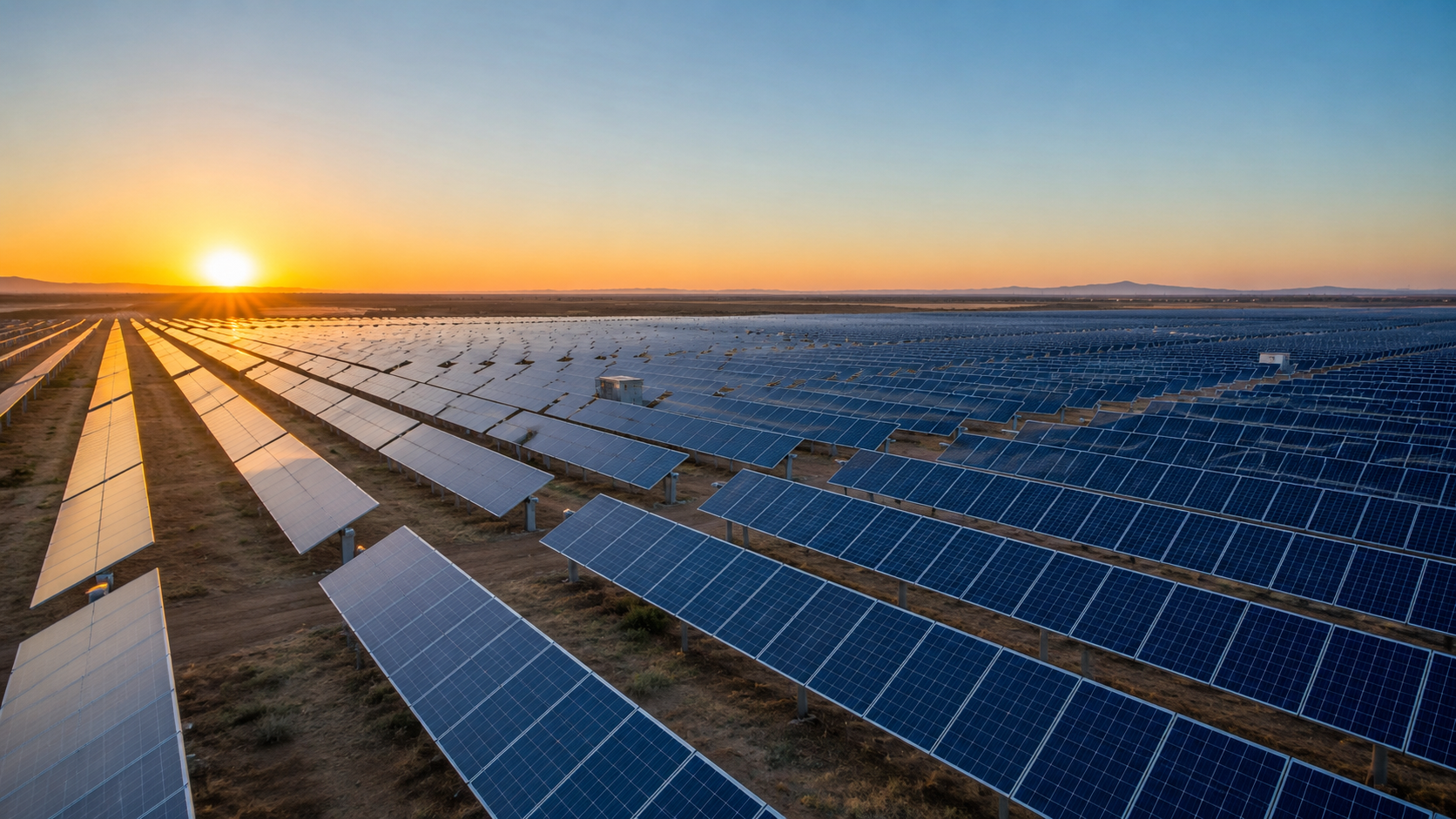
Every time a solar panel goes up on a house today, it is doing exactly what Fritts pictured in 1884: catching daylight on a rooftop and turning it into usable electricity. The chemistry is different and the efficiency is twenty times better, but the dream is identical, and he had it first.
It is a useful reminder of how invention really works. The hard part is often not the idea but the patience, and the timing. A device can be completely right and still be ignored for a lifetime simply because the world around it is not ready. Charles Fritts spent his one percent of sunlight on a future he would never see, and he was correct about all of it.
A man built solar panels on a New York roof in 1884 and watched the world walk past them for seventy years. If you could put a working idea decades ahead of its time, would you rather be remembered or be right? Tell us what you think in the comments.
Related reading: A French inventor built a solar steam engine in the 1870s and warned that coal would run out, only to be defeated by cheap fuel.