The tallest building ever made was renamed at the last second after a crisis nearly sank Dubai
It rises half a mile into the desert sky, so tall you can watch the sun set, ride a lift higher, and watch it set again. Building it meant pushing concrete and engineering past every previous limit. And just before it opened, it suddenly answered to a different name. The Burj Khalifa is the tallest thing humanity has ever built.
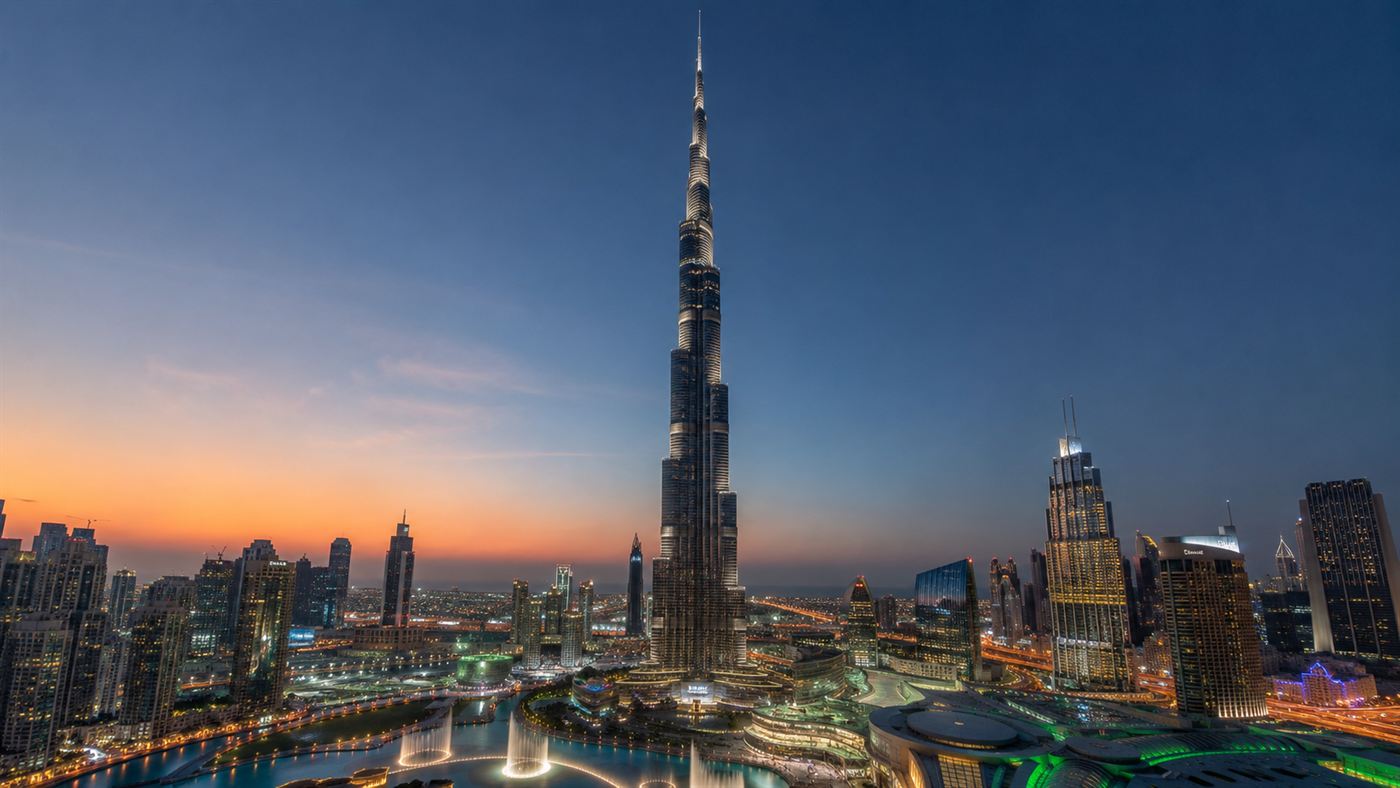
At around 828 metres, it dwarfs every skyscraper that came before it. Illustration: Watts & Wild.
For most of history, the race to build high crept upward by a floor or two at a time. The Burj Khalifa did not just win that race; it left it behind, soaring far higher than any building before it and holding the title of the world's tallest ever since.
Reaching that height was not simply a matter of stacking more storeys. It demanded new tricks in shape, in materials, and in sheer logistics, and it came wrapped in a very modern drama about money.
How the Burj Khalifa stays standing
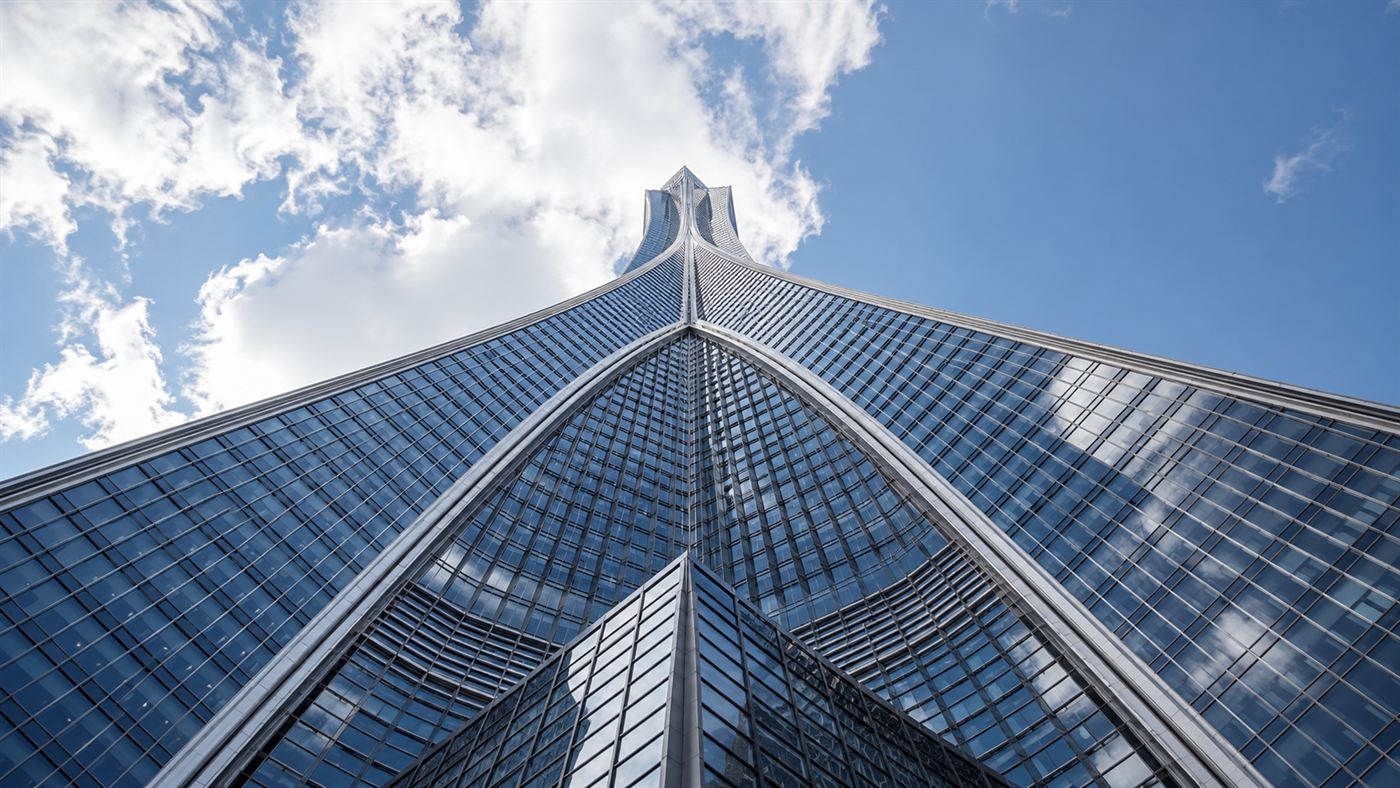
The enemy of any very tall building is not really gravity but wind, which can set a slender tower swaying sickeningly or, in the worst case, threaten to topple it. The Burj Khalifa fights the wind with a Y-shaped plan and a buttressed central core, three wings that brace one another around a strong middle spine and break up the gusts before they can build into a steady push.
As the tower climbs, it steps inward in a series of setbacks, each wing ending at a different height so that the wind never meets one flat, continuous face. This constantly changing shape scatters the air currents and stops them from getting a rhythmic grip on the building. The result is a structure that, despite its astonishing height, sways only gently at the very top, where residents barely feel it.
Pumping concrete to a record height
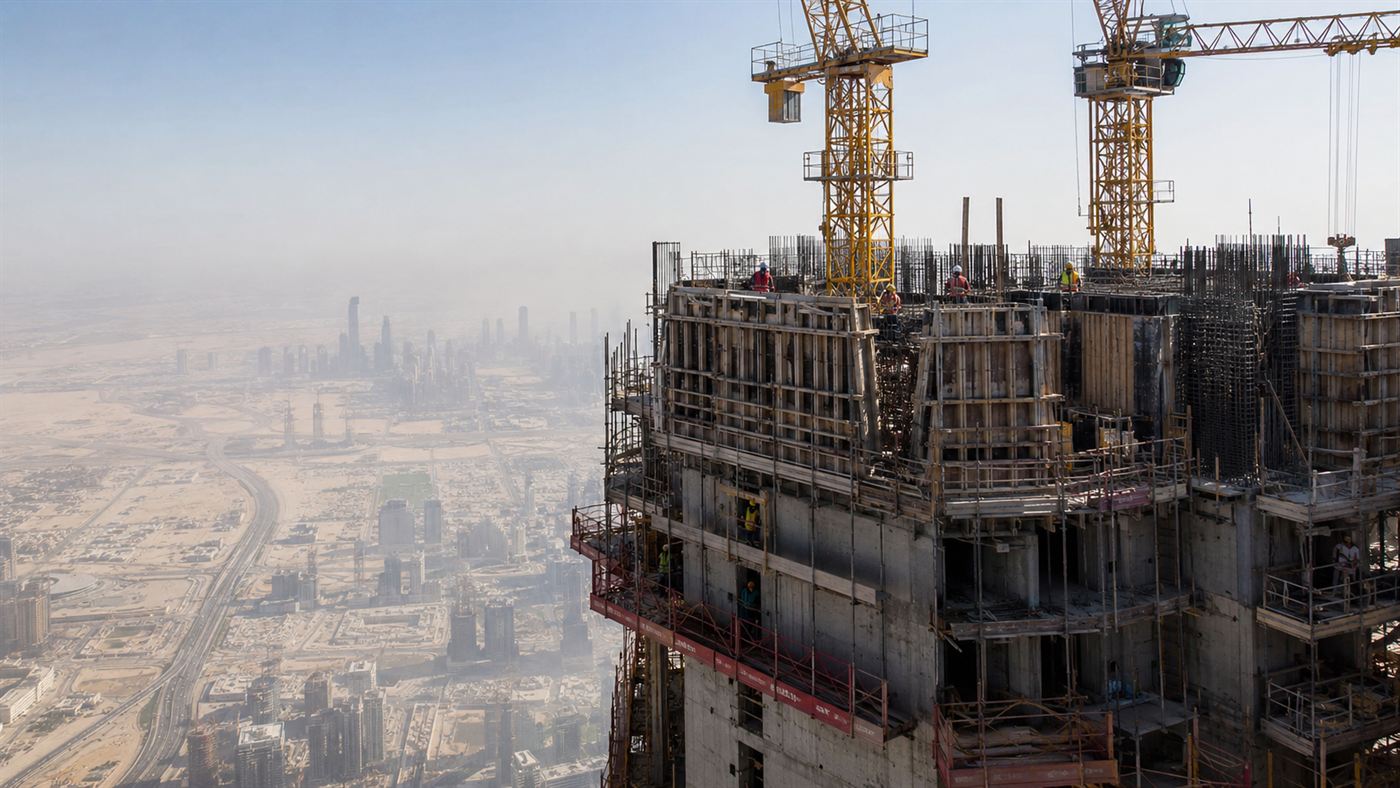
Building so high also meant solving brute practical problems no one had faced before. Chief among them was getting wet concrete to the top. Workers on the Burj Khalifa pumped concrete to a height of more than 600 metres, a world record for vertical concrete pumping.
Even the timing of the work had to bend to the desert. To stop the concrete from setting too fast in the fierce Gulf heat, much of it was poured at night, chilled with ice, so it could be pumped up enormous pipes and placed before it hardened. All told, the tower swallowed something like a hundred thousand tonnes of concrete and tens of thousands of tonnes of steel, and took tens of millions of hours of human labour to raise. It was less a building than a vertical industrial campaign.
The name it got at the last minute
Throughout its construction, the tower had a different name: Burj Dubai, the tower of Dubai, a monument to the city's soaring ambition. Then the world's economy turned. As the global financial crisis struck and Dubai's property boom collapsed, the neighbouring emirate of Abu Dhabi lent the city billions of dollars, and at the opening the tower was renamed the Burj Khalifa in honour of Abu Dhabi's ruler.
It was a quietly remarkable moment. The grandest symbol of Dubai's go-it-alone confidence was unveiled under the name of the leader who had just helped save the city from financial disaster. The change, sprung on the world at the inauguration, turned a monument to one emirate's pride into a permanent reminder of the day it needed rescuing by another.
How tall is the Burj Khalifa?
It reaches roughly 828 metres, more than half a mile, to the tip of its spire. The Burj Khalifa has been both the tallest building and the tallest free-standing structure in the world since it was completed, by a margin that no rival has yet come close to overturning.
The numbers are hard to picture: more than 160 usable floors, a spire that can be seen from far out in the desert, and a top that catches daylight long after the streets below have fallen into shadow. It is one of those structures that genuinely changes the scale of what people believe is possible.
Why is it called the Burj Khalifa?
Because of that last-minute rescue. The tower carries the name of Abu Dhabi's ruler as a lasting acknowledgement of the support that allowed crisis-hit Dubai to finish and open its great tower at all.
One honest note belongs beside the spectacle. The building is a genuine triumph of engineering, but its story also touches less glamorous truths: a city that overreached and had to be bailed out, and an army of low-paid migrant workers whose conditions during the construction boom drew serious and lasting criticism. The Burj Khalifa is a monument to what people can build when they push every limit at once, including, it turned out, some they should have watched more carefully.
The tallest tower ever raised was a marvel of wind-cheating shape and record-breaking concrete, and a quiet monument to the rescue that saved it. Do we build ever higher because we can, or because we need to prove something to ourselves? Tell us what you think in the comments.
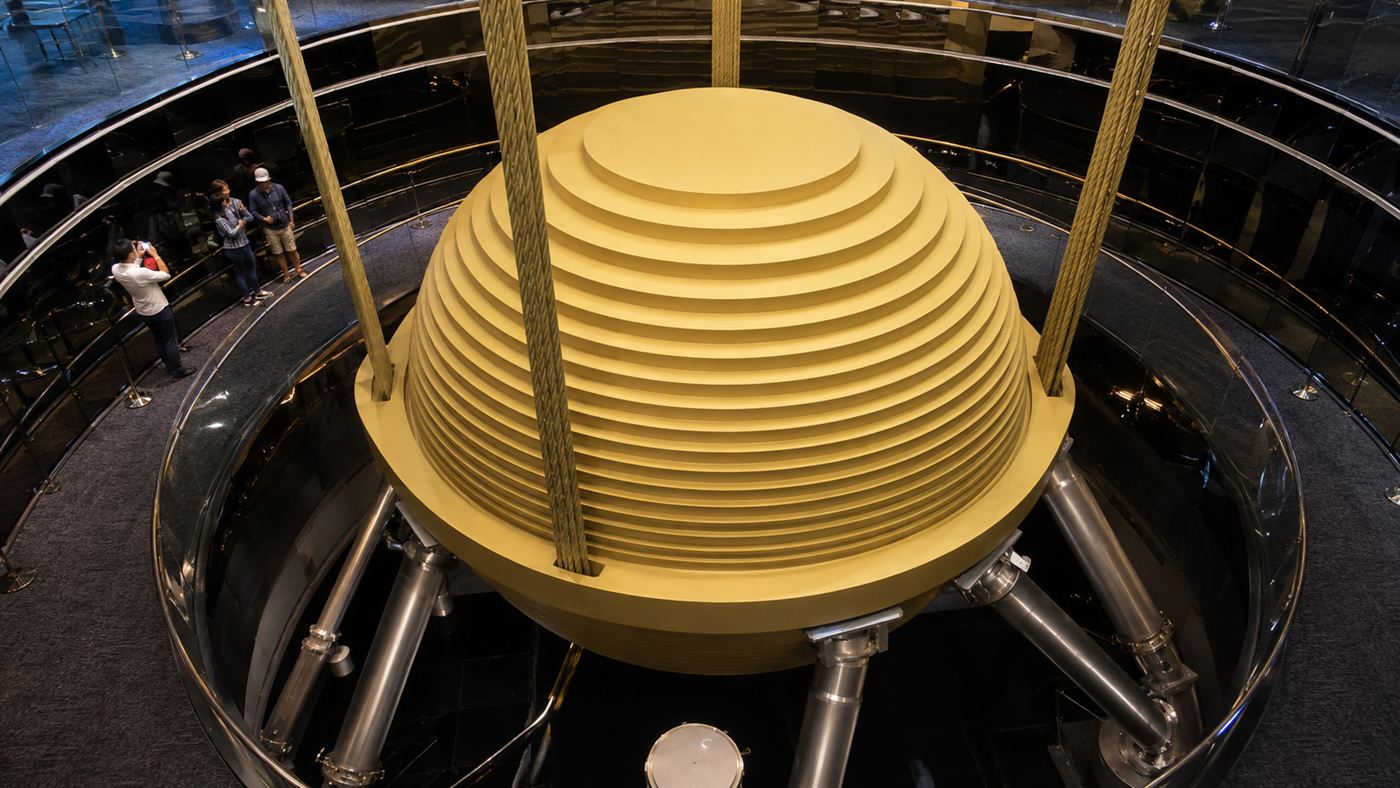
Related reading: Taipei 101, the skyscraper that hangs a giant golden ball inside to ride out typhoons. Its record may not last: Jeddah Tower is climbing toward a full kilometre.