After years frozen half-built, the world's first kilometre-high tower is climbing again in Saudi Arabia
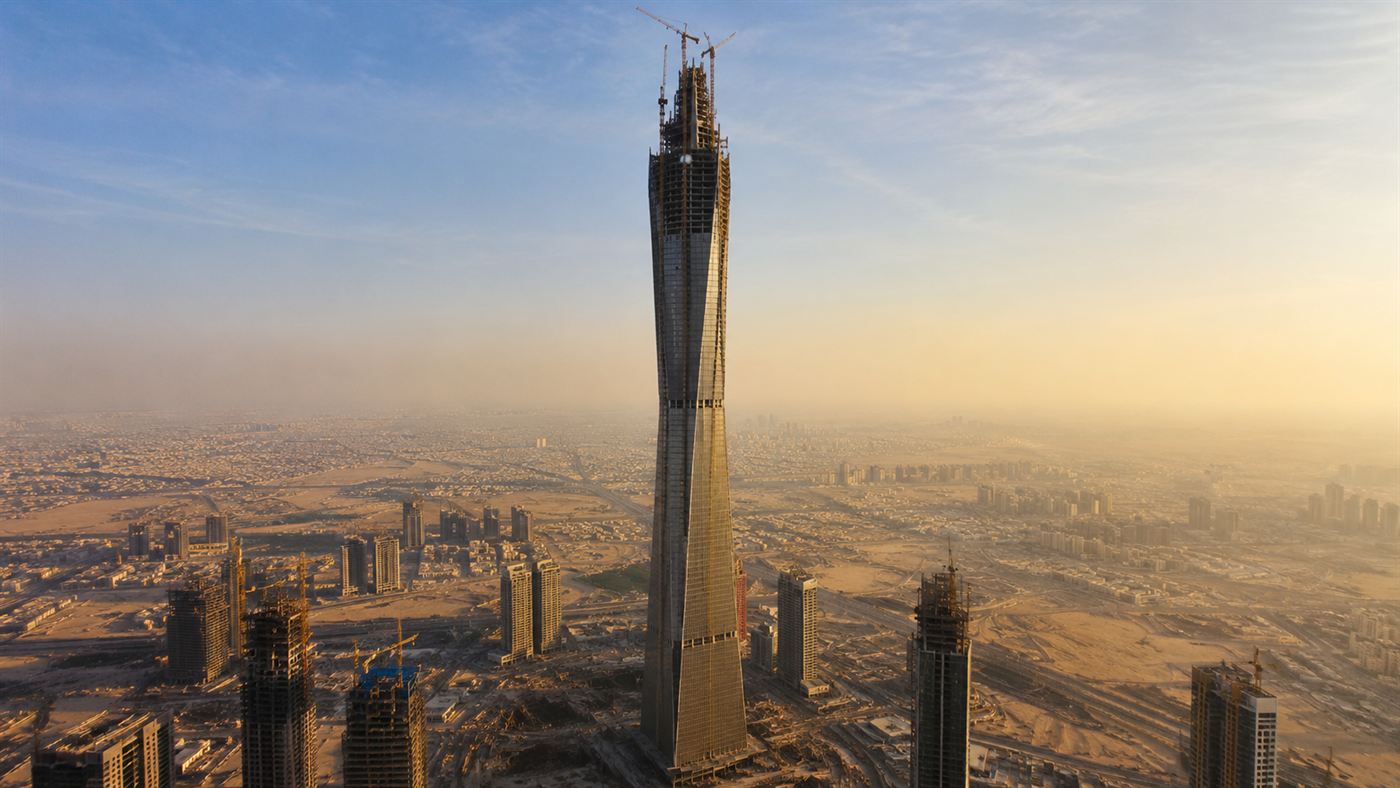
In 2026, a skyscraper that had stood stalled and unfinished for years began growing once more, and it is aiming higher than any building in history. Jeddah Tower passed its hundredth floor this year, back on course to become a building you could measure in kilometres, not metres, the first structure ever to reach a full thousand metres into the sky.
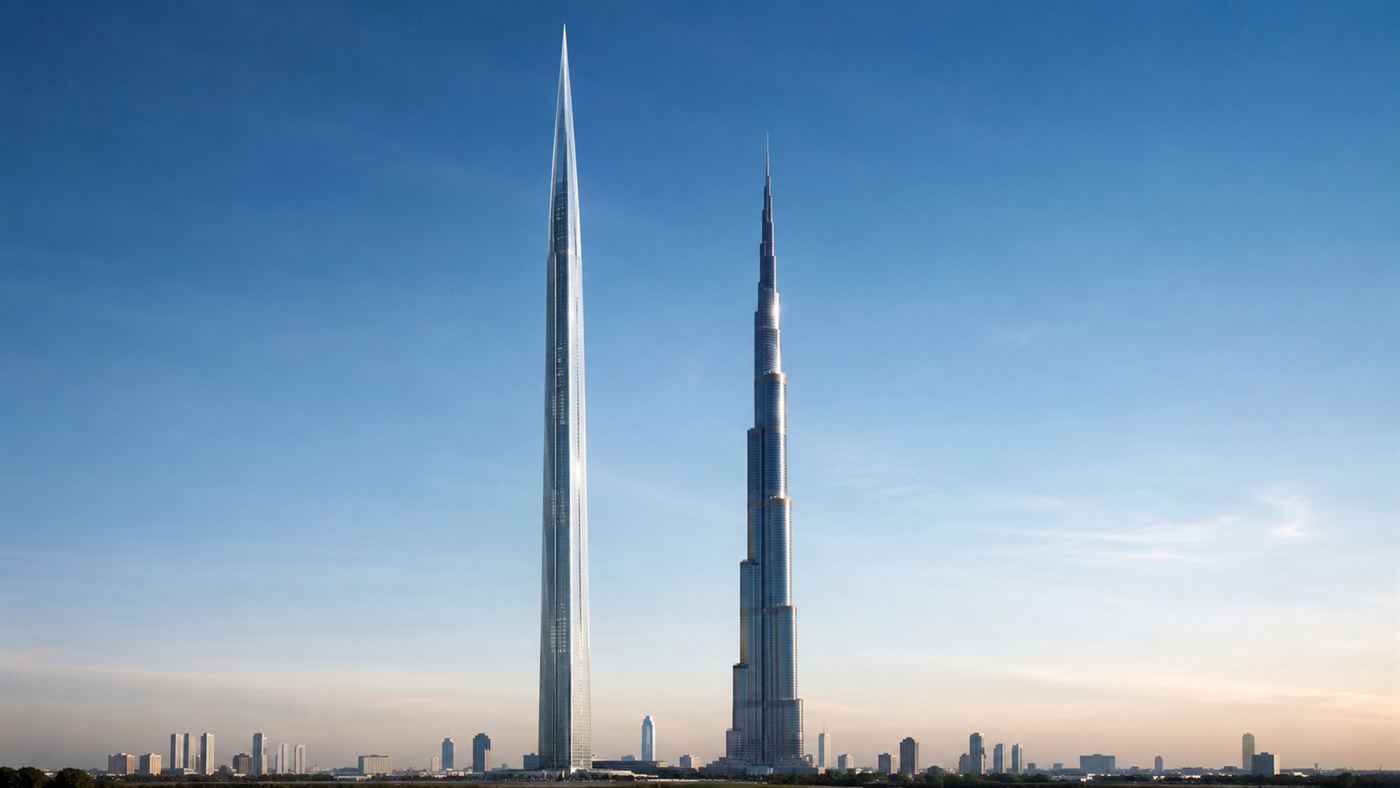
Jeddah Tower, a tapering spike designed to become the first kilometre-tall building. Illustration: Watts & Wild.
By the middle of 2026, workers had pushed the tower past its 103rd floor, a milestone that matters less for the number than for the momentum. This is a project that spent years as a haunting sight, a giant concrete stump crowned with idle cranes, and its steady climb again is the real news. When finished, the plan calls for at least 157 floors and a height of around a kilometre.
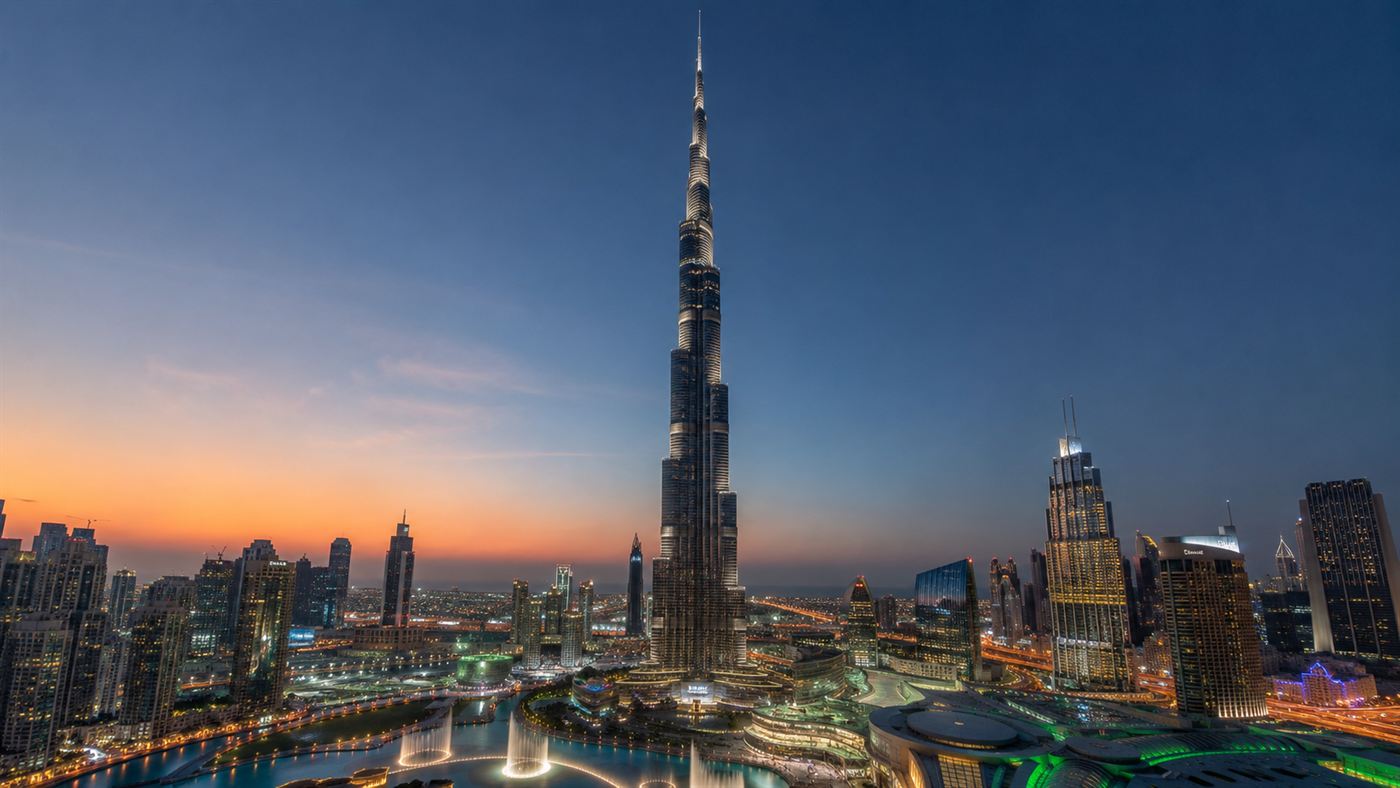
That would make it roughly 180 metres taller than the current champion, the Burj Khalifa in Dubai, itself no modest building. Designed by the architects Adrian Smith and Gordon Gill, the same practice behind the Burj Khalifa, Jeddah Tower is meant to snatch the title of tallest building on Earth and hold it by a wide margin.
The short version is that the world's next record-breaking tower, long left for dead, is alive again and rising, and 2026 is the year that became impossible to ignore.
What makes Jeddah Tower so hard to build
Reaching a kilometre is not just the Burj Khalifa with extra storeys stacked on top. At that height, the enemies are wind and weight. The higher a tower climbs, the harder the wind tries to push it over and set it swaying, so the whole shape, a slim, three-sided spike that tapers as it rises, is sculpted to slip the wind rather than fight it, a trick engineers call confusing the wind.
Then there is the simple problem of getting up. Pumping wet concrete nearly a kilometre into the air, and moving people and materials that high, stretches equipment to its limits, and the lifts must be among the fastest and most advanced ever built. Every extra hundred metres makes each of these challenges sharply harder, which is exactly why tall enough to poke through low clouds has stayed out of reach until now.
Why the tower stood frozen for years
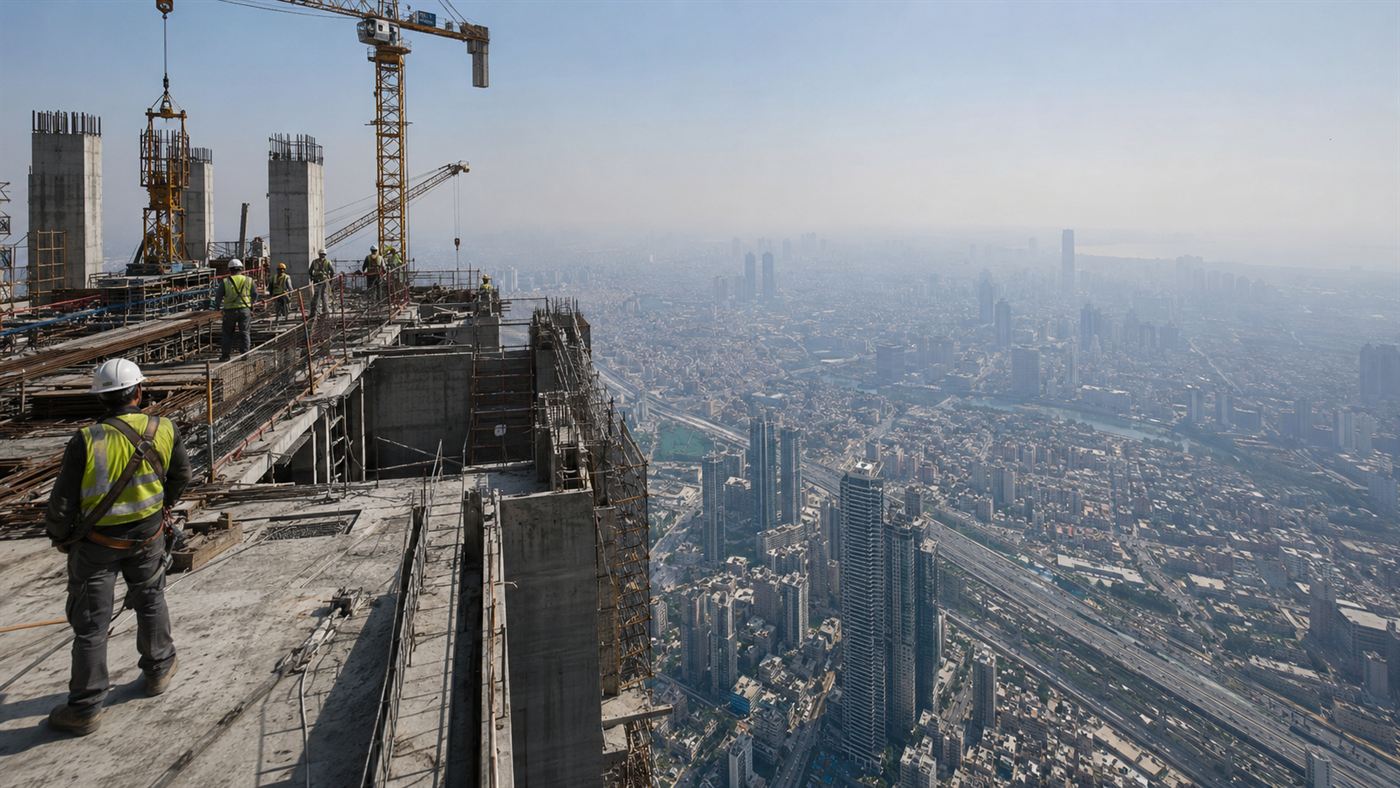
The long pause was not an engineering failure but a human one. Construction began in 2013 and rose steadily until around 2018, when work abruptly stopped amid financial trouble and a wave of political upheaval in Saudi Arabia that swept up figures tied to the project. For years afterward the half-built tower simply stood there, a monument to a stalled ambition.
Work quietly resumed in 2023, and it is only now, in 2026, that the climb has clearly found its rhythm again. That history is a reminder that the tallest buildings are not felled by physics so much as by money and politics, and that a skyscraper can sit frozen for longer than it took to build the ones before it.
Why build a kilometre-high tower at all?
It is fair to ask what a thousand-metre tower is actually for. The honest answer is that it is only partly about floor space. A building this tall is a statement, a way for a country to plant a flag on the skyline of the world and announce its ambition, much as the Burj Khalifa reshaped how the planet sees Dubai.
Jeddah Tower is the centrepiece of a huge planned district on the edge of the city, meant to draw investment, tourism and prestige to the whole development. In that sense the height is the point. The tower is designed to be seen from far away and remembered, an exclamation mark that a place has arrived, as much marketing as it is architecture.
The honest catch
It is easy to be swept up in the spectacle, and the engineering truly is extraordinary. Pushing a habitable building to a full kilometre is a genuine human achievement, and the skill and nerve involved deserve real respect. A record like this does not fall often, and watching it happen is a rare thing.
But the catch is worth naming. Supertall towers are famously inefficient, their topmost floors so slender and so costly to service that they often earn little and sometimes sit empty, more trophy than useful space. They devour materials and energy, and the very tallest are driven as much by prestige as by need, in a country steering huge sums toward showpiece megaprojects. The race to build ever higher has always been about more than height. Jeddah Tower will be a genuine wonder when it is done. It is worth remembering that a record for the sky is not the same thing as a solution on the ground.
Sources: New Atlas on Jeddah Tower's 2026 progress, the Skyscraper Center, and Newsweek.
A building tall enough to touch the clouds is rising again from a decade of false starts, and the world will soon look up at a new record. Do skyscrapers like this inspire you, or do they feel like expensive monuments to ego? Tell us what you think in the comments.
Related reading: the Burj Khalifa, the current tallest building and the record Jeddah Tower means to break. See also the safety elevator that made skyscrapers possible in the first place, and the luxury tower in San Francisco that started sinking and leaning.