In 1925 a relay of sled dogs raced diphtheria serum 674 miles through Alaskan blizzards to save Nome, and the dog who did the least got the statue
A frozen town, dying children, and the only medicine nearly 700 miles away across the Alaskan wilderness. The rescue came on four legs, and the names that survive it are Balto and Togo, two dogs whose story is also a small lesson in how fame gets handed out.
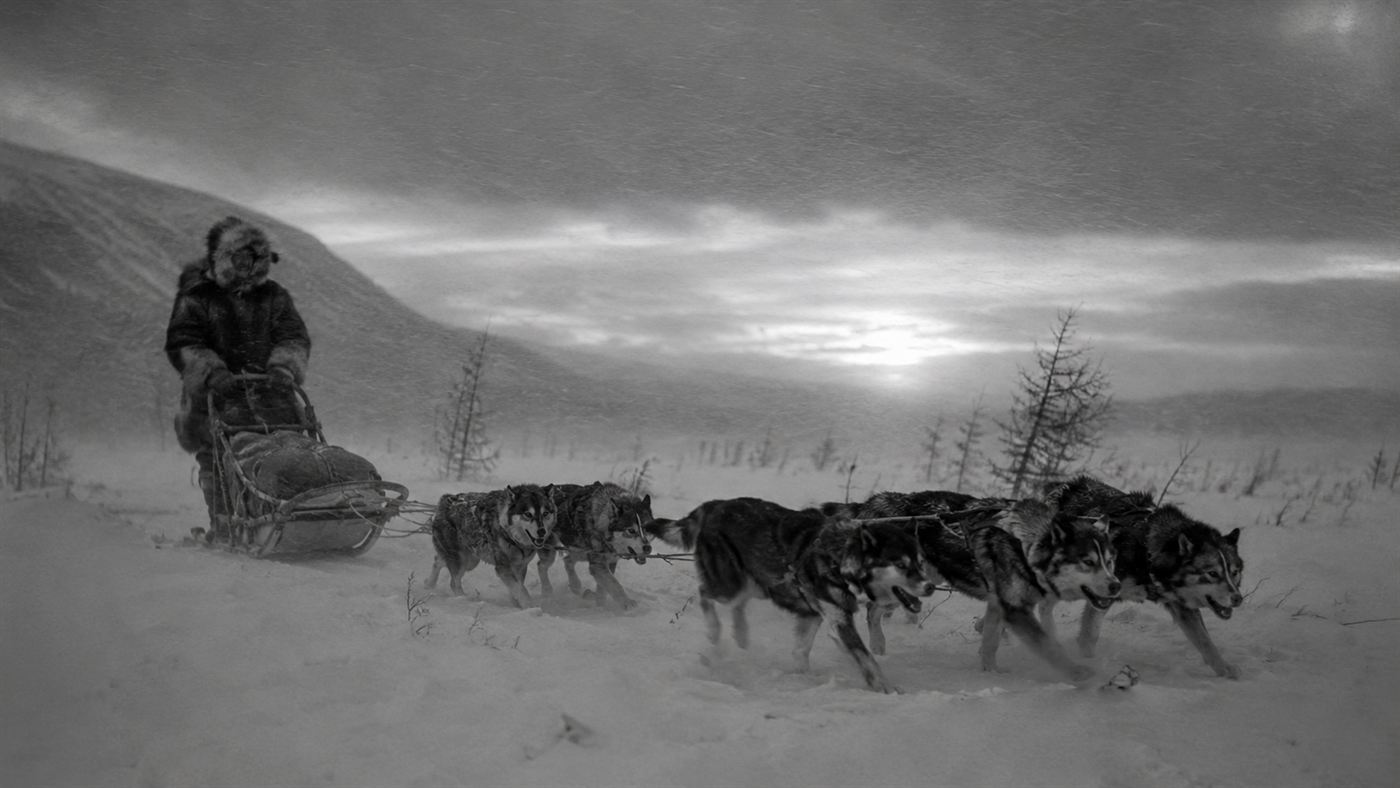
The serum reached Nome on dog sleds, through storms and darkness no plane could face. Illustration: Watts & Wild.
The story of Balto and Togo begins with a death sentence hanging over a town. In the winter of 1925, the remote port of Nome, in far western Alaska, was hit by an outbreak of diphtheria, a disease that suffocates its victims and is especially deadly to children. The town's supply of antitoxin had expired, and the nearest usable batch was almost 700 miles away. Nome was iced in for the winter, with no road, no railway, and no aircraft that could fly in the brutal cold and dark.
What saved it was the oldest northern technology there is: dogs and sleds. The rescue, now known as the 1925 serum run or the Great Race of Mercy, became one of the most celebrated feats of endurance in American history, and it turned two sled dogs into household names. But behind the legend is a quieter story about which dog truly earned it.
The 1925 serum run, or Great Race of Mercy, was a dog-sled relay that carried diphtheria antitoxin 674 miles from Nenana to Nome, Alaska, in about five and a half days to stop a deadly outbreak. Two dogs, Balto and Togo, became famous for it, though they ran very different parts of the journey.
The race against a frozen clock
When doctors in Nome realised what they were facing, the maths was terrifying. A batch of serum was found and rushed by train to Nenana, but that still left 674 miles of frozen wilderness between the medicine and the dying town. With planes ruled out, the territory organised a relay: fresh teams of mushers and sled dogs would each run a leg, handing the precious package on like a baton.
About 20 mushers and roughly 150 dogs took part, driving day and night through whiteout blizzards and temperatures that plunged toward minus 50, with wind chills far worse. They covered the whole route in about five and a half days, far faster than anyone thought possible, in conditions that could kill a person caught out in them. The serum run was a genuine team effort, and many of the mushers were Alaska Native, a fact the famous version of the story too often leaves out.
Togo and Leonhard Seppala took the deadliest leg
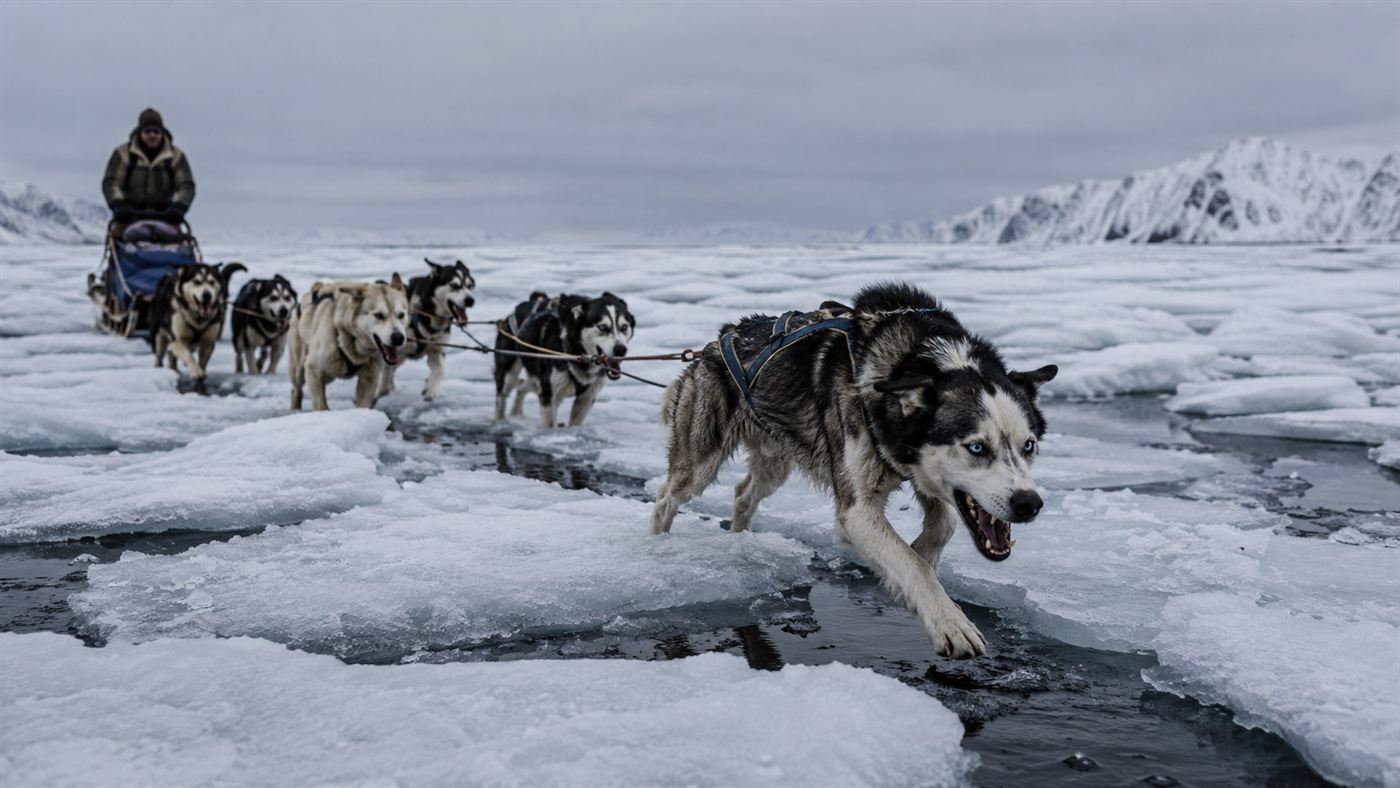
The hardest and most dangerous stretch fell to Alaska's most respected musher, Leonhard Seppala, and his lead dog Togo. Seppala set out from Nome toward the serum, meaning his team had to cover the distance twice, and his route crossed the sea ice of Norton Sound, a shortcut that could save a day but could also break apart and carry a team out to sea.
Togo, a small Siberian husky already around twelve years old, led Leonhard Seppala's team across that treacherous ice in a storm, navigating cracks and open water by instinct. All told, Togo led the team roughly 264 miles, by far the longest distance of any dog in the relay, including the gamble across the sound. Among people who know dog sledding, that run is considered the true defining act of the whole serum run, and Leonhard Seppala regarded Togo as the dog of his life.
How Balto got the glory
The final 53 miles into Nome went to a team driven by Gunnar Kaasen, with a dog named Balto in the lead. They ran through a savage storm in the dark, at times unable to see the dogs in front of them, and pulled into Nome in the early hours of February 2, 1925, with the serum frozen but intact. The town was saved by the relay of sled dogs, and the newspapers needed a single hero.
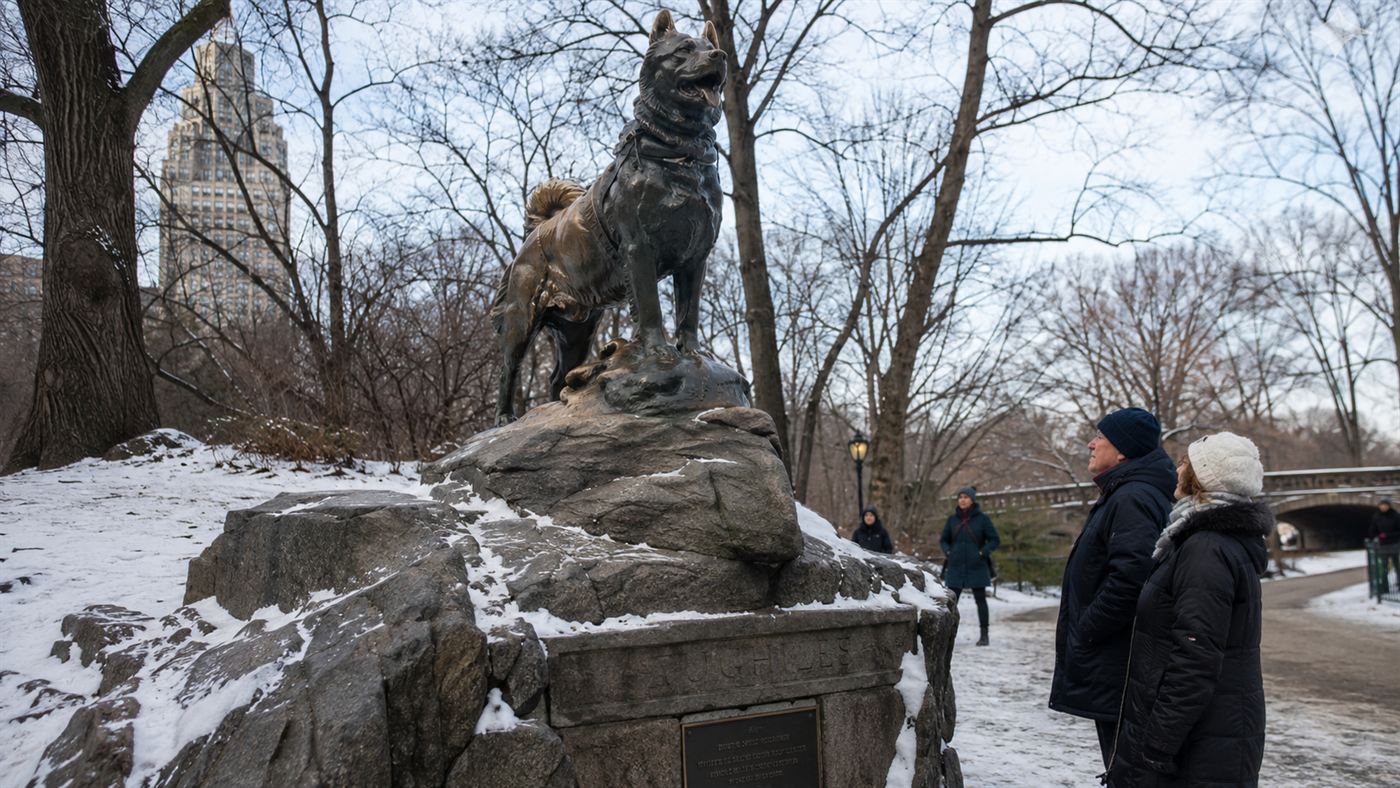
Because Balto crossed the finish line into Nome, Balto became that hero. The press seized on the final-leg dog, and within months a bronze statue of Balto was unveiled in New York's Central Park, where it still stands today. Of the two dogs in Balto and Togo, it was the one who ran the short, glamorous last stretch who got the monument, the movie, and the lasting name, while Togo's far greater effort faded into the background.
Setting the record straight on Balto and Togo
It took decades for the balance to be corrected. Leonhard Seppala spent years gently insisting that Togo, not Balto, had done the real work, and dog historians eventually agreed, restoring Togo's reputation as the genuine canine hero, as Smithsonian magazine recounts. A 2019 film finally told Togo's side to a wide audience, and his name is now spoken alongside Balto's rather than beneath it.
Both dogs, in truth, had hard lives after their fame. Balto and his teammates ended up exhibited in a shabby sideshow before the people of Cleveland raised money to rescue them and give them a home at the city's zoo. Today the preserved body of Balto is on display in a Cleveland museum, a strange afterlife for a working dog. The fates of Balto and Togo show how the public latches onto a single face, even when the story is really about a whole team straining together.
The honest catch
The serum run deserves its fame, but the tidy hero version flattens it. This was the achievement of around 20 mushers and 150 sled dogs, not one heroic animal, and singling out any single dog, Balto or Togo, slightly betrays everyone else who ran. Many of those mushers were Alaska Native drivers whose names almost nobody remembers, which is its own quiet injustice layered on top of the Togo one.
It is also worth being clear about the medicine. The antitoxin that the dogs carried treats diphtheria but does not prevent it; it was a desperate emergency measure, and the lasting answer was the vaccine that later made such outbreaks rare. None of that dims what happened on the ice. In the depth of an Alaskan winter, people and animals together did something extraordinary to save strangers' children, and the rivalry of Balto and Togo is just the human habit of turning a team's triumph into a single famous name.
A whole team of dogs and drivers saved a town, and history remembered mostly one dog. Does it bother you that Balto got the statue while Togo did the hardest run, or is that just how legends work? Tell us in the comments.
Related reading: For decades a wild killer whale named Old Tom hunted alongside human whalers in Australia, under a pact called the Law of the Tongue, and Wojtek, the orphaned bear cub who was enlisted into the Polish army and carried shells at Monte Cassino.