The Philippines wants to swap its smoke-belching jeepneys for clean electric ones, but the drivers who own the country's most beloved icon say the price tag will bury them in debt
The jeepney is a cultural treasure and a rolling cloud of diesel smoke at the same time. The Philippines wants to retire it for clean electric models, a clear win for the air. The catch is who pays, and the drivers say the answer could end them.
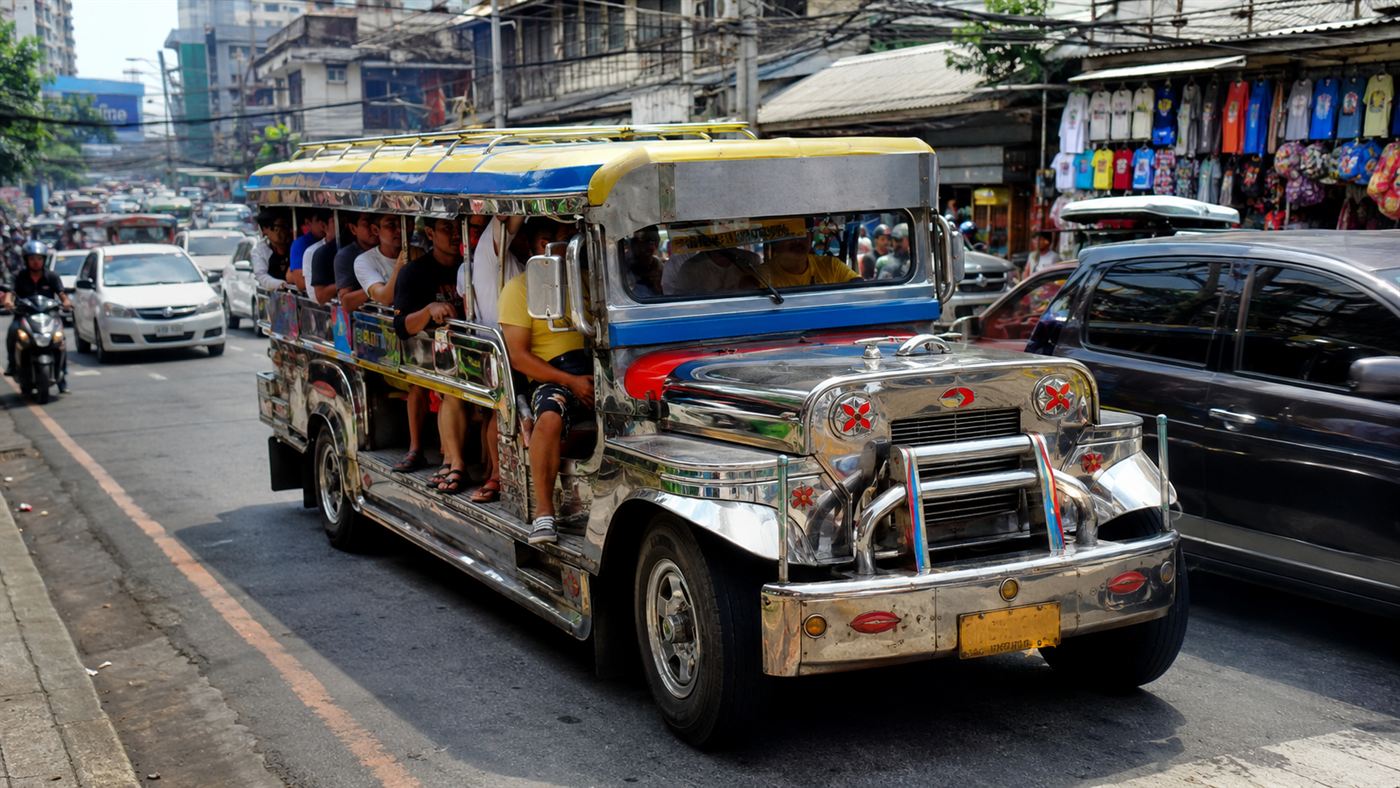
A traditional jeepney, the chrome-and-paint icon of the Filipino street, runs on an old diesel engine. Illustration: Watts & Wild.
The jeepney is the most Filipino thing on wheels: a stretched, chrome-plated, riotously hand-painted bus descended from the United States military jeeps left behind after the Second World War, crammed with passengers and trailing a plume of black diesel smoke. For three quarters of a century it has been the cheap, noisy, improvised backbone of how the Philippines gets around. Now the government wants it gone, replaced by a clean electric jeepney that no longer poisons the air.
In its place the state wants modern, cleaner, partly electric jeepneys that do not choke the cities they serve. As Al Jazeera reported during one of the strikes that paralysed Manila, the problem is the price and the fear of being driven into debt. Since 2023, the drivers' fight against the phase-out has shut the capital down again and again, in what many of them call their last stand.
A national icon built from war scrap
To understand the anger, you have to understand what the jeepney is. When American forces left after 1945, Filipinos took their surplus jeeps, stretched the bodies to fit more passengers, and turned them into shared taxis. Then they decorated them, with chrome horses, mirrors, religious slogans, family names and explosions of colour, until each one was a piece of folk art that also happened to carry fourteen people for small change.
For generations the jeepney has been more than transport. It is a national symbol of resourcefulness, the thing that turns up on postcards and in films, owned and driven by ordinary working people rather than big companies. The trouble is that the same vehicles run on old, dirty diesel engines, and in a megacity like Manila that adds up to a serious share of the smog that hangs over the streets.
The electric jeepney plan to clean the air
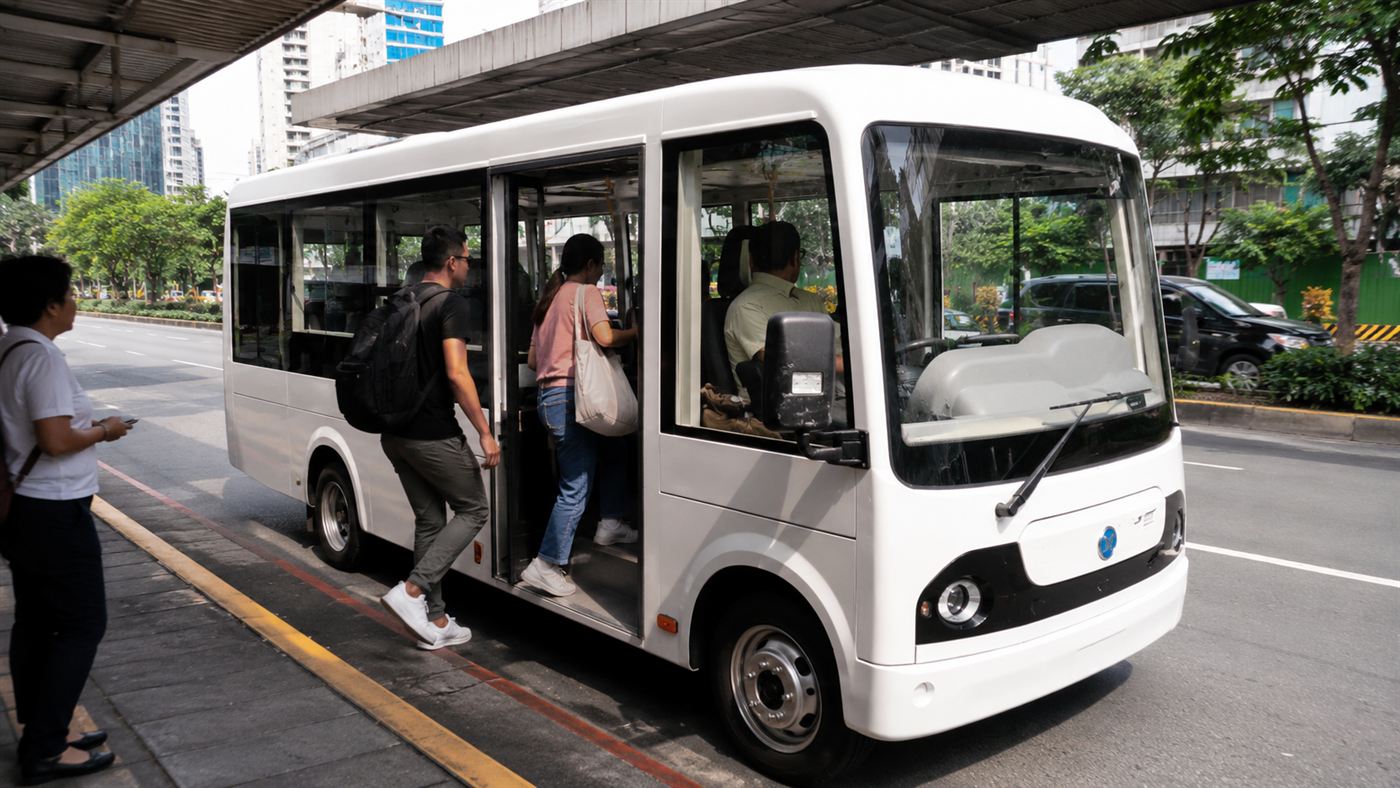
That is the case for change. As the record of the Public Utility Vehicle Modernization Program lays out, the scheme launched in 2017 aims to retire the oldest jeepneys and replace them with cleaner Euro-compliant and electric units, with better safety, lower emissions and features like proper doors and tracking. On paper it is exactly the kind of upgrade a polluted, fast-growing country should want.
The cleaner-air argument is real. Old jeepneys are loud, smoky and often unsafe, and a modern, electric fleet would mean less pollution in some of Asia's most congested streets. If the only question were the engineering, this would be an easy story about progress. It is not.
The price the drivers cannot pay
The whole fight comes down to a number. As the South China Morning Post reported, a new modern jeepney can cost in the region of 50,000 US dollars, while the drivers who would have to buy them take home only a few dollars a day, and many said plainly that the cost "will be the death of us."
Government subsidies and cooperative loans are meant to soften the blow, but they cover only a slice of the price, leaving drivers facing years of debt on an income that was already hand to mouth. The scheme also pushes individual operators to merge into cooperatives, which many fear means losing the independence that made driving a jeepney a way for a poor family to own its own livelihood. The upgrade is aimed at the air, but the bill lands on the people with the least.
Strikes, deadlines and a last stand
So they fought. Transport groups have staged strike after strike that empty Manila's roads of jeepneys and strand millions of commuters, a blunt reminder of how much the city leans on them. The deadline for drivers to consolidate into cooperatives lapsed at the end of 2023, was pushed back to the spring of 2024, and was then followed by the impounding of jeepneys that had not joined up.
The backlash reached the top of politics. By mid-2024, a large bloc of senators had called for the programme to be suspended outright, warning that it was destroying the livelihoods of hundreds of thousands of families. The phase-out had become less a tidy modernisation and more a slow collision between a clean-air goal and the people who move the country.
The whole green transition in one bus
Strip away the chrome and the jeepney fight is the entire energy transition in miniature. Electrifying transport is necessary and good, and nobody seriously argues that a megacity should keep breathing diesel forever. But the question that decides whether it is fair is brutally simple: who pays for the switch?
When the cost of going electric is loaded onto the poorest workers in the system, a climate win turns into a livelihood crisis, and the people most exposed to the pollution end up fighting the very thing meant to clean it up. A genuinely just transition would mean the state and the wealthy carrying the cost of the new fleet, not a jeepney driver mortgaging his future for a vehicle that costs more than he will earn in years.
The honest catch
It would be too easy to take a side and leave it there, because both have a real case. The old jeepneys genuinely do pollute, many are genuinely unsafe, and air pollution genuinely kills, so the instinct to modernise is not villainy, it is public health. A cleaner, electric fleet is a good thing to want.
But wanting it is not the same as making the drivers pay for it. The rollout asked the people at the bottom of the system to fund a national upgrade out of pockets that were already empty, and in doing so it put a beloved piece of culture and a vast number of livelihoods on the line at once. The lesson of the jeepney is not that electrification is wrong. It is that how you electrify, and who you ask to carry the cost, can decide whether the future arrives as a gift or as a debt.
A country is trying to trade its smoky cultural icon for clean electric buses, and the working-class drivers who own them are fighting not to be crushed by the cost. When a city has to go electric, who should pay for it, the drivers, the government, or the rest of us? Tell us what you think in the comments.