In Azerbaijan a hillside has been on fire for centuries, and no one ever lit it on purpose
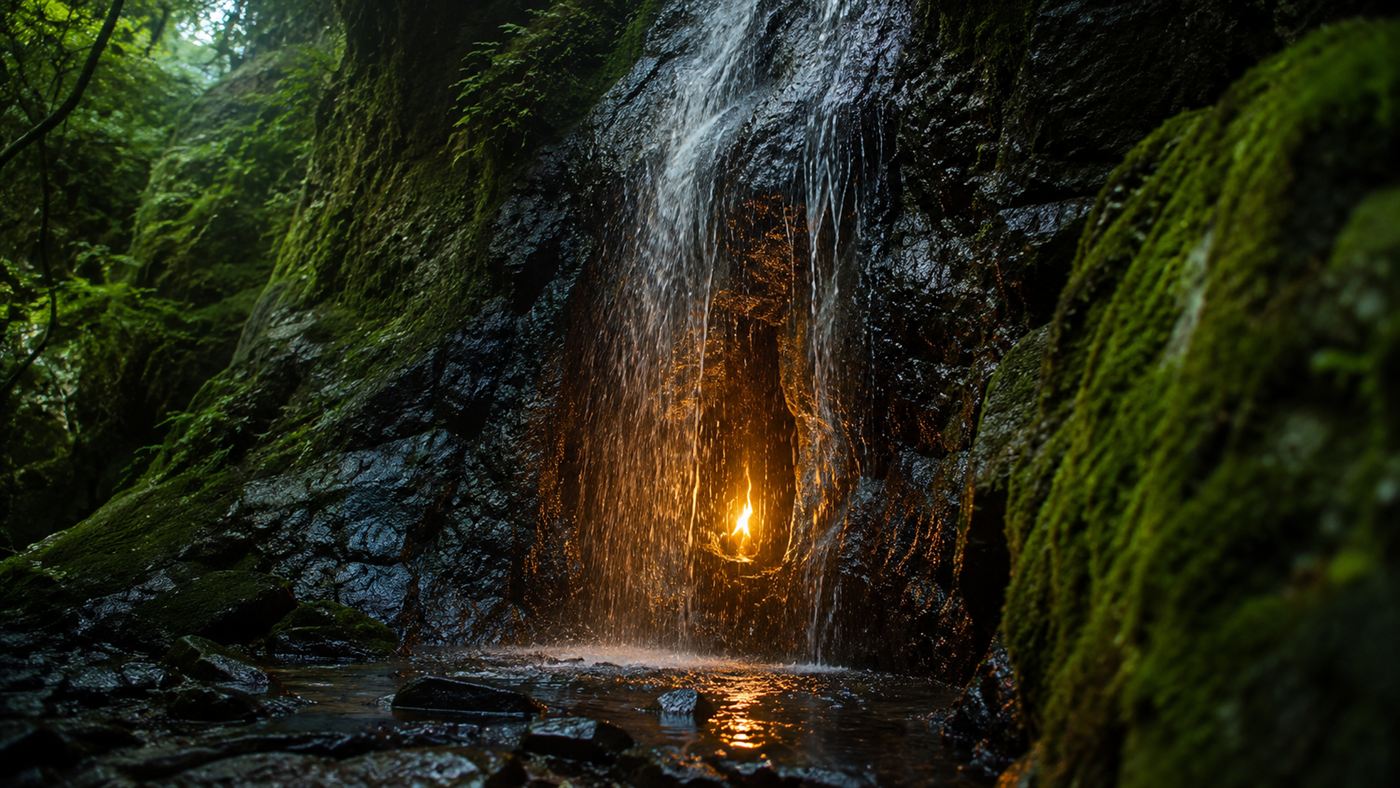
On a low hill near the Caspian Sea, a wall of flame licks up out of the bare ground, day and night, in every season. Rain does not drown it and snow does not smother it. There is no campfire here and no broken pipe, only the earth itself quietly breathing out gas that has been burning longer than anyone alive can remember.
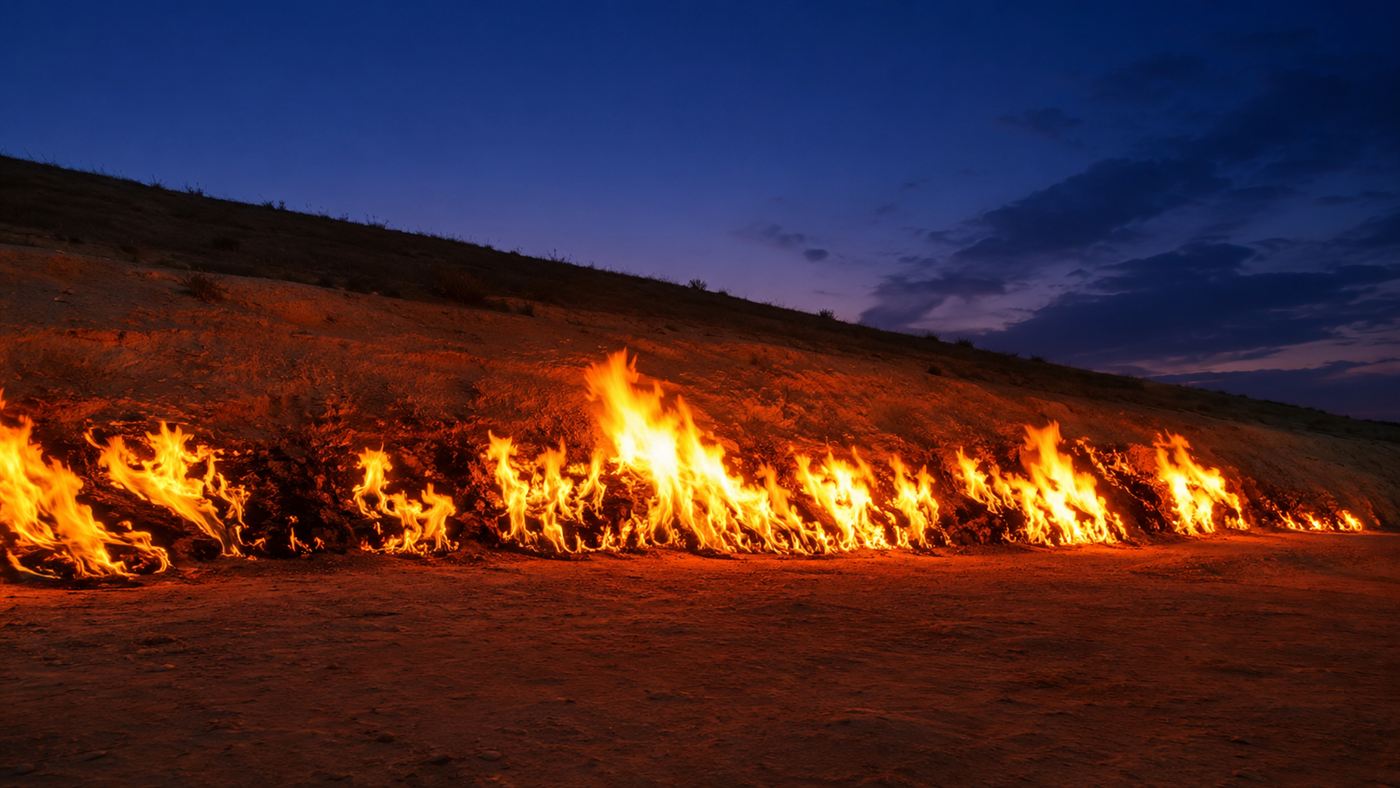
At Yanar Dag, flames rise straight from the hillside, fed by gas seeping through the rock. Illustration: Watts & Wild.
The place is called Yanar Dag, which means burning mountain, and it sits on the Absheron Peninsula just outside Baku, the capital of Azerbaijan. Flames as tall as a person run for several metres along the foot of the slope, fed by natural gas that seeps up through a thin, porous layer of sandstone and catches fire the moment it meets the air.
It is one of the most striking sights in a country that has built its very identity around fire, and it is also a window into how much gas lies trapped beneath this corner of the world.
The land of fire
Azerbaijan calls itself the Land of Fire, and it has earned the name. The whole Absheron Peninsula sits on top of enormous reserves of oil and gas, so much that for thousands of years gas has leaked naturally to the surface and burned wherever a spark found it. Long before anyone drilled a well, the ground here was dotted with flames that seemed to come from nowhere.
To people in the ancient world, with no idea what natural gas was, a fire that rose from solid earth and never went out could only be something holy. The flames were not a curiosity to be explained but a mystery to be worshipped, and that is exactly what happened.
Why Yanar Dag never goes out
What makes Yanar Dag special today is that its fire is genuinely natural and genuinely constant. The gas supply beneath it is steady, so the flames simply keep going, indifferent to the weather. Visitors come at dusk to watch the hillside glow against the dark, a sheet of fire with nothing obvious feeding it, looking exactly as unearthly as it must have to travellers centuries ago.
The science behind it is almost disappointingly simple. Hydrocarbon gases rise from deep layers of rock, pass through the porous stone near the surface, and ignite. But knowing the cause does not really diminish the sight. There is still something deeply strange about standing in the rain and watching the ground burn.
Fire worship and Marco Polo
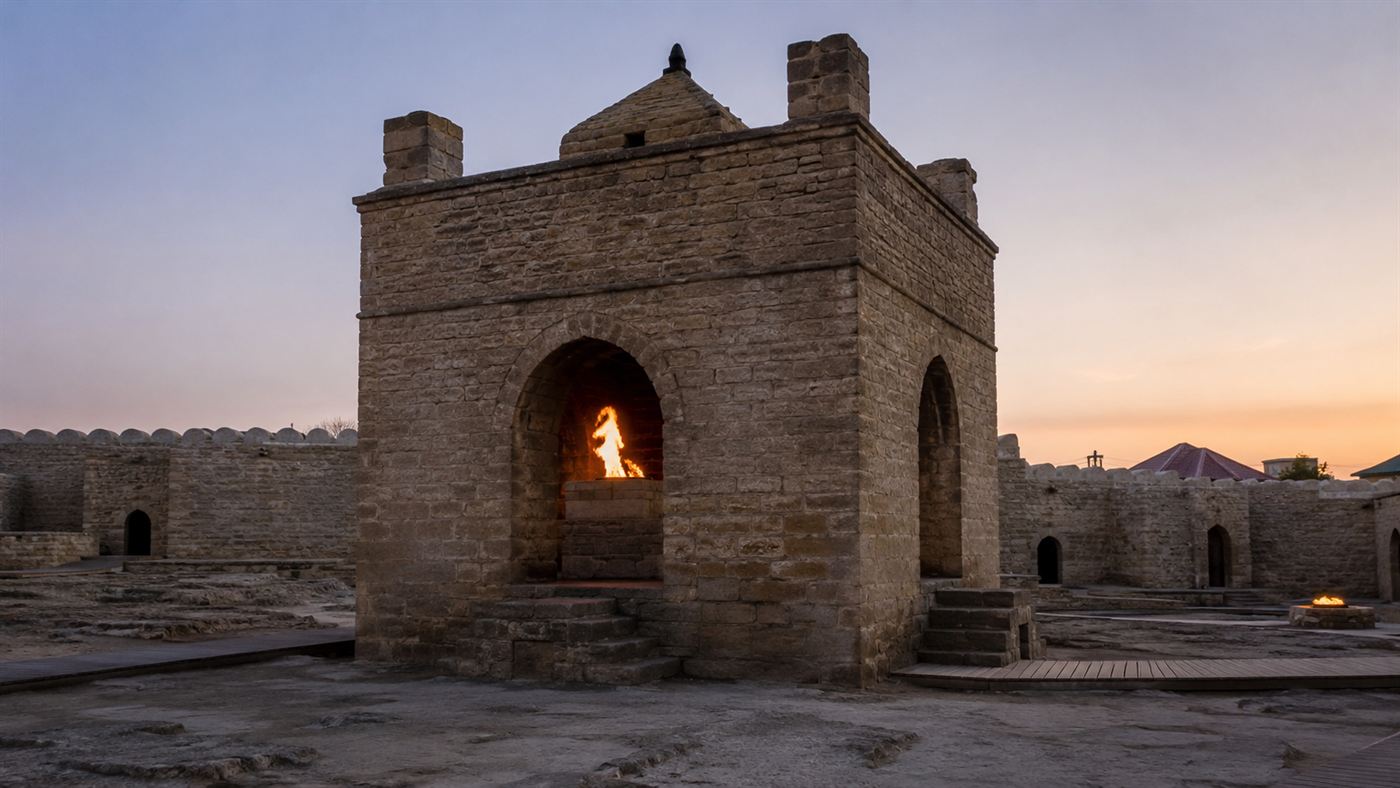
These eternal flames were sacred to Zoroastrianism, one of the world's oldest religions, in which fire is a symbol of the divine and of purity. In the first millennium BCE the faith flourished in this region, and Azerbaijan's natural fires became places of devotion. Centuries later, pilgrims and traders built the Ateshgah, a temple wrapped around a flame that rose straight from the ground, drawing fire-worshippers from as far away as India.
The fame of these fires spread far beyond the region. When the Venetian traveller Marco Polo came through in the 13th century, he wrote of the astonishing flames and the strange oil of Baku, carrying the legend of the burning land back to a disbelieving Europe. The fires had been a wonder for a very long time before anyone thought to call them a resource.
The sacred flame that runs on a gas main
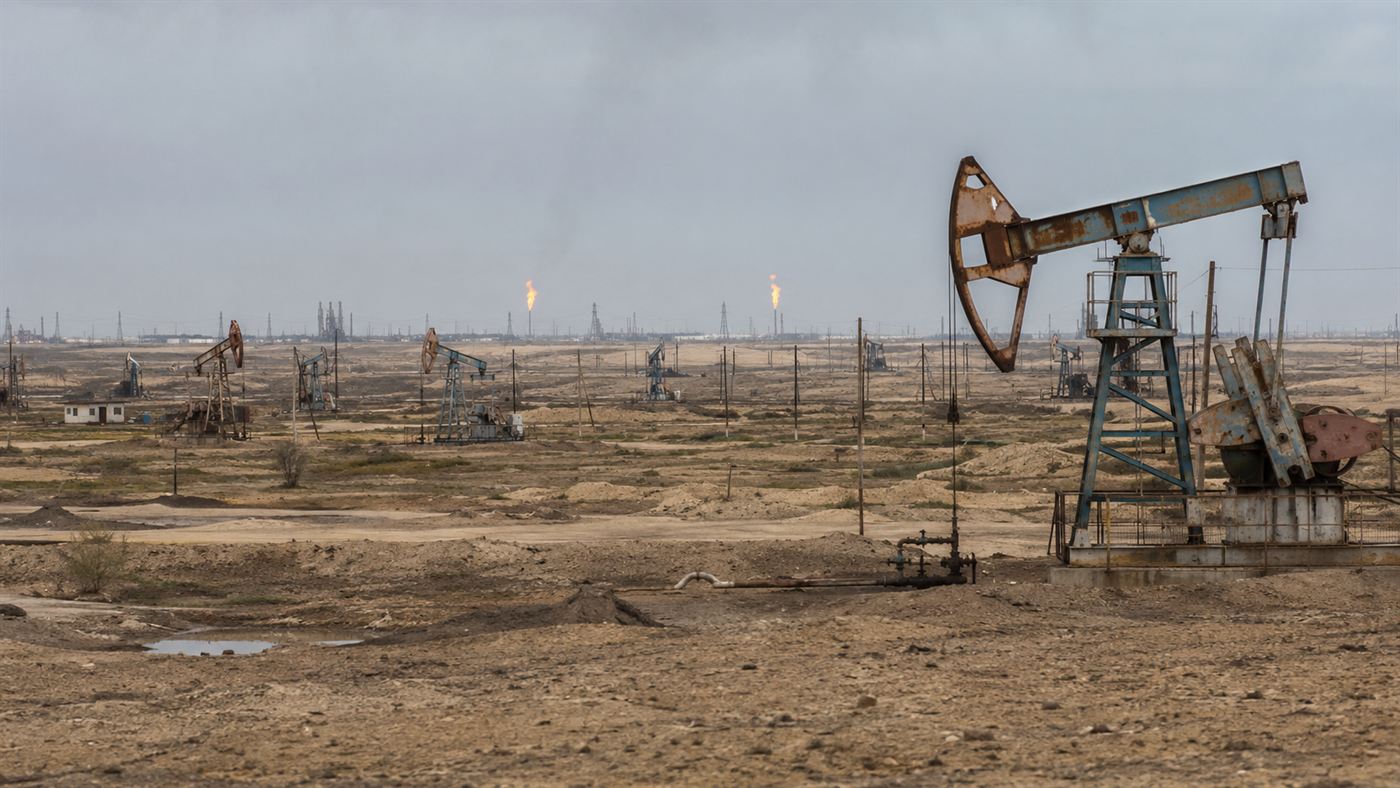
Here the story takes an ironic turn that says a lot about the modern age. The natural flame at the Ateshgah temple, the very fire that pilgrims had travelled for to worship, went out in the twentieth century. Heavy extraction of gas from the surrounding fields drained the underground pressure, and the holy flame that had burned for ages simply died.
Rather than let the famous temple sit cold and dark, its keepers ran a gas pipe to the centre and relit it. So the flame that visitors admire at the fire temple today is real fire, but it is fed from a municipal gas line, not from the earth. The country that worships natural fire had to put one of its holiest flames back on a tap.
The honest catch
It is tempting to call Yanar Dag thousands of years old, and the wider tradition of fires here truly is ancient, documented for many centuries. But this particular hillside flame may be far younger than the legend suggests, with some accounts saying it was only set alight, by accident, in the middle of the last century. The eternal fire and the modern fire are tangled together here, and it is honest to admit we cannot always tell exactly which flame is which.
There is a quieter lesson in it too. Across Azerbaijan many of the once-numerous natural flames have faded, not because the wonder ran out but because we pumped the gas beneath them away to burn somewhere else. Yanar Dag still blazes on its hillside, beautiful and a little melancholy, a reminder that even the fires we call eternal depend on what we leave in the ground.
A hillside burns by itself in the rain, worshipped for centuries, while the holiest flame nearby had to be put back on a pipe. Does it change the magic to know that some of these eternal fires are now fed by a gas line? Tell us what you think in the comments.
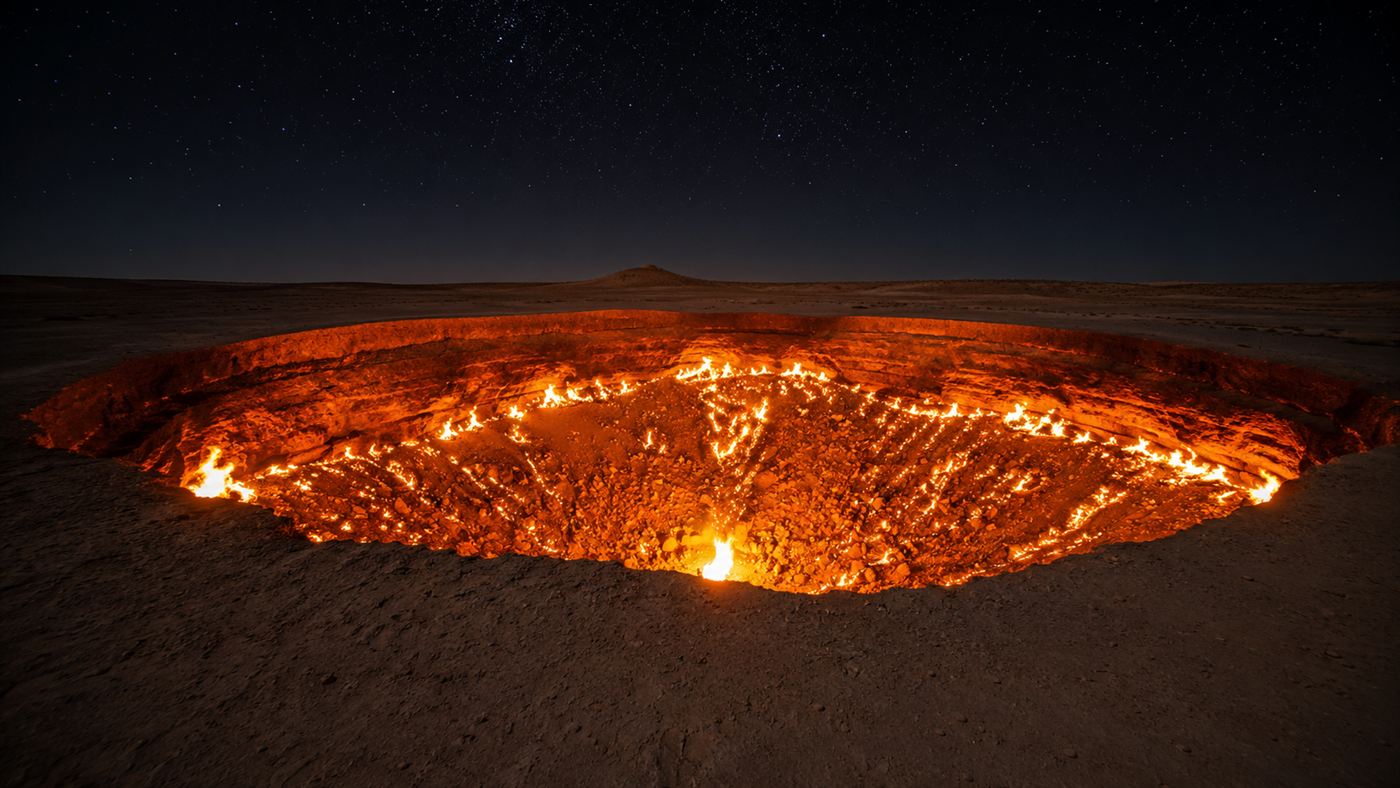
Related reading: the Door to Hell, a gas crater in the desert that has burned for over fifty years. And our bond with flame may be ancient: burnt bones hint we tamed fire 1.8 million years ago.