Burnt bones deep in an African cave may be the oldest sign yet that our ancestors tamed fire
In June 2026, scientists reported a haunting clue from deep inside a South African cave: scorched animal bones, lying far from any entrance, that may be the earliest evidence of controlled fire ever found. If the reading holds, it means an ancestor of ours carried a flame deep into the dark, on purpose, as long as 1.8 million years ago.
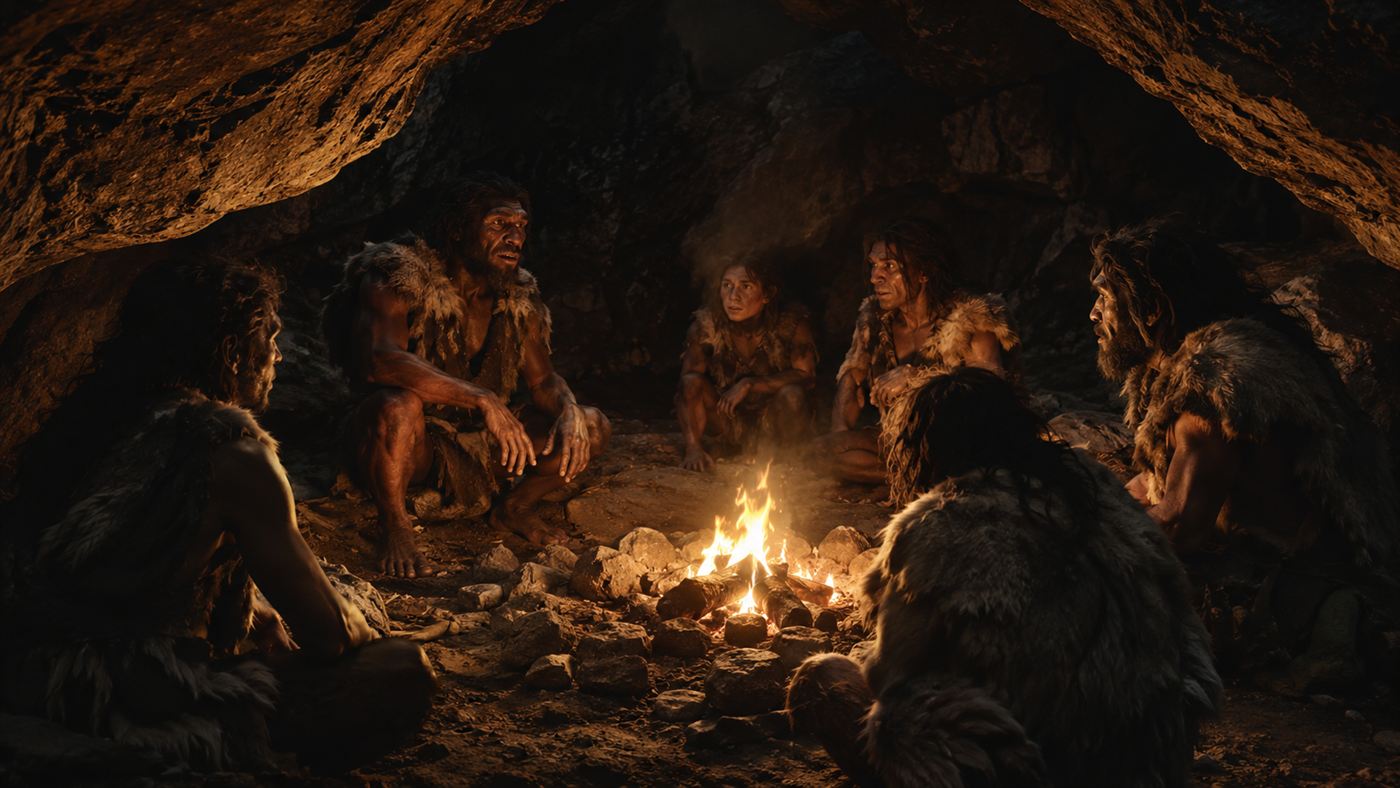
Firelight deep in a cave, a scene that may be nearly two million years old. Illustration: Watts & Wild.
The find comes from Wonderwerk Cave, a long tunnel of rock in the Northern Cape of South Africa that has drawn researchers for decades. In a study published in the journal PLOS One, a team described burnt bones recovered from a layer they date, using the magnetic signature of the sediments, to somewhere between 1.07 and 1.79 million years ago. That is deep in the Early Pleistocene, long before our own species existed, in the age of far older hominins.
What makes the bones so tantalising is not just their age but their address. They were found at least 30 metres inside the cave, well beyond the reach of sunlight, and clustered in particular spots rather than scattered evenly. A wildfire or a lightning strike does not tidily deposit charred bone in the black heart of a cave. A creature bringing fire inside, again and again, might.
The short version is that the strongest early candidate for our oldest campfire is not out in the open at all, but hidden in a place the sun never reaches, which is exactly why it matters.
Why deep-cave burning points to controlled fire
The whole argument rests on location. Natural fires, from lightning or dry grass, burn in the open and rarely creep more than a short way into a cave mouth. Finding the signs of burning more than 30 metres from the nearest daylight is hard to explain by nature alone, because there is little to burn down there and no easy way for outside flames to travel so far in.
Add in the pattern, burnt material gathered in distinct clusters as if around repeated hearths, and the simplest explanation becomes a deliberate one. Some creature was carrying burning wood or embers into the dark and using them in the same places over and over. That is the difference the researchers are pointing to: not fire that happened, but fire that was brought and kept.
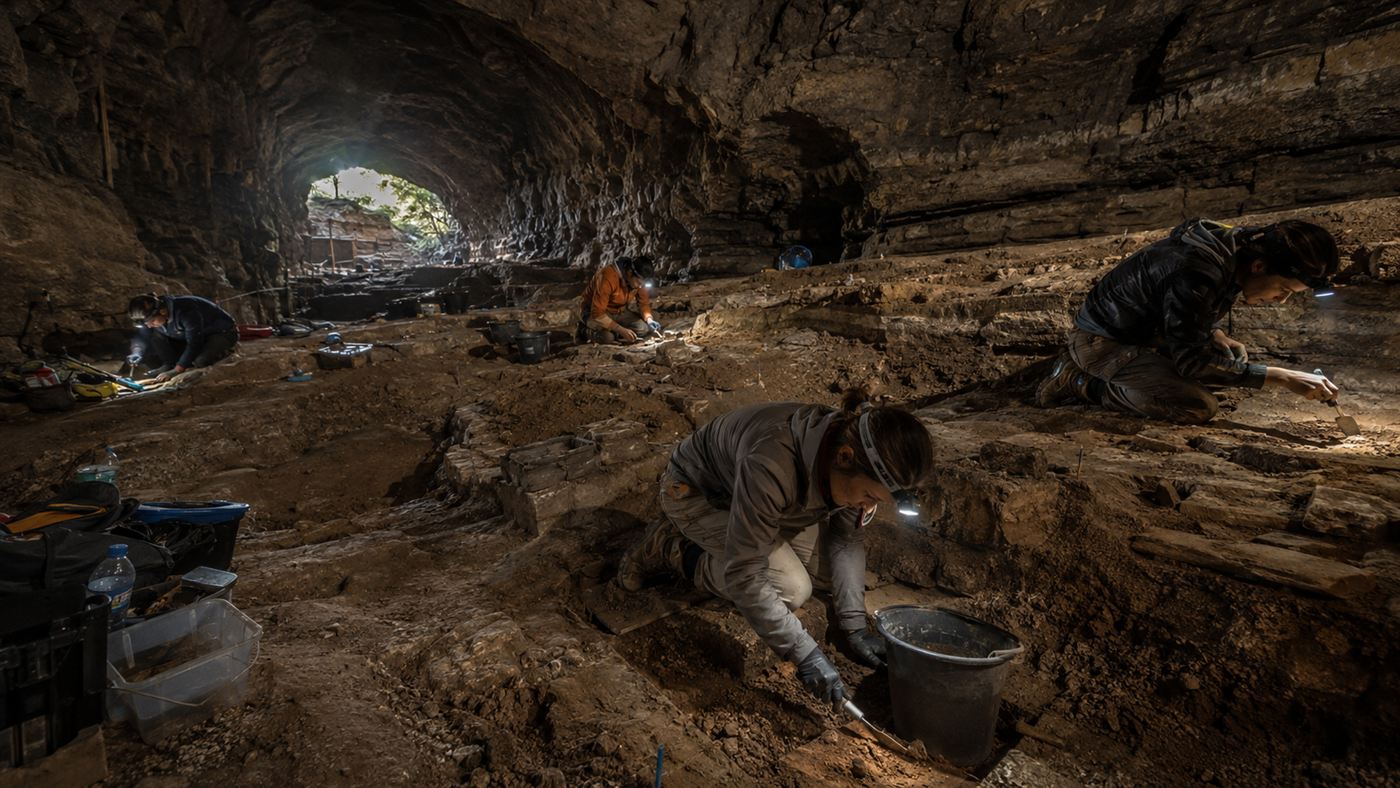
Who was sitting by that fire?
The most likely fire-user, given the age, is Homo erectus, an early human ancestor with a body much like ours, a large brain for its time, and the run of Africa and beyond. Homo erectus is the usual suspect in these deep-time fire stories, a tall, capable hominin that spread across continents and is often cast as the first to make the natural world bend a little to its will.
If the dating is right, it would push back the record for hominins using fire by hundreds of thousands of years, tightening the link between fire and the very shape of us. Many scientists think cooking with fire, by making food far easier to digest, helped fuel the growth of our energy-hungry brains. A campfire this old would place that turning point astonishingly early in our story.
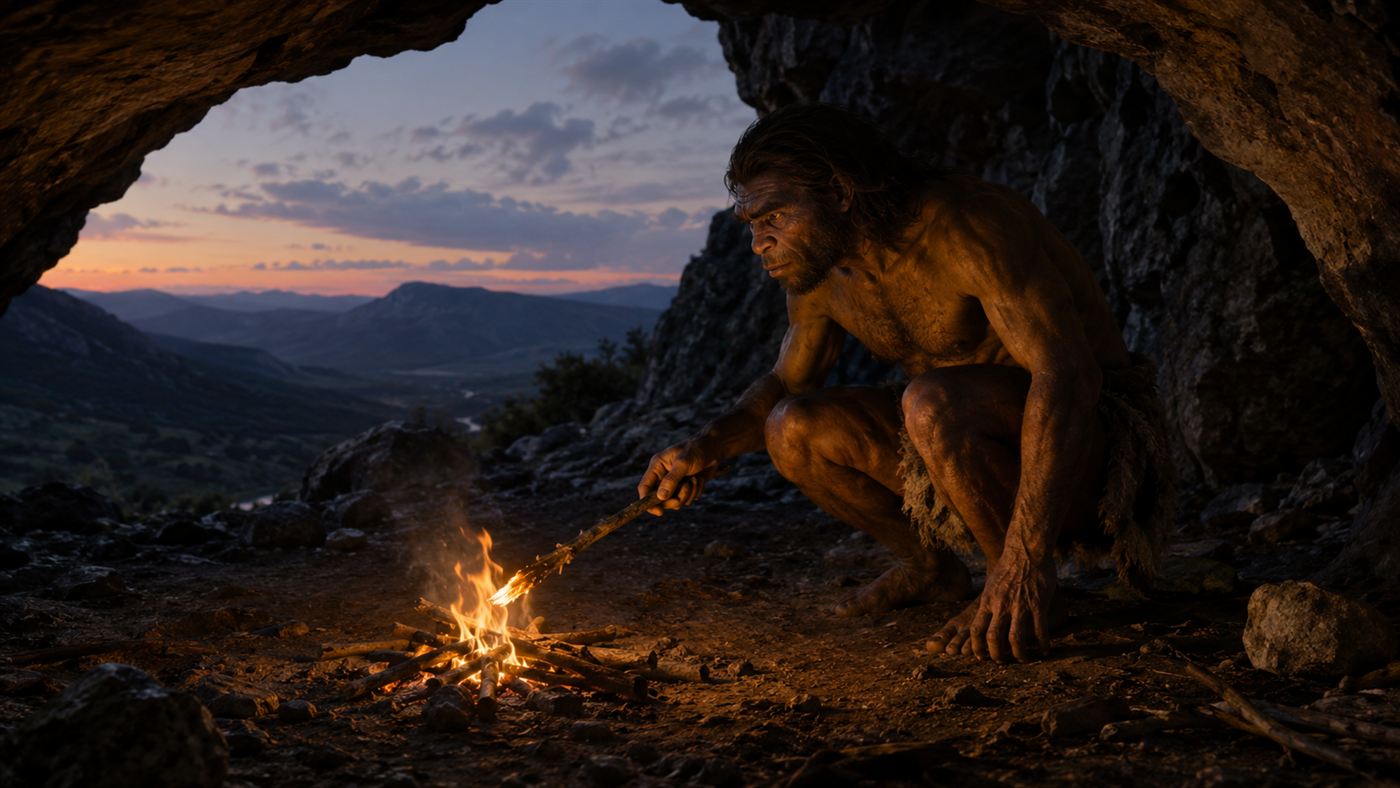
Why fire was the tool that changed everything
It is hard to overstate what mastering fire did for our ancestors. It was, in a real sense, the single most important tool our ancestors ever learned to keep, unlocking a cascade of others. Fire meant cooking, warmth, safety and light, all from one flickering trick, and each of those changed how far, how cold and how dark a place a human could survive.
Cooking in particular may have remade us from the inside. Cooked food gives up far more energy for far less chewing and gut work, and some researchers argue that this dividend helped pay for the expensive, oversized brains that set humans apart. Seen that way, a fire tended in a cave is not a quaint detail. It may be a glimpse of the moment our biology and our technology began to shape each other.
The honest catch
Here the caution has to be loud, because claims about the earliest fire are among the most fiercely argued in all of human origins. Telling a deliberately tended blaze from a natural one, in sediments over a million years old, is genuinely hard, and researchers have been fooled before by mineral staining and other tricks that only mimic burning. Extraordinary dates demand extraordinary scrutiny, and this one will get it.
There is a subtler catch too. Carrying a flame is not the same as sparking one, and even if these early humans used fire, they may have gathered it from a lightning strike or a bushfire rather than making it themselves. The Wonderwerk bones are a remarkable clue and a strong argument, not a closed case. What they offer is not proof that we tamed fire 1.8 million years ago, but a serious, testable reason to wonder whether we did, and that, in the study of our deepest past, is its own kind of spark.
Sources: Sci.News on the Wonderwerk Cave fire study, Phys.org, and the study in PLOS One.
Somewhere in the dark, nearly two million years ago, something like us may have knelt to feed a flame. Do you think our ancestors were truly making fire that early, or just borrowing it from the wild? Tell us what you think in the comments.
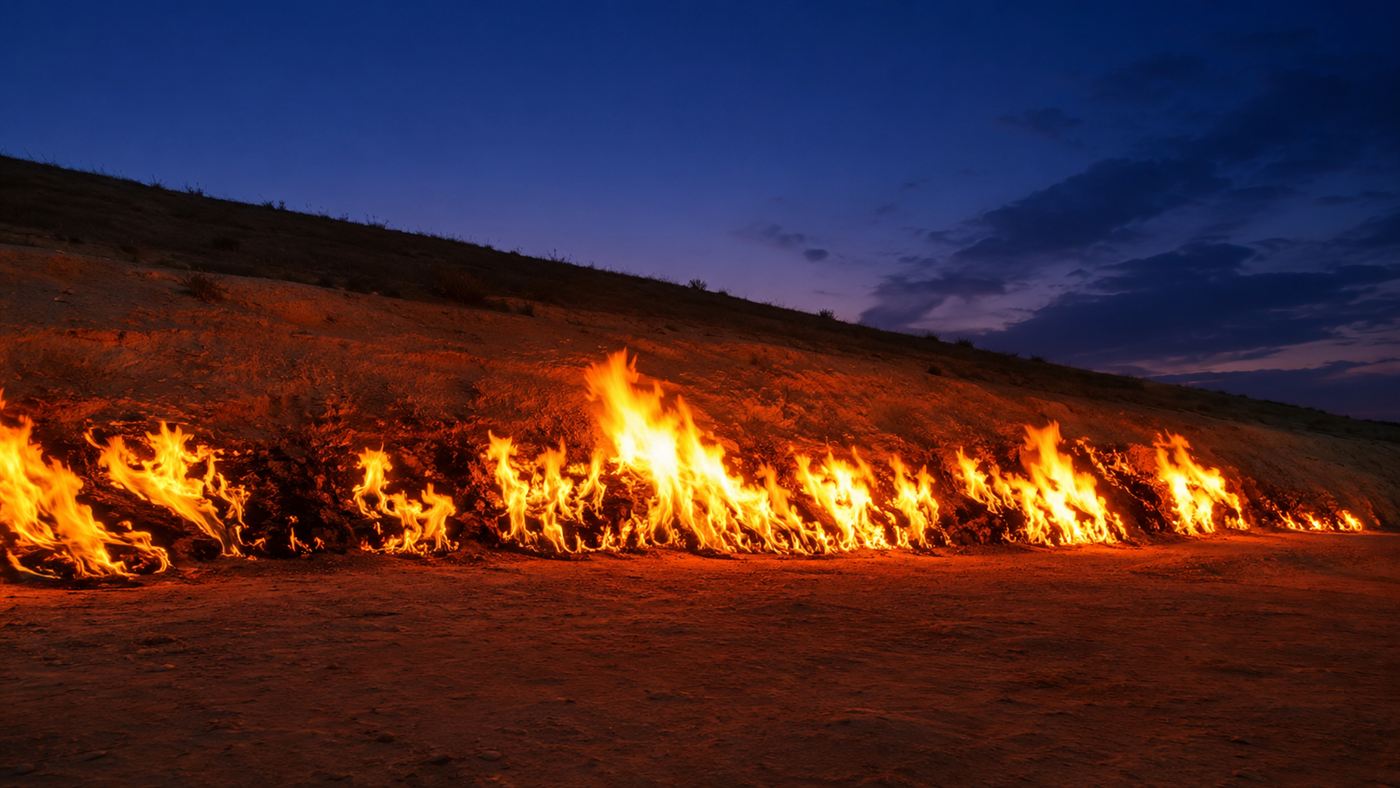
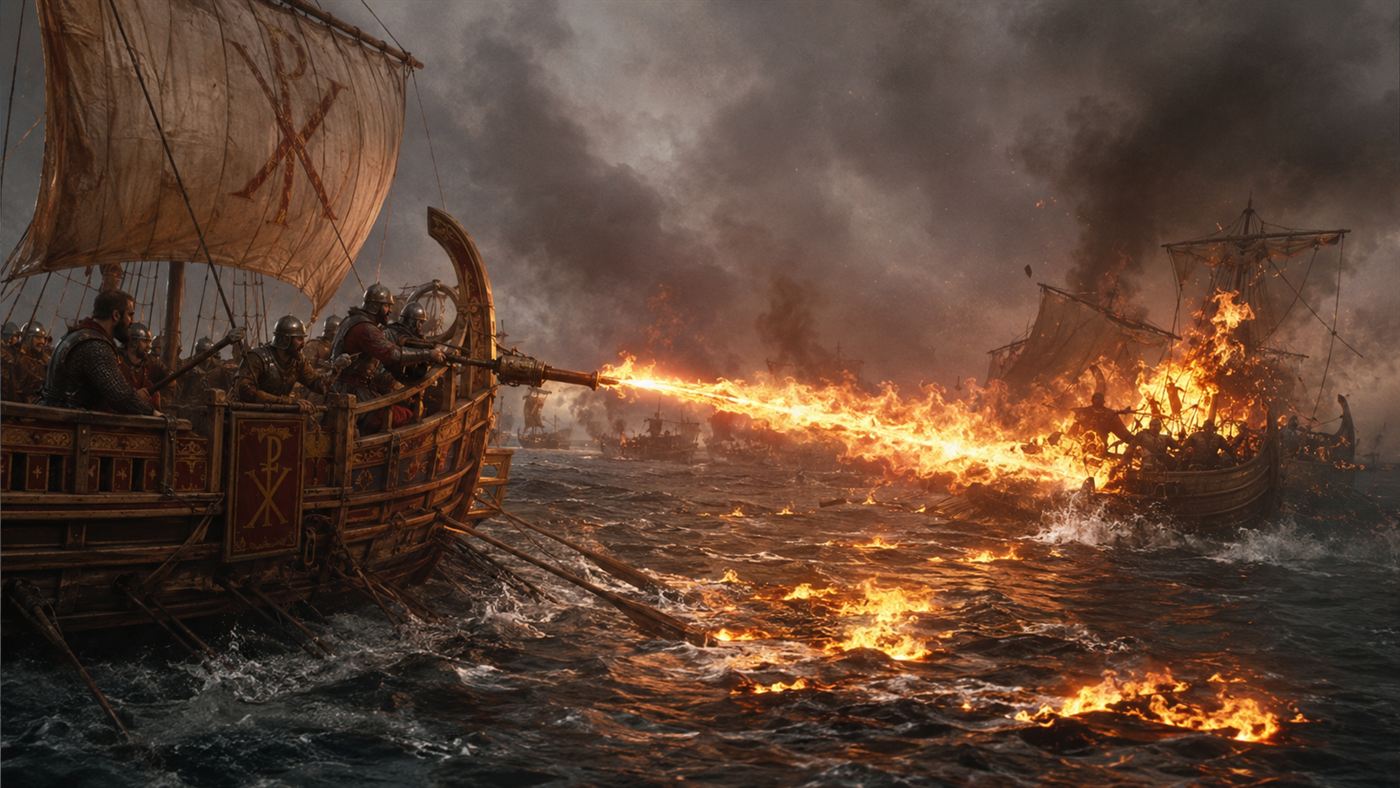
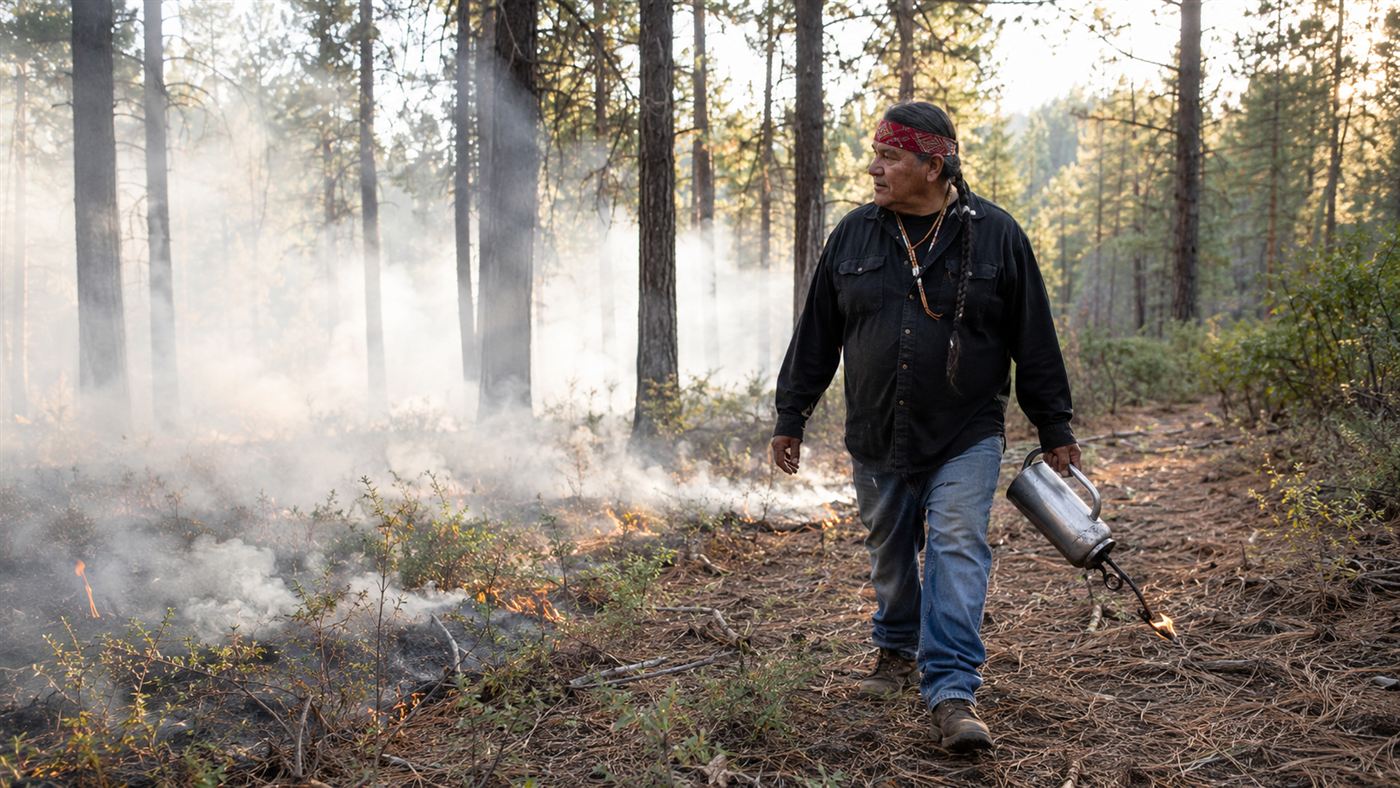
Related reading: Yanar Dag, a hillside in Azerbaijan that has burned by itself for centuries. See also Greek fire, the lost weapon that burned even on water, and the Indigenous fire-keepers who use flame to heal the land.