One scientist showed that trees secretly feed and warn each other through an underground fungal network, and now others say the evidence for this wood wide web is far thinner than the beautiful story
It is one of the loveliest ideas in modern science: that a forest is not a crowd of lonely trees but a single network, swapping food and warnings through fungi in the soil. The ecologist Suzanne Simard spent her life proving it. Now a new wave of research says the wood wide web was oversold.
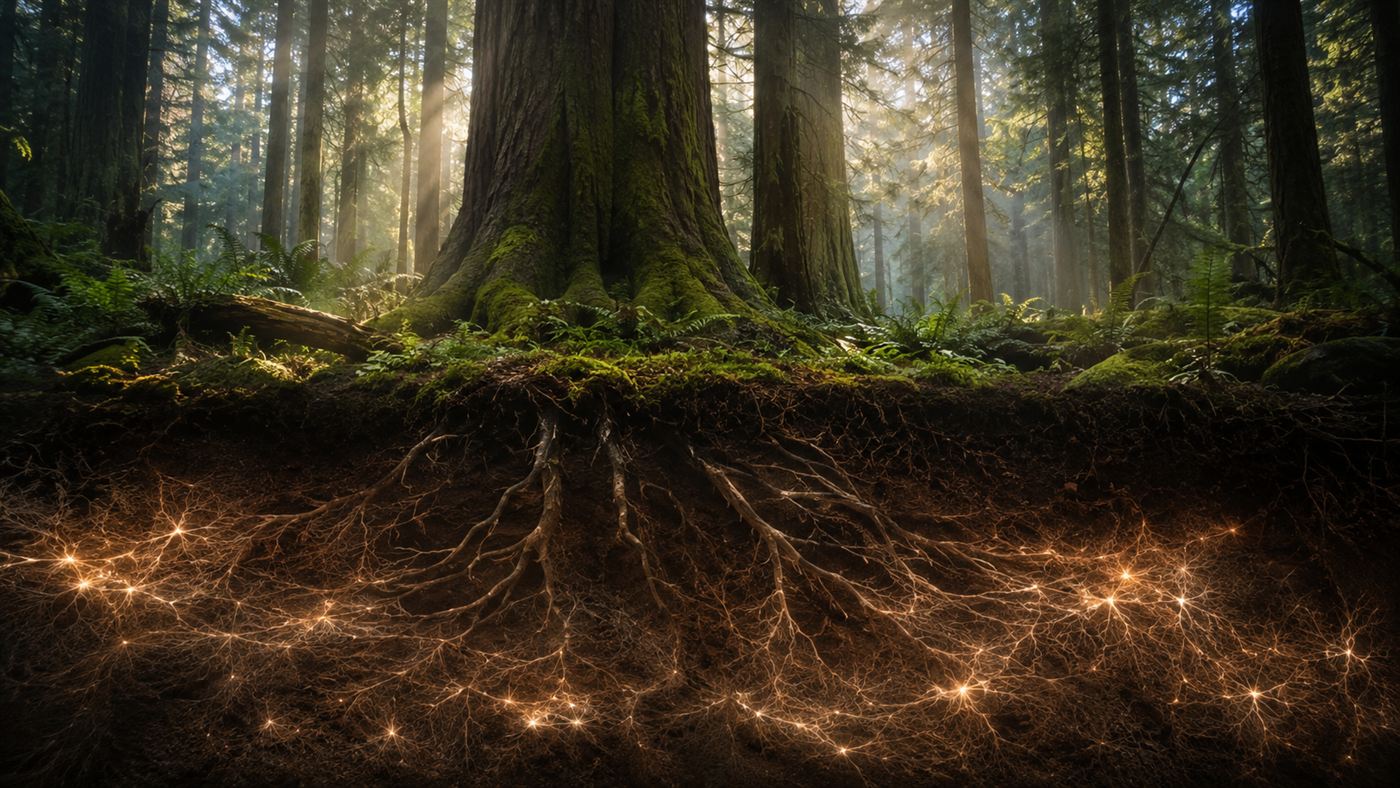
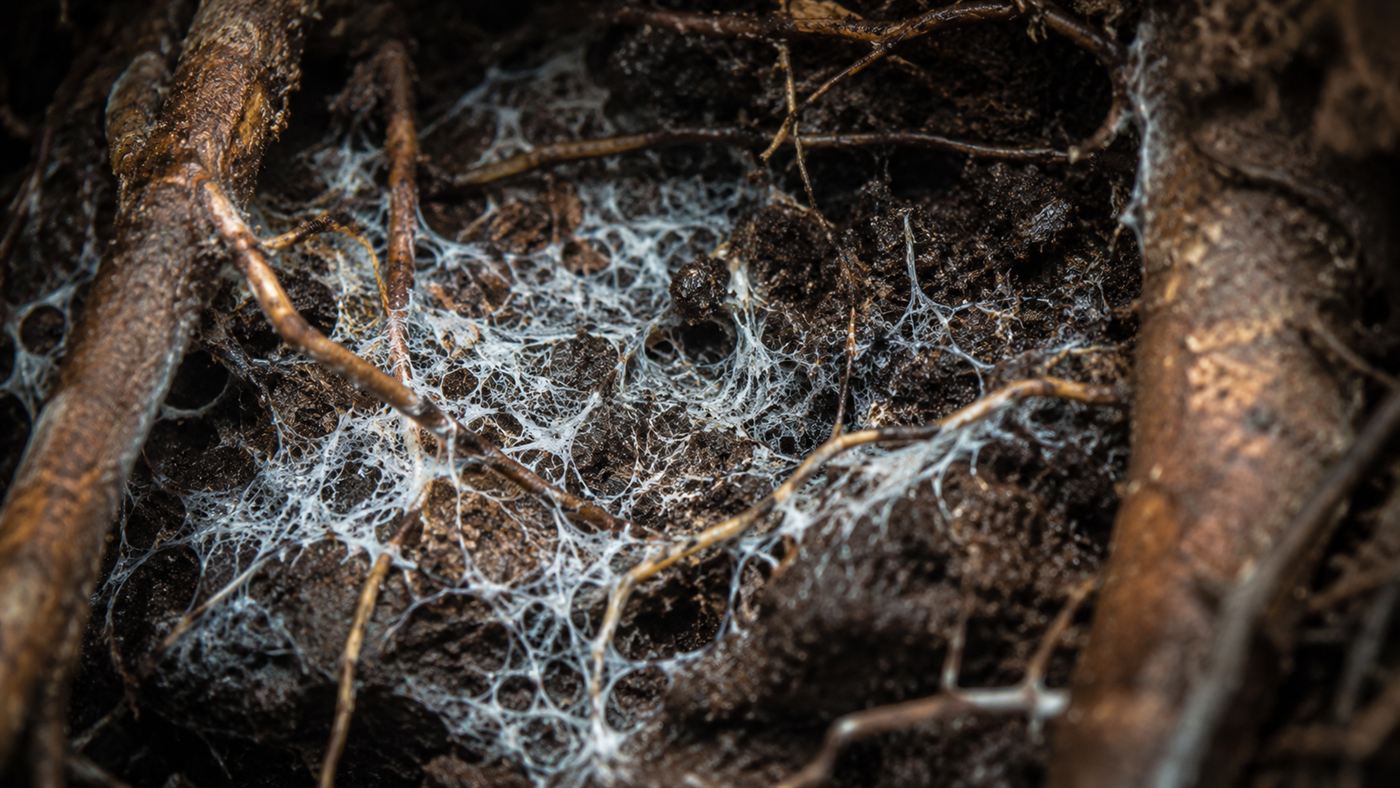
Beneath a forest floor, fungal threads link the roots of many trees into one network. Illustration: Watts & Wild.
The wood wide web is the enchanting idea that trees are not solitary competitors but a connected community, trading sugar, water and chemical warnings through an underground web of fungi. For nearly thirty years, as NPR has reported, the Canadian ecologist Suzanne Simard has gathered evidence that forests behave this way, and the picture she painted has reshaped how millions of people see a walk in the woods.
Then, in 2023, came the pushback. A trio of scientists combed through the research behind the wood wide web and argued that its most charming claims, that these networks are everywhere, that big trees deliberately nurse seedlings, that trees warn each other of danger, run far ahead of the field evidence. The story, they said, had grown taller than the trees.
What is the wood wide web? It is the popular name for common mycorrhizal networks, the threads of fungi that link tree roots underground and can carry carbon, water and nutrients between plants. The term comes from a 1997 study that showed sugar moving between two different tree species in a forest.
How was the wood wide web discovered?
The story starts in the forests of British Columbia in the 1990s.
Suzanne Simard, then a young forester, suspected that the trees a logging industry treated as rivals were quietly helping one another.
To test it she injected paper birch and Douglas fir with different forms of carbon, one of them radioactive, and traced where the carbon went.
The sugar moved underground from tree to tree, even between species, and her 1997 paper in the journal Nature carried the headline that coined the phrase wood wide web.
The pipeline she had found was made of mycorrhizal networks, fungi that sheath and enter tree roots, feeding a tree minerals and water in exchange for the sugar it makes from sunlight.
It was a glimpse of a forest stranger than the textbooks, a place as quietly interlinked as Pando, the Utah aspen grove that is secretly a single organism.
Mother trees and a forest that shares
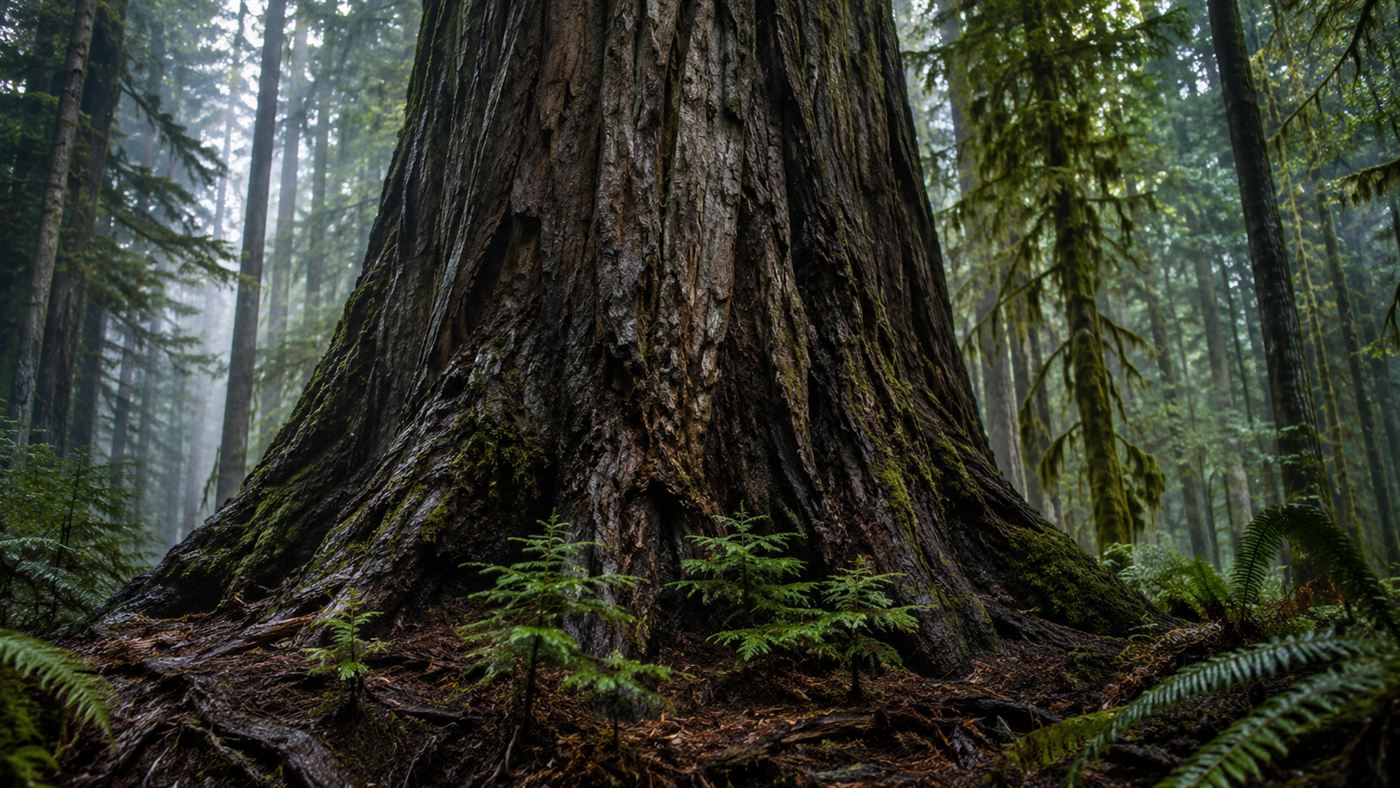
Suzanne Simard's most powerful idea was the mother tree.
These are the oldest, largest trees in a forest, the ones with the most fungal connections, and she argued they sit at the heart of the mycorrhizal networks, funneling carbon and nutrients to younger seedlings struggling in the shade.
She described mother trees recognizing their own kin, favoring them, and even releasing their stored resources into the network as they die.
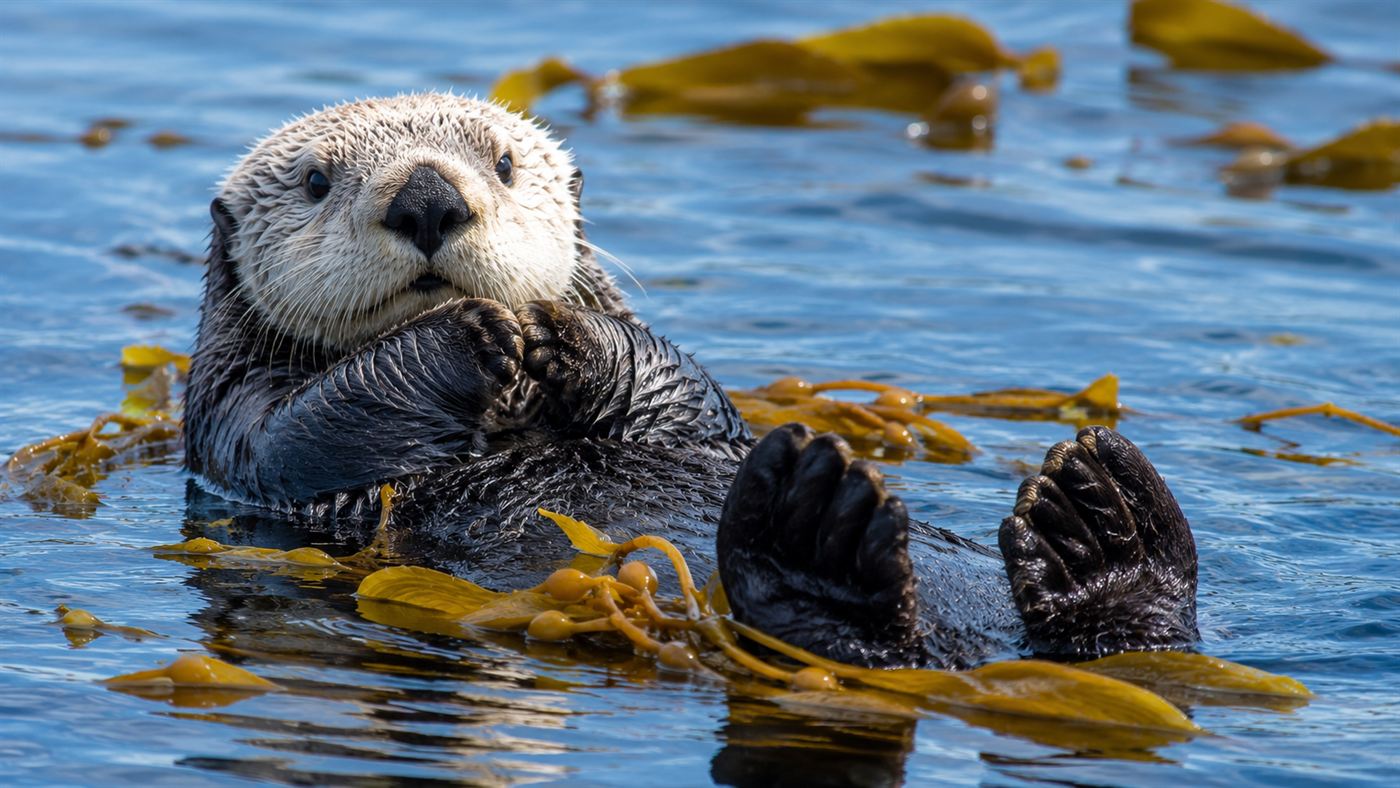
It is the same lesson of hidden interdependence that the return of sea otters taught about kelp forests, where pulling one thread unravels a whole ecosystem.
The vision was irresistible, and it spread far beyond science, shaping the novel The Overstory, the bestseller The Hidden Life of Trees, and Simard's own 2021 memoir Finding the Mother Tree.
The forester the woods establishment ignored
Suzanne Simard did not arrive at any of this with the wind at her back.
She was a woman in the male world of forestry, and for years her findings were waved away or treated as sentimental.
She kept running the experiments anyway, building a career at the University of British Columbia and later launching the long-running Mother Tree Project to test how leaving big trees standing affects a forest's recovery.
Her persistence is a real part of why the wood wide web reached so many people, because she could tell the story as well as she could measure it.
Why did the idea spread so far?
The wood wide web landed at exactly the right moment.
It replaced the cold image of nature as pure competition with something warmer, a forest as a cooperative community that shares and protects its young.
That idea jumped from journals into TED talks, classrooms, documentaries and bestselling books, until tree communication felt like settled fact.
The trouble is that a story this lovely, and the promise of real tree communication, can outrun the careful evidence it is supposed to rest on.
The honest catch
In 2023 three scientists decided to check the foundations.
They reported that there is not enough field evidence to say these mycorrhizal networks are common across forests, that seedlings often do not actually benefit from being plugged in, and that the famous idea of trees sending each other warning signals rested largely on a single greenhouse experiment.
Worse, they found a citation bias, with scientists far more likely to cite the upbeat results, which let the story snowball.
None of this means trees are lonely islands, because resources clearly can move through the soil, and mother trees may yet prove real.
It means the honest answer to whether trees talk is, for now, a careful we are not sure, which is less magical than the wood wide web and far closer to how science actually works.
The wood wide web may end up half true, a real underground web of mycorrhizal networks whose friendlier powers were exaggerated by people who badly wanted forests to be kind.
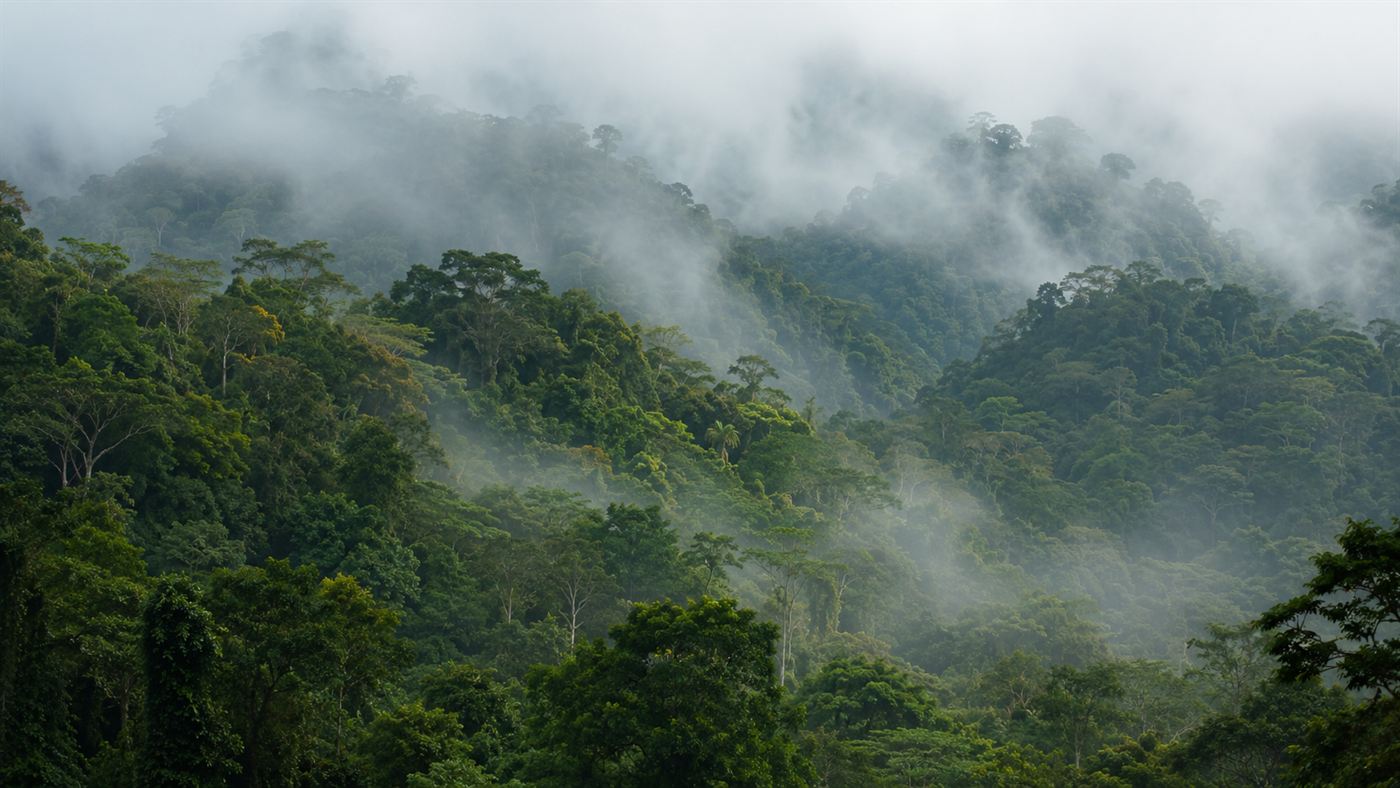
Either way it changed how we look at a forest, even if the science is still catching up to the story, the way it is racing to keep up with the forests we are working to regrow in places like Costa Rica.
Do you think trees really cooperate underground, or did we fall in love with a story because we wanted it to be true? Tell us in the comments.