Willis Carrier did not invent air conditioning to keep people cool, he built it in 1902 to stop humidity from smudging the ink at a Brooklyn printing plant
The machine that lets billions of people ignore the summer was never meant for people at all. air conditioning was born to serve a printing press, solving a dull industrial headache about damp paper. Only later did it quietly rearrange where and how humanity lives.
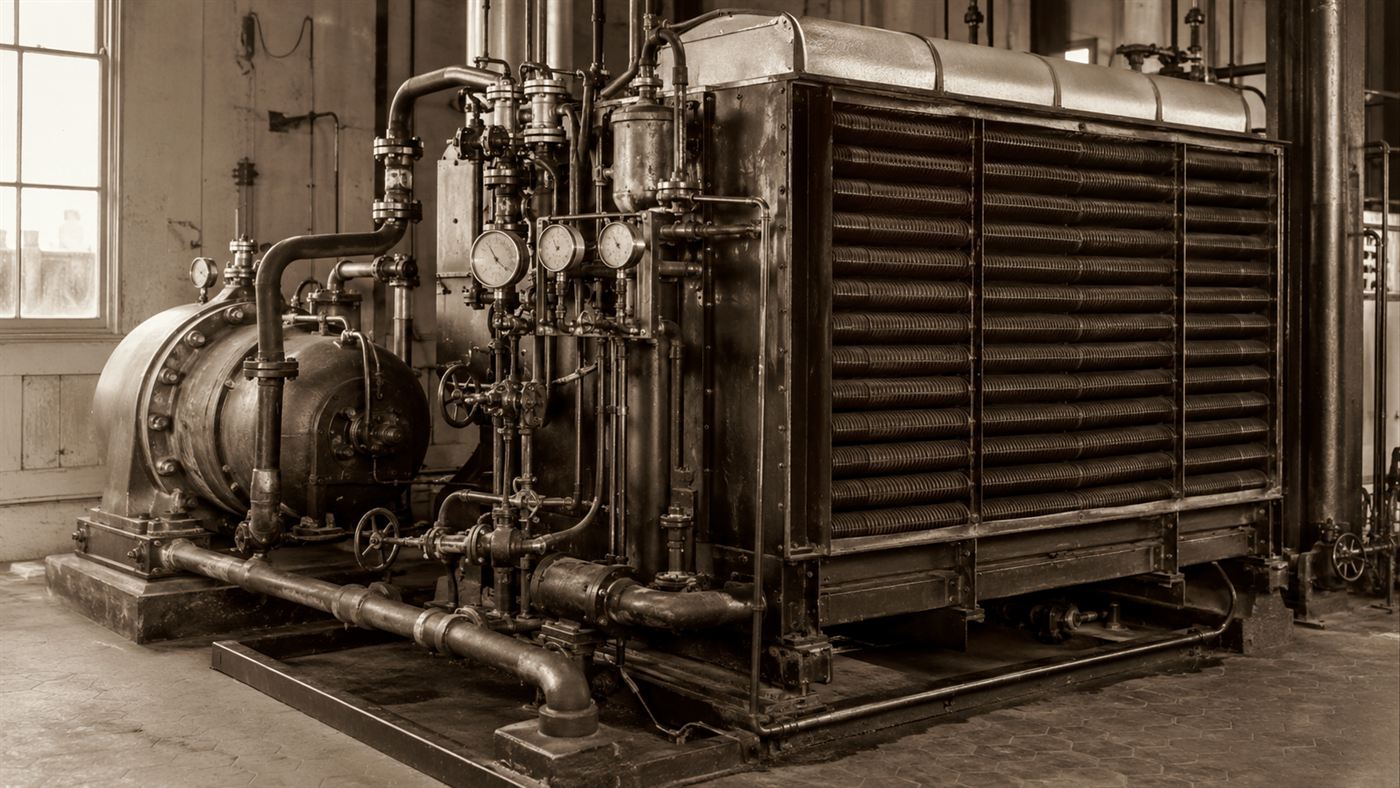
The first modern air conditioning was industrial machinery, built to control humidity. Illustration: Watts & Wild.
It is one of the great accidents of technology. air conditioning, a comfort so basic to modern life that we only notice it when it fails, exists because a young engineer was asked to fix a problem that had nothing to do with human comfort. His answer would go on to reshape the map of the modern world, and few of the people enjoying it have any idea where it came from.
As the US Department of Energy recounts, the first modern air conditioning system was created in 1902 by Willis Carrier to solve a humidity problem, not a heat problem. The cool air we now take for granted was, at the start, a lucky side effect of trying to keep ink where it belonged.
The short version: In 1902, engineer Willis Carrier built the first modern air conditioning system for a Brooklyn printing plant, where humid air was ruining color printing by making the paper swell and shrink. His machine controlled humidity, and comfort cooling followed. Air conditioning went on to enable skyscrapers, fuel the Sun Belt boom, and become a major, growing strain on the climate.
The problem was paper, not people
The trouble was at the Sackett and Wilhelms printing plant in Brooklyn, New York. High-quality color printing works by running the same sheet through the press several times, once for each color, and the colors have to line up perfectly. In the muggy heat of a New York summer, the paper kept betraying them. Paper absorbs moisture from the air, and as the humidity rose and fell, the sheets swelled and shrank just enough to knock the colors out of alignment and ruin the job.
What the printers needed was not cooler air but drier, steadier air. They needed a way to hold the moisture in the room constant so the paper would behave. That is the unglamorous puzzle a young engineer was handed, and in solving it he stumbled into one of the most consequential inventions of the twentieth century.
A young engineer's fix
Willis Carrier was only in his mid-twenties, working for the Buffalo Forge Company, when the problem landed on his desk. His insight was elegant. If he blew the plant's air across coils chilled with cold water, moisture would condense out of the air onto the cold metal, exactly as water beads on a cold glass, and he could dial the humidity to whatever level the paper needed. As a bonus, the same process cooled the air.
That combination, controlling temperature and humidity together, is what makes his 1902 system the birth of modern air conditioning rather than just a fan or a cooler. Carrier went on to turn the guesswork of humid air into exact engineering, working out the formulas that let anyone design a system to hit a precise target. He had not set out to invent comfort. He had invented a way to command the weather inside a room.
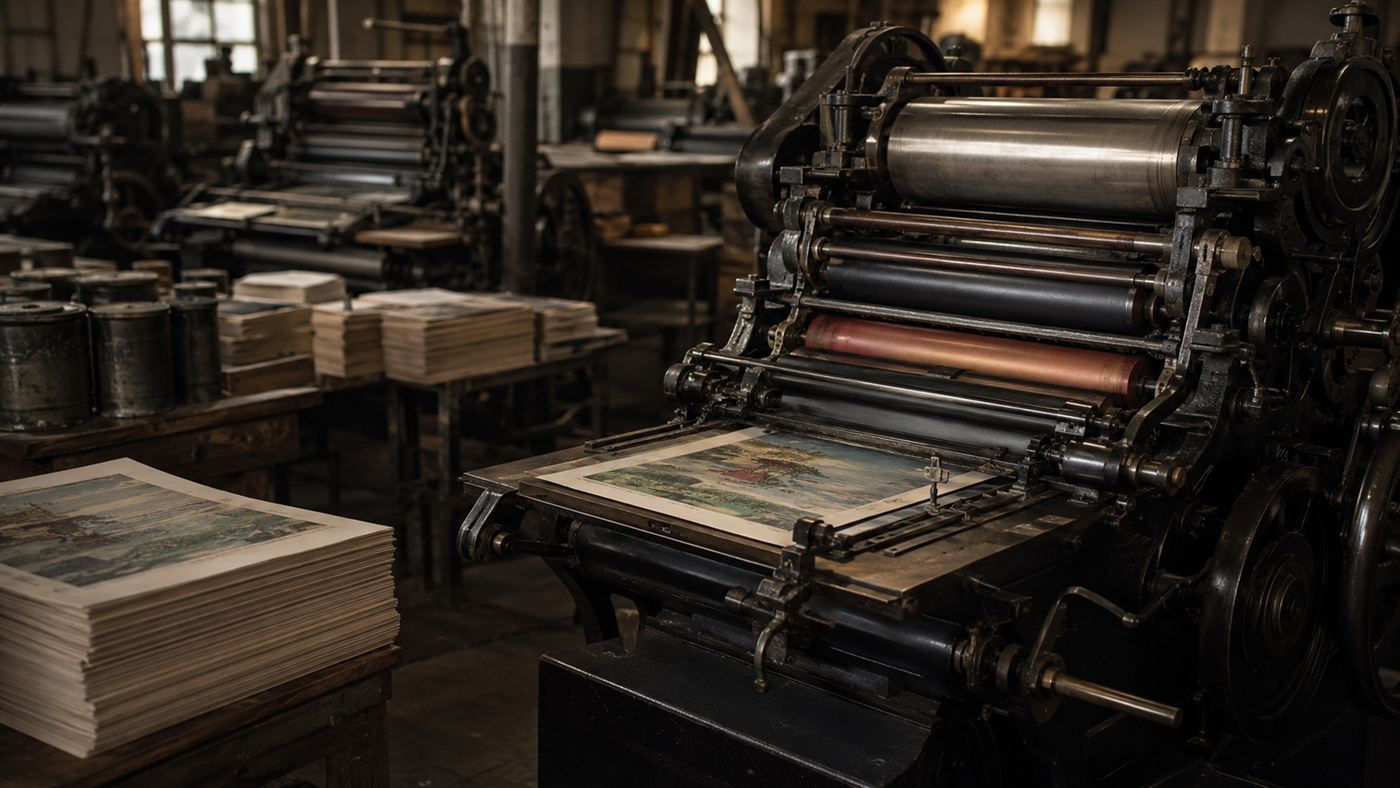
From factories to comfort
For years, air conditioning stayed a tool of industry, keeping textiles, food, medicine and, of course, printing under control. The idea that you might cool a space simply to make people comfortable came later, and it arrived through business. The first places to sell cool air to the public were shops and, most famously, movie theaters.
In the sweltering summers of the 1920s, an air-conditioned cinema was a marvel, and people flocked in as much to escape the heat as to see the film. That is a large part of why the big studios began releasing their splashiest pictures in the hottest months, and why we still talk about the summer blockbuster today. Cool air had become something people would pay for, and once they had tasted it, they wanted it everywhere.
How air conditioning rebuilt the map
The deepest change was geographic. Once buildings could be reliably cooled, whole regions that had been punishingly hot became comfortable places to live and work all year. In the United States, this helped drive the great migration to the Sun Belt, the boom of cities like Phoenix, Houston, Miami and Atlanta, places that swelled from modest towns into major metropolises in a matter of decades.
Air conditioning also changed the buildings themselves, making possible the sealed glass skyscraper and the deep office floor, and later the data centers full of computers that would overheat in minutes without it. A humble fix for smudged printing had, within a lifetime, altered where hundreds of millions of people chose to live and the very shape of the cities they built. Few inventions have quietly moved so many people.
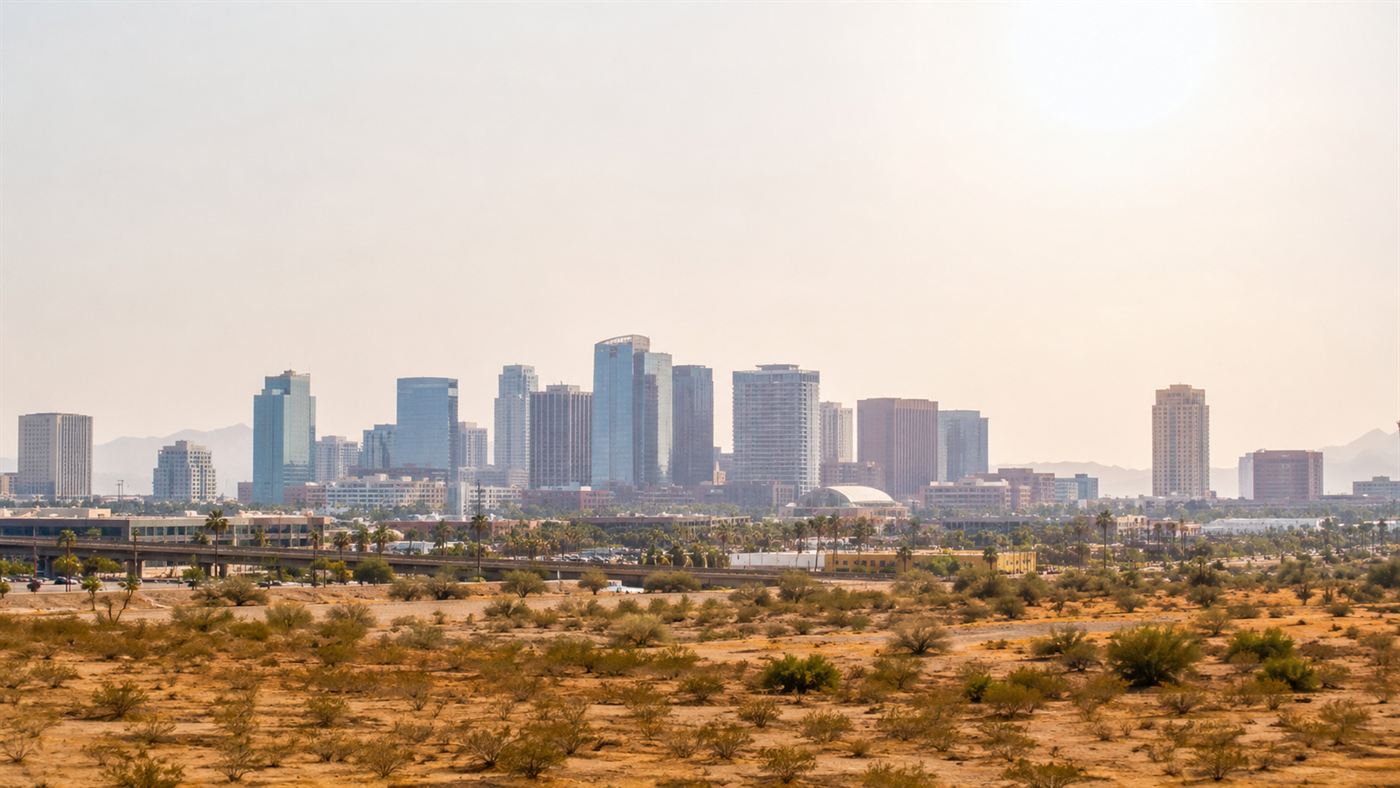
The comfort that changed civilization
It is worth pausing on how strange our situation is. For almost all of human history, people simply endured heat, arranging their lives, buildings and working hours around it. In little more than a century, a large share of humanity has come to expect a controlled, temperate climate indoors at the flick of a switch, in offices, hospitals, homes, cars and stores.
That expectation carries real benefits beyond comfort. Cooling keeps food and medicine from spoiling, protects the vulnerable during deadly heatwaves, and lets hospitals and laboratories function. Air conditioning is not a luxury alone, it has become part of the basic infrastructure of modern survival, which is exactly what makes its hidden costs so hard to deal with.
The honest catch
Two honest points round out the story. First, Carrier did not conjure cooling from nothing. Others had chased artificial cold before him, from ice-making machines to elaborate ventilation, and he built on that groundwork, so the neat image of a single father of air conditioning flattens a longer history.
Second, and more seriously, the machine that beat the heat now helps feed it. Air conditioning is one of the fastest-growing uses of electricity on the planet, and as billions more units switch on in a warming world, they burn power and leak refrigerant gases that themselves trap heat. It is a vicious circle: a hotter climate drives more cooling, and more cooling drives more warming. The comfort Carrier accidentally invented is now something we cannot easily live without, even as it quietly makes the outside world harder to live in. Solving that loop may be one of the defining challenges of the century his humble printing fix helped create.
A fix for smudged ink ended up deciding where millions of people live, and now helps heat the planet. Was air conditioning one of the best inventions of the modern age, or a comfort we grew addicted to before we understood its cost? Tell us what you think in the comments.
Related reading: The ice trade, the earlier business that first taught the world to crave cold.
More from Watts & Wild
More in Science & Tech →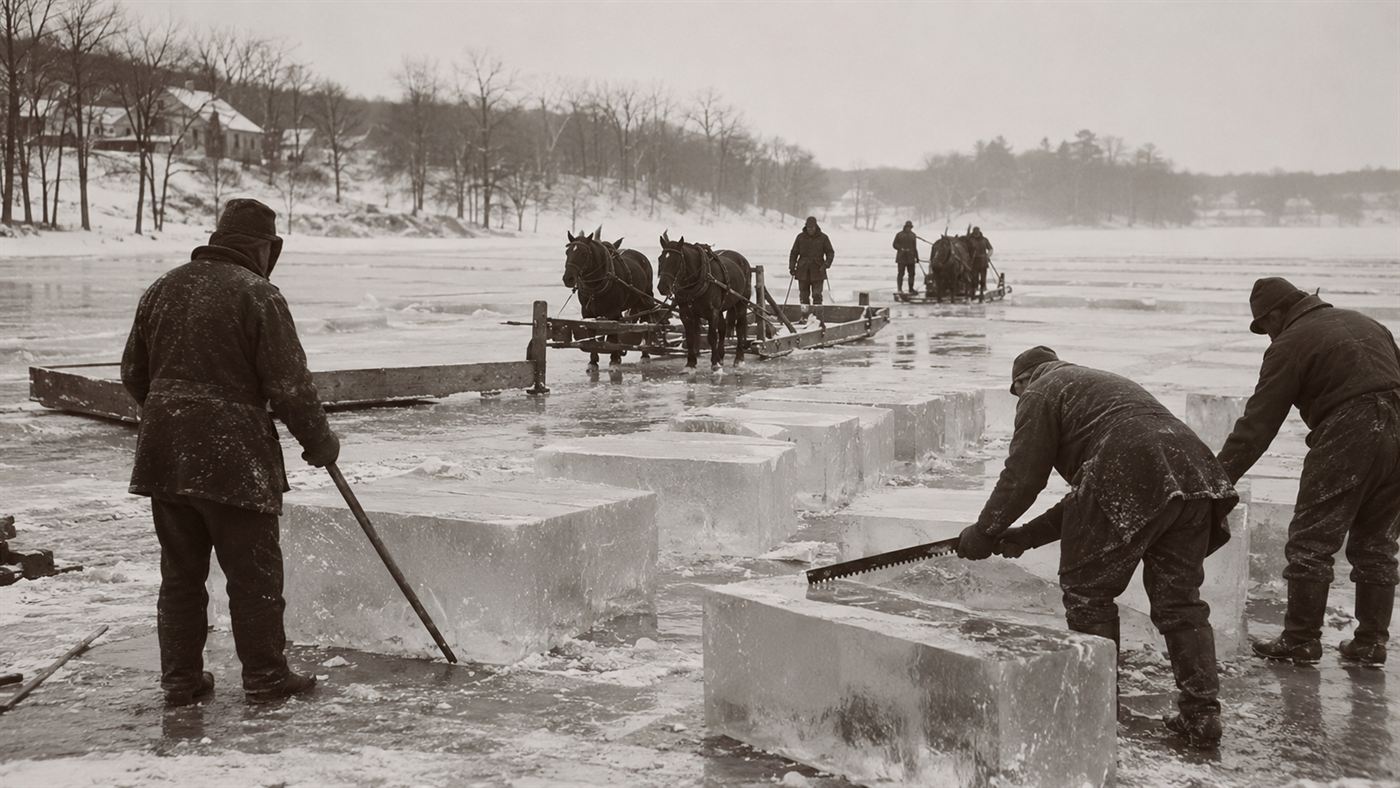


Bruno writes about energy history, industrial disasters, and the people who shaped the technologies we take for granted. He is based in Brazil.