Four hundred suitcases sat forgotten in an asylum attic, each packed by a person who walked in expecting to leave and never did
When a great old mental hospital shut its doors in 1995, workers climbing into a locked attic found hundreds of suitcases, gathering dust. The Willard suitcases had waited there for decades, still packed by people who were told to leave their bags and were never given them back.
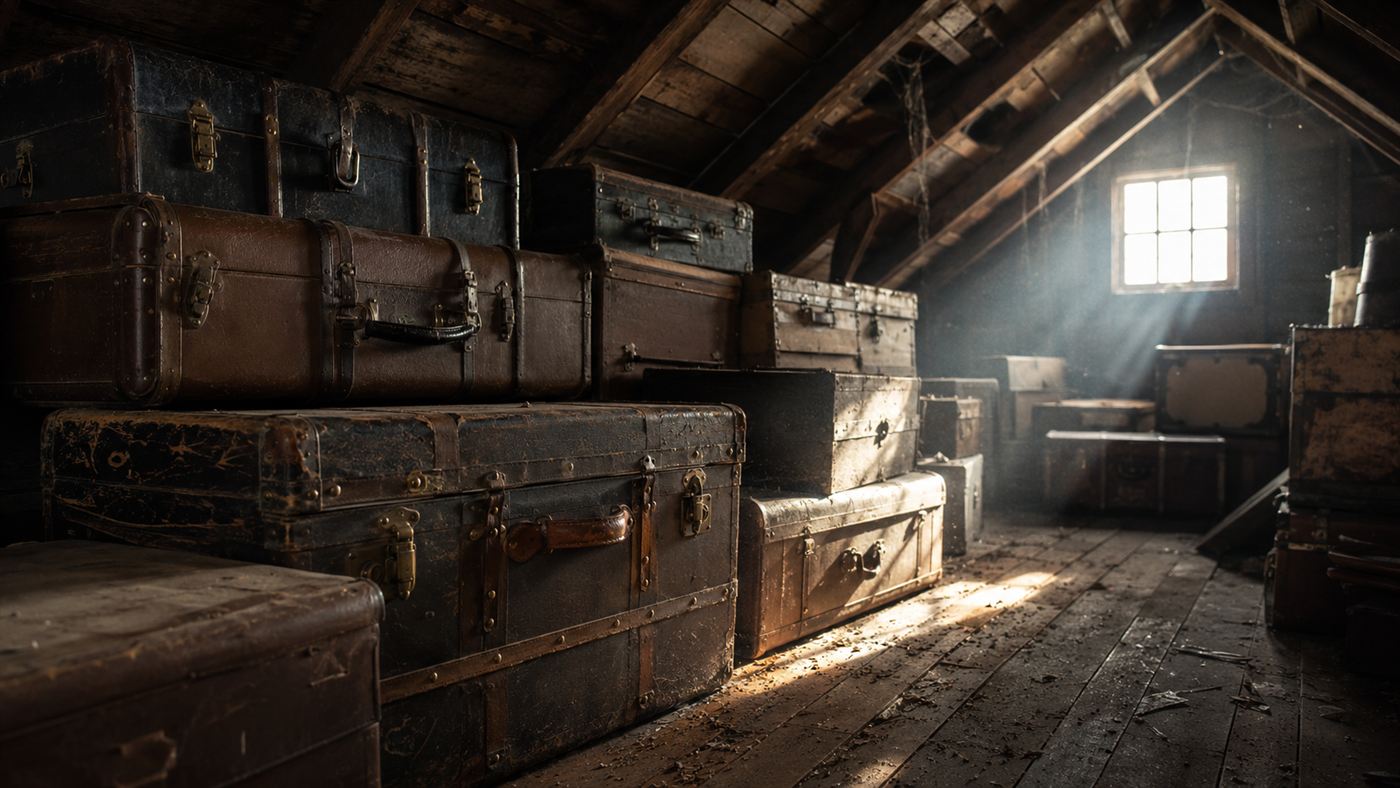
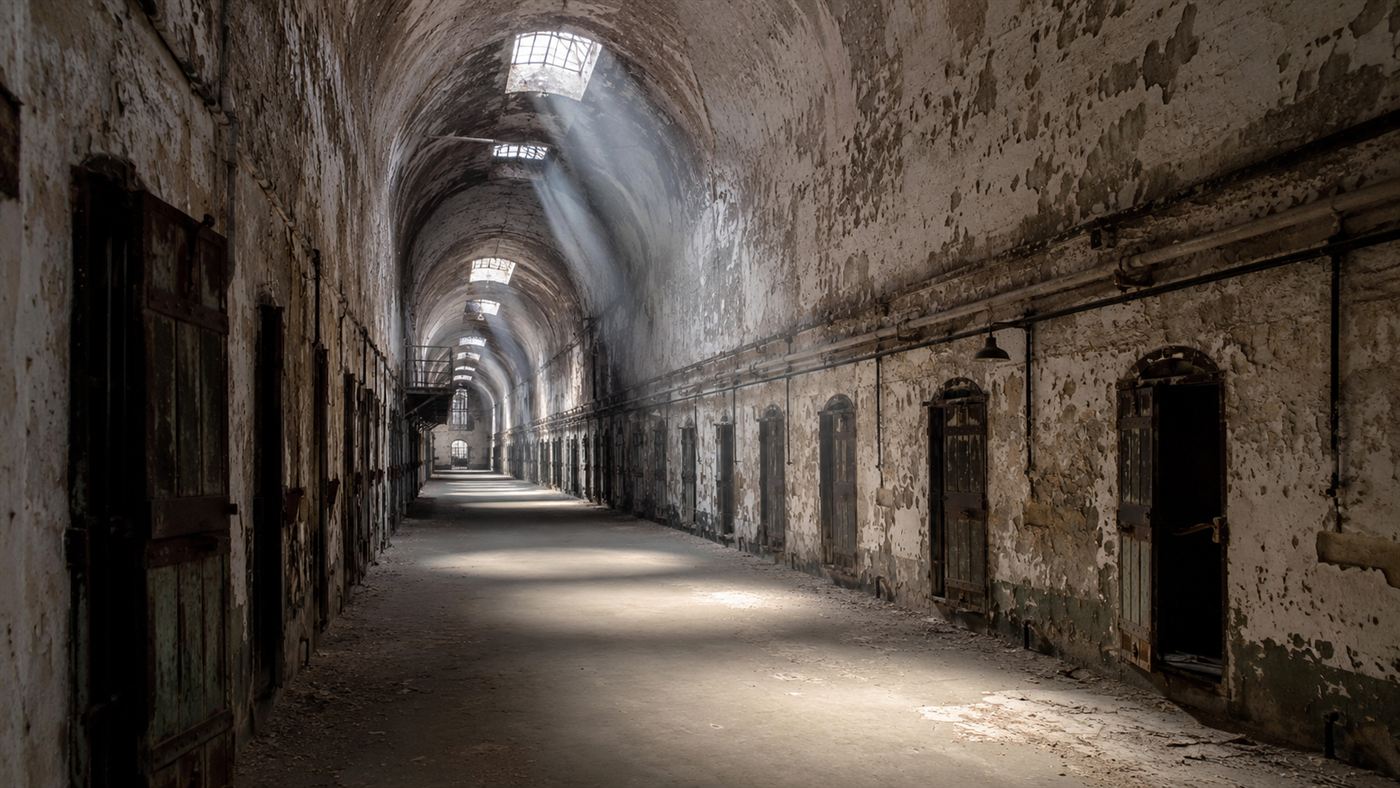
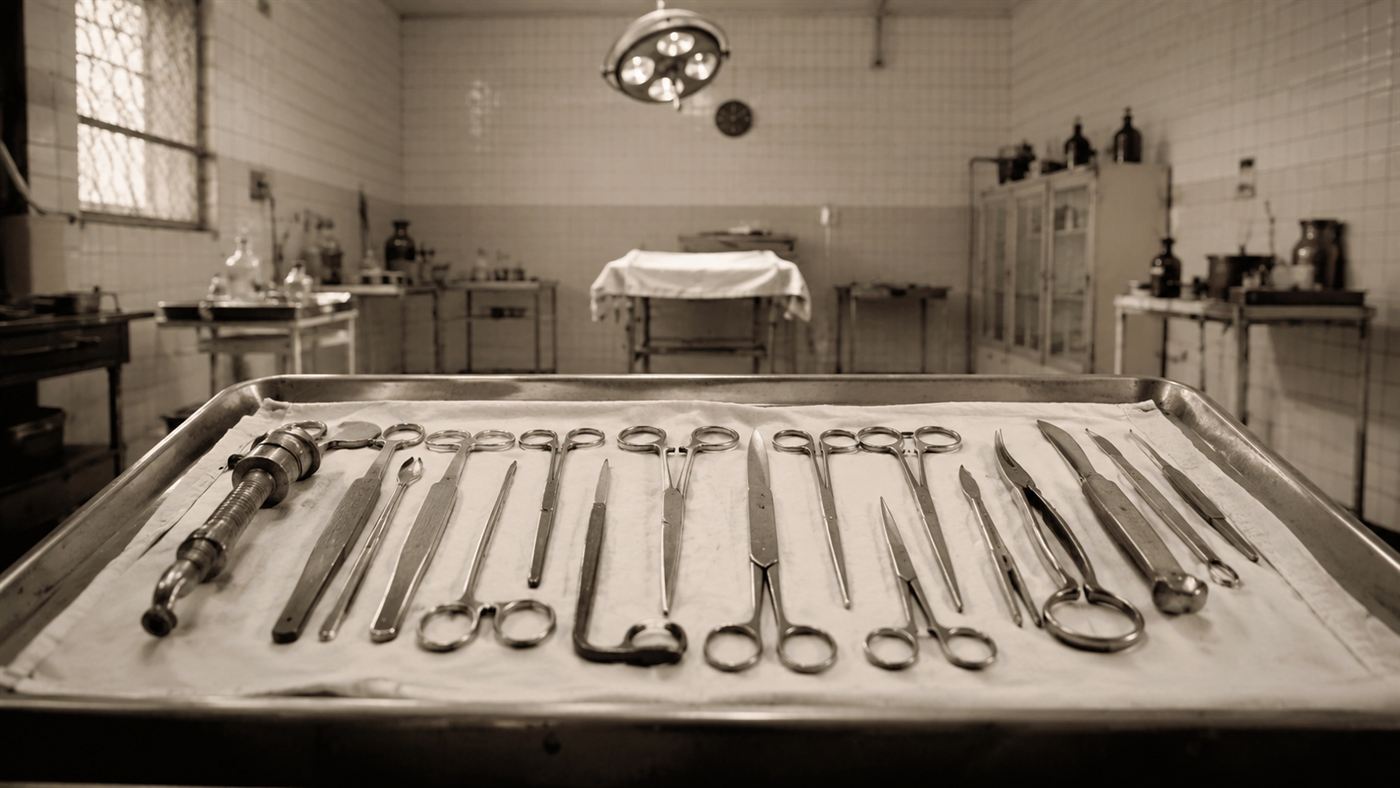
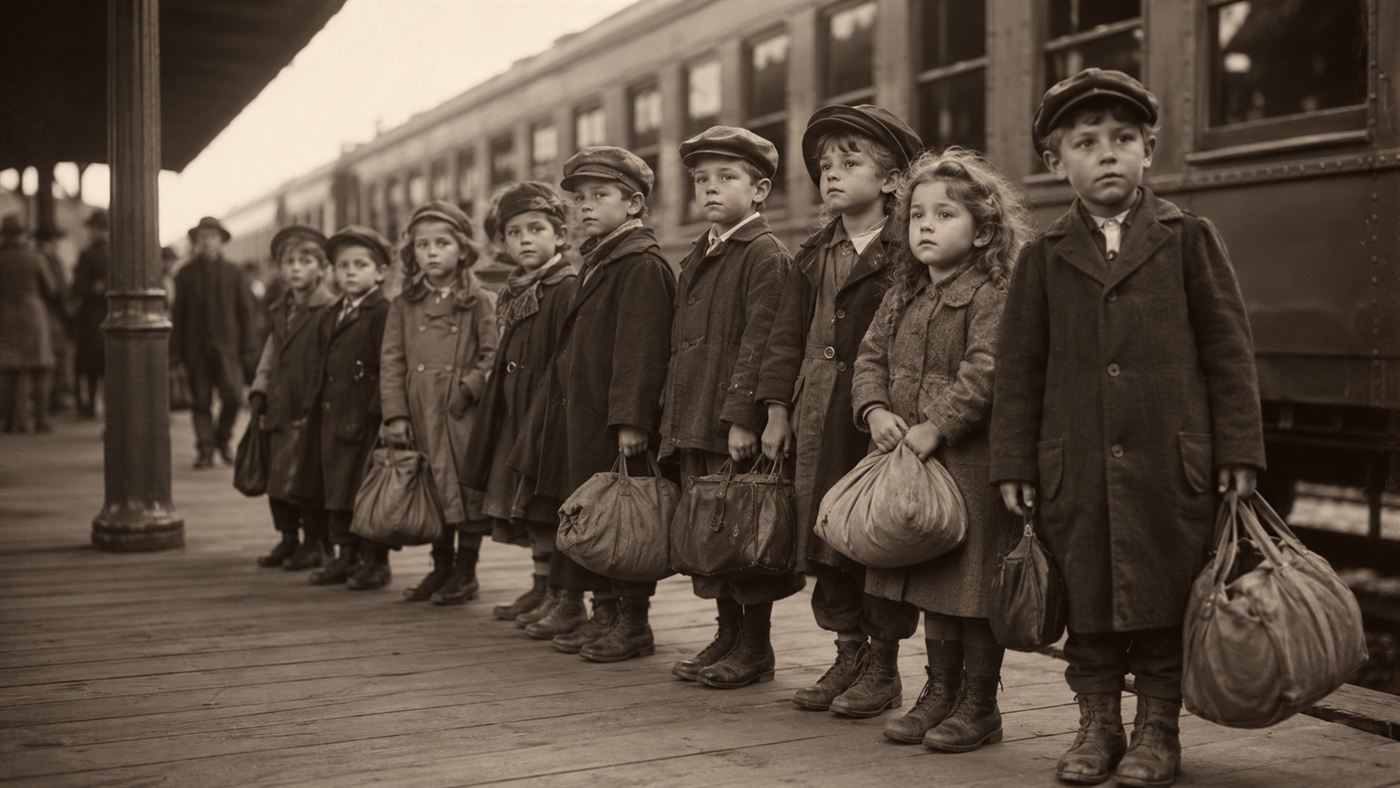
Around 400 packed suitcases waited for decades in the Willard attic. Illustration: Watts & Wild.
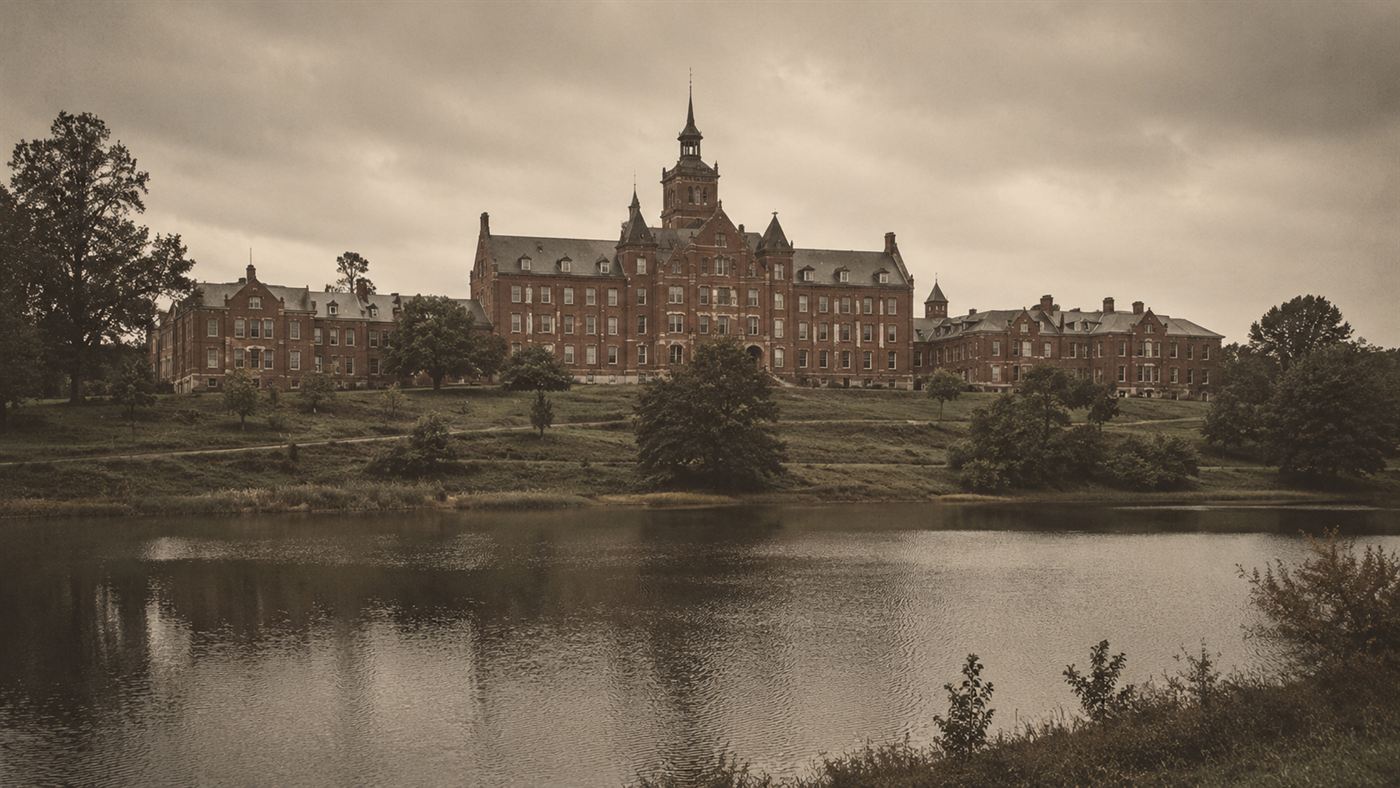
On the shore of Seneca Lake in upstate New York stood Willard State Hospital, a vast asylum that opened in 1869 and took in the chronically mentally ill for well over a century. Tens of thousands of people passed through its wards, and a great many of them never left, living out their days there and being buried nearby, most under numbered markers with no names.
When Willard State Hospital finally closed in 1995, a staff member and a state museum curator went through the emptying buildings, and in the attic of one they made an extraordinary discovery. Stacked in the dust were around four hundred suitcases and trunks, each one the luggage a patient had arrived with, taken away on admission and never returned.
The short version is that those forgotten bags turned out to be the last honest record of the people who owned them, and opening them gave back a little of what the institution had taken away: their names, their faces and their lives.
What the Willard suitcases held
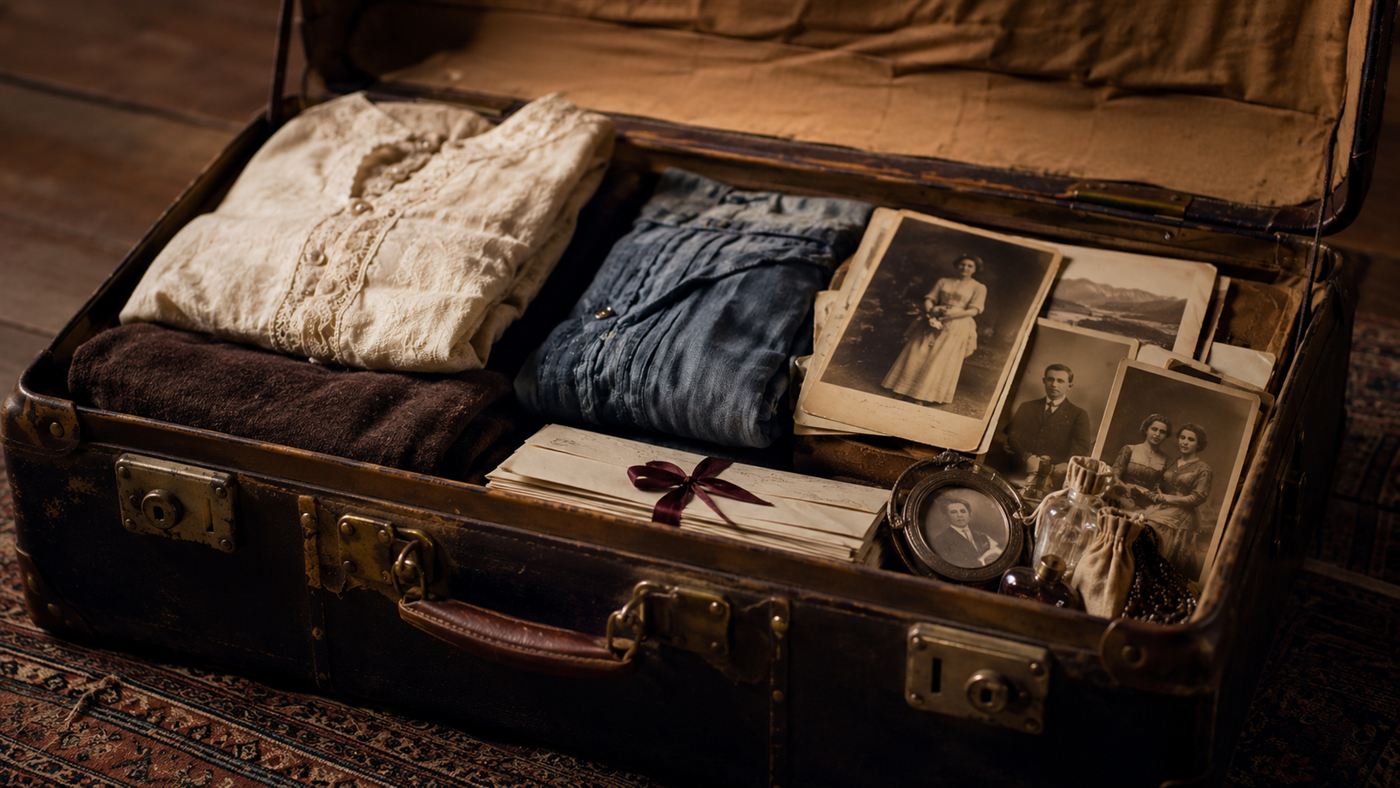
Inside were not the props of madness but the ordinary treasures of ordinary lives. There were photographs of families and sweethearts, letters and postcards, Sunday clothes carefully folded, books, sewing kits, military uniforms, the tools of trades, and small keepsakes people carry because they matter. Each case was a self-portrait, packed by someone who plainly expected to come back for it.
That is what makes the belongings so devastating. These were the things a person chose to bring into a new and frightening place, the pieces of themselves they wanted to keep, and they sat in an attic for decades while their owners were reduced, on paper, to a diagnosis and a bed number.
The people the records erased
When researchers used the suitcases to trace who these patients had been, the case files told one story and the luggage told another. The official records described symptoms and confinement, but the bags described whole human beings, an immigrant who had crossed an ocean, a veteran, a dressmaker, people with skills, families and pasts.
Some, by the standards of their own time or ours, may not have belonged in an asylum at all, swept up by a broad and unforgiving system. Others were genuinely, seriously ill in an age that had little to offer them but a locked ward. Either way, what the belongings restore is not innocence but personhood, the simple fact that each number in the ledger had once been a somebody.
Why were the suitcases kept at all?
That is one of the quiet mysteries. When a new patient arrived, their bag was taken and stored, in theory to be returned when they were discharged, and for most of these people that day simply never came. Rather than throw the luggage out, someone, over the years, kept carrying it up to the attic and leaving it there.
So the suitcases survived less by design than by a kind of institutional inertia, a reluctance to discard the last property of the dead. It is a fragile thread. Had a tidier administrator ordered the attic cleared at any point, these four hundred lives would have gone into a landfill, and no one would ever have known what was lost.
What the belongings gave back
The rediscovered cases became a book and a travelling exhibition, and something rare happened: strangers stood before the belongings of long-dead asylum patients and saw not inmates but people like themselves. A folded dress or a bundle of letters did what no clinical file ever could, and made the forgotten feel present again.
For a group whose whole existence had been defined by their removal from society, that was a kind of quiet justice. The system had spent decades turning them into records; their own suitcases, opened at last, turned them back into human beings with stories worth telling.
The honest catch
It is easy to let a discovery like this become simply beautiful and sad, and that is a trap. The Willard suitcases are genuinely moving, but if we stop at being moved, we risk turning real suffering into a poignant display and missing the harder point underneath. These were not curios; they were the property of people the country locked away and forgot.
And the neat conclusion, that these were sane people wrongly imprisoned, is too simple to be honest. Some were, many were not, and the deeper wrong was not only who was confined but how completely everyone inside was erased, ill or not, name and history and future all filed away together. The suitcases matter most not as lovely relics but as evidence, a reminder that behind every institution's tidy numbers are people, and that we came within one attic clear-out of never hearing from these ones at all.
Four hundred people were nearly lost to history, saved only by the luggage no one threw away. What would a stranger learn about your whole life from a single suitcase you once packed? Tell us what you think in the comments.
Related reading: Eastern State Penitentiary, another institution that erased the people inside. See also the lobotomy, a cure that hollowed out the patients it promised to help, and the orphan trains that scattered a quarter of a million children.