The scientists who starved to death surrounded by food
In the frozen, starving city of Leningrad, a handful of botanists sat guarding rooms full of rice, peas, nuts and grain while people died of hunger in the streets outside, and they refused to eat a single seed. Some of them starved to death at their desks, food within arm's reach. They were protecting something they believed mattered more than their own lives. The Vavilov seed bank was the future of food itself.
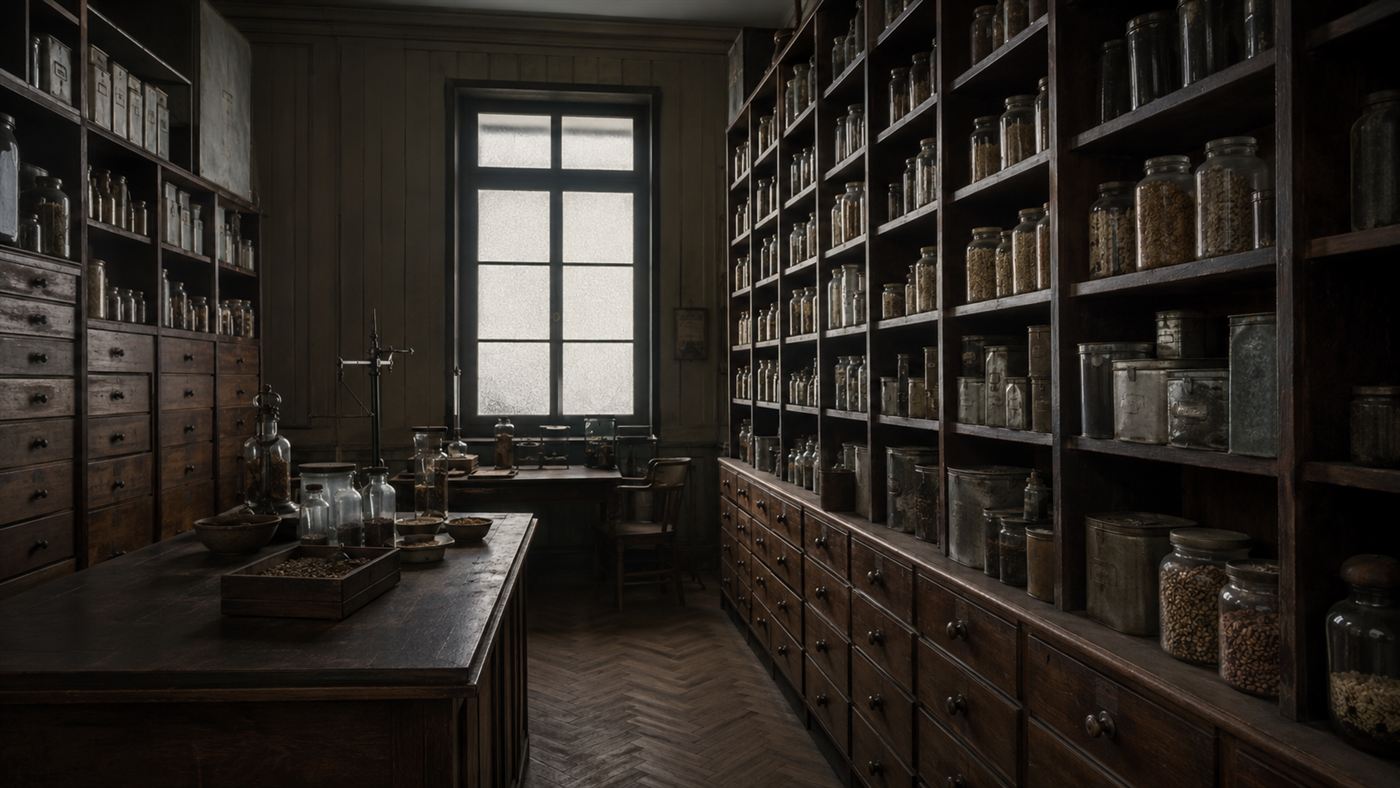
Drawers of seeds the keepers guarded with their lives. Illustration: Watts & Wild.
It is one of the most quietly heroic stories of the twentieth century, and it begins with a simple, enormous idea: that the way to defeat famine forever was to save the world's seeds. The man who chased that idea built the first great seed bank on Earth, and then watched, from a prison cell, as his own life ended in the very hunger he had devoted himself to ending.
His name was Nikolai Vavilov, and both his triumph and his tragedy turned on the same handful of seeds.
The man who wanted to end hunger
Vavilov was a brilliant Soviet botanist who became obsessed with the origins of the plants humanity eats. He led expeditions across five continents, gathering around 250,000 samples of seeds, roots and fruit, and built them into the world's first global seed bank in Leningrad.
His dream was practical as much as scientific. By preserving the wild and forgotten varieties of crops, with their hidden resistance to drought, cold and disease, he believed he could breed hardier plants and put an end to the famines that had haunted Russia for centuries. The collection held thousands of kinds of potato, hundreds of types of apple, grains from every corner of the planet. It was, in effect, a living library of human survival.
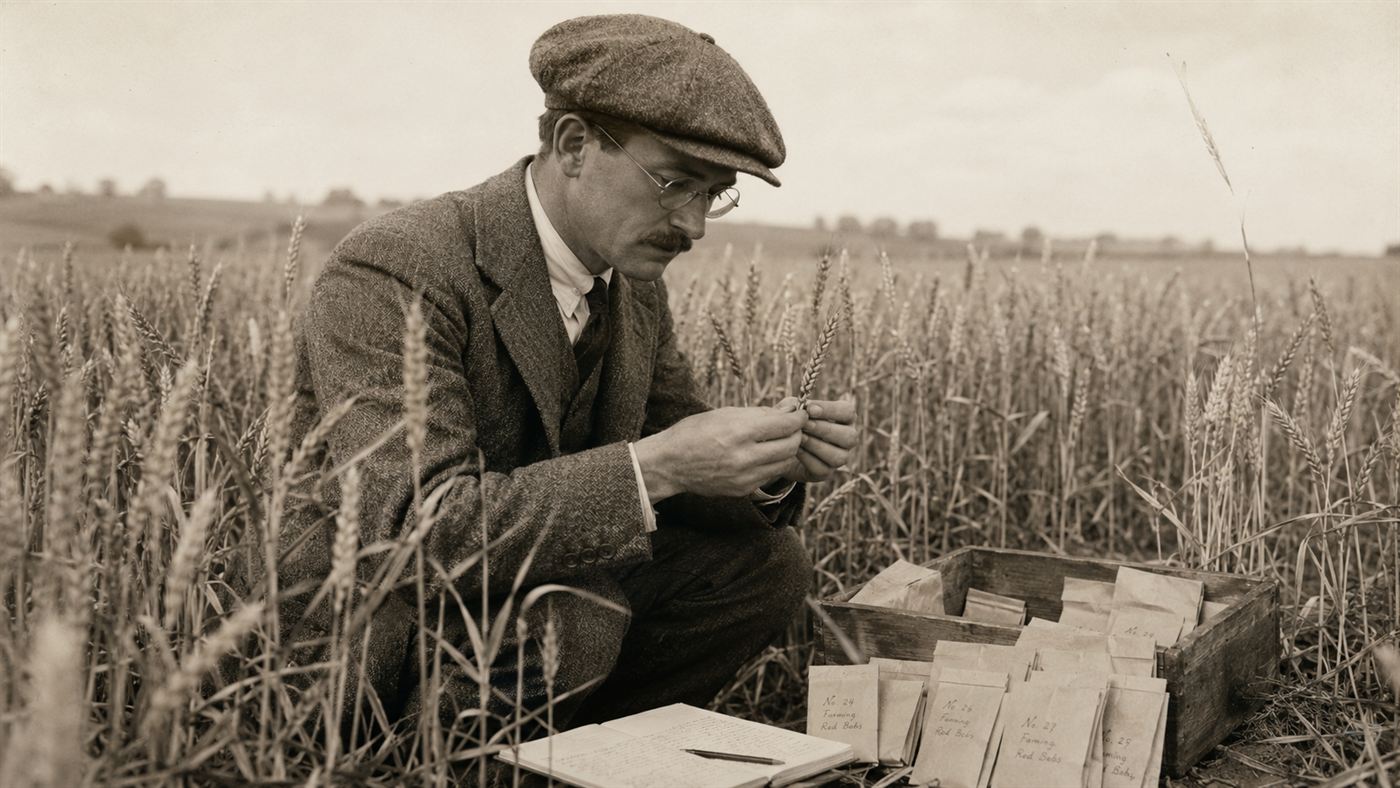
How the Vavilov seed bank survived the siege
Then came the war. In 1941 German forces encircled Leningrad and held it under siege for almost 900 days, one of the deadliest blockades in history, in which hundreds of thousands of civilians starved or froze to death. Inside the institute, a small group of scientists set themselves an almost unbearable task: to keep the entire seed collection alive through the famine, without touching it.
They sealed and hid the most precious samples, fought off the rats that came for the grain by taking turns through the night with metal rods, and battled the cold that threatened to kill the living plants. All the while they themselves were wasting away on rations that, by the worst of the winter, were little more than a couple of slices of bread cut with sawdust. The temptation in those rooms must have been almost beyond imagining.
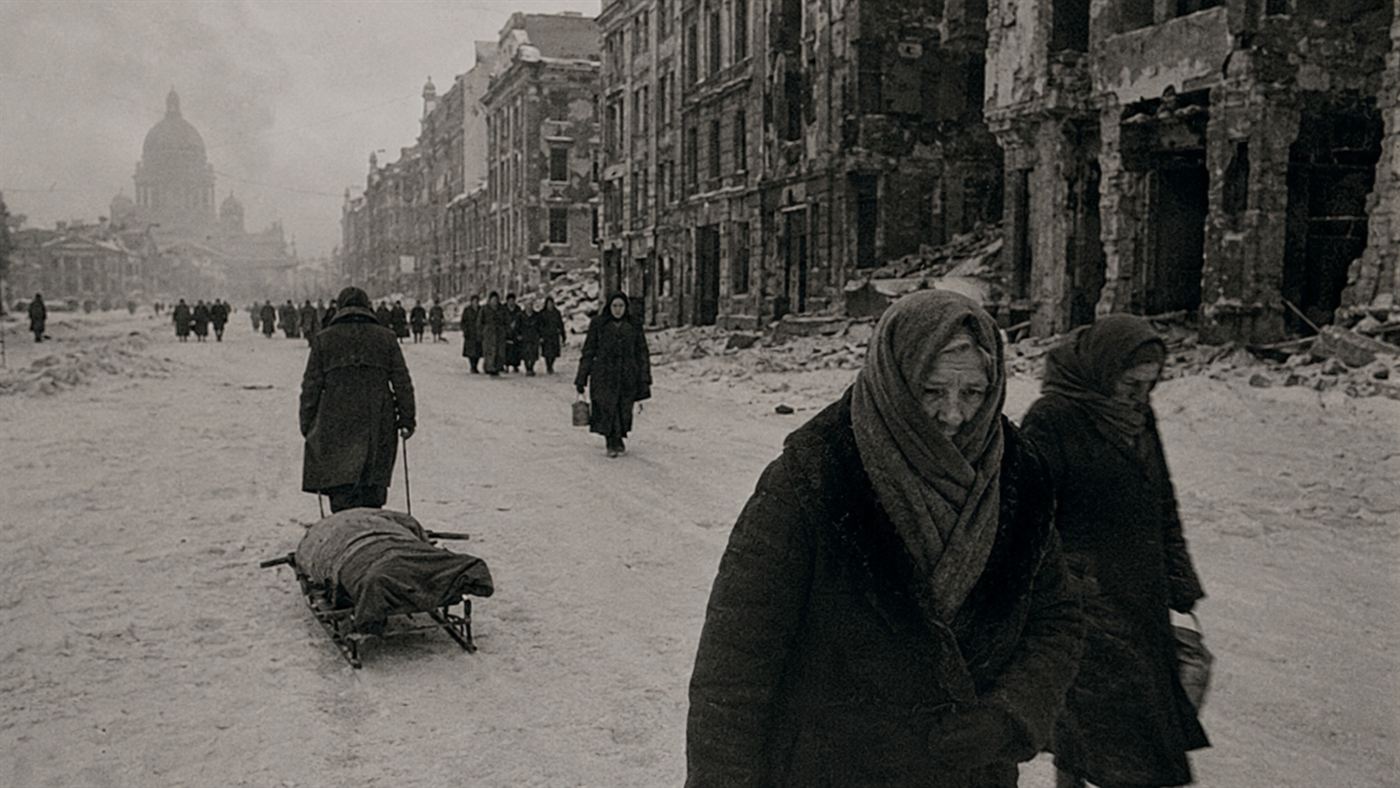
Starving among the seeds
And they did not give in. Several of the seed bank's keepers starved to death rather than eat the collection, including the man in charge of the rice, who is said to have died surrounded by sacks of it.
Around nine of the institute's scientists are believed to have died of hunger at their posts, guarding peanuts, oats, wheat and rice they could so easily have eaten. To them, the seeds were not food for one desperate winter but the seed corn of whole nations, the means to rebuild agriculture once the war was over. Eating them would have bought a few more days of life at the cost of harvests that might one day feed millions. They chose the harvests. It is hard to think of a purer act of faith in the future.
The cruelest irony
The bitterest part of the story is what happened to Vavilov himself. While his life's work lay besieged in Leningrad, the great enemy of famine was dying of starvation in one of Stalin's prisons.
Vavilov had fallen foul of Trofim Lysenko, a politically favoured charlatan who rejected real genetics, and in 1940 he was arrested and sentenced to twenty years. Neglected, ill and starving, he died in a prison in Saratov in January 1943, the man who had tried to feed the world killed by the hunger he fought. It is worth saying that some details of the siege have been retold over the years with a storyteller's polish, but the core is solid and documented: the collection survived, its keepers paid for it with their lives, and their idea lived on. Today's great seed vaults, including the famous one buried in the Arctic at Svalbard, are descendants of what those starving botanists refused to eat.
What was the Vavilov seed bank?
It was the first of its kind. The Vavilov seed bank was the world's first global collection of crop seeds, gathered by Nikolai Vavilov to preserve the genetic diversity of the plants we eat and to breed crops that could withstand famine.
Its purpose was to be an insurance policy for humanity's food supply, holding the rare and wild varieties that ordinary farming was steadily wiping out. That mission is more urgent now than ever, as climate change and disease threaten the narrow range of crops the modern world depends on. Vavilov saw the danger a century early, and built the first ark against it.
Why did the scientists not eat the seeds?
Because the seeds were meant to outlast them. The botanists believed the collection was irreplaceable, a resource that could rebuild farming for entire countries after the war, and decided it was worth more than their own survival through one terrible winter.
It is a decision almost impossible to fully understand from the comfort of a full stomach, and yet it is exactly what gives the story its power. Faced with a choice between their own lives and a future they would never see, a roomful of ordinary scientists chose the future. Every seed in every vault on Earth today is, in a sense, a thank-you note they never got to read.
A handful of starving people guarded the seeds of the whole world rather than save themselves. What would you be willing to protect, even at the cost of everything, for people you will never meet? Tell us what you think in the comments.
Related reading: Wojtek, the orphaned bear enlisted as a soldier who marched to war with exiled Polish troops.