In 1982 seven people near Chicago died from cyanide hidden in Tylenol capsules, and the terror of it is the reason every pill bottle and food jar you own now comes sealed shut
It began with a twelve-year-old girl taking something for a cold. Within days seven people were dead, an entire nation was afraid to open its medicine cabinet, and a household painkiller had become an instrument of murder. The crime was never solved, but it quietly rebuilt the way we package almost everything.
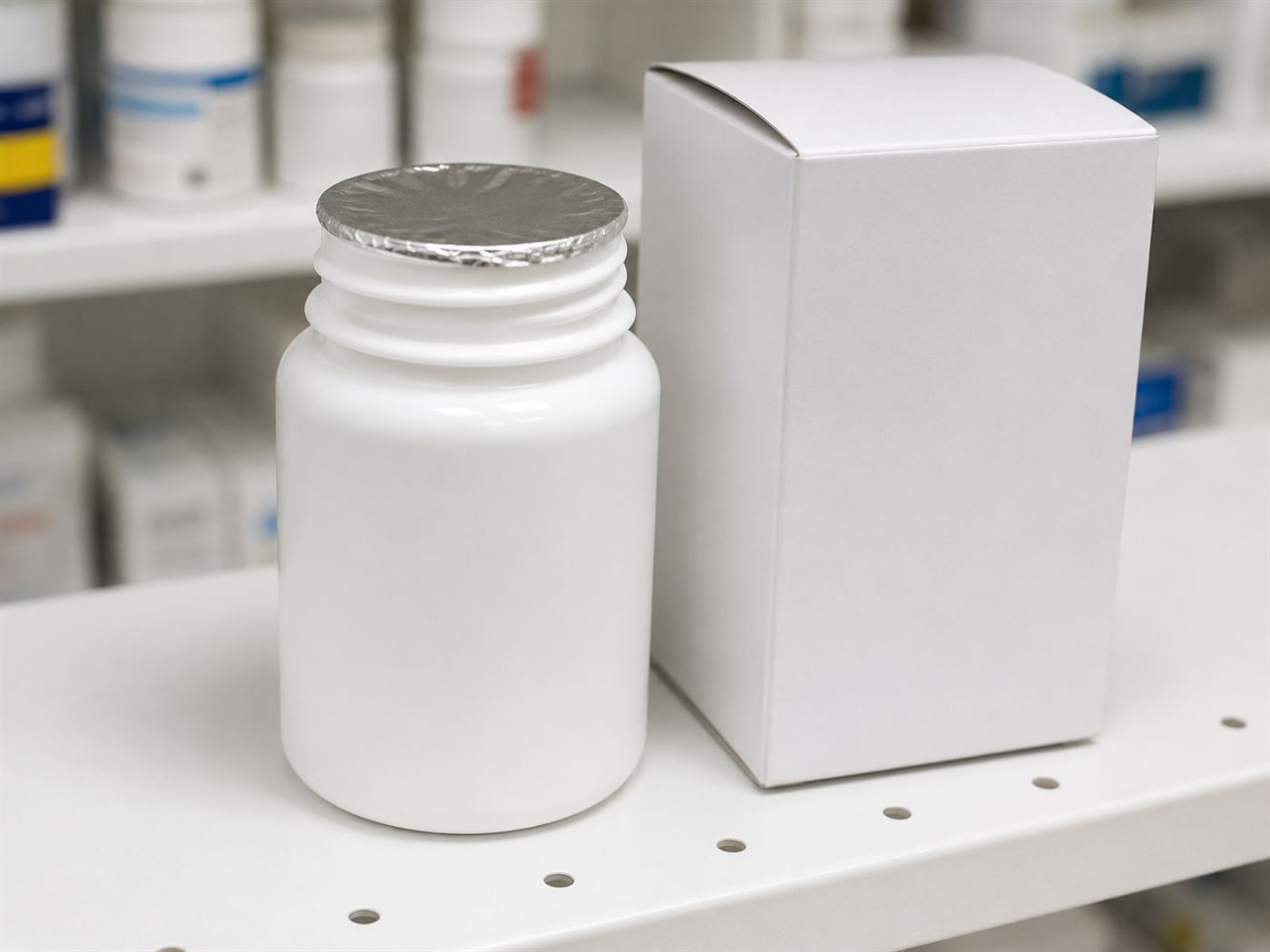
The foil seal you break without thinking was born out of tragedy. Illustration: Watts & Wild.
On the morning of 29 September 1982, a girl in the suburbs of Chicago woke with a cold, took a capsule of Extra-Strength Tylenol, and collapsed. She died that same day. Over the following days six more people in the area died suddenly and without explanation, healthy one moment and gone the next.
Investigators made the chilling connection quickly. Each of the dead had swallowed Tylenol capsules, and those capsules had been emptied and refilled with a lethal dose of potassium cyanide. Someone had taken bottles from shop shelves, poisoned them, and put them back for strangers to buy.
The short version is that an ordinary product on an ordinary shelf turned into a weapon, at random, against anyone who reached for it. The Tylenol murders terrified the country precisely because there was no way to know which bottle was safe.
Seven deaths in a single week
The victims had nothing in common but the medicine. There was the young girl, and a grieving family who lost three members in a matter of days, two of them after unknowingly taking capsules from the very bottle that had killed the first. A flight attendant, filmed by a drugstore camera buying her fatal bottle, was among the others.
Because the tainted bottles traced back to different factories, investigators realised the poison had not been added in production; this was product tampering out in the stores, in and around Chicago. That meant no recall of a single batch could make people safe, and it meant the killer had walked the same aisles as everyone else.
Why the Tylenol murders changed every medicine cabinet
The maker of Tylenol, Johnson & Johnson, faced a decision that is now studied in business schools everywhere. Rather than downplay the danger, the company went public with urgent warnings, stopped making and advertising the product, and pulled about 31 million bottles from shelves nationwide, a recall worth around 100 million dollars at the time.
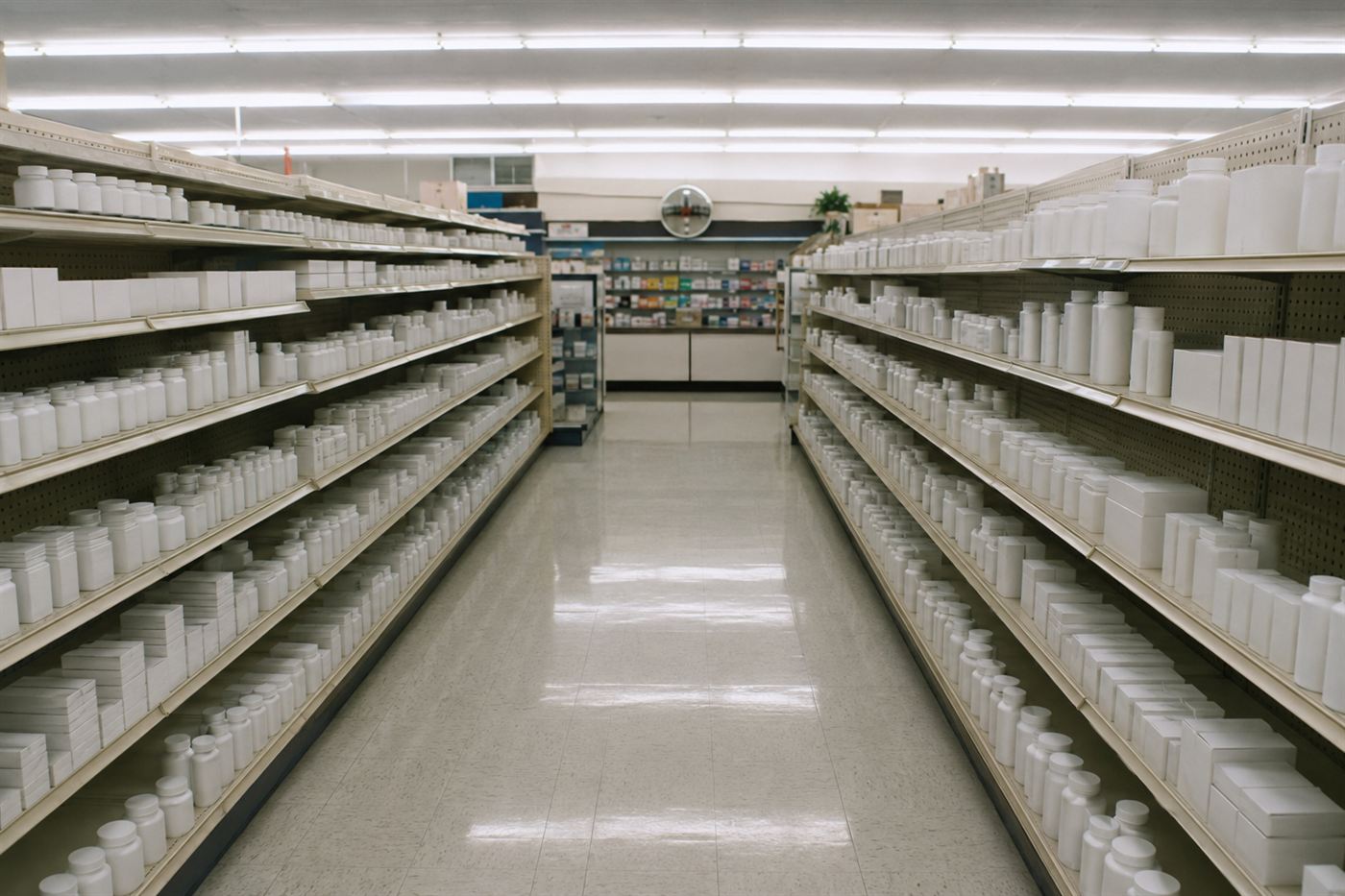
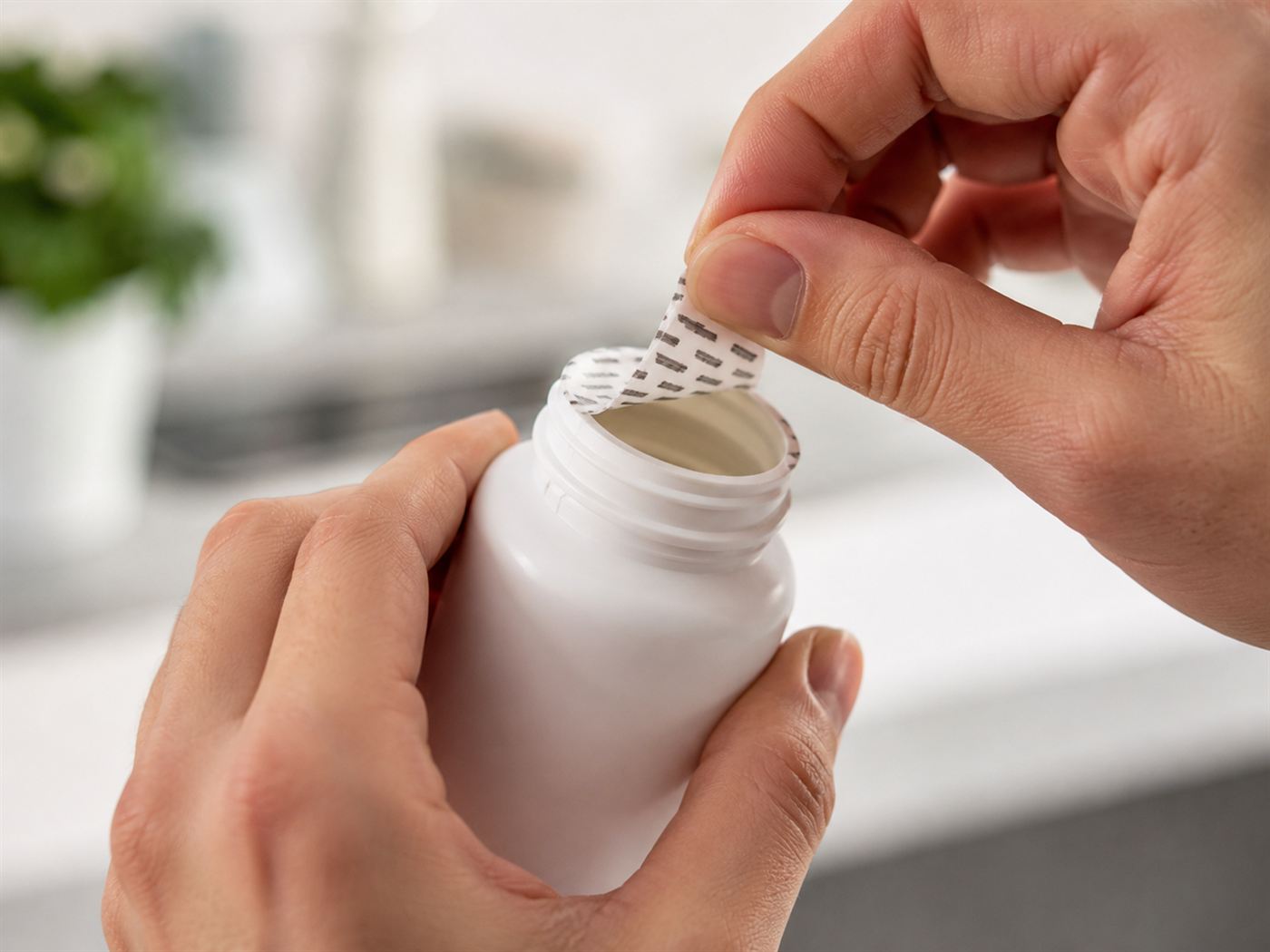
Then came the part that outlasted the panic. When Tylenol returned to sale, it arrived in packaging designed to show if it had ever been opened: a glued box, a foil seal and a plastic band around the cap. The Tylenol murders had made the old, easily opened bottle unthinkable, and the sealed one took its place.
The seals that spread to everything
The reach of the Tylenol murders went far beyond one brand. Within weeks the government moved, and by the end of 1982 regulators had ordered tamper-evident packaging for over-the-counter medicines. In 1983 product tampering became a federal crime.
The habit spread outward until it touched nearly every shelf. The foil under a jar lid, the shrink band on a drink, the little pop-up button on a food cap, the printed seal you tear off a bottle of pills, all of it descends from that autumn in Chicago. The capsule itself, so easy to pull apart and refill, was largely replaced by solid caplets that resist the same trick.
Were the Tylenol murders ever solved?
For all the change they caused, the killings themselves were never pinned on anyone. A man was convicted of mailing a letter that demanded a million dollars to make the deaths stop, and he served time for extortion, but he was never charged with the murders and insisted he was not the poisoner.
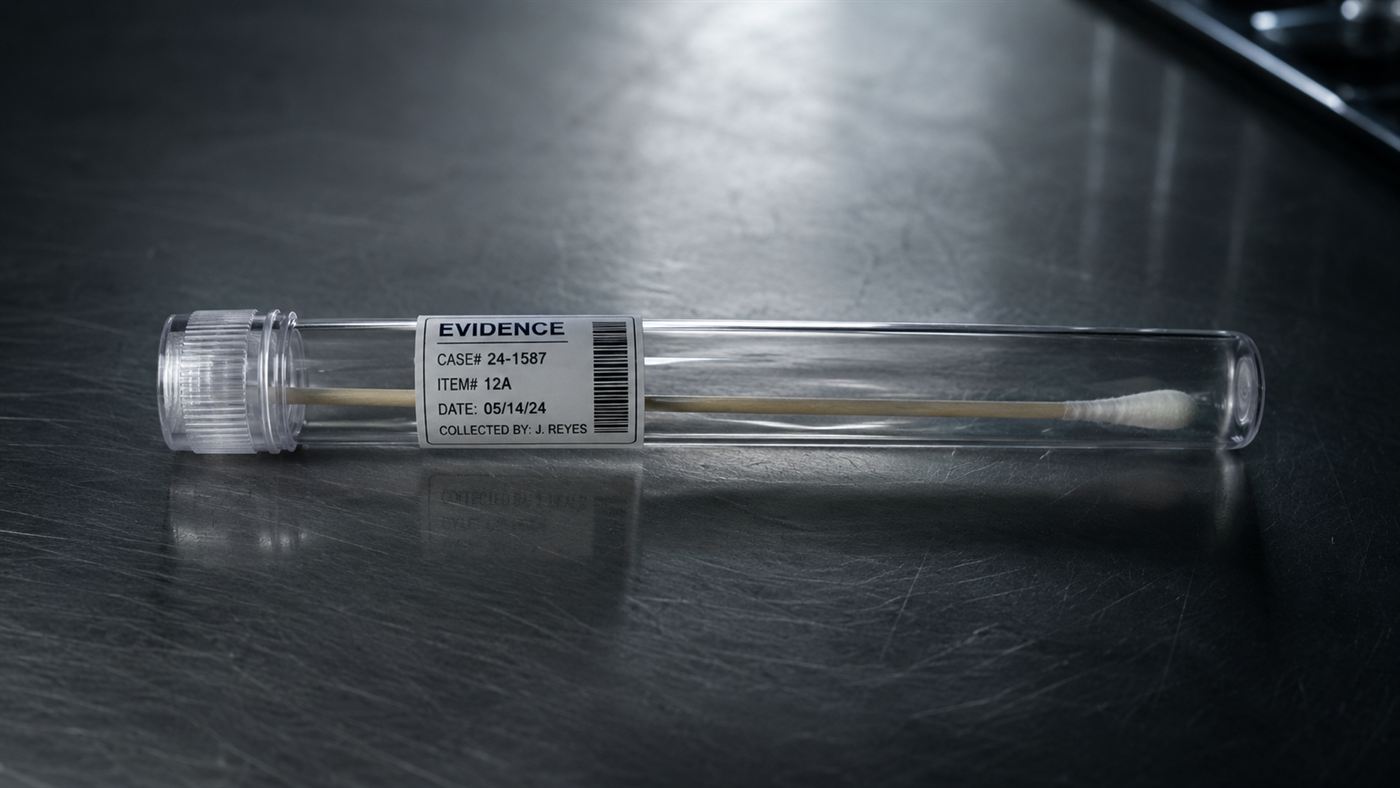
Investigators reopened the files decades later, collected DNA and chased old leads, yet no charge for the deaths ever followed. The prime suspect died in 2023 without being tried. More than forty years on, the Tylenol murders sit in the uneasy category of a crime that reshaped the world without ever being closed.
The honest catch
The company's response is often told as pure heroism, and it was genuinely bold, but it was smart business too. Acting fast and openly saved lives and also saved a flagship brand that a cover-up would have destroyed, so it is fairer to call it the rare case where doing the right thing and the shrewd thing lined up.
It is also worth being precise about what the seals actually do. This tamper-evident packaging is not tamper-proof; it cannot make poisoning impossible, only obvious, warning you that a package has been opened before you trust it. And the deepest catch of all is that the fix was never justice. The packaging changed, the law changed, but the families of the dead never got an answer.
An unsolved poisoning killed seven strangers in a single week, and its lasting monument is the small sealed barrier you break open every time you take a pill or open a jar. Does it reassure you that such safety came from tragedy, or unsettle you that the crime behind it was never solved? Tell us what you think in the comments.
Related reading: the one official who kept a dangerous drug out of America. See also the radioactive tonic sold as health until it killed, and the phantom killer who turned out to be a factory worker's DNA.