California spent a century draining Tulare Lake to grow cotton, then the storms of 2023 brought the vanished lake roaring back to drown the farms that killed it
For more than a hundred years the biggest lake in the American West existed only on old maps. Then, in the spring of 2023, a monster winter refilled it. As cotton fields disappeared under brown water, the Tachi Yokut tribe gathered at the shoreline to sing to a lake their elders had promised would one day come home.
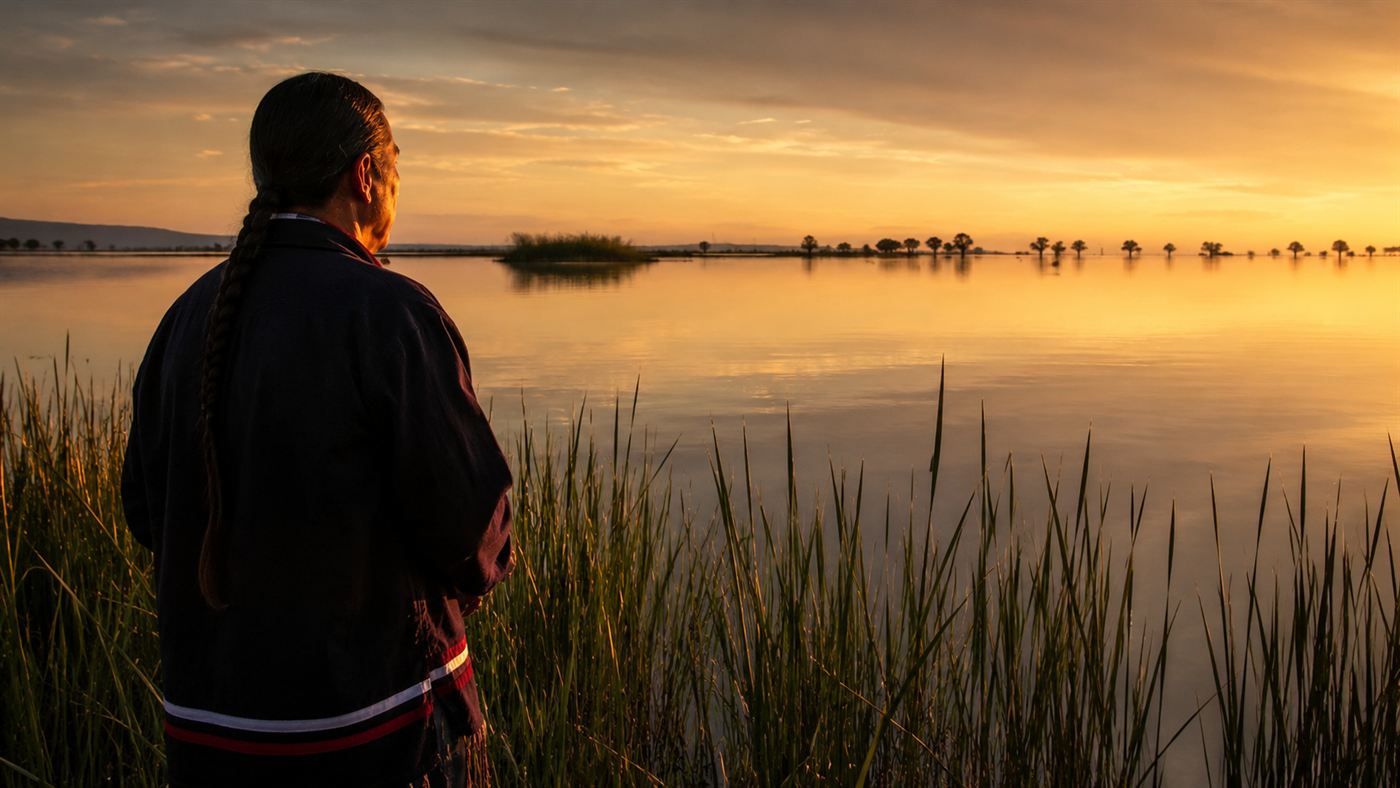
Where cotton grew for a century, open water returned in 2023. The Tachi Yokut call it Pa'ashi, big water. Illustration: Watts & Wild.
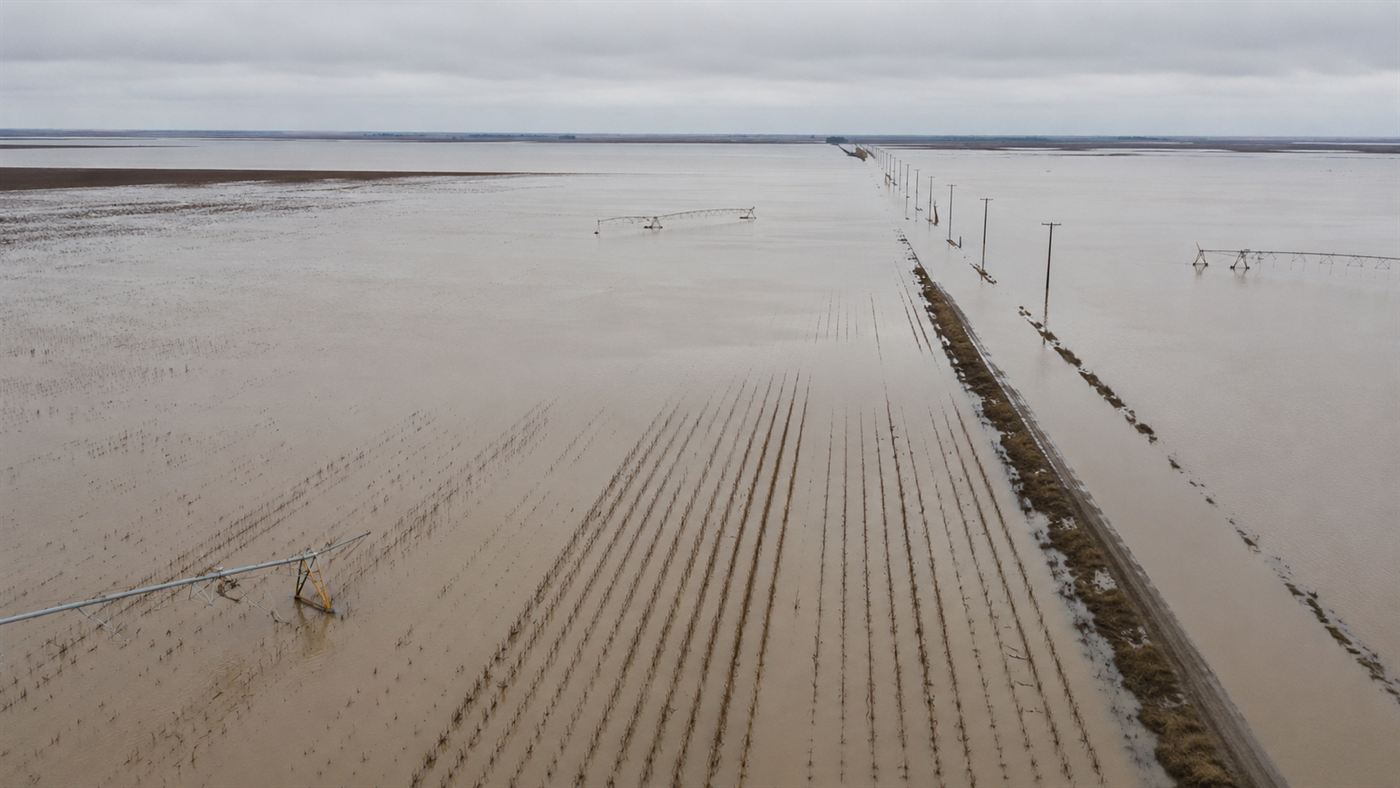
Tulare Lake was not supposed to exist anymore. For four generations it had been farmland, some of the most productive cotton and tomato ground in the country, flat to the horizon and dry as bone. Then the winter of 2023 arrived, and by June the water had climbed back over the fields, the roads, and the wells, spreading across the old lakebed until it looked, once again, like a small inland sea.
As NPR reported when the Tachi Yokut tribe returned to the water they had lost, the lake's comeback was both a disaster and a homecoming at once. Farmers watched a year's income vanish under the flood. A short drive away, tribal members stood at the new shoreline and wept, because a place from their creation stories had opened its eyes again.
The short version: Tulare Lake was once the largest freshwater lake west of the Mississippi. Settlers drained it for farmland by about 1900. In 2023, record storms and Sierra snowmelt filled it back to roughly 175 square miles, drowning California farms and reawakening a lake the Tachi Yokut had waited a century to see.
What was Tulare Lake, and where did it go?
Two centuries ago, the southern San Joaquin Valley held a body of water so large that steamships crossed it. As Northeastern University researcher Vivian Underhill has documented, Tulare Lake was the largest freshwater lake west of the Mississippi, stretching more than a hundred miles long, fed by four rivers pouring out of the Sierra Nevada: the Kern, the Kings, the Kaweah, and the Tule. It teemed with fish, turtles, and clouds of waterfowl, and it fed the people who lived along it for thousands of years.
Then came what California politely called reclamation. Starting in the late 1800s, the rivers that fed the lake were carved into hundreds of irrigation canals and pointed at fields instead. Cut off from its water, the lake shrank, then failed to refill, and by around 1900 it was gone, its bed plowed into farmland. Much of that lakebed eventually fell under a single owner, the J.G. Boswell Company, which built one of the largest cotton empires on Earth on the grave of a lake. The story rhymes with other places the West drowned or drained for profit, like a shrunken sea clawing its way back in Central Asia.
The winter that refilled a ghost lake
What brought it back was not a broken dam or a mistake. It was weather, at a scale California had not seen in a generation. Through the winter of 2022 into 2023, a conveyor belt of atmospheric rivers slammed the state, storm after storm stacking one of the deepest Sierra Nevada snowpacks ever measured. When spring warmed that snow, all of it had to go somewhere, and the only somewhere was downhill, into the same basin the canals had been draining for a century.
The canals and levees, built to move ordinary flows, could not hold it. By early June 2023 the water covered well over a hundred thousand acres of the old lakebed. By the Center for Land Use Interpretation's mapping, the flood peaked at around 175 square miles, roughly the size of Lake Tahoe, all of it sitting on top of farms. The same Central Valley flooding that swallowed the fields also fed something older and stranger back to life.
For the Tachi Yokut tribe, Pa'ashi came home
To the Tachi Yokut, whose reservation sits at Santa Rosa Rancheria near the old shoreline, the lake was never really a myth. They call it Pa'ashi, big water, and their creation stories begin at the bottom of it. Elders had told children for generations that the lake was only sleeping and would return. In 2023 it did. Speaking to Valley Public Radio at a ceremony by the water, tribal vice chairman Robert Jeff said the lake was awake and talking. "We know that this lake is alive," he said. "We know that this lake needs movement. We know that this lake needs to clean the land."
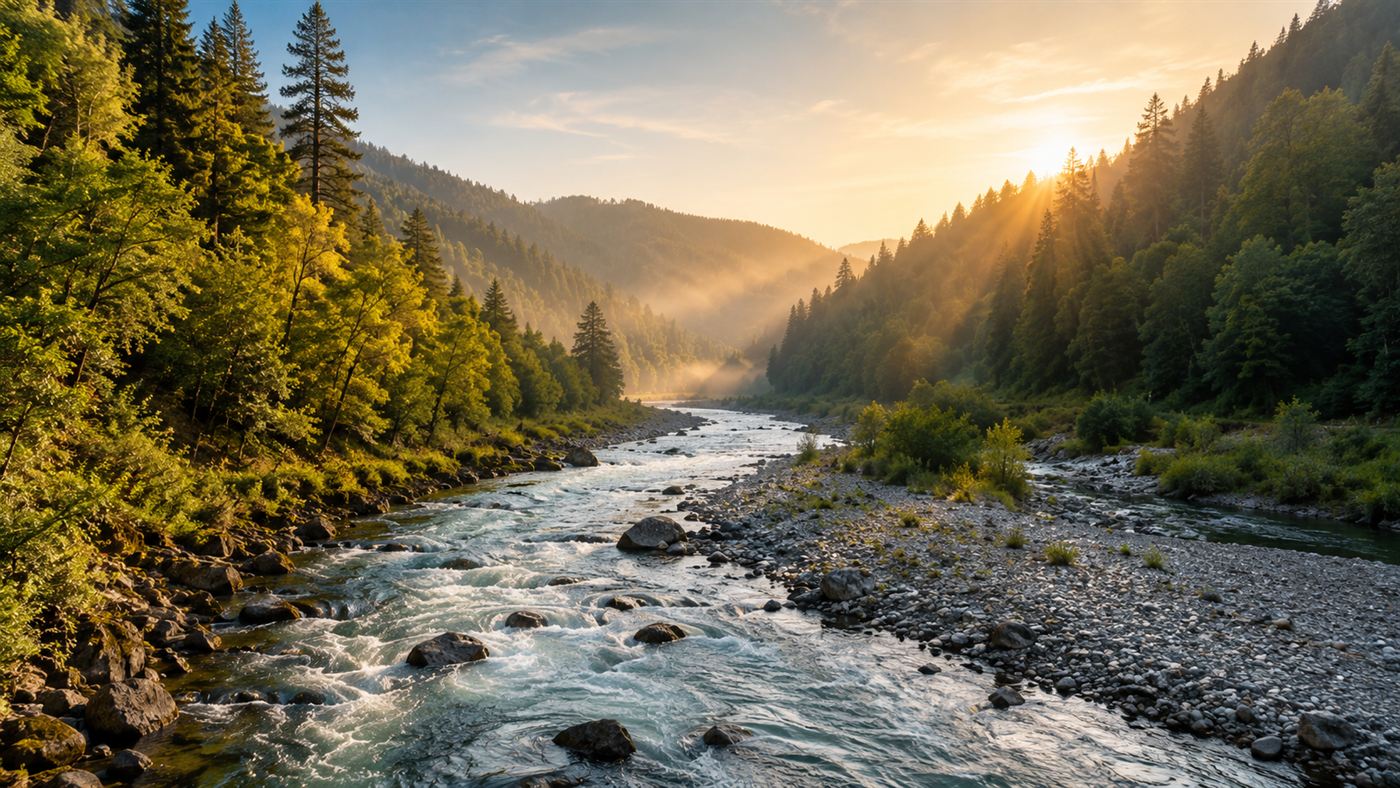
Kenny Barrios, a cultural liaison for the tribe who teaches the young people their language, wrote a new water song for the occasion, giving thanks for bringing the water back. At a gathering near Stratford, members of several Yokut bands planted tule reeds and river sage along the new edge and sang. For a community that had watched the heart of its homeland turned into someone else's cotton field, the return of Pa'ashi was not a flood at all. It was a relative coming back from the dead. It is the kind of homecoming that echoes efforts to undo old damage, like tearing down the Klamath dams to let a river run free again.
The farms and towns the water took back
None of that softened the blow for the people who worked the lakebed. The flood erased a farming season across the basin, and the damage was brutal. In Kings County alone, agricultural losses were estimated at more than 300 million dollars, as water rolled over fields, homes, roads, wells, electric lines, and transformers. The people hit hardest were rarely the landowners. They were the farmworkers whose low, cheap housing sat closest to the water, many of them Spanish speakers who got little warning and less help.
The flood also crept toward the town of Corcoran, which sits low in the basin behind a 14-mile earthen levee that also protects two state prisons holding roughly 8,000 people. As the water rose against it, the state scrambled. Governor Gavin Newsom's office announced tens of millions of dollars in flood response as the lake spread, including some 17 million dollars to raise the Corcoran levee. It is a bitter kind of irony: the region has been sinking for years from all the groundwater pumped to farm the dry lakebed, so the land had literally dropped closer to the water it once banished.
Was it a flood, or a lake coming back?
That question sits at the center of everything. To the farms and the flood maps, it was a disaster to be pumped away. To others, it was a correction. "This was not actually a flood," Underhill told Northeastern. "This is a lake returning." The land had simply done what land does when you stop fighting it, and for a season the water went where water has always wanted to go.
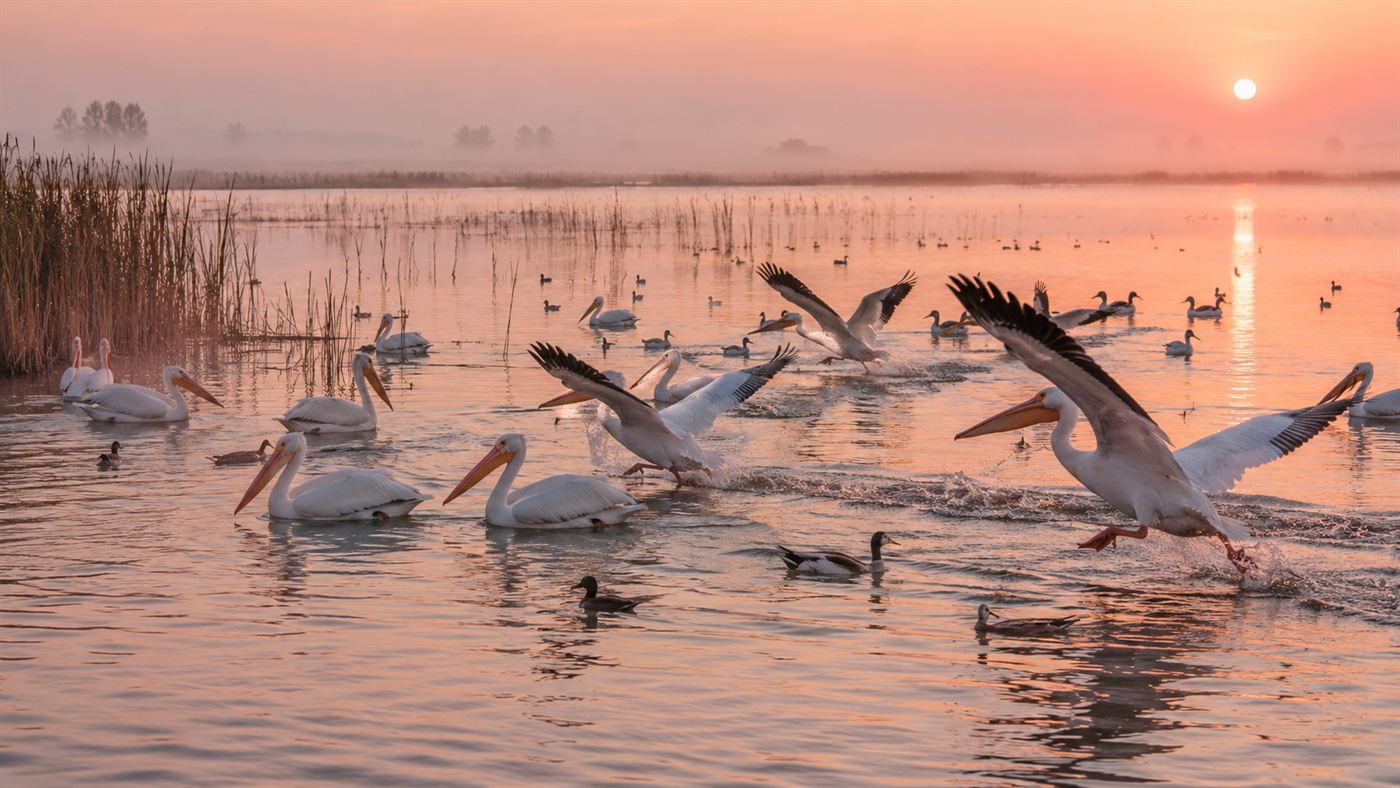
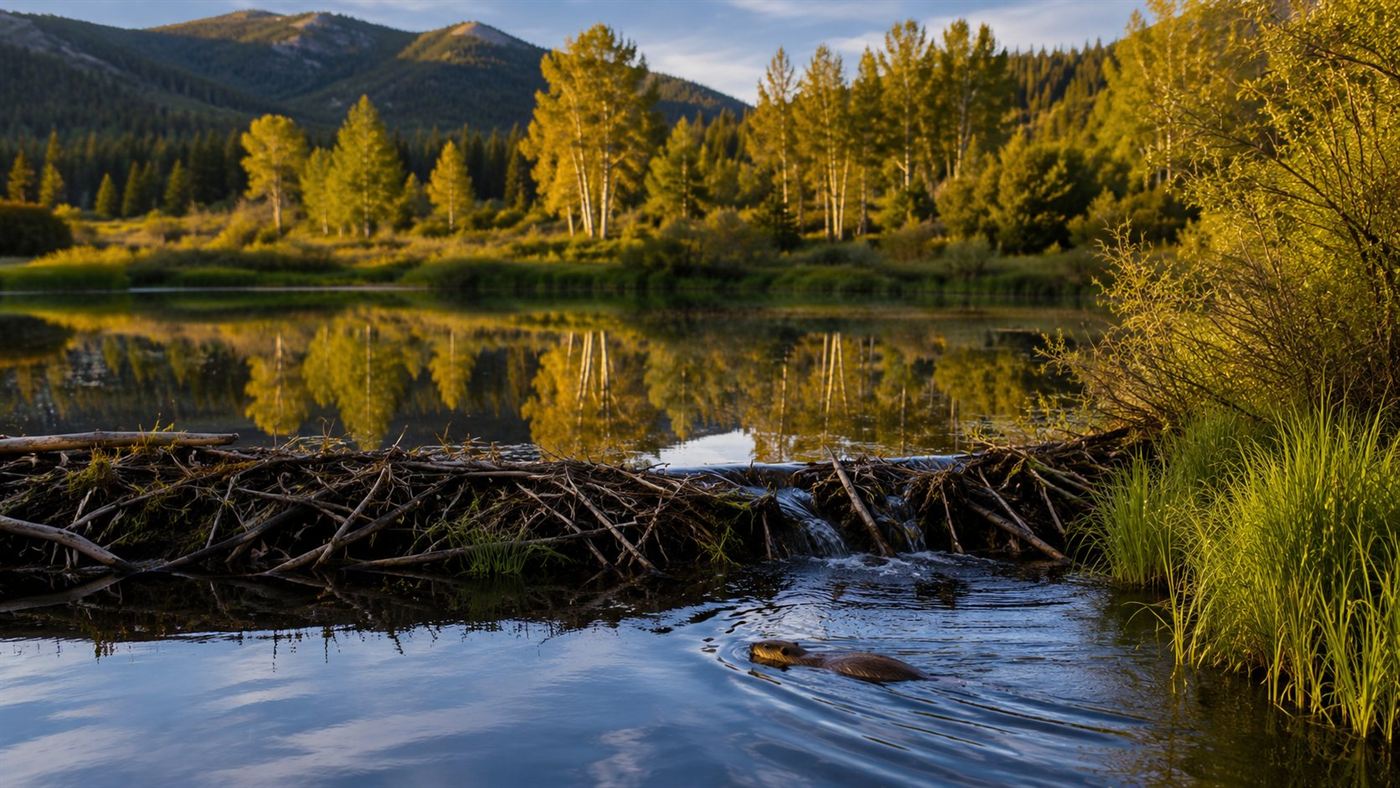
Nature agreed with her fast. Within weeks the returned lake pulled in white pelicans, hawks, ducks, and imperiled burrowing owls, and the sheet of water cooled the baking valley air by ten to twenty degrees. Life rushed back into a place that had been dust, the same way beavers rebuilding California's wetlands can turn a dry gully green in a single season. The lakebed remembered what it was.
The honest catch
It would be a tidy story if the lake had come home for good, and it has not. By 2024 Tulare Lake had already shrunk to less than half its peak, drained by evaporation, by pumping, and by the same farms racing to plant the ground again the moment it dried. This is not the first time it has flickered back to life either: the lake also reappeared in 1969, 1983, and 1997, each time before the canals and pumps sent it away again. What looks like a resurrection is really a heartbeat, and the farms have every incentive to stop it.
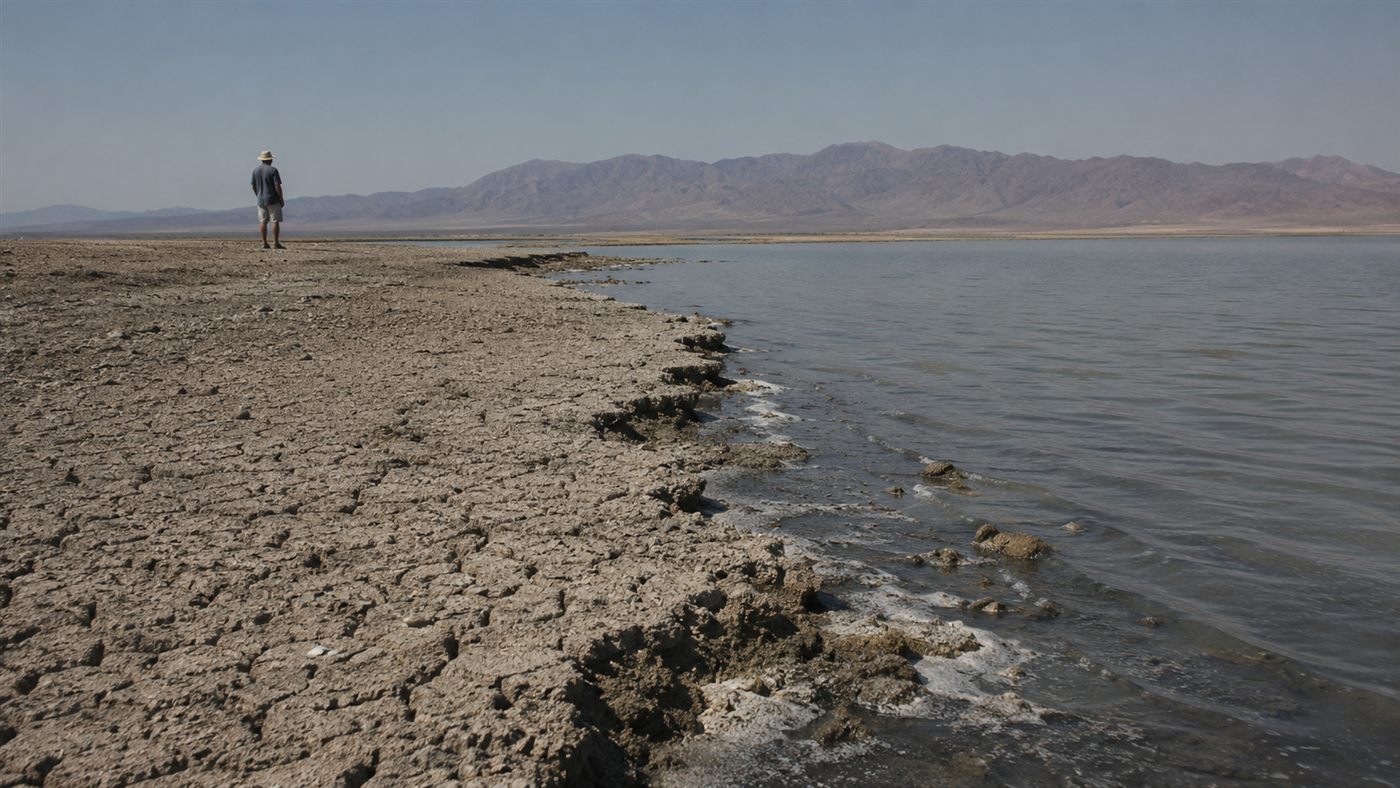
There is a harder truth underneath the ceremony, too. The joy of the Tachi Yokut and the ruin of the farmworkers were the same event, and both got far less say in what happens next than the agribusiness that owns the ground. The 2023 return proved the lake is still down there, patient, waiting for the next monster winter. Whether it is ever allowed to stay is a question about water, money, and power, not about weather. For a version of that same fight over a dying California water body, see what is happening at the Salton Sea.
A lake that people spent a century erasing came back on its own, drowned the farms that replaced it, and reawakened a sacred water for the Tachi Yokut, all in a single wet winter. Should California let Tulare Lake stay, or drain it dry again for farmland? Tell us what you think in the comments.
Related reading: How bringing back a single predator changed the course of Yellowstone's rivers.
More from Watts & Wild
More in Energy & the Wild →

Bruno writes about energy history, industrial disasters, and the people who shaped the technologies we take for granted. He is based in Brazil.