A frog science has known for nearly two centuries just turned out to be a whole cluster of hidden species
In 2026, biologists shared a quietly unsettling finding: a fanged frog that naturalists have catalogued since 1838 is not one animal at all, but several. Sifting its genes revealed a knot of near-identical species, creatures identical to the eye but strangers in the genes, hiding inside a name we thought we understood.
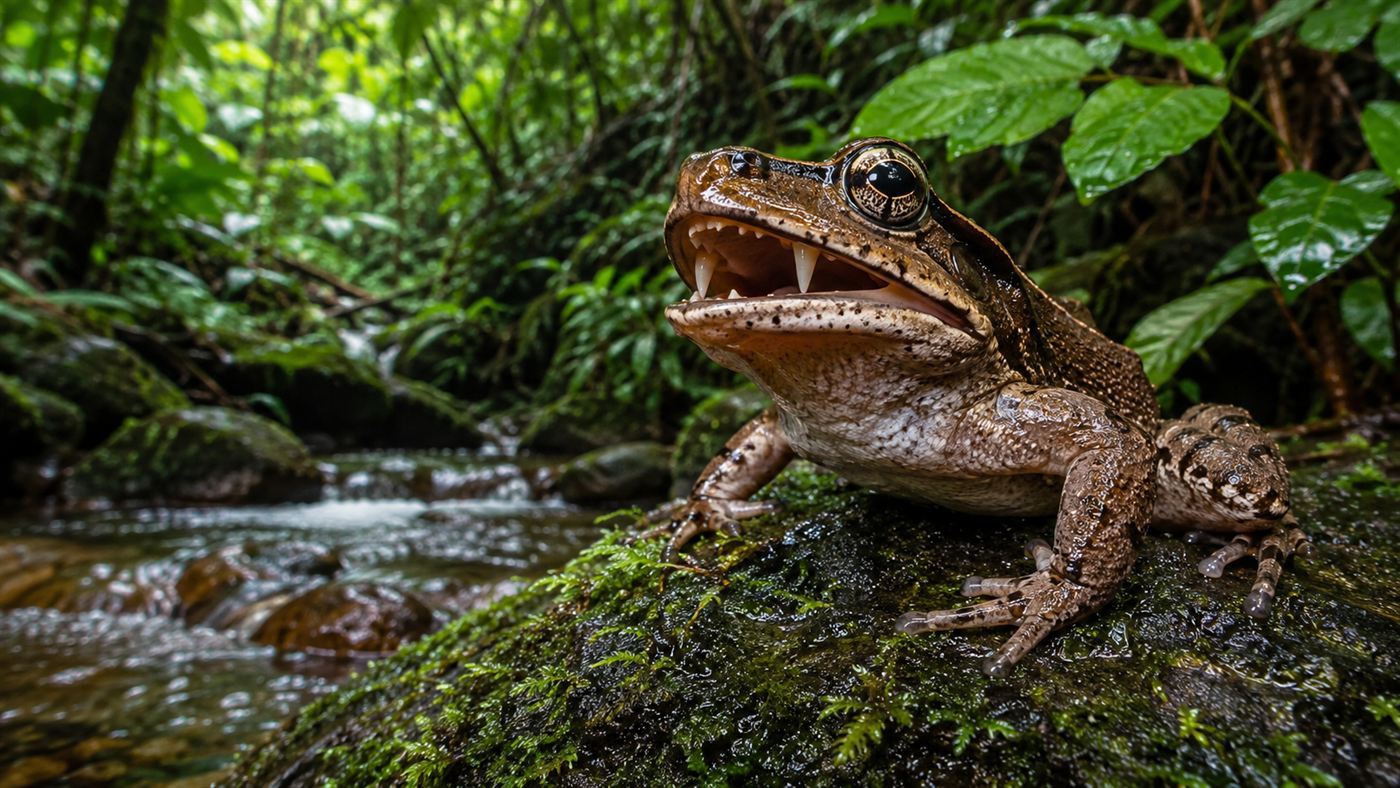
A fanged frog on a forest stream, one of a group far more varied than it looks. Illustration: Watts & Wild.
The animal in question is Limnonectes kuhlii, a stream-dwelling frog of Southeast Asia first described nearly two hundred years ago. For generations it was treated as a single, if widespread, species. But when researchers compared the DNA of populations scattered across the region, the tidy picture dissolved. Where there was supposed to be one frog, the genes revealed as many as a dozen or more distinct lineages, of which perhaps six or seven look like full, separate species.
The strangest part is where the discovery happened. These new species were not stumbled upon in some unexplored jungle; they were teased apart in a laboratory, found not in a rainforest but in a freezer full of tissue samples. To the eye, the frogs are almost impossible to tell apart. Only their genetic code gives away that they are separate kinds, unable to breed with one another.
The short version is that a creature we thought we had known for the better part of two centuries was quietly several creatures all along, and no one could see it until now.
Why the fanged frog fooled everyone
These frogs earn their fierce name from a pair of bony, tooth-like spikes in the lower jaw, males that spar with tusks in their lower jaw over the best patches of stream. Beyond that flourish, though, they are modest brown animals, and modesty is exactly the problem. When several species look nearly the same, colour, size and shape simply cannot tell them apart, and for a long time no one had reason to look deeper.
What changed is the tool. Cheap, fast DNA sequencing lets scientists read the genetic text of an animal directly, and there the differences that the eye misses stand out plainly. Populations that look like neighbours turn out to have been on separate evolutionary paths for millions of years, isolated by rivers, ridges and time. The frog did not fool anyone on purpose; our eyes were simply the wrong instrument.

What a cryptic species really is
Biologists call these look-alikes cryptic species: animals or plants that are effectively identical to the eye yet genetically distinct and reproductively separate. They are not rare curiosities. As DNA methods have spread through biology, cryptic species have turned up everywhere, in insects, fish, fungi, bats and frogs, suggesting that a great deal of life has been quietly miscounted.
It matters because a species is the basic unit of how we understand and protect nature. If one named frog is really seven, then each of those seven has a smaller range, a smaller population and its own particular needs, and the comfortable idea that this frog is common and safe can hide the fact that some of its hidden forms are rare and fragile. One animal on paper can be a whole family in reality.
How many species are we missing?
This is the vertigo behind the frog. If a well-studied, long-named animal can turn out to be several, how many of the roughly two million species we have catalogued are similarly hiding others? Many biologists suspect the true number of species on Earth is several times higher than our official lists, most of it unseen, unnamed and concentrated in exactly the tropical places under the most pressure.
That thought cuts two ways. It is wonderful, a reminder that the living world is richer and stranger than our tidy catalogues admit, full of discoveries waiting in plain sight. It is also sobering, because you cannot protect what you have not noticed, and habitats can be cleared long before anyone realises how many distinct lives they held.
The honest catch
It is tempting to announce that science just found six or seven new frogs, and in a sense it did. But honesty asks for nuance. Deciding exactly where one cryptic species ends and another begins is genuinely hard, and experts can disagree about whether a given genetic cluster is a full species or merely a distinct population. The headline number, a dozen or more lineages, is a ceiling; the number of firm, named species will be smaller and argued over for years.
The deeper catch is the uncomfortable one. We may be losing kinds of life we have never even named, erased as forests fall before the DNA is ever read. This fanged frog is a small marvel and a large warning at once: proof that nature still hides wonders from us, and proof that our count of the living world, the very number we use to decide what to save, is quietly and badly incomplete.
Sources: Phys.org on the fanged frog study, ScienceDaily, and AmphibiaWeb.
A plain brown frog just multiplied into many the moment we finally read its genes, and it makes you wonder what else is hiding in plain sight. Does it thrill you or worry you that so much of life on Earth is still uncounted? Tell us what you think in the comments.
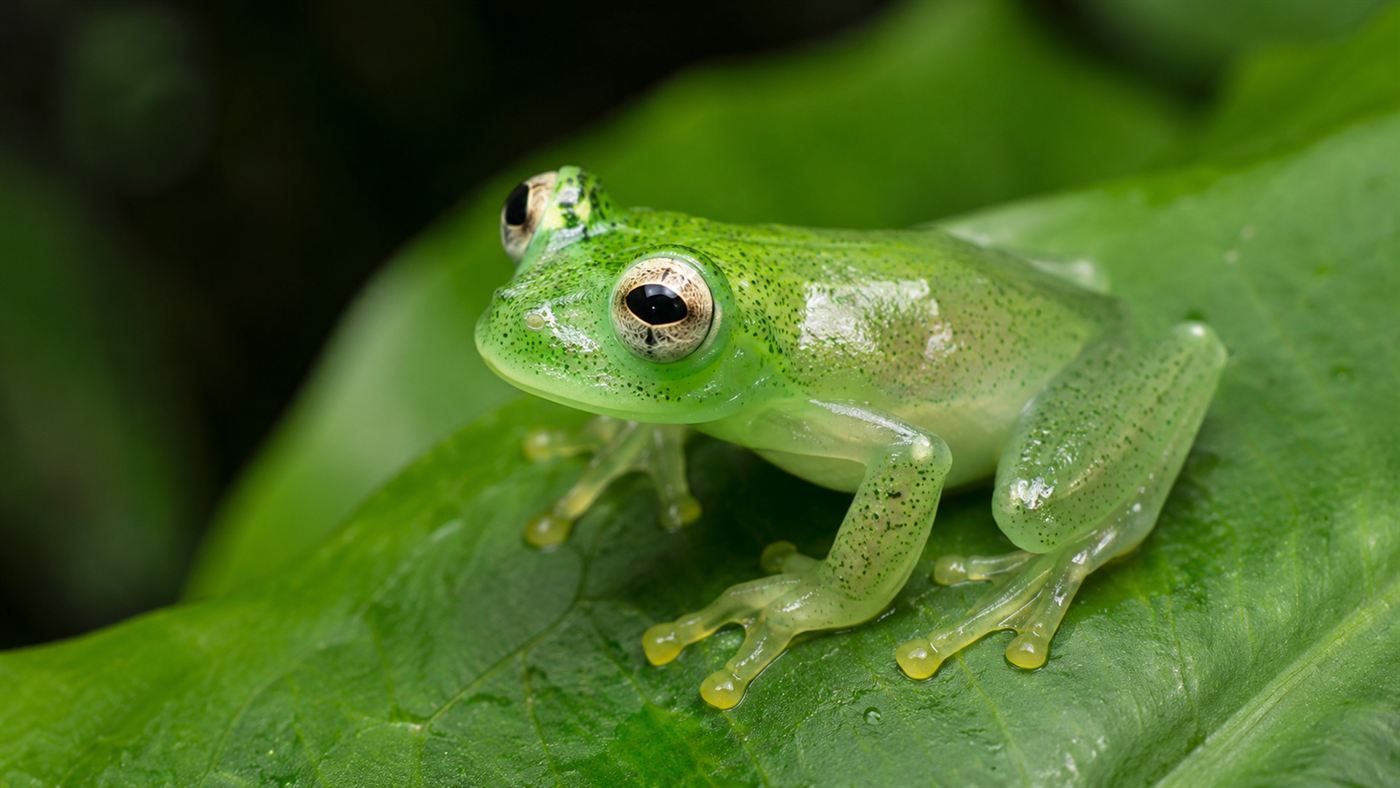
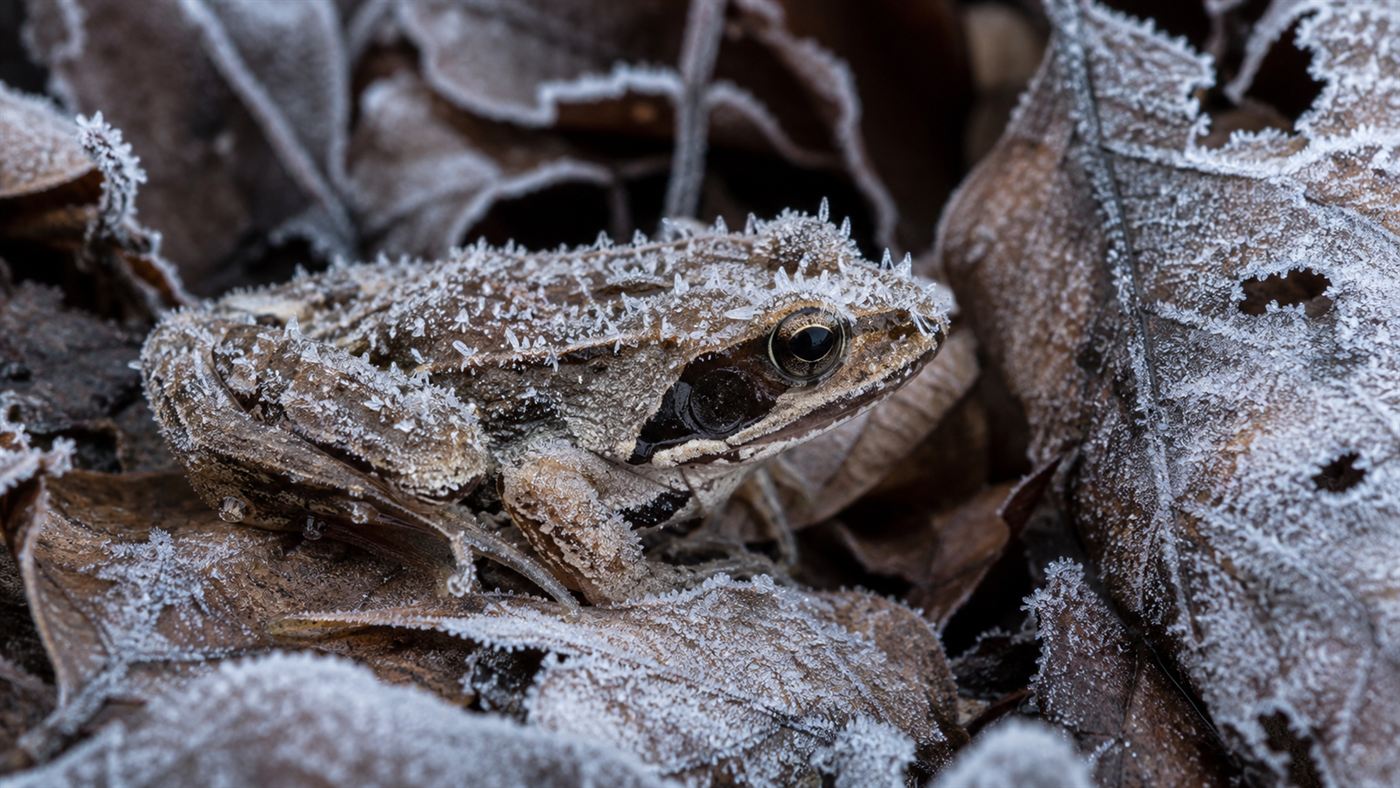
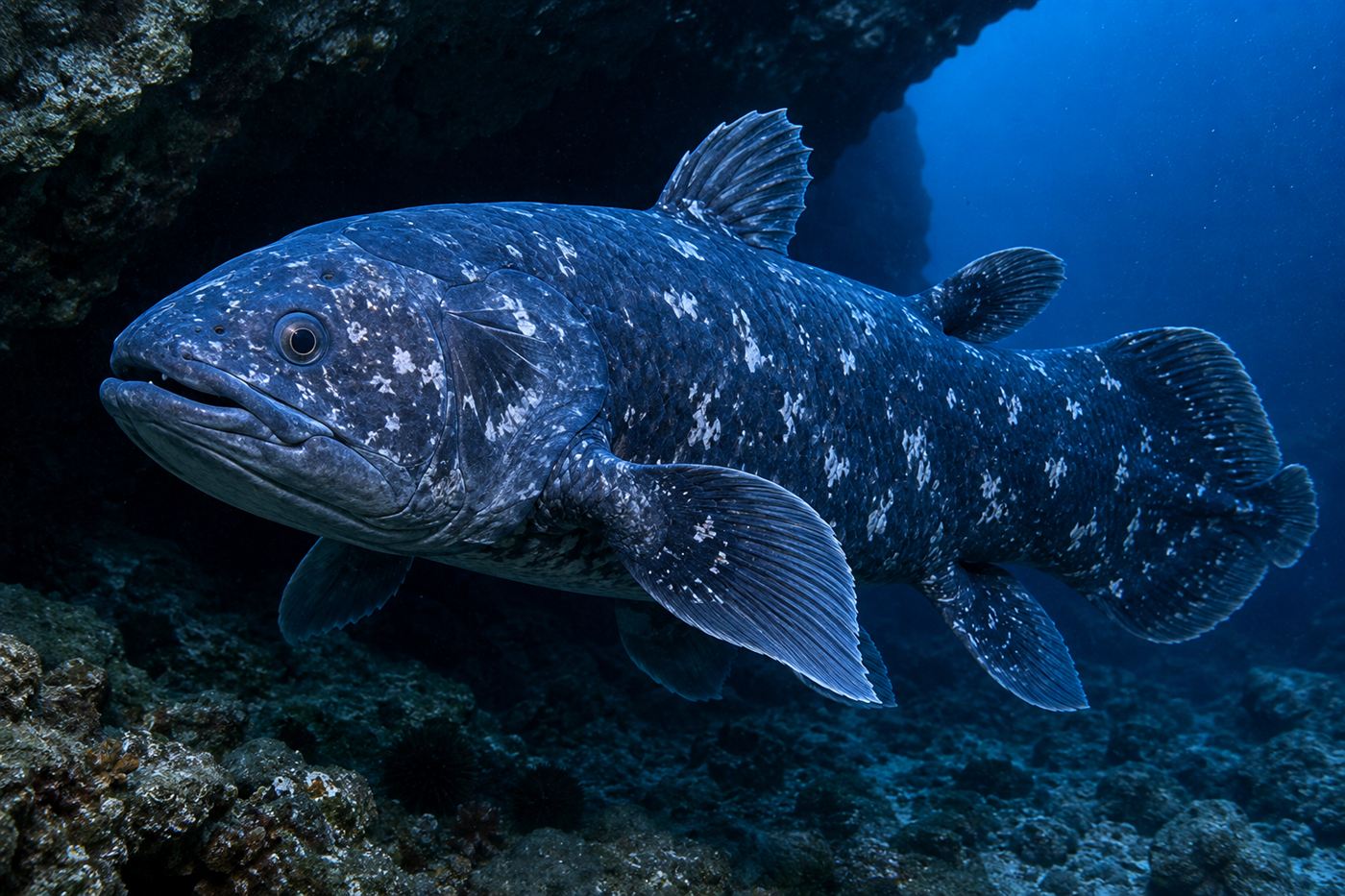
Related reading: the glass frog, whose skin turns see-through as it sleeps. See also the wood frog that freezes solid every winter and thaws back to life, and the coelacanth, a fish found alive long after it was thought extinct.