A single expedition off Brazil found more than 30 new creatures in the ocean's dark middle, in a matter of days
In June 2026, a research ship drifting over deep water off the coast of Brazil sent robots down into the ocean's shadowed heart and came back with a haul that stops you short: more than thirty new deep-sea species, glimpsed and named in a matter of days. We have better maps of Mars than of this part of our own planet.
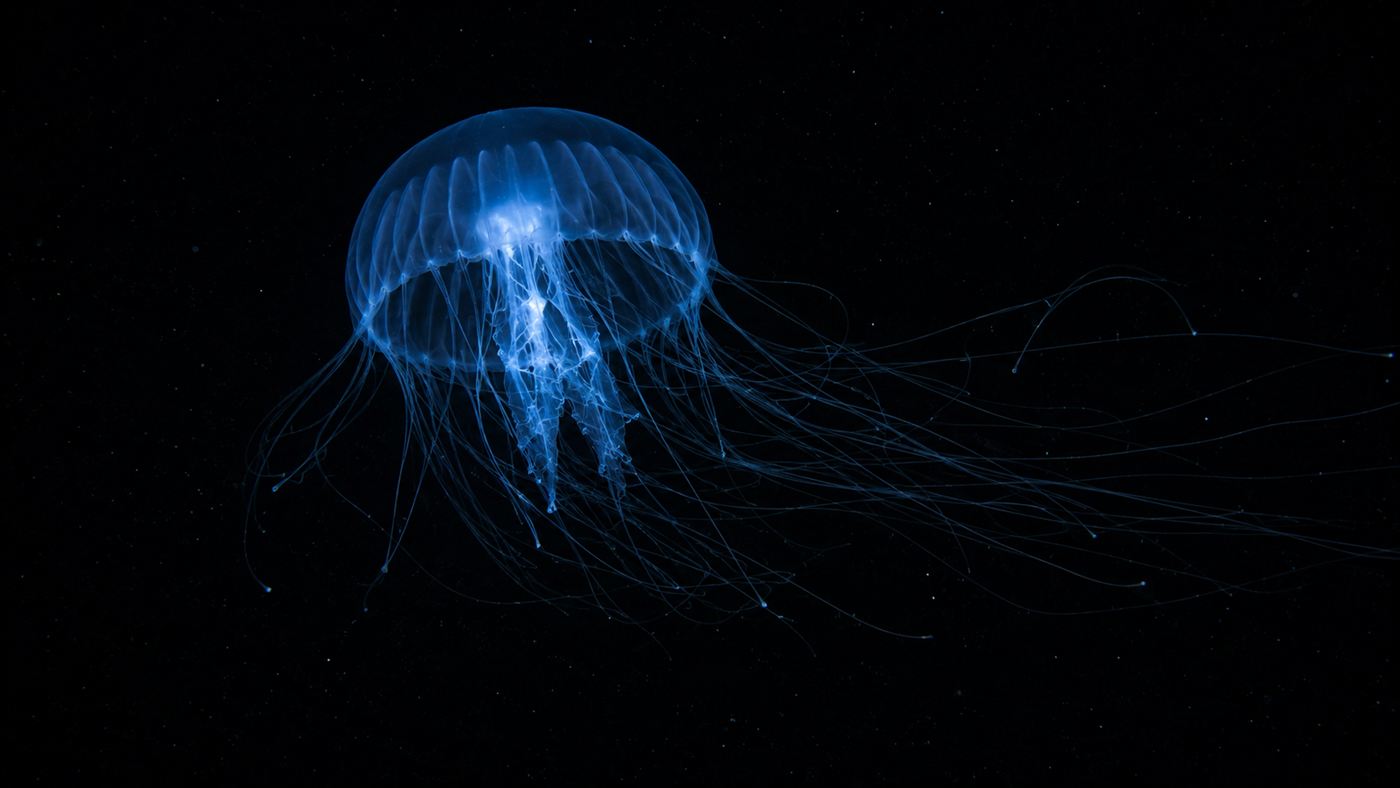
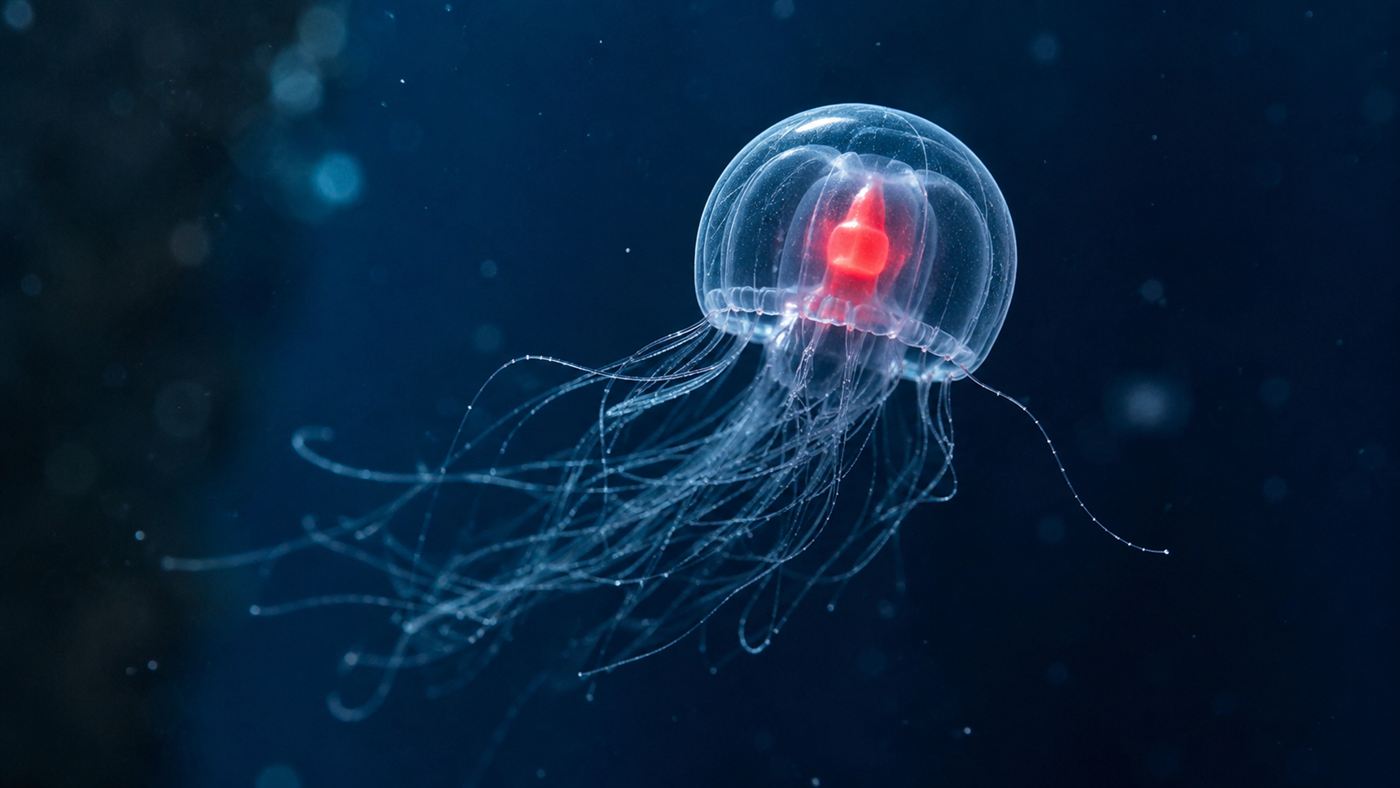
A fragile jelly drifting in the black midwater, the kind of animal the expedition met. Illustration: Watts & Wild.
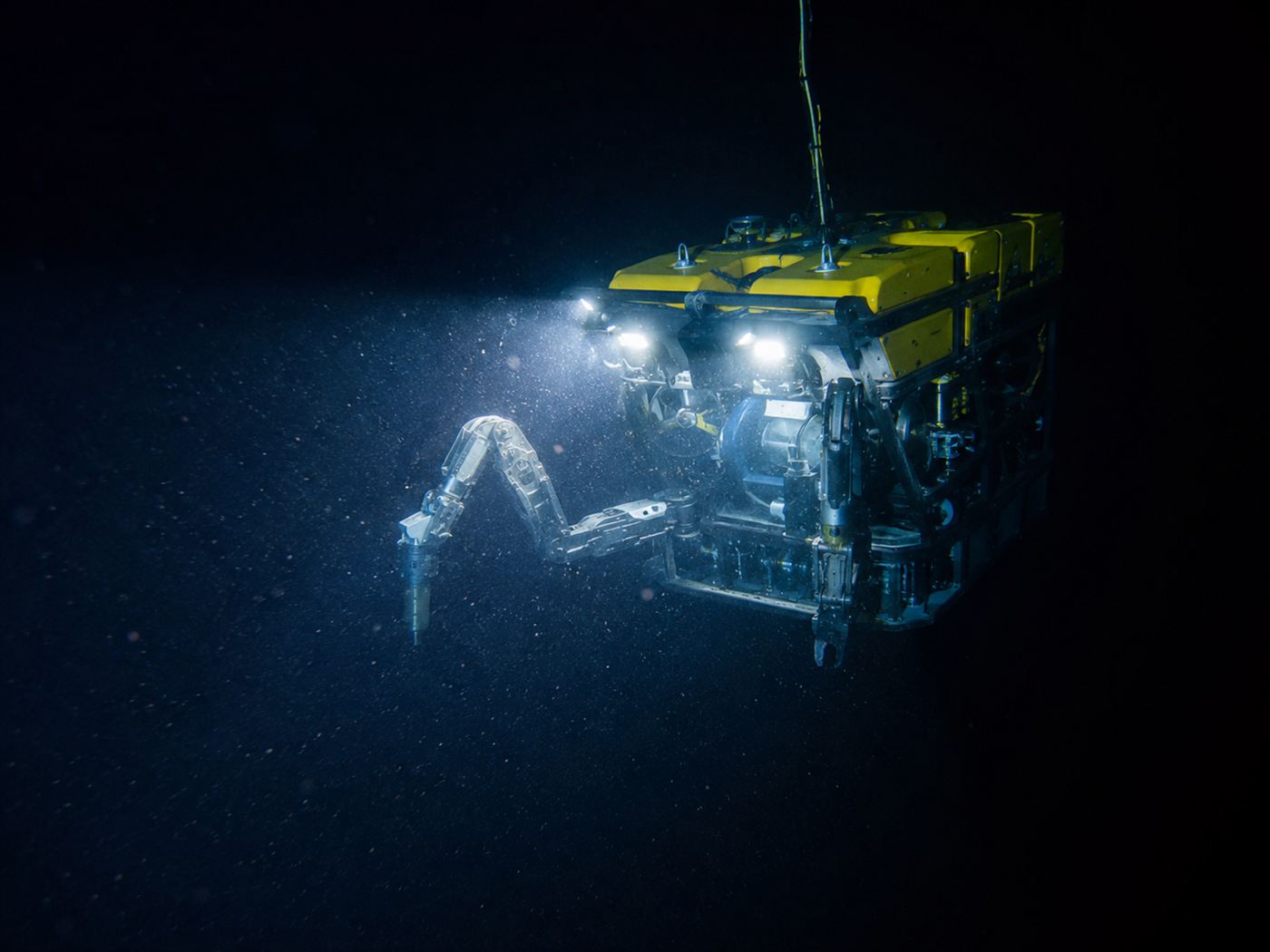
The work was done from the Schmidt Ocean Institute research vessel Falkor (too), using a remotely operated submarine called SuBastian to explore the midwater, the enormous volume of open sea that lies between the sunlit surface and the distant seafloor. It is the largest living space on the planet, and among the least visited, a realm most people never think about because there is nothing there to stand on.
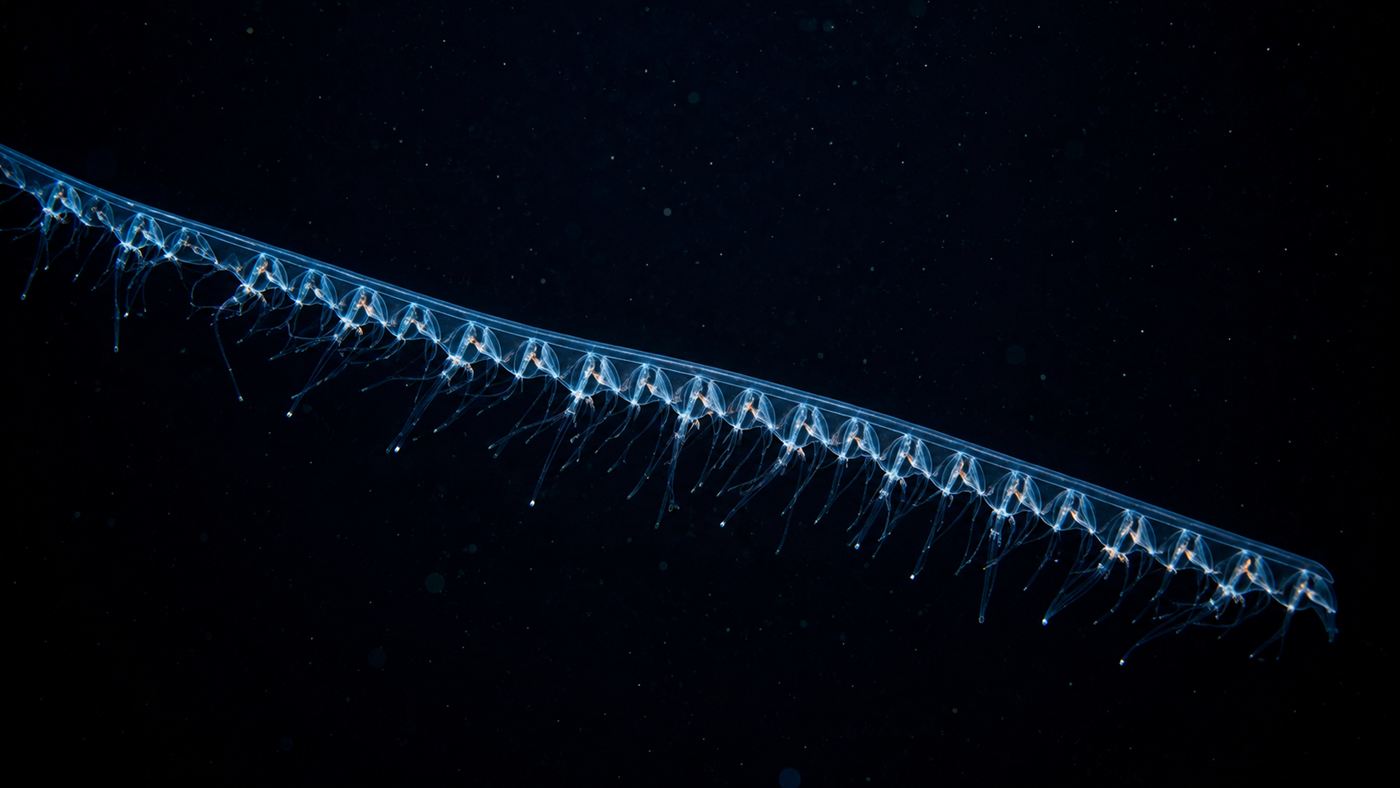
The tally is remarkable. Among the new finds were nine kinds of jellyfish, seven siphonophores, the strange colonial drifters related to jellyfish and coral, seven comb jellies, four tadpole-like larvaceans, two giant single-celled creatures called rhizarians, a shrimp-like amphipod, and a gossamer worm that swims far faster than its flimsy body should allow. One jelly alone was gathered from more than 1,150 metres down.
The short version is that a single ship, on a single trip, added dozens of animals to the catalogue of life, and it barely scratched the surface of a place that covers most of the living world.
Why the midwater hides so many deep-sea species
The reason the count is so high is not luck. The midwater is genuinely vast, a three-dimensional habitat with, in effect, no floor and no ceiling, only water stretching for kilometres in every direction. Very few expeditions ever go there with the right tools, so almost every careful look turns up things no one has described.
Its residents are also famously hard to study. Many are soft, transparent and delicate, built from little more than water and nerve, and they simply fall apart in a net. For generations that fragility kept them out of reach, which is a large part of why the middle ocean stayed a blank on the map long after we had mapped the shallows and the shore.
How robots caught what nets could not
What changed is the technology. Rather than dragging a net and pulling up mush, the team used SuBastian to approach these animals gently in their own water and film them in fine detail, with laser scanners and specialised cameras capturing shape and motion without a single touch. Some creatures were even studied in a small onboard chamber before being released.
That soft-handed approach let scientists on the ship, including researchers from the Bigelow Laboratory, the Smithsonian and other institutions, recognise many animals as new to science within a matter of days. As one of the lead scientists, John Burns, put it, the ocean never let up with surprises in every pocket of water. It was less a hunt than a slow, careful looking.
Does finding new animals really matter?
It is fair to ask whether a pile of new jellies changes anything. It does, for reasons beyond wonder. The midwater is a crucial part of how the ocean stores carbon and moves energy, as countless small animals rise and sink each day, ferrying material between the surface and the deep. You cannot understand that vast biological pump without knowing who is doing the pumping.
These animals also sit in the path of human plans. The same little-known depths are being eyed for deep-sea mining and are already absorbing much of the heat and carbon we release. It is hard to weigh the cost of disturbing a place when we have only just met its inhabitants, which is exactly why cataloguing them now is more than stamp collecting.
The honest catch
The joyful headline is that the ocean is fuller and stranger than we knew, and that is true. But the same fact carries a sobering weight. If one ordinary expedition can find thirty new animals in a few days, then our ignorance of the sea is not a small gap to be tidied up soon; it is an ocean-sized hole. Most of the living world is still a stranger to us.
That matters because we are already reshaping these depths, warming them, acidifying them and preparing to mine them, before we have any real idea what lives there. The wonder and the warning are the same discovery. Every glassy new creature drifting in the dark is a small marvel, and also a quiet question: how much are we willing to risk losing while it is still, to us, unnamed.
Sources: Bigelow Laboratory on the Falkor (too) expedition, Scientific American, and the Schmidt Ocean Institute.
In a few days off Brazil, robots met dozens of animals no human had ever named, in the biggest and darkest room on Earth. Should we slow down our plans for the deep sea until we know what actually lives there? Tell us what you think in the comments.
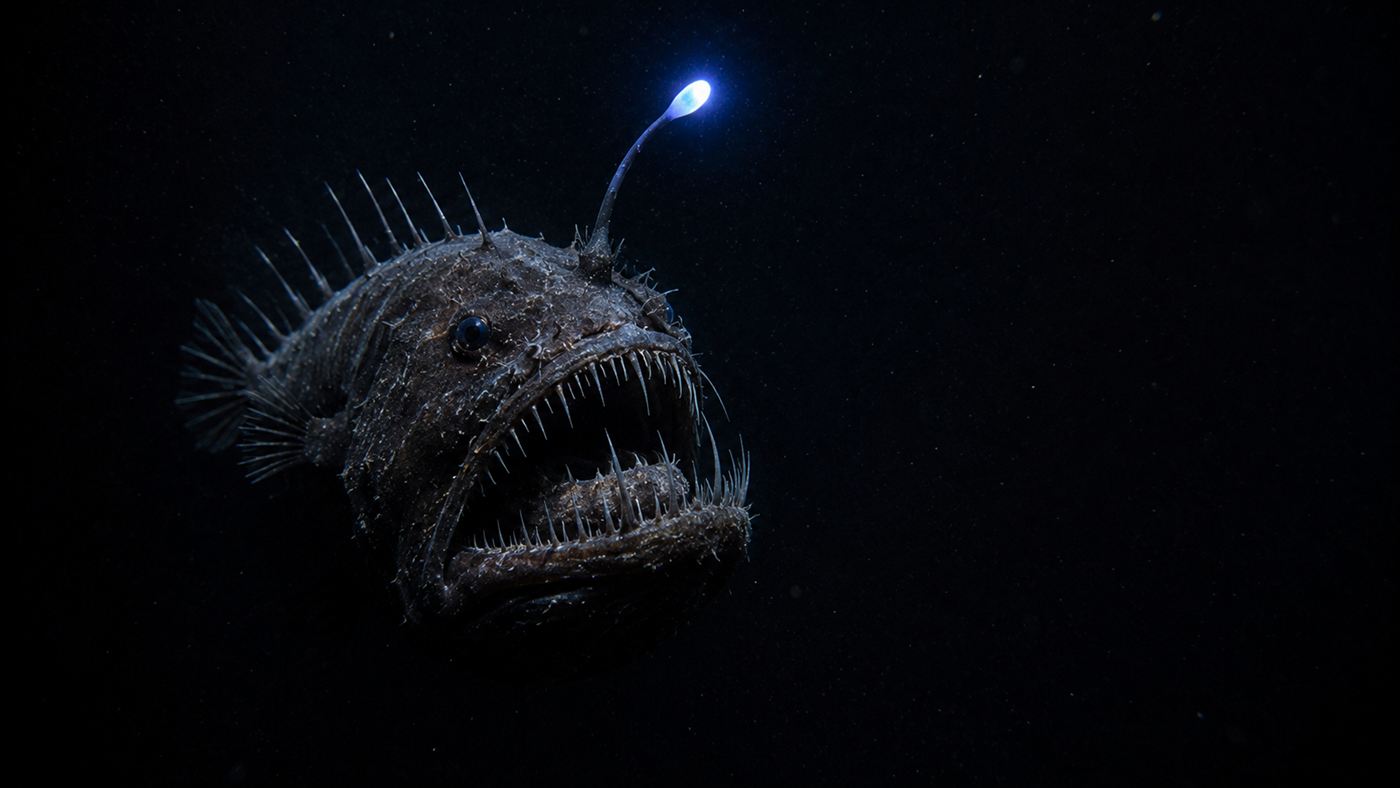
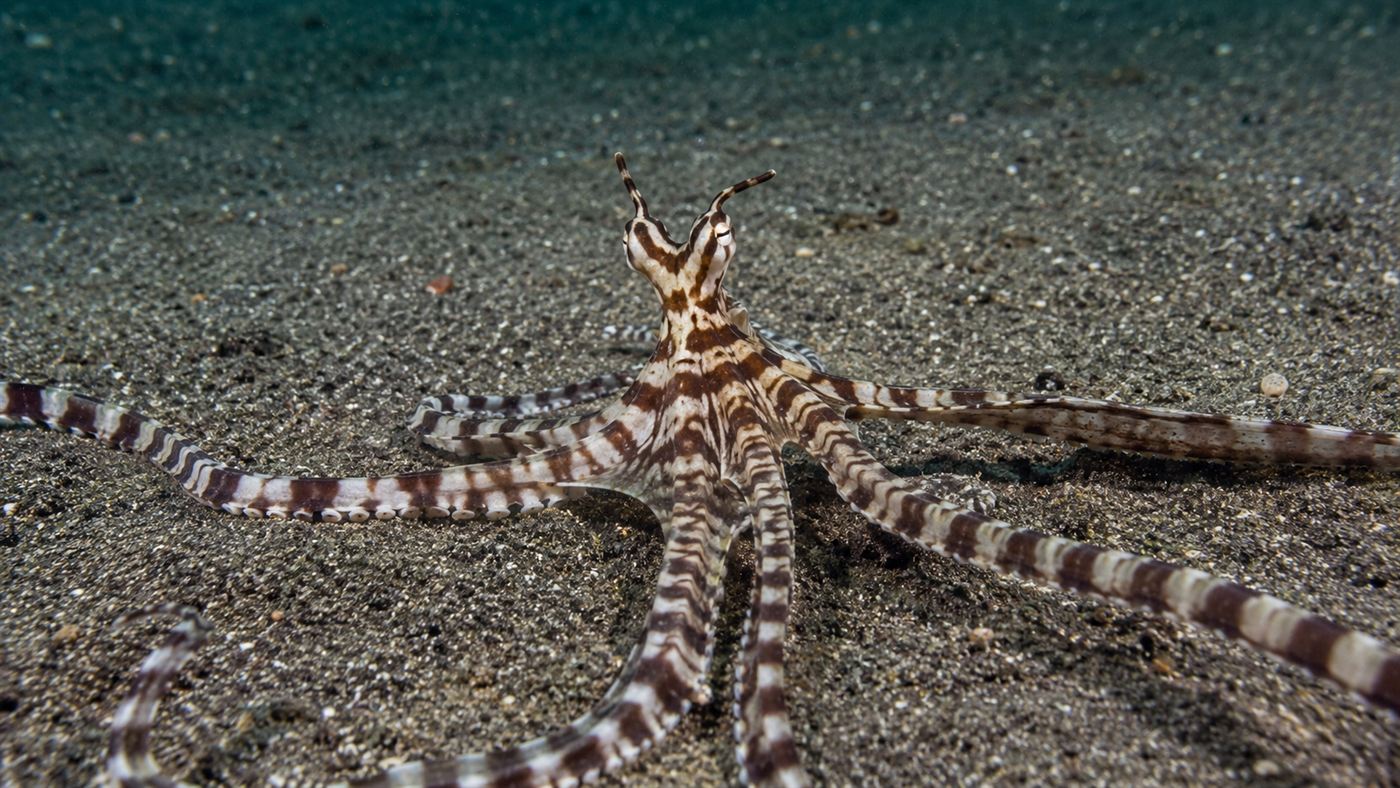
Related reading: the anglerfish that fishes with a glowing lure in the dark. See also the jellyfish that can wind its own life cycle backward, and the octopus that impersonates a dozen other animals.