The world's first webcam was invented just to watch a pot of coffee
Long before video calls and security cameras, the very first webcam was pointed at something gloriously ordinary: a coffee machine in a university corridor. It existed for one reason only, to spare a few scientists the misery of walking all the way to an empty pot. The first webcam was born from nothing grander than a craving for caffeine.
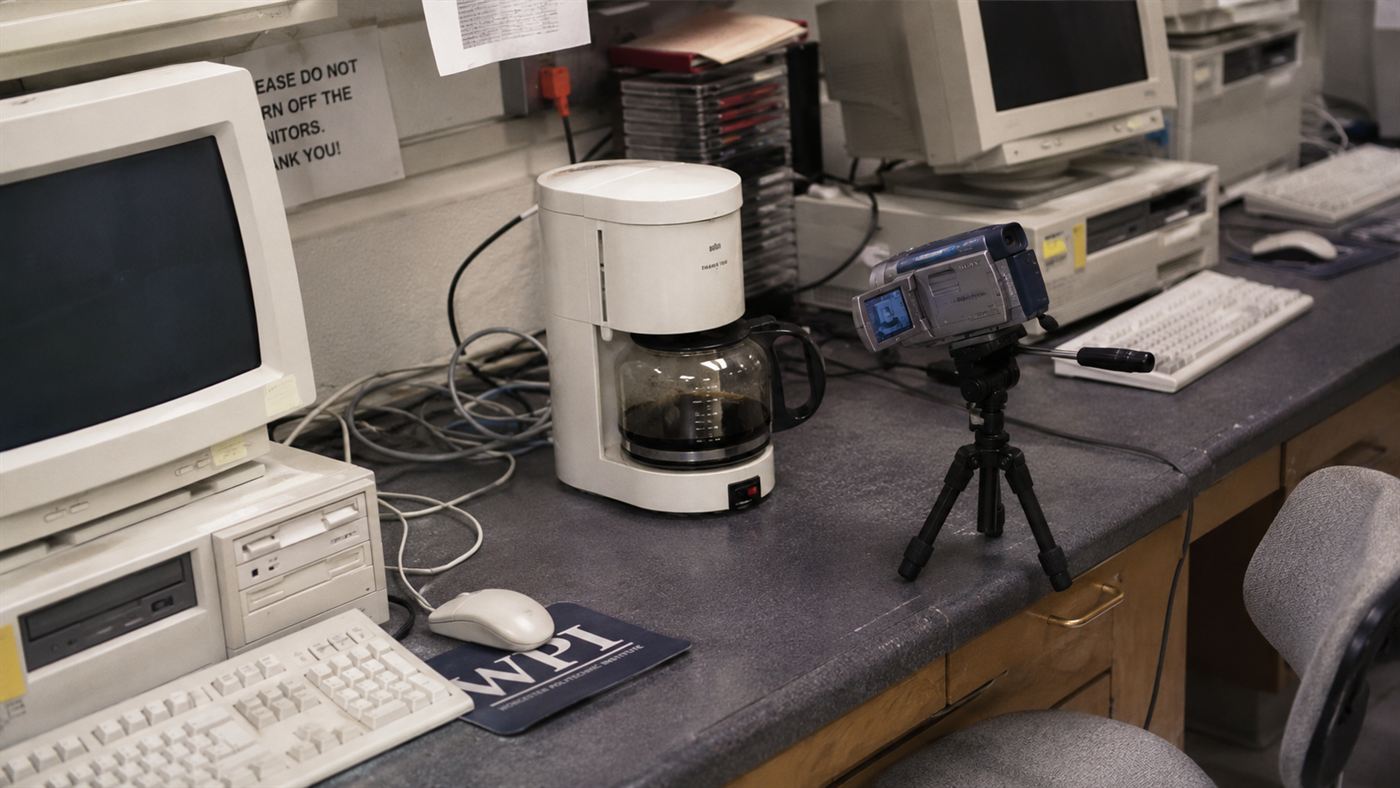
A camera trained on a humble coffee pot, the unlikely birthplace of the webcam. Illustration: Watts & Wild.
Some inventions are born from grand ambition, and some from sheer human laziness. The webcam, a technology now built into nearly every laptop and phone on Earth, belongs firmly in the second group, and its origin story is one of the most charming in the history of computing.
It begins in a corridor at the University of Cambridge, with a coffee machine and a group of researchers who simply could not bear another wasted journey.
Why the first webcam existed
In the early 1990s, the university's Computer Laboratory had a single coffee pot, kept in a spot known as the Trojan Room. Researchers spread across several floors all depended on it, and there was no greater workplace tragedy than climbing the stairs for a cup only to find the jug empty. To solve this, two scientists set up a camera pointed at the pot in 1991 and fed a live picture to computers around the building, creating the first webcam.
The idea was beautifully practical. Now, instead of making a hopeful trip, anyone could glance at a little window on their screen and see at once whether coffee was waiting or whether the pot stood sadly empty. It saved time, it saved disappointment, and nobody involved imagined they were making history.
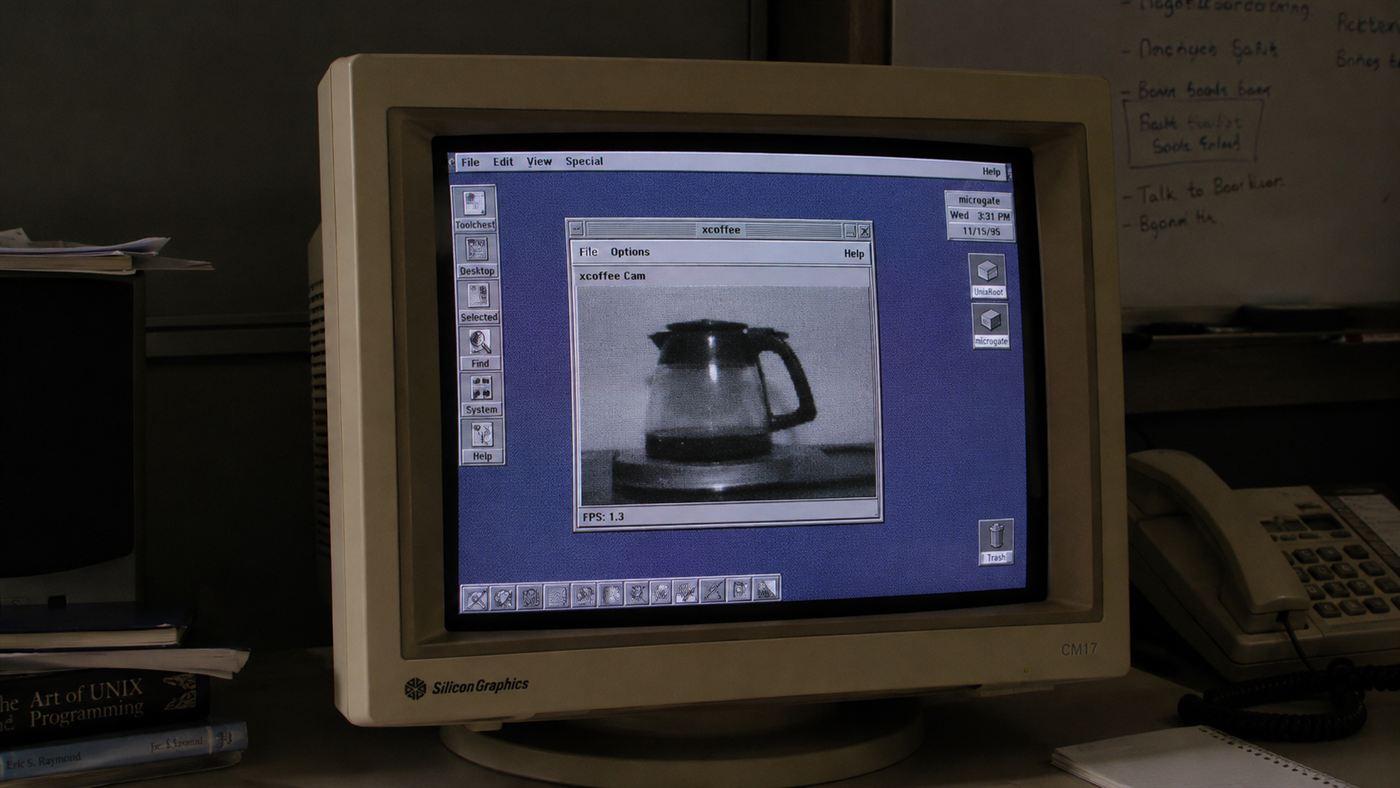
A grainy grey picture of a pot
By modern standards the setup was almost comically crude. The image was tiny and in shades of grey, refreshing every so often rather than streaming smoothly. The picture measured just 128 by 128 pixels in greyscale, captured through a video card on one of the lab's computers and served to colleagues by a simple program nicknamed XCoffee.
One researcher wrote the part that grabbed and shared the image, and another wrote the little client that displayed it on each desktop. It was a quick, clever hack built from the equipment lying around the lab, the sort of thing computer scientists knock together to scratch an everyday itch. For its first couple of years, only people on the laboratory's own network could see it.
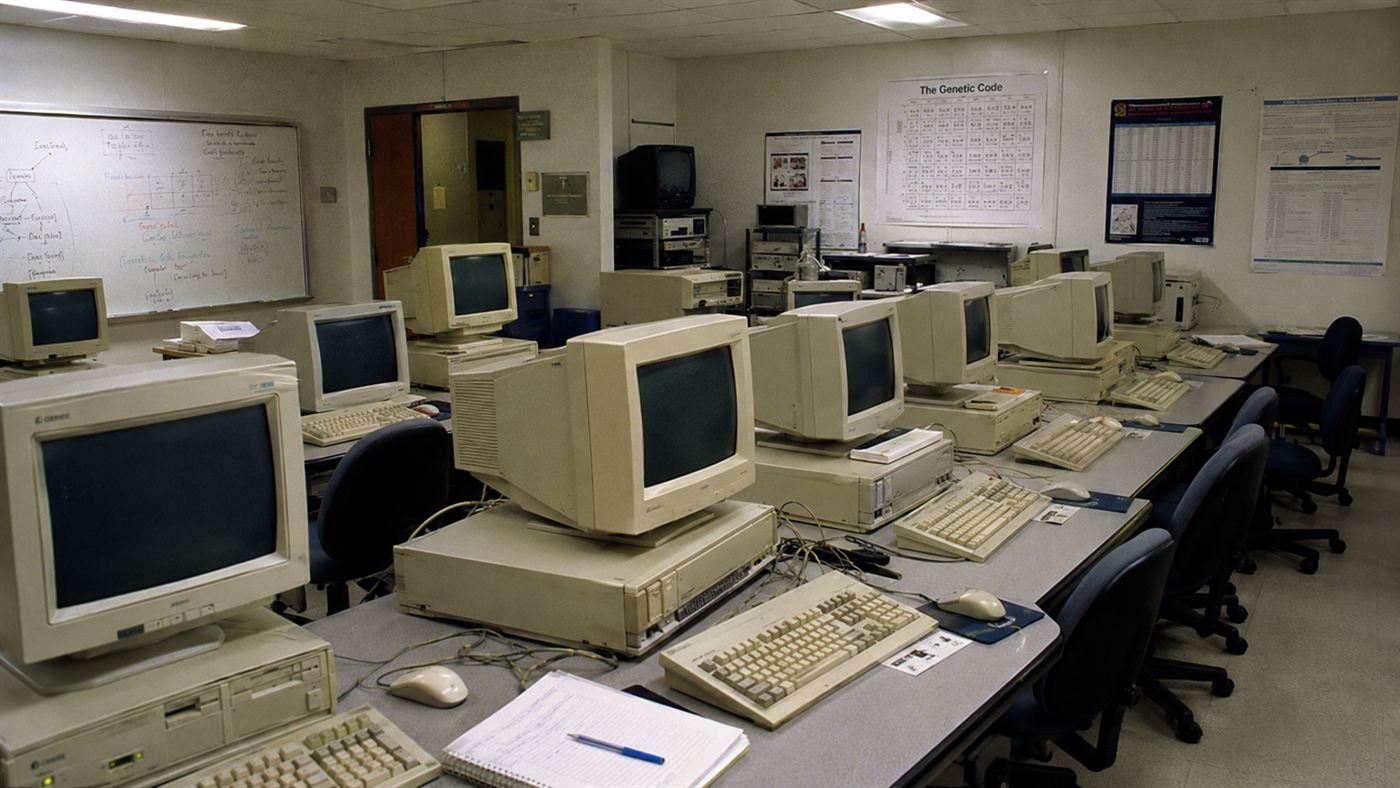
When the world came to watch the coffee
Then the young World Wide Web changed everything. In 1993, colleagues connected the coffee camera to the web, and suddenly anyone on the planet with an internet connection could check on a coffee pot in Cambridge. The Trojan Room coffee pot became a global curiosity, one of the most famous sights of the early web, watched by millions who would never drink a drop from it.
For years it was a small, silly wonder of the internet, a symbol of just how strange and human the new network could be. The whole thing was finally switched off in 2001, and the battered old pot itself was sold at auction to a German magazine, which lovingly restored it. A coffee jug had become a genuine piece of computing history.
What was the first webcam?
In plain terms, it was a camera, a computer and a clever bit of software, all dedicated to answering a single trivial question. The first webcam did just one job, showing whether a shared pot of coffee was full, yet it laid down the basic idea behind every video feed we now take for granted.
Everything that followed, from baby monitors to video calls to livestreams watched by millions, grew from that same simple seed: a camera pointed at something, its picture sent live to a screen somewhere else. The coffee pot just happened to be there first.
Why was the first webcam invented?
For the most relatable reason imaginable: to avoid a pointless walk. It was not built to change the world, to spy on anyone or to make money, but simply to stop hard-working people wasting their time on an empty coffee pot.
That is worth remembering whenever a new technology is wrapped in talk of revolution. One honest detail keeps the story grounded, too: nobody called it a webcam at the time, and the name and the wider idea only caught up later. It was a small fix for a small annoyance that quietly turned into something the whole world would use, which is often exactly how the future arrives.
The device now staring out of a billion screens began life watching a jug of coffee in a university hallway. How many of tomorrow's great technologies are being invented right now just to solve some tiny, everyday annoyance? Tell us what you think in the comments.
Related reading: the 1968 demo that unveiled the mouse, hyperlinks and video calls decades before their time, or the Morris worm, the accident that crashed a tenth of the early internet in 1988.