In 1925 a single tornado tore 219 miles across three states in about three hours, killed 695 people, and hardly anyone saw it coming because forecasters were forbidden to say the word tornado
On an ordinary spring afternoon, a storm crossed the American Midwest that would kill more people than any tornado before or since. It moved at the speed of a fast car, wore no classic funnel shape, and arrived with no warning of any kind, in a country where the government had quietly decided the word tornado was too frightening to broadcast.
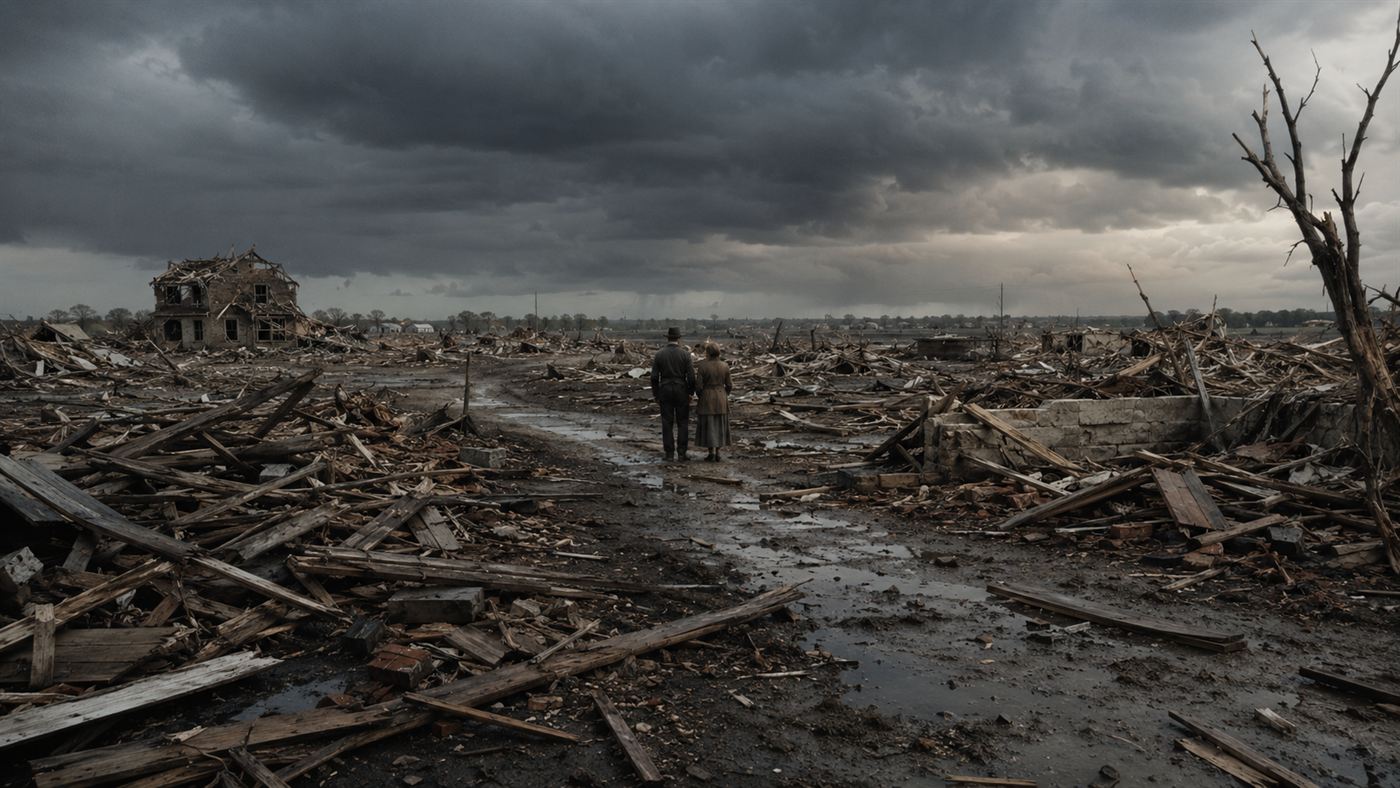
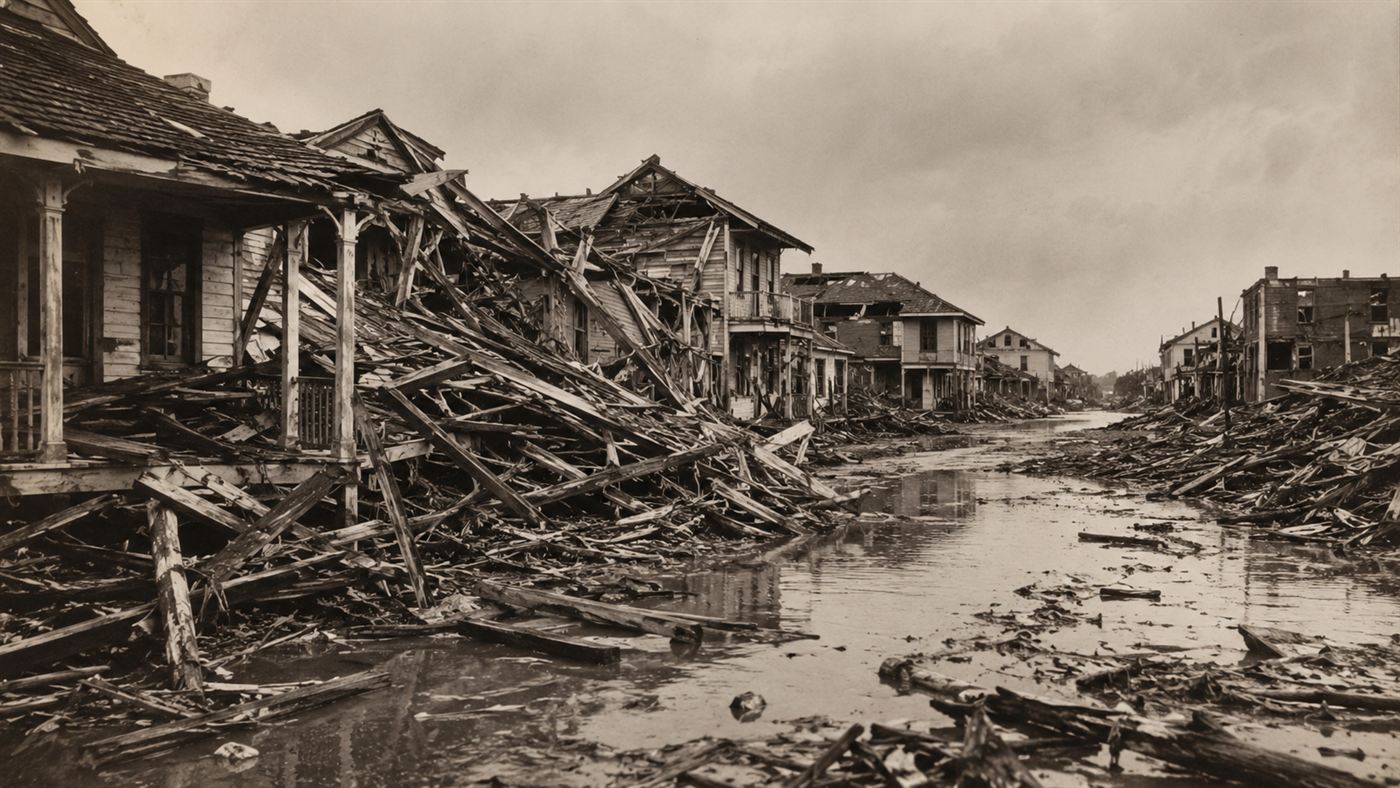
Whole towns were reduced to matchwood in minutes. Illustration: Watts & Wild.
It began just after one in the afternoon on March 18, 1925, in the hills of southeastern Missouri. Over the next three and a half hours a monstrous tornado ground its way northeast across Missouri, southern Illinois and Indiana, and by the time it lifted it had traveled about 219 miles and killed 695 people.
That death toll has never been approached by any other American tornado, and the reasons why are as chilling as the storm itself. The Tri-State Tornado was not just powerful. It was fast, it was disguised, and it struck a population that had been left completely blind to the danger bearing down on them.
The short version: a single, enormous tornado ran a record 219-mile track at highway speed, hitting town after town with no notice. The Tri-State Tornado remains the deadliest in history partly because of its raw violence and partly because, in 1925, nobody was allowed to warn anyone it was coming.
A three-hour path of destruction
What set this storm apart was its endurance. Most tornadoes touch down for minutes and travel a few miles. This one stayed on the ground for around three and a half hours and carved the longest continuous tornado track ever recorded, an almost straight line running northeast across three states. It was the defining run of the Tri-State Tornado.
It also moved with terrifying speed. Where a typical tornado crawls across the land, this one raced forward at an average of about 62 miles per hour, faster than a car of the day could flee on the rough roads. People who might have outrun a slower storm had no chance against something moving as fast as the traffic.
Why nobody saw it coming
The cruelest part of the story is the silence before it. In 1925 the United States Weather Bureau had a standing policy against using the word tornado in its forecasts, a rule dating back to the 1880s out of fear that the very word would spark dangerous panic. There was no tornado warning system, and no radar to spot a storm from a distance.
So there was no siren, no bulletin, no tornado warning of any kind. Ordinary people simply had to look up and hope, and this particular storm made even that impossible. Without the Weather Bureau willing to name the threat, the entire region was left to face a record-breaking tornado with nothing but their own eyes.
The tornado that did not look like a tornado
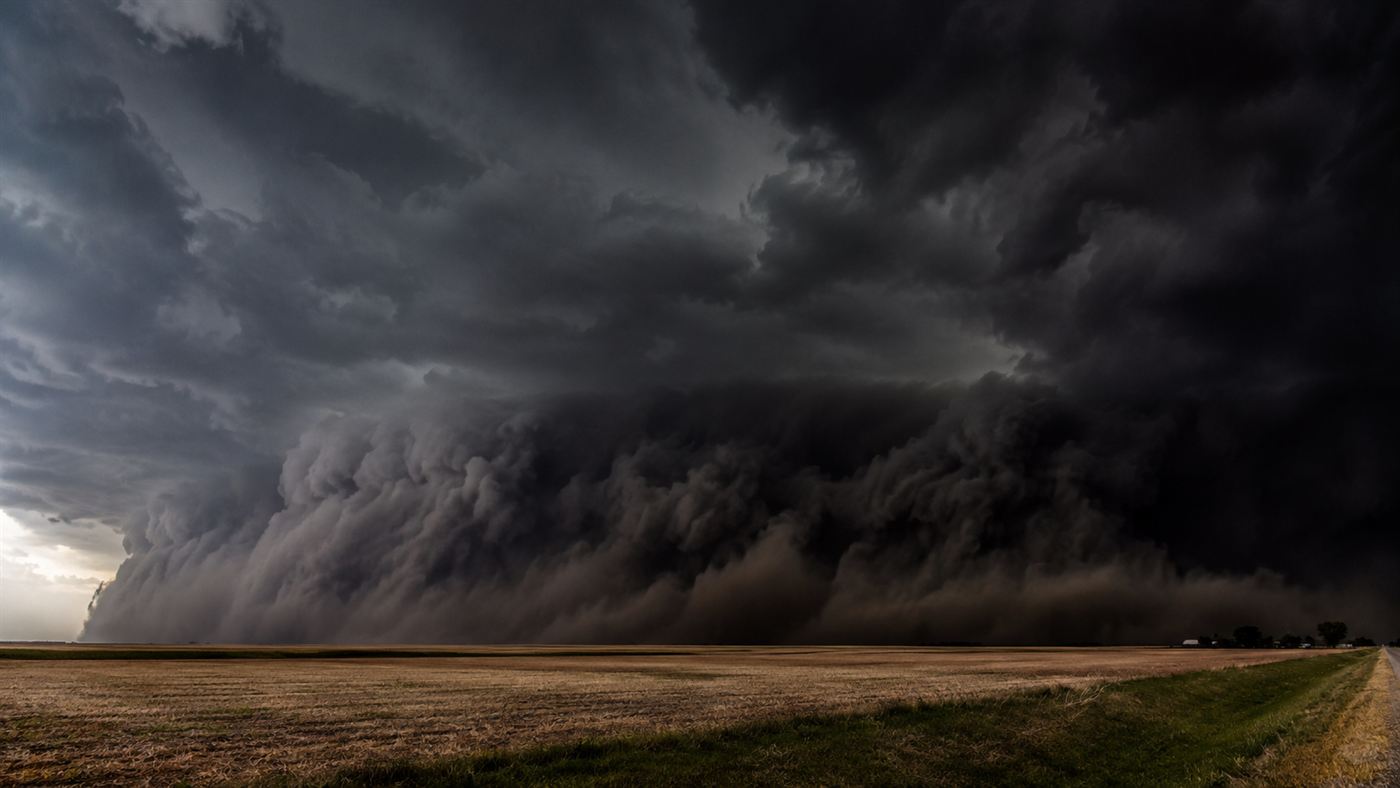
Survivors kept saying the same eerie thing: they never saw a funnel. Instead of the sharp, twisting cone people expected, the Tri-State Tornado appeared as a huge, boiling wall of black cloud and debris, so wide and so wrapped in dust and rain that it read as a rolling fog bank or a strange low storm.
By the time anyone realised what it truly was, it was already on top of them. That disguise, combined with the speed, is a big part of why so many people were caught in the open or inside buildings that offered no protection. They were not ignoring a warning. They genuinely could not tell what they were looking at.
How many towns did the Tri-State Tornado destroy?
The storm walked directly through the heart of one community after another. It devastated Annapolis in Missouri, then crossed into southern Illinois and obliterated Gorham before slamming into Murphysboro, where 234 people died, the highest toll any single town has ever suffered from an American tornado.
From Murphysboro it tore on through De Soto, West Frankfort and Parrish, then crossed into Indiana to shatter Griffin and Princeton. In town after town, schools collapsed on children, homes vanished, and whole main streets were swept flat. Murphysboro alone lost hundreds of buildings along with hundreds of lives.
The honest catch
For decades the 219-mile figure was treated as gospel, but modern meteorologists add a careful footnote. Some argue the event may have been a tornado family, a rapid succession of separate tornadoes from the same storm, rather than one unbroken funnel on the ground the entire way. A detailed reanalysis has supported most of the path being a single tornado, but honest scientists still flag the uncertainty.
Either way, the human catastrophe is not in doubt. And it is worth being clear that the appalling death toll was not caused by strength alone. It was multiplied by the speed, the disguise, and above all the total absence of a tornado warning, a failure of policy as much as a fury of nature.
The warnings that came too late for 1925
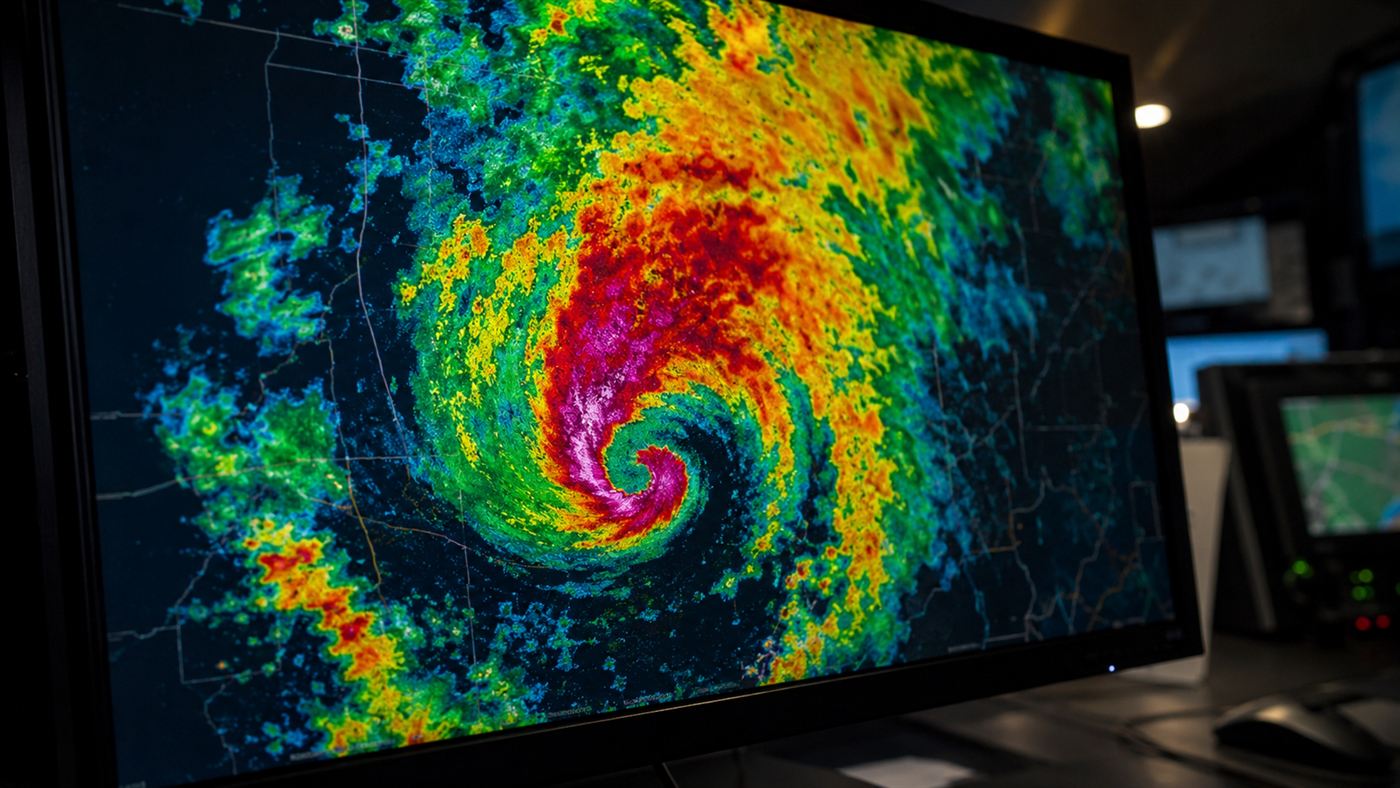
The disaster helped push a slow, decades-long change in how America deals with violent weather. The ban on the word tornado was eventually lifted, the first successful tornado forecast was made in 1948, and radar and a national warning network gradually turned that 1925 silence into today's sirens, alerts and phone notifications.
It is a bitter kind of progress. The people of Murphysboro and a dozen other towns did not get the warning that might have saved them, but their loss became part of the case for building the system that now gives millions of Americans precious minutes to take cover. The Tri-State Tornado still stands as the grim benchmark against which every other twister is measured.
A record-breaking tornado once crossed three states at highway speed while an entire country was forbidden to say its name. How many of those 695 people might have lived if the warning systems we take for granted today had existed in 1925? Tell us what you think in the comments.
Related reading: the hurricane that drowned Galveston and forced a whole city to lift itself out of the sea. See also the firestorm that killed more people than any wildfire in American history, and the earthquakes that made the Mississippi run backwards.