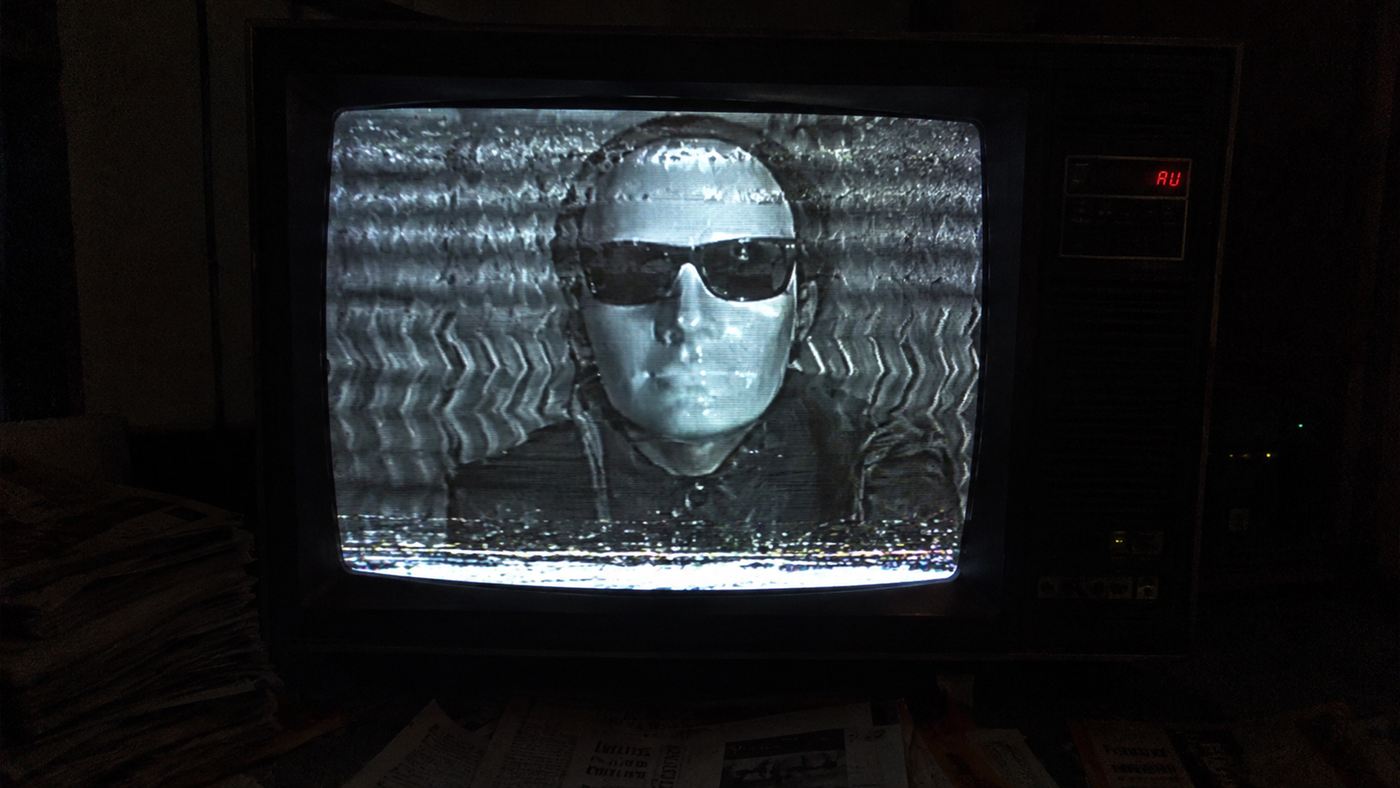
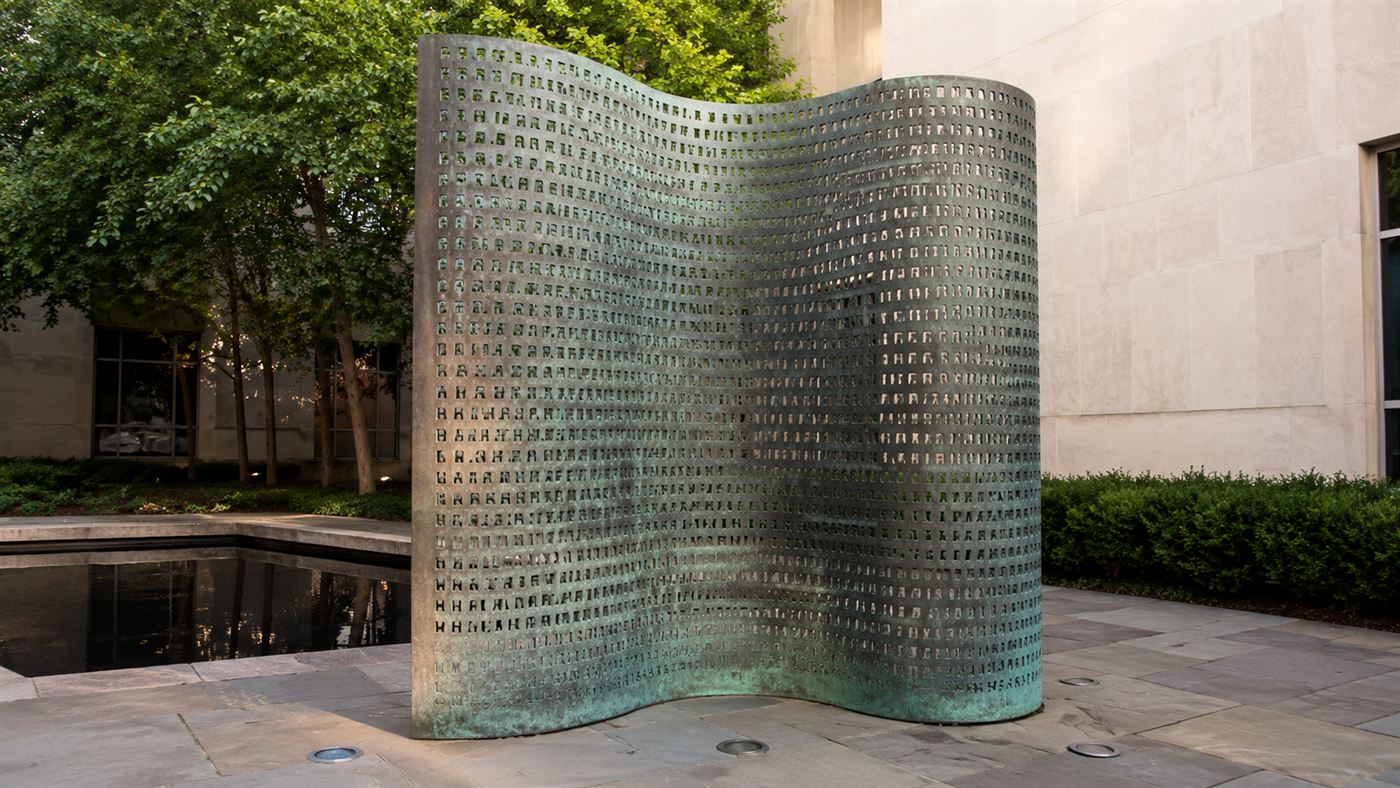
For 40 years, strange tiles with the same baffling message have appeared in city streets
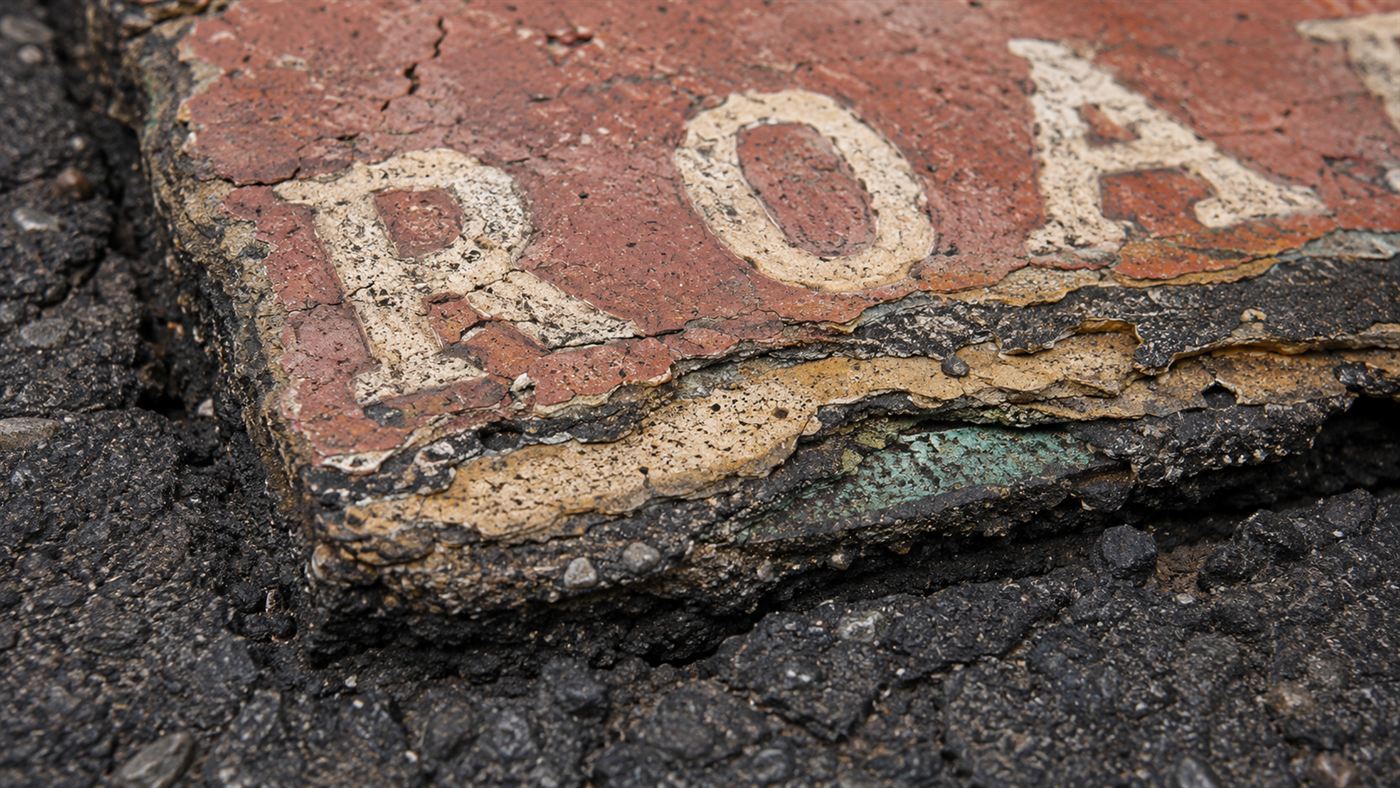
Look down at the right intersection in Philadelphia, New York or Buenos Aires, and you might find a small plaque pressed into the tarmac under your feet, carrying a cryptic line about a dead philosopher, a science-fiction film, and resurrecting the dead on Jupiter. No one ever sees them being laid. The Toynbee tiles are one of the strangest mysteries hiding in plain sight.
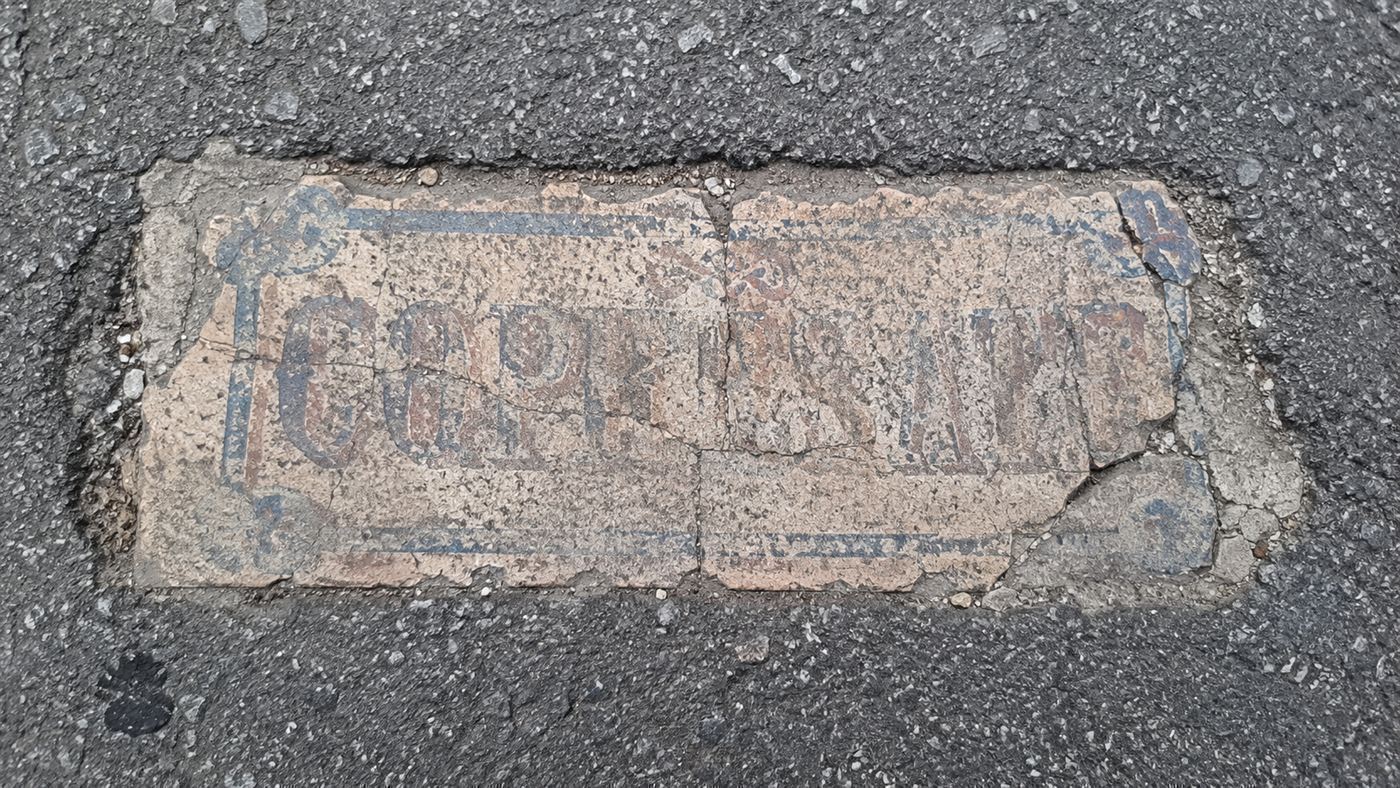
Pressed flat into the road, the tiles are easy to walk over without ever noticing. Illustration: Watts & Wild.
Most strange messages reach us through screens or speakers. These come up through the soles of our shoes. The Toynbee tiles turn the ordinary city street into a noticeboard for a single, obsessive idea, repeated for decades by someone who has never explained themselves.
The deeper you look, the stranger it gets, and the harder it becomes to say what you are even looking at.
What the Toynbee tiles say
The core message is always roughly the same, set out in odd, uneven capital letters. The Toynbee tiles urge the reader to take an idea linked to the historian Arnold Toynbee and the film 2001: A Space Odyssey, and use it to resurrect the dead on the planet Jupiter.
It is a sentence that sounds like a fever dream, and that is part of the spell. It ties together a real twentieth-century historian, who wrote about the rise and fall of civilisations, with Stanley Kubrick's famous film about human evolution and the cosmos, and bolts on a startling promise about literally bringing the dead back to life on another world. Some of the larger tiles go further, surrounding the core line with long, angry, hard-to-follow rants about the media and shadowy conspiracies, along with instructions telling readers how to make and lay tiles of their own.
How they got there without being seen
Just as puzzling as the words is the method. The tiles are not painted on or bolted down; they are laid flush into the road surface, yet no one has ever reported watching it happen. The maker is thought to have built each tile from layers of linoleum and tar paper, then left it on the road covered in protective material, so that passing cars slowly pressed it permanently into the hot asphalt.
That patient trick neatly explains the secrecy. The creator did not need to kneel in traffic with tools; they only had to drop a flat package and let the city's own cars do the embedding over the following days. One popular theory even suggests the tiler dropped the plaques through a hole cut in the floor of a car, sliding them onto the road from below while driving, so that to any onlooker nothing at all appeared to be happening.
The man who might be behind them
For years the identity of the tiler was a complete blank, until a group of amateur investigators turned it into a quest. A 2011 documentary followed their hunt and pointed to a reclusive man in Philadelphia as the likely creator of the original Toynbee tiles.
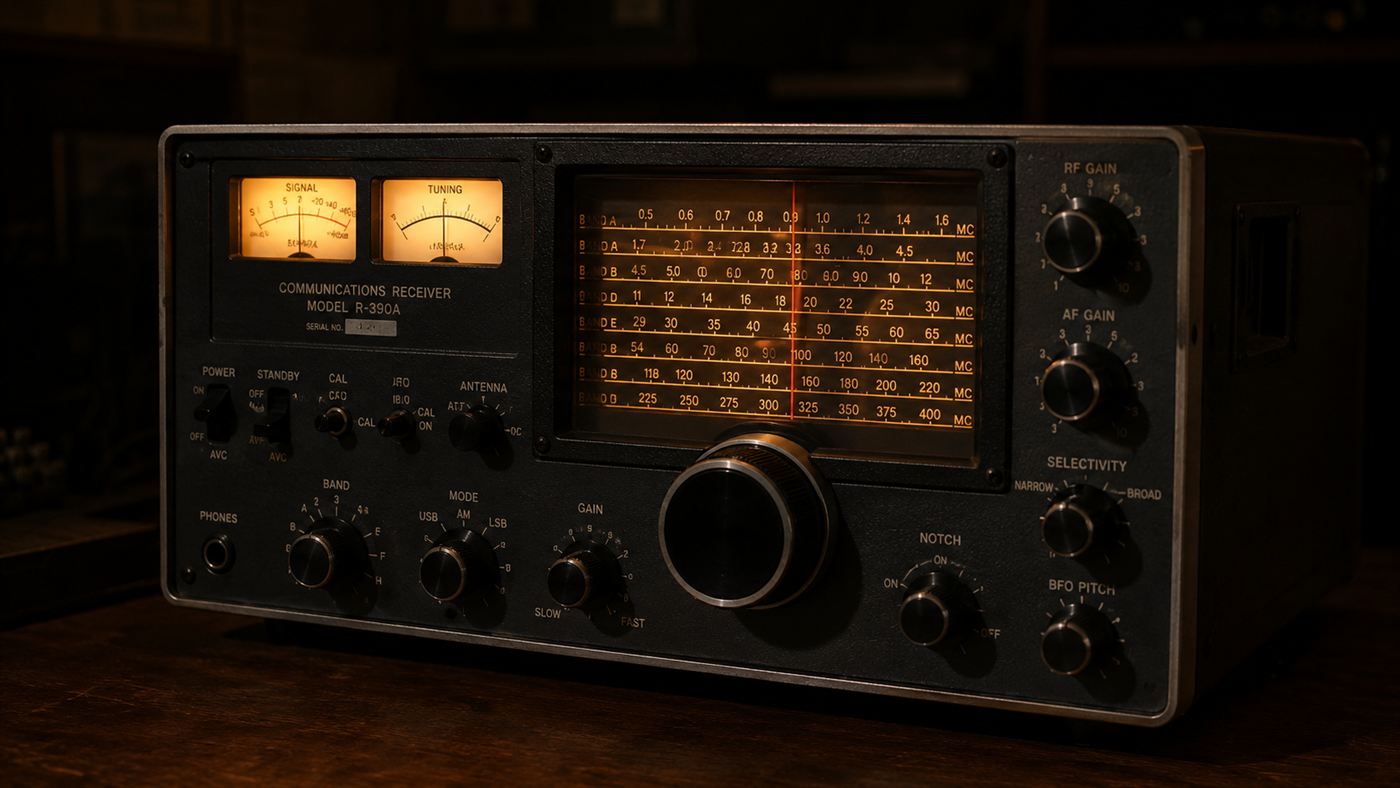
The clues they gathered were tantalising: scraps of trial tiles near his home, a strange short-wave radio broadcast about the very same theory, and reports that he drove a car oddly modified in a way that would have let him drop tiles onto the road unseen. It was a compelling case. But it was never proven, the man himself never confirmed it, and to this day the link remains a strong suspicion rather than a settled fact.
What are the Toynbee tiles?
In the plainest terms, they are one person's private obsession made public, over and over, in the most permanent and anonymous way imaginable. The Toynbee tiles are a message someone needed the world to read so badly that they spent decades pressing it into the streets of cities across two continents.
What they actually mean is another matter. The blend of a serious historian, a cosmic film and a wild claim about resurrection has been picked over endlessly without ever resolving into a clear belief. The tiles may be the manifesto of a lone visionary, the work of a troubled mind, or both at once, and the street gives no answer.
Who made the Toynbee tiles?
Most likely a single, determined individual, possibly the Philadelphia man named by the documentary, but no one can say for certain. The original Toynbee tiles bear all the marks of one obsessive hand, yet that hand has never publicly claimed them.
One honest caution rounds off the mystery. Because the tiles became famous, other people have since made their own copies, muddying the trail and making it harder to tell the originals from the imitations. The naming of a suspect was an act of detective work, not a confession, and it deserves to be held lightly. What is certain is stranger than any neat solution: somewhere out there, someone spent a lifetime quietly turning the roads we walk on into a message about the dead, the stars, and a film, and then let us all walk over it.
Someone spent decades pressing the same impossible message into the streets of two continents, and then vanished into the traffic. Are the Toynbee tiles the work of a misunderstood visionary, or just a mystery we will never be allowed to solve? Tell us what you think in the comments.
Related reading: Cicada 3301, another anonymous mystery that led people on a worldwide hunt for a meaning no one ever confirmed, and the Mechanical Turk, the chess machine that beat Napoleon with a man hidden inside.