An anonymous group hid the hardest puzzle on the internet, and no one knows why
It began as a single mysterious image posted in a dark corner of the web, daring the curious to look closer. What followed sent thousands of people chasing clues hidden in songs, in code, and in posters taped to walls on five continents. Cicada 3301 is still the most elaborate and baffling puzzle the internet has ever seen.
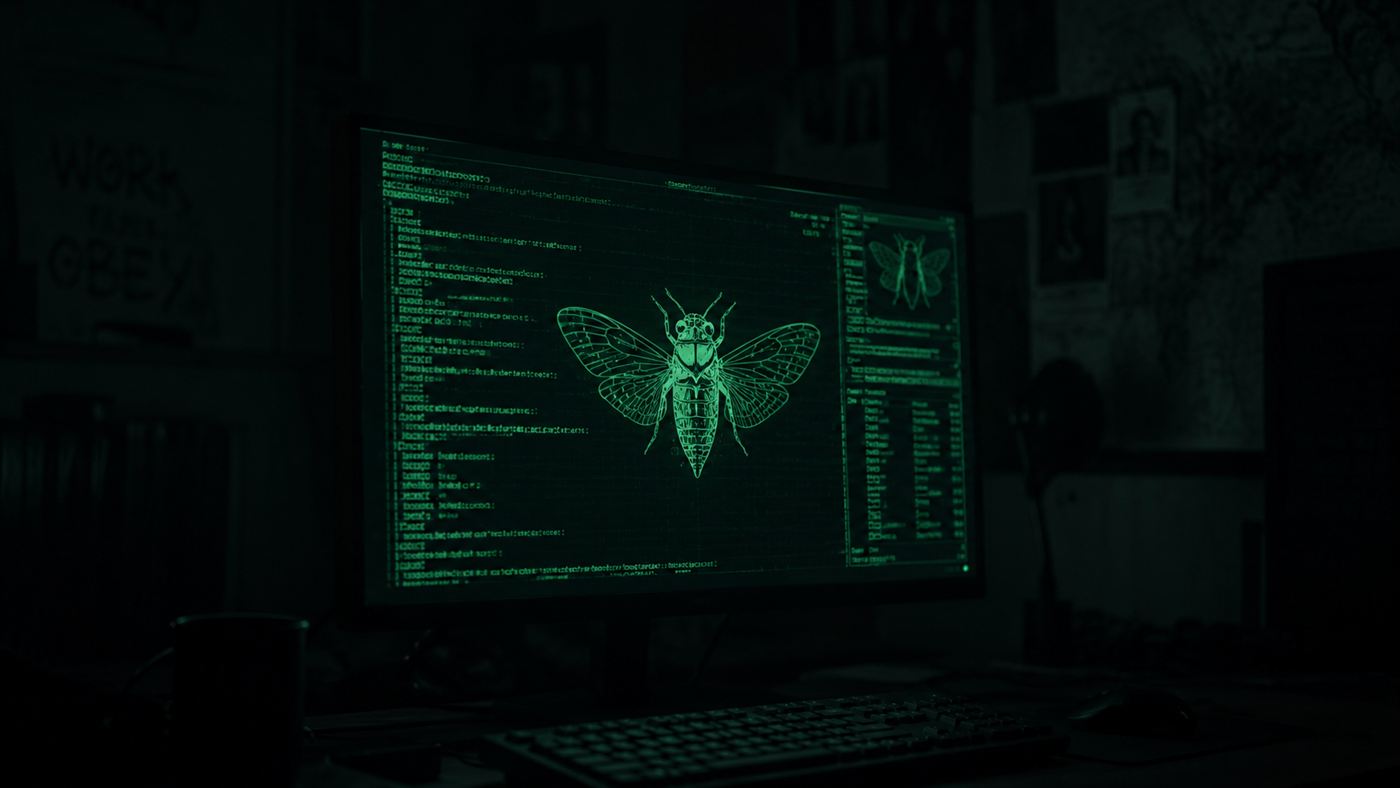
It started with one image and a challenge, and grew into a worldwide hunt. Illustration: Watts & Wild.
Most internet mysteries fizzle out under inspection, turning out to be hoaxes or marketing stunts. Cicada 3301 is different, because the sheer skill and effort poured into it were real, and its makers have never stepped forward to explain themselves.
More than a decade later, the people who solved its early stages still cannot agree on what they were really part of.
What Cicada 3301 actually asked
The first puzzle appeared in January 2012, a plain image bearing a short message claiming to be looking for highly intelligent individuals and inviting readers to find a hidden meaning inside it. Cicada 3301 was, on the surface, a recruitment test, a chain of puzzles built from cryptography, hidden messages and obscure knowledge that only the most determined solvers could follow.
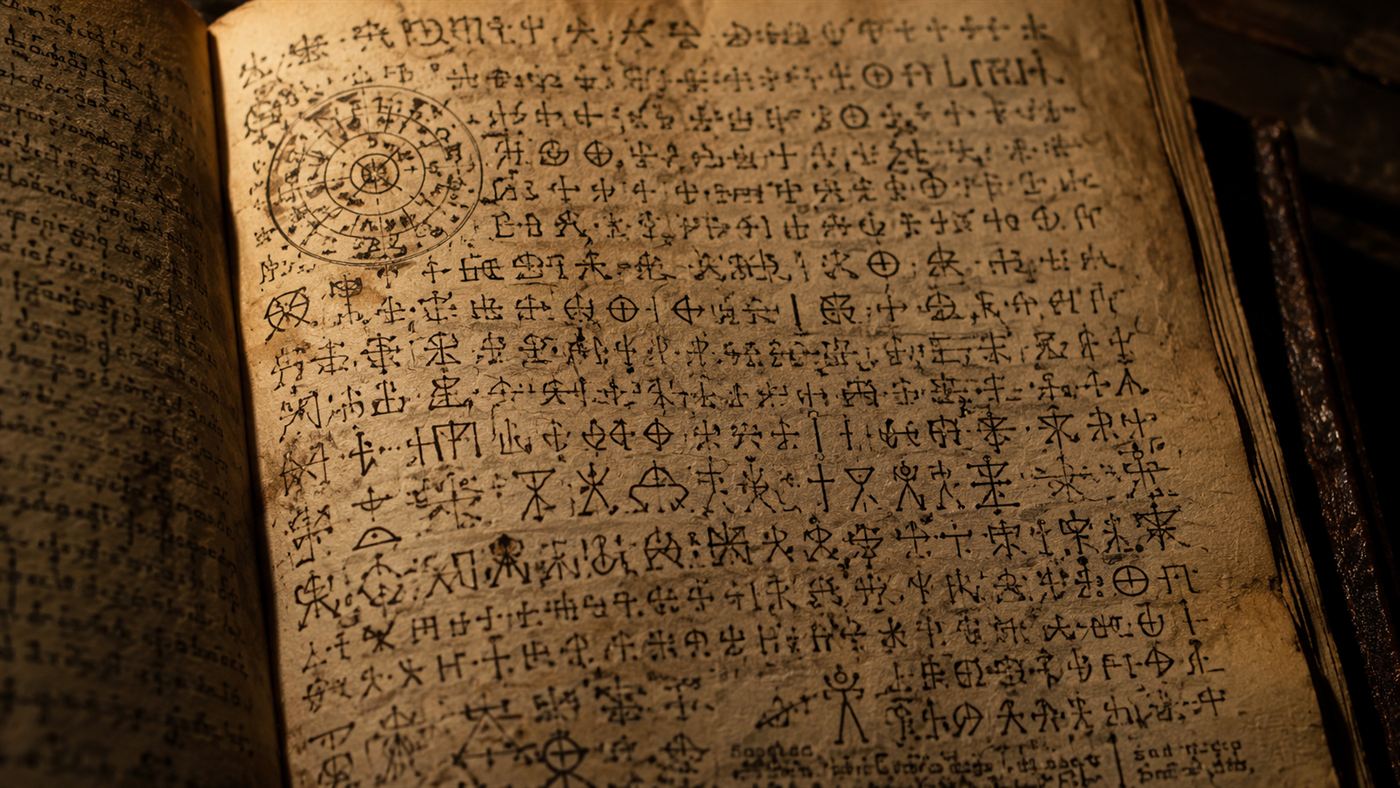
Cracking one clue simply revealed the next. The trail wound through secret codes, references to old books and artwork, and techniques for hiding data inside ordinary-looking files. Each step demanded a different skill, as if the puzzle had been designed to filter for a very particular kind of mind, patient, broadly educated and comfortable in the strange overlap of computing and the humanities.
A treasure hunt across the real world
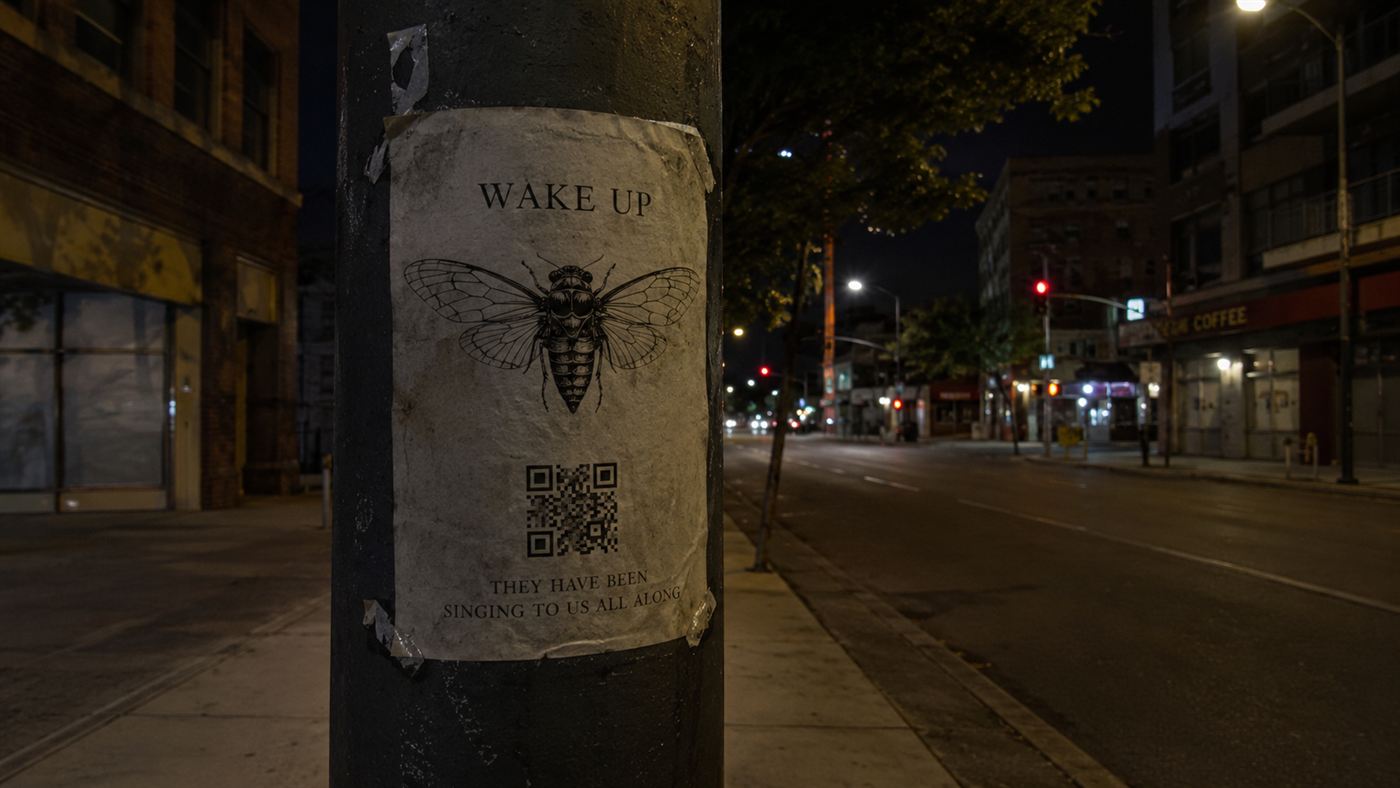
What lifted Cicada 3301 above every other online riddle was the moment it stepped off the screen. As solvers advanced, the clues stopped living purely on the internet. The trail led to a telephone number to call, to original music, to bootable computer discs, and to cryptic posters physically taped up in cities across several countries on different continents.
Suddenly a puzzle that began on an anonymous message board was reaching into the real world, coordinated by someone who could put printed clues on lampposts in the United States, Europe, Australia and beyond, all at once. It was proof that whoever ran Cicada was organised, well resourced and serious, not a lone prankster with a laptop. For the thousands following along, it felt less like a game and more like brushing up against something genuinely secret.
Who was behind it?
This is the question no one has answered. Theories run from the mundane to the cinematic. Some believe Cicada 3301 was a recruiting tool for an intelligence agency, others that it was a secretive society of privacy and cryptography enthusiasts, and a few that it was an elaborate art project or game.
The group itself stayed disciplined and silent, communicating only through messages it signed with a cryptographic key so that copycats could be exposed as fakes. The fragments of its writings that solvers managed to decode spoke about freedom of information, resistance to censorship and the value of privacy, which fits the idea of a privacy-minded collective. But no agency ever claimed it, and no member has ever come forward to take the credit.
What was Cicada 3301?
At heart it was a test, and a remarkably pure one. Cicada 3301 rewarded nothing but skill and persistence, ignoring money, fame and qualifications in favour of whoever could actually follow the trail to its end.
That purity is a large part of its lasting appeal. In an internet increasingly full of advertising and noise, here was a challenge that wanted only your mind, posed by people who asked for nothing in return except that you prove you were clever and dogged enough to keep going.
Was Cicada 3301 ever solved?
Partly, and that is the frustrating beauty of it. The earliest puzzles were beaten by teams who pooled their talents, and a handful of solvers said they were quietly contacted at the finish, though what happened next was never made public. The later challenges, especially the runic Liber Primus, remain largely unsolved to this day, leaving the whole project hanging unfinished.
One honest caution belongs here. Because the payoff was never openly revealed, no one can be completely sure the recruitment was real rather than an extraordinarily committed game. What is certain is that the puzzles themselves were genuine feats of cryptography, and that the last trustworthy message from Cicada appeared years ago, after which the trail simply went cold. Somewhere out there, the answer, and the people who wrote it, are still hidden.
The most elaborate puzzle ever set loose online led thousands on a global chase and then vanished without ever explaining itself. Was Cicada 3301 a real recruiter hunting for genius, or the most committed game ever played? Tell us what you think in the comments.
Related reading: Kryptos, the coded sculpture at CIA headquarters that resisted the world's best codebreakers for 35 years.