A Missouri town paid a man to spray oil on its dusty roads, never knowing it was laced with one of the deadliest chemicals known, and the whole town had to be bought out and wiped off the map
It was the most ordinary of problems: a small town with dirt roads that kicked up choking dust every summer. The cheap, common fix was to spray them with used oil. No one imagined that the oil carried a poison so dangerous it would end the town itself.
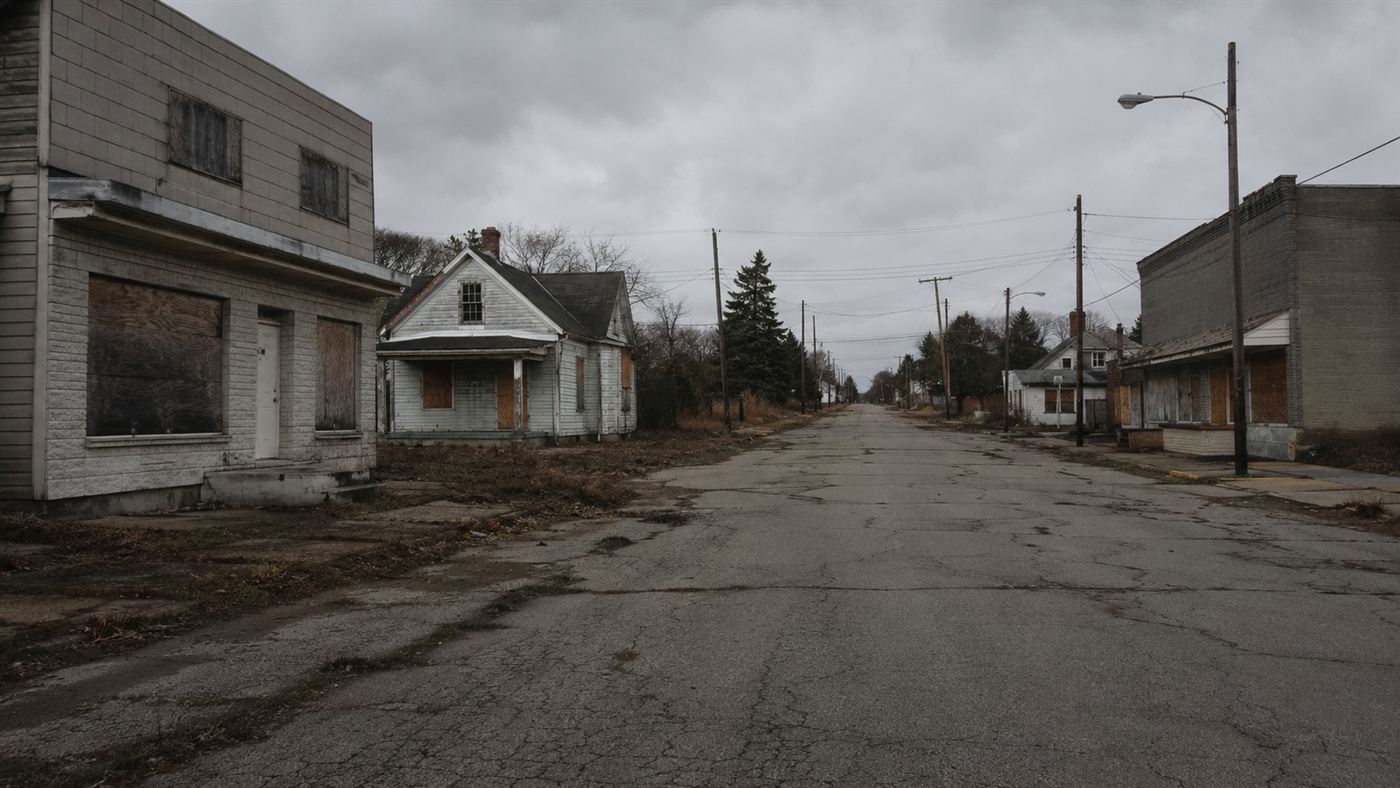
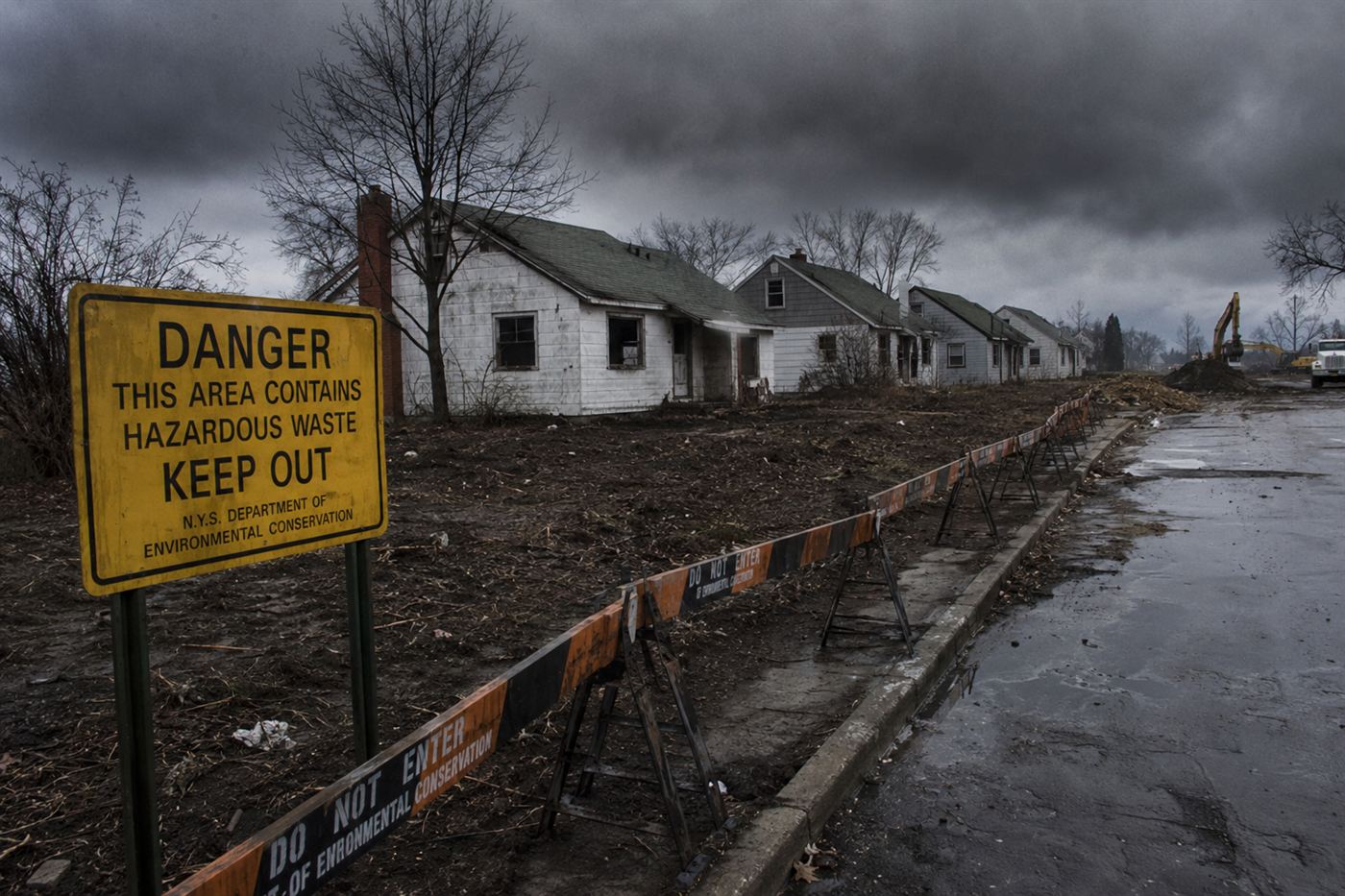
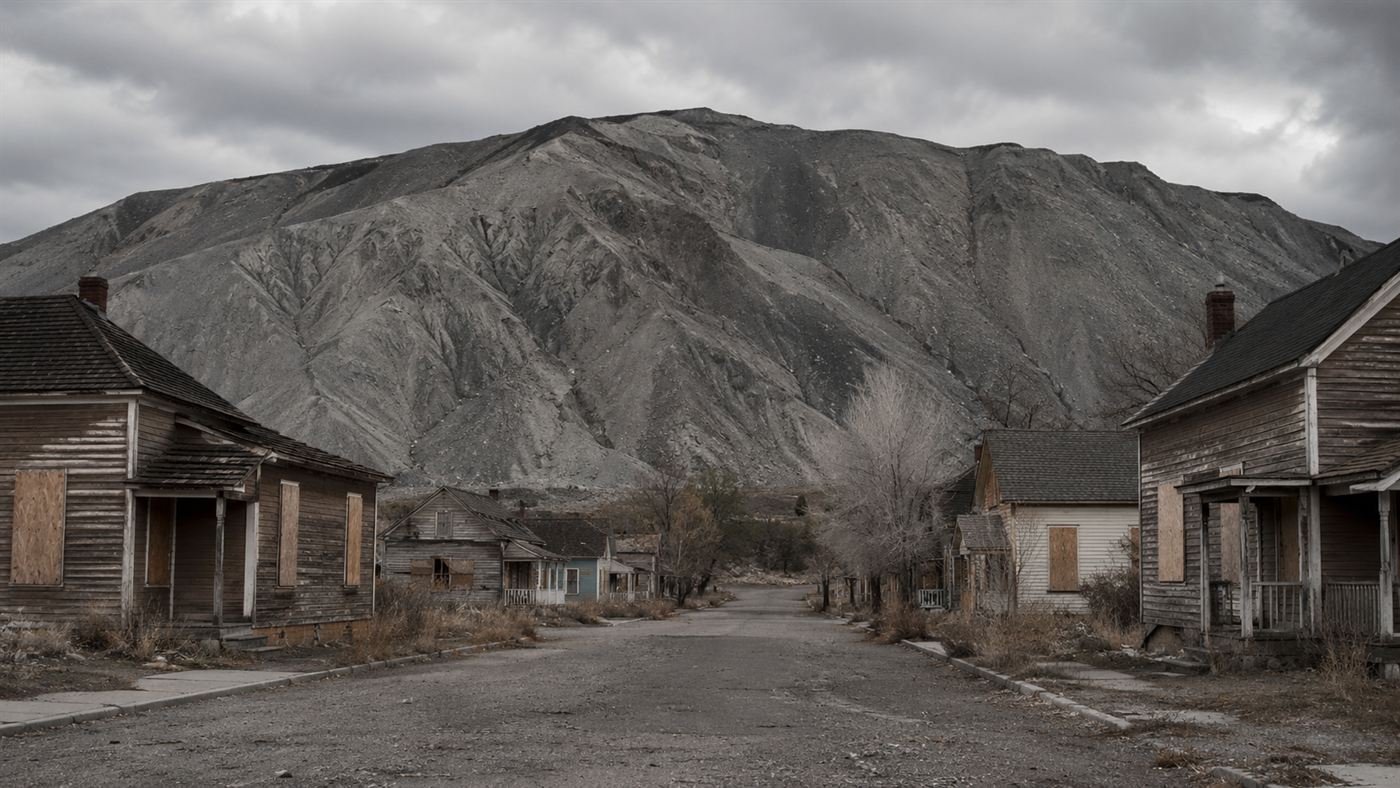
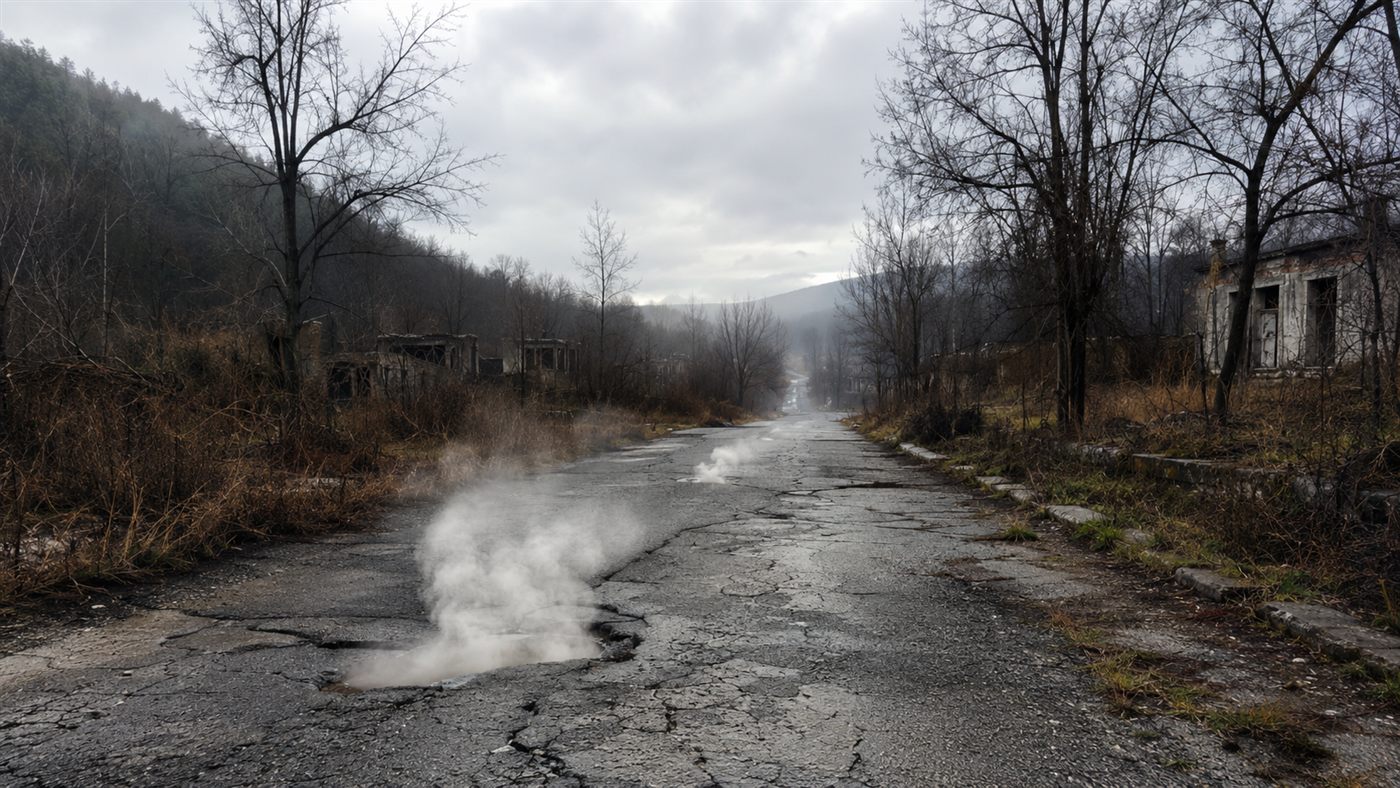
The town was evacuated and razed after its roads turned out to be poisoned. Illustration: Watts & Wild.
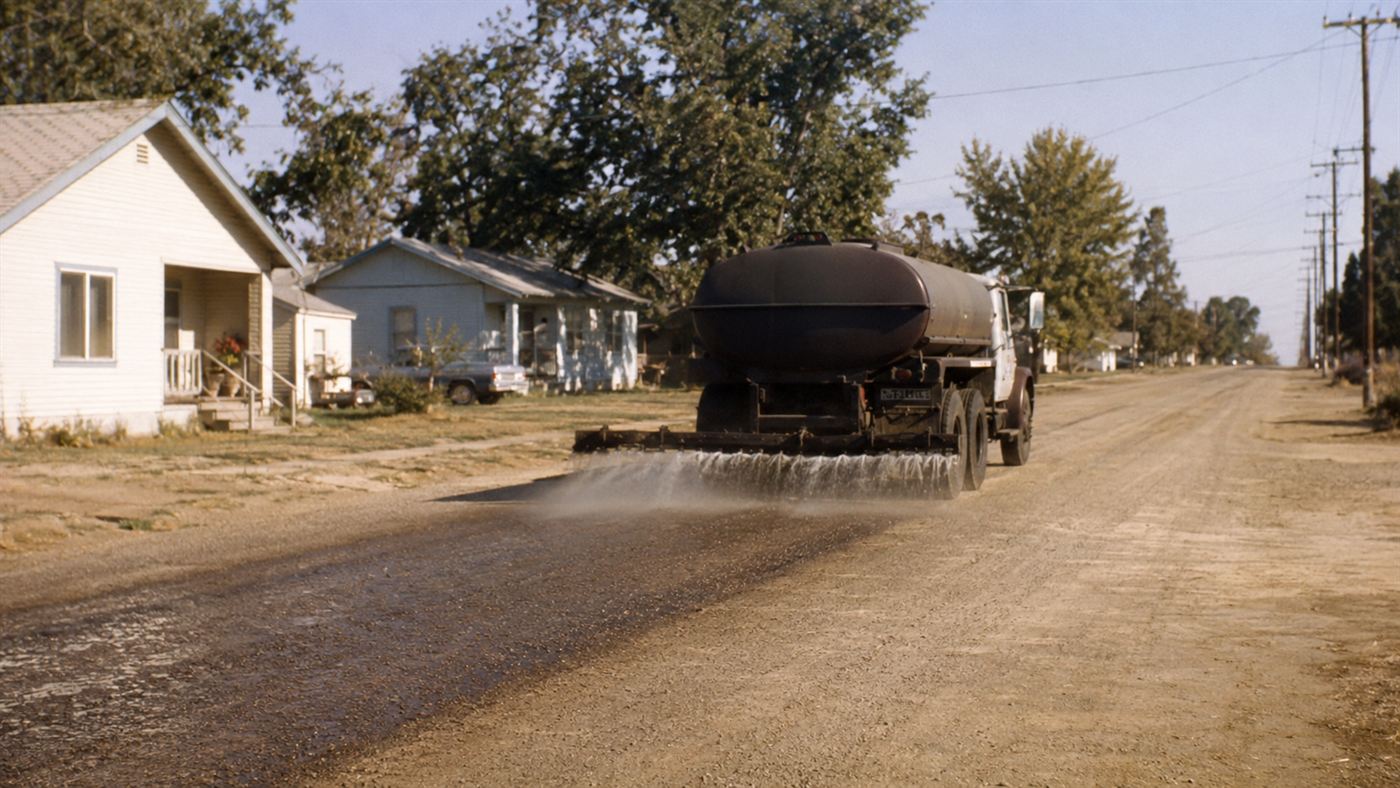
Times Beach was a modest riverside community on old Route 66 outside St. Louis, Missouri, the kind of place with unpaved streets and families on tight budgets. In the early 1970s, unable to afford proper paving, the town hired a local waste hauler named Russell Bliss to keep the dust down the cheap way, by spraying the roads with waste oil.
It seemed harmless. What no one knew was that the oil Bliss was spreading had been mixed with sludge from a chemical plant that produced material related to Agent Orange, and that sludge was laced with dioxin, one of the most toxic substances ever made. For years, the town was quietly coating its own streets, and its children's play areas, in poison.
The short version: in the 1970s a hauler sprayed dioxin-contaminated waste oil on the dirt roads of Times Beach, Missouri to control dust. A 1982 flood washed the toxin across the whole town, tests found dioxin at hundreds of times safe levels, and the government bought out and demolished the entire community.
The cheapest way to fix a dusty road
To understand how this happened, you have to remember how normal road-oiling was. Spraying used oil on gravel and dirt roads to bind the dust was a routine, accepted practice across rural America, and it was cheap. Nobody looking at an oil truck spraying a street thought they were watching a disaster unfold.
The problem was where some of that oil came from. Russell Bliss collected all kinds of industrial waste, and among his sources was a facility whose byproducts were contaminated with dioxin. Mixed into his tanks and sprayed onto the roads, the poison was spread invisibly through the town, and onto horse arenas he treated elsewhere, where animals soon began to sicken and die.
The flood that doomed Times Beach
For years the danger sat in the dirt, largely unnoticed. Then, in December 1982, the Meramec River burst its banks and swallowed Times Beach in a catastrophic flood. The water did not just damage homes; it picked up the contaminated soil from the roads and carried it across yards, floors and the whole low-lying town.
The timing was grimly perfect. Federal investigators were already testing the area for dioxin, and the results were staggering: levels there came back at hundreds of times what health officials considered safe. The flood had turned a buried hazard into an inescapable one, coating an entire community in a chemical measured in parts per billion.
How the government erased a whole town
Just before Christmas 1982, health authorities delivered the verdict no community wants to hear: the town should not be lived in, ever again. The recommendation was that residents leave and not return, and almost overnight a functioning town of some two thousand people became a place under a death sentence.
The response was drastic and unprecedented in scale. Using the new federal Superfund program, the government bought out essentially every home and business in Times Beach, spending tens of millions of dollars to purchase and empty the entire town. By the mid-1980s it was formally dissolved as a community, its residents scattered, its houses waiting for the wrecking ball.
What stands there now?
The cleanup was as grim as the contamination. Over the following years the abandoned buildings were demolished, and the poisoned soil from the town and other Missouri sites was hauled in and burned in a specially built incinerator to destroy the dioxin. What had been a town was reduced to bare, decontaminated ground.
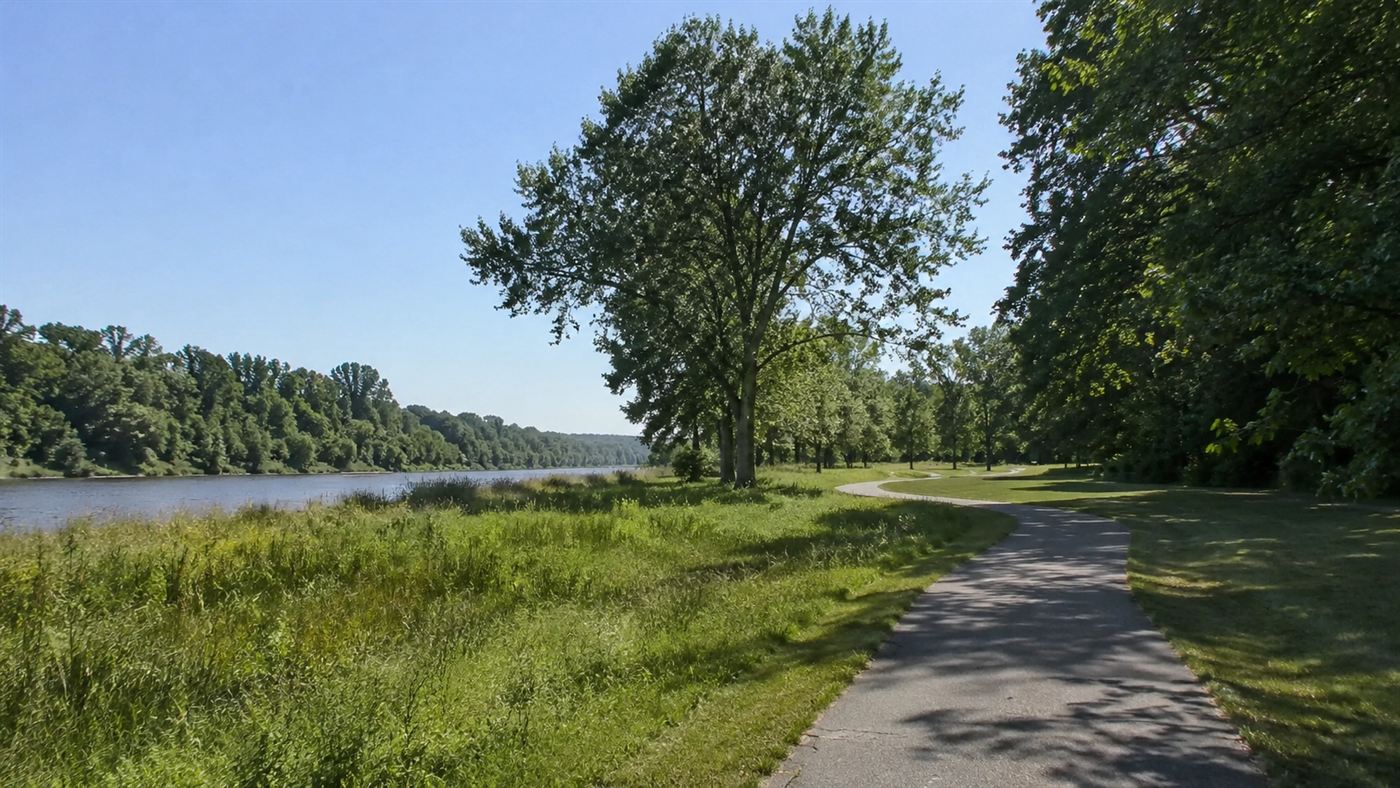
Then, in a final twist, the land was reborn as a park. In 1999 the cleaned-up site opened as Route 66 State Park, a green space celebrating the famous highway that once ran through the community. Visitors now picnic and hike over the exact ground where a town died, most of them with no idea what lies beneath their feet.
The honest catch
It is tempting to reduce this to one villain with an oil truck, and Russell Bliss did spread the poison, but the deeper failure was systemic. This was an era when toxic industrial waste could be handed off cheaply and quietly to whoever would take it, with almost no tracking of where it ended up. Times Beach was where that careless chain happened to surface.
That is why the disaster matters beyond one town. It helped drive home why hazardous waste has to be traced from cradle to grave, and it became a grim schoolbook example for the Superfund cleanup program. A community was erased so that the country could learn, expensively, that there is no such thing as simply making toxic waste go away.
A town died because the cheapest fix for a dusty road turned out to be one of the deadliest chemicals ever made, and today a park sits quietly on its grave. Should places like this be marked and remembered, or is turning them into parks the kindest way to move on? Tell us in the comments.
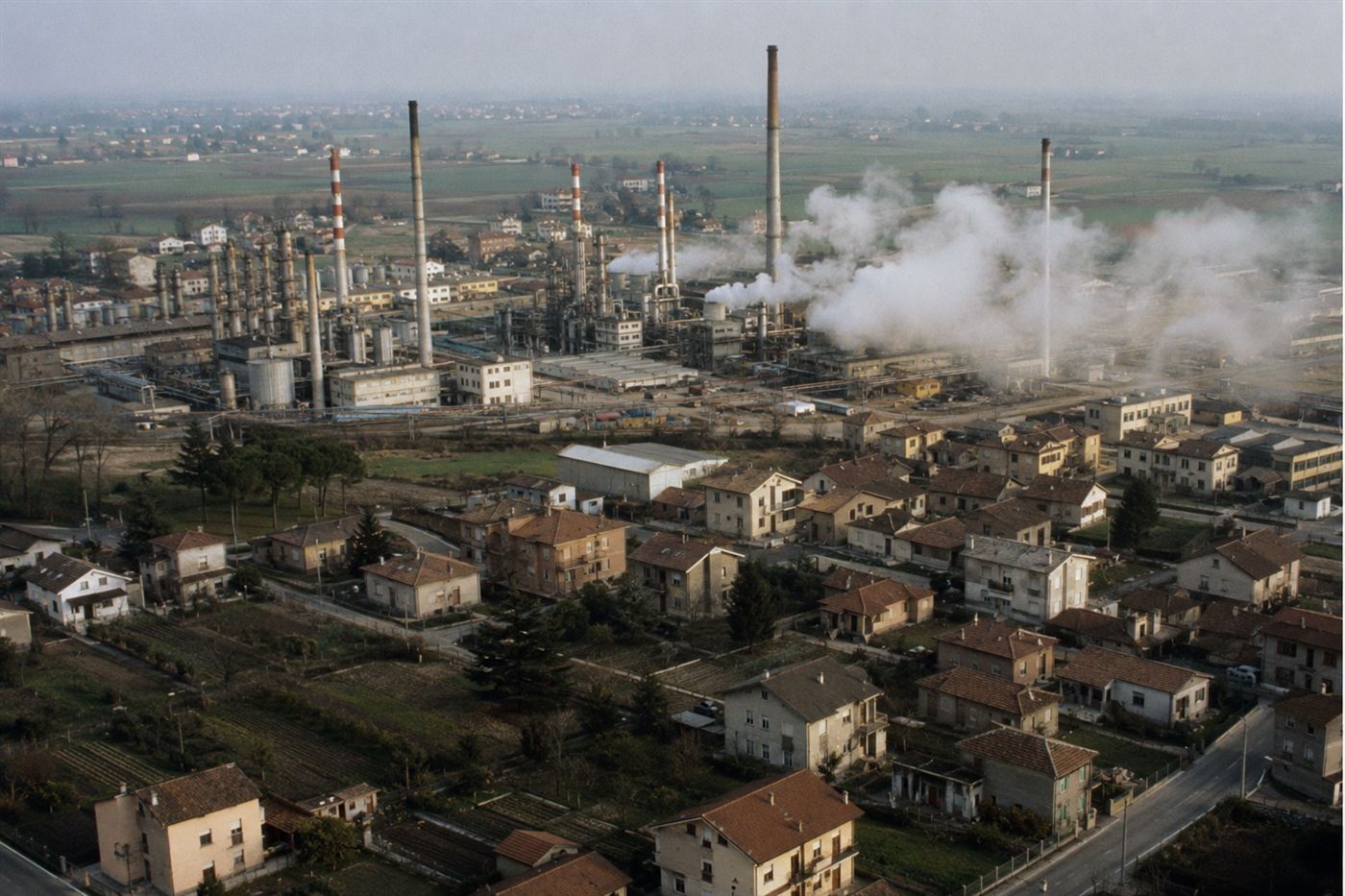
Related reading: Love Canal, the neighborhood built on buried chemical waste that launched the fight for Superfund. See also the Seveso disaster, when a chemical cloud rained the same poison on an Italian town.